Low Blood Sugar Symptoms: How to Recognize Them, What Causes Them and What to Do in Pakistan
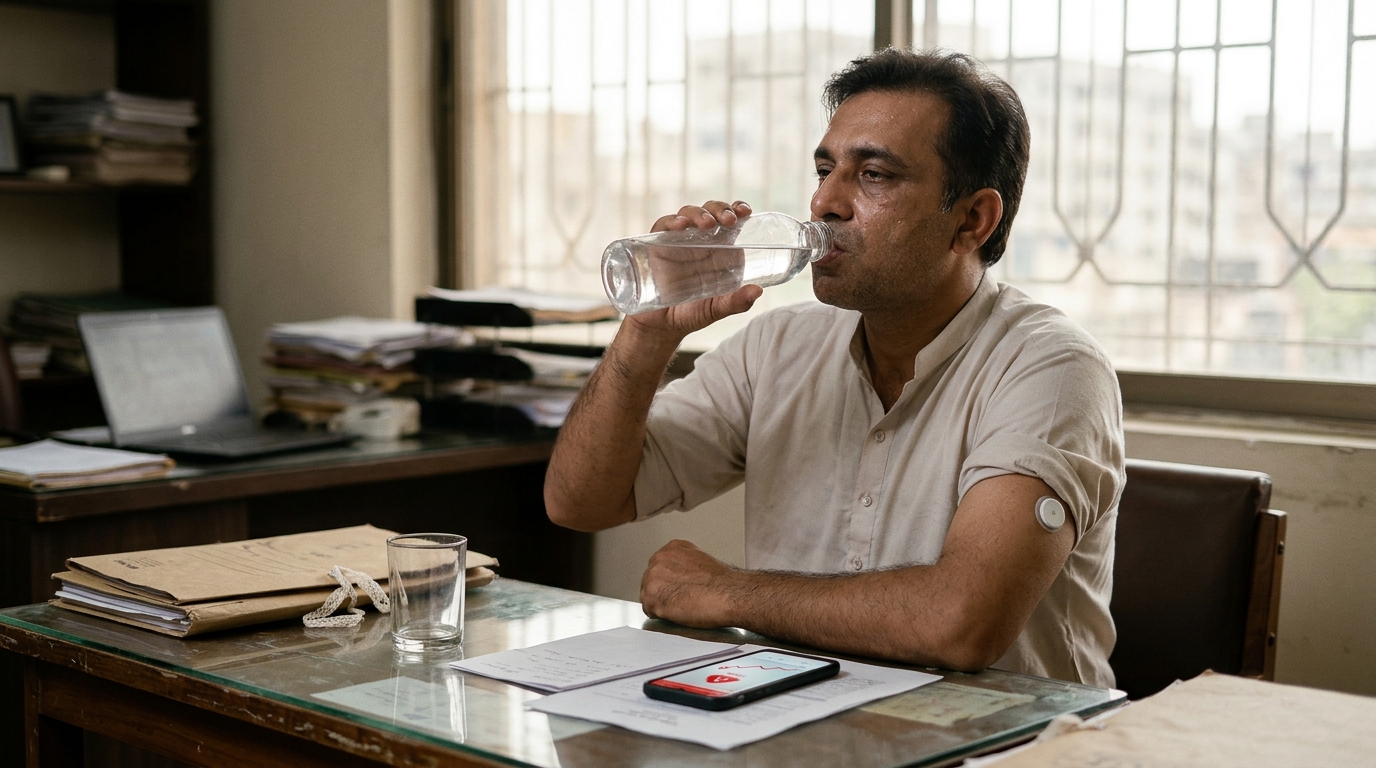
It can start with a slight tremble in the hands, a sudden wave of hunger or a cold sweat at the office. Within minutes, it can progress to confusion, slurred speech and, if untreated, loss of consciousness. These are the classic low blood sugar symptoms, and they can affect anyone who uses insulin or certain diabetes tablets, as well as, less often, people without diabetes. Knowing the low blood sugar symptoms and what to do about them can save a life, yours or that of someone you love.
The topic is particularly important in Pakistan. According to the IDF Diabetes Atlas 2025, about 34.5 million adults in the country were living with diabetes in 2024, and many of them take sulfonylureas or insulin, which carry a risk of hypoglycemia. Add fasting during Ramadan, irregular meals, long working hours, limited access to emergency care in some areas and families who may not know how to respond, and it becomes clear why understanding low blood sugar symptoms matters so much. A continuous glucose monitor in Pakistan can warn you before the symptoms even begin.
In this guide we explain the low blood sugar symptoms in detail, from mild to severe, the causes, the special problem of hypoglycemia unawareness, how to treat a low using the 15-15 rule, what to do in an emergency, how to prevent lows during Ramadan, exercise and sleep, and how monitoring helps. This article is educational only and does not replace the advice of your own doctor.
What Is Low Blood Sugar?
Low blood sugar, or hypoglycemia, means that the glucose level in your blood has fallen below the range your body needs to work properly. Your brain depends almost entirely on glucose, so when levels drop too low, it triggers an alarm.
The Numbers
Diabetes organizations commonly define level 1 hypoglycemia as a glucose below 70 mg/dL, level 2 as below 54 mg/dL, and level 3 as a severe event with altered mental or physical state that requires help from another person. Some people begin to feel low blood sugar symptoms at higher numbers, especially if their glucose has been running high for a long time, and others feel nothing even at very low values.
Why It Happens
In a healthy body, insulin falls when glucose falls, and hormones such as glucagon and adrenaline raise glucose again. In people who take insulin or certain tablets, medicine continues to lower glucose even when it drops, so the safety net fails. That is why low blood sugar symptoms are mainly a concern for people with diabetes who use these medicines.
Early Low Blood Sugar Symptoms
When glucose begins to fall, the body releases adrenaline to rescue it. This produces a set of warning signs that most people can learn to recognize.
Shakiness and Trembling
Fine tremors in the hands or a feeling of internal shakiness are among the most common early low blood sugar symptoms. You may notice that your hands tremble while holding a cup or writing.
Sweating and Clamminess
Sudden sweating, especially cold sweat on the forehead, neck or palms, without heat or exertion, is a classic sign. Many people describe it as breaking out in a sweat for no reason.
Fast Heartbeat and Anxiety
A pounding heart, a feeling of nervousness, anxiety or panic without any reason may be adrenaline at work. Some people mistake these for a panic attack.
Hunger, Pallor and Tingling
Sudden intense hunger, a pale face, tingling or numbness around the lips and tongue, and mild nausea are also early signals. Parents often notice paleness in children before the child says anything.
Moderate and Severe Low Blood Sugar Symptoms
If glucose continues to fall, the brain itself begins to run short of fuel, and the symptoms change from physical warning signs to mental and neurological effects.
Difficulty Concentrating and Confusion
You may find it hard to think clearly, make simple decisions or follow a conversation. You might feel dizzy, forgetful or disoriented. Others may notice that you are acting strangely before you do.
Blurred Vision and Headache
Vision may become blurred or double, and a headache can develop. These signs can be dangerous when driving or operating machinery.
Weakness, Slurred Speech and Poor Coordination
Muscles may feel weak, your legs may wobble, and your speech may become slurred, so that you seem intoxicated. Many people have been wrongly assumed to be drunk or unwell for other reasons when they were actually experiencing low blood sugar symptoms.
Irritability and Mood Changes
Sudden anger, tearfulness, irritability or behavior that is out of character can be a sign of a low, particularly in children and teenagers. Parents of children with diabetes often learn to spot these moods before checking the number.
Seizures and Loss of Consciousness
In severe hypoglycemia, a person may have a seizure or become unresponsive. This is a medical emergency and requires immediate help, as explained later in this article.
Low Blood Sugar Symptoms During Sleep
Nocturnal hypoglycemia is particularly risky because the sleeper may not wake up. Warning signs can include night sweats, damp pajamas or sheets, vivid nightmares, restless sleep, crying out, a pounding heart, and waking with a headache, unusual tiredness or confusion. A partner may notice trembling, moaning or unusual behavior. Repeated unexplained high morning readings can sometimes follow an unrecognized night-time low. People who use insulin or sulfonylureas, who exercised in the evening, who skipped dinner or who drank alcohol are at higher risk.
Hypoglycemia Unawareness
Some people stop feeling the early warning signs. This condition, called hypoglycemia unawareness, tends to develop after repeated lows, long-standing diabetes or certain medicines, and it means the first noticeable low blood sugar symptoms may be confusion or a seizure. It is dangerous, but it can often be improved by avoiding lows for several weeks, with guidance from a doctor. People with unawareness benefit enormously from continuous monitoring with alerts, since the device notices what the body no longer announces.
Causes of Low Blood Sugar
Understanding why lows happen is the first step toward preventing them.
Medicines
Insulin and sulfonylureas, including common tablets such as glimepiride and gliclazide, are the most frequent causes. Taking a dose that is too large for the meal, taking it at the wrong time or combining several medicines can all lead to lows. Kidney disease can make these medicines last longer in the body, increasing the risk.
Missed or Delayed Meals
Skipping breakfast, delaying lunch or eating a small dinner after taking medicine can cause glucose to fall. In Pakistan, long working hours, traffic and social events often disrupt meal times.
Exercise and Physical Work
Activity increases glucose use and insulin sensitivity for hours afterward. A long walk, a gym session, farm work or playing cricket can cause lows, sometimes many hours later, even overnight.
Fasting and Ramadan
Fasting for fourteen hours or more without adjusting medicines puts people at risk of hypoglycemia, especially in the late afternoon before iftar and after a light sehri. Doctors strongly advise consulting before Ramadan and adjusting treatment.
Alcohol and Other Substances
Alcohol blocks the liver from releasing glucose and can cause delayed lows, particularly when drunk without food. Although it is less common in our setting, it remains a risk for some people.
Illness, Vomiting and Poor Appetite
Gastroenteritis, fever and other illnesses can reduce food intake and change medicine needs. Vomiting and diarrhea while continuing insulin or sulfonylureas is a classic setup for a low.
Weight Loss and Improving Control
As people lose weight or improve their lifestyle, insulin sensitivity improves, and previous medicine doses may become too strong. This is why doctors review treatment regularly.
Low Blood Sugar Without Diabetes
Less commonly, people without diabetes may have low blood sugar symptoms because of reactive hypoglycemia after meals, prolonged fasting, certain hormone problems, liver disease, some medicines or rare tumors. If you have repeated episodes without diabetes, see a doctor for proper evaluation instead of self-treating.
How to Treat Low Blood Sugar: The 15-15 Rule
If you have symptoms or a reading below 70 mg/dL, treat it immediately. The widely used 15-15 rule is simple: take about 15 grams of fast-acting carbohydrate, wait fifteen minutes, then check again. If your glucose is still low, repeat.
What Counts as Fast-Acting Sugar
Good choices include three to four glucose tablets, about half a glass or 150 milliliters of fruit juice or a regular sweet soft drink, or three to four teaspoons of sugar dissolved in water. Honey can also be used in a small amount. Plain sugar and sweet drinks act quickly, so keep them where you can reach them in your bag, car, office and bedside.
What to Avoid
Foods that contain a lot of fat or protein, such as chocolate, biscuits with cream, paratha or nuts, slow down sugar absorption and are not ideal for treating a low. They are useful as a follow-up snack once glucose has recovered. Avoid over-treating by eating everything in the kitchen, since that often leads to a large rebound spike.
After the Low
Once your glucose is back above 70 mg/dL and you feel better, eat a small snack or a meal if the next meal is more than an hour away, for example a slice of whole wheat bread with protein, a boiled egg or a handful of roasted chana. Then try to work out what caused the low, so that you can prevent the next one, and tell your doctor if lows are repeated.
Emergency Care for Severe Lows
If someone is unconscious, having a seizure or too confused to swallow safely, do not put food or drink in their mouth, since it can cause choking.
What Family Members Should Do
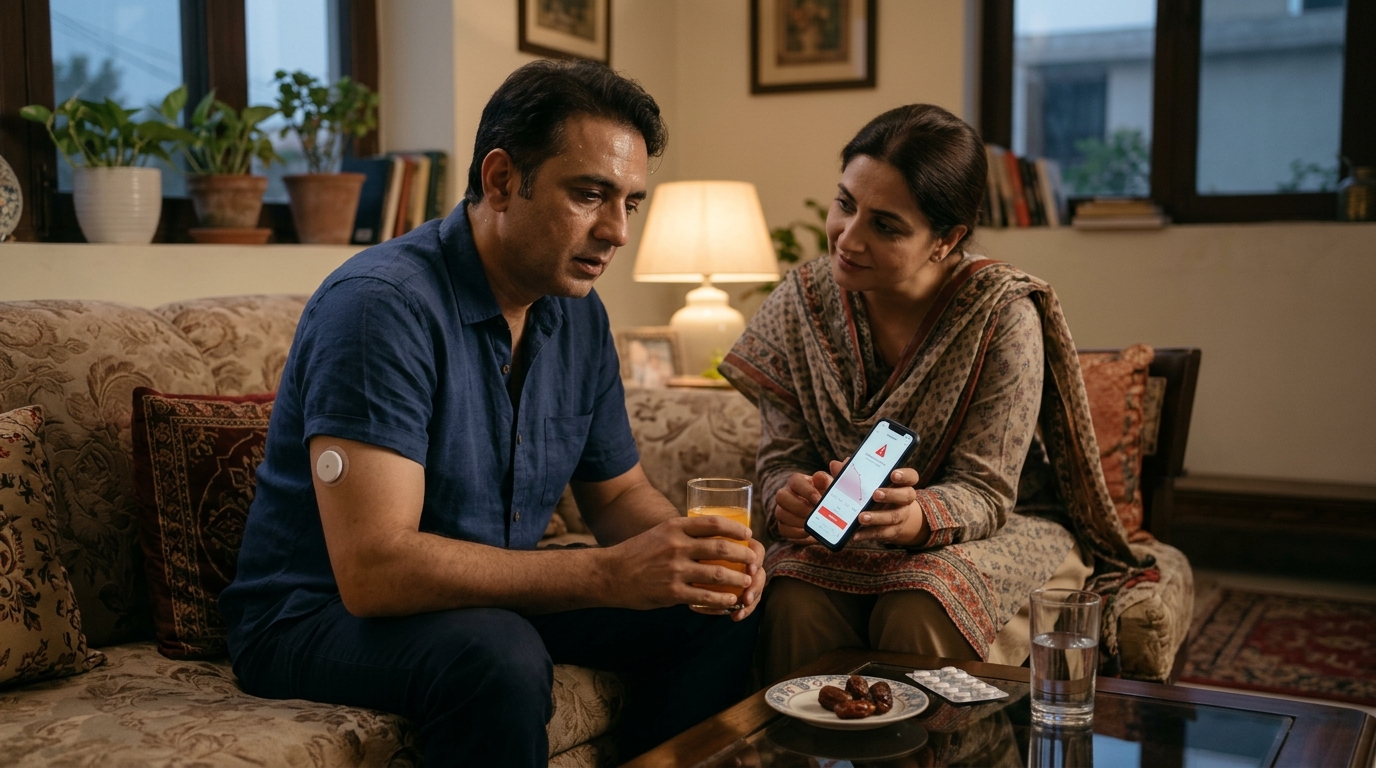
Place the person on their side in the recovery position, call for emergency help straight away, and use glucagon if it has been prescribed and you have been trained to give it. In Pakistan you can call an ambulance service such as Edhi (115), or Rescue 1122 where it operates, and go to the nearest hospital without delay. Stay with the person until help arrives.
Prepare in Advance
Families should know where glucose and glucagon are kept, how to use them and which hospital to go to. Ask your doctor whether glucagon is suitable for you, and make sure at least one family member or colleague understands what to do.
Low Blood Sugar Symptoms in Children
Children may not describe their symptoms well. Look for paleness, sweating, crying, sudden tiredness, unusual behavior, hunger, headache or poor concentration at school. Parents of children with type 1 diabetes should keep fast-acting sugar in the school bag, inform teachers and coaches, and consider continuous monitoring with alerts, which can be shared with a parent’s phone. Never leave a child with a suspected low alone.
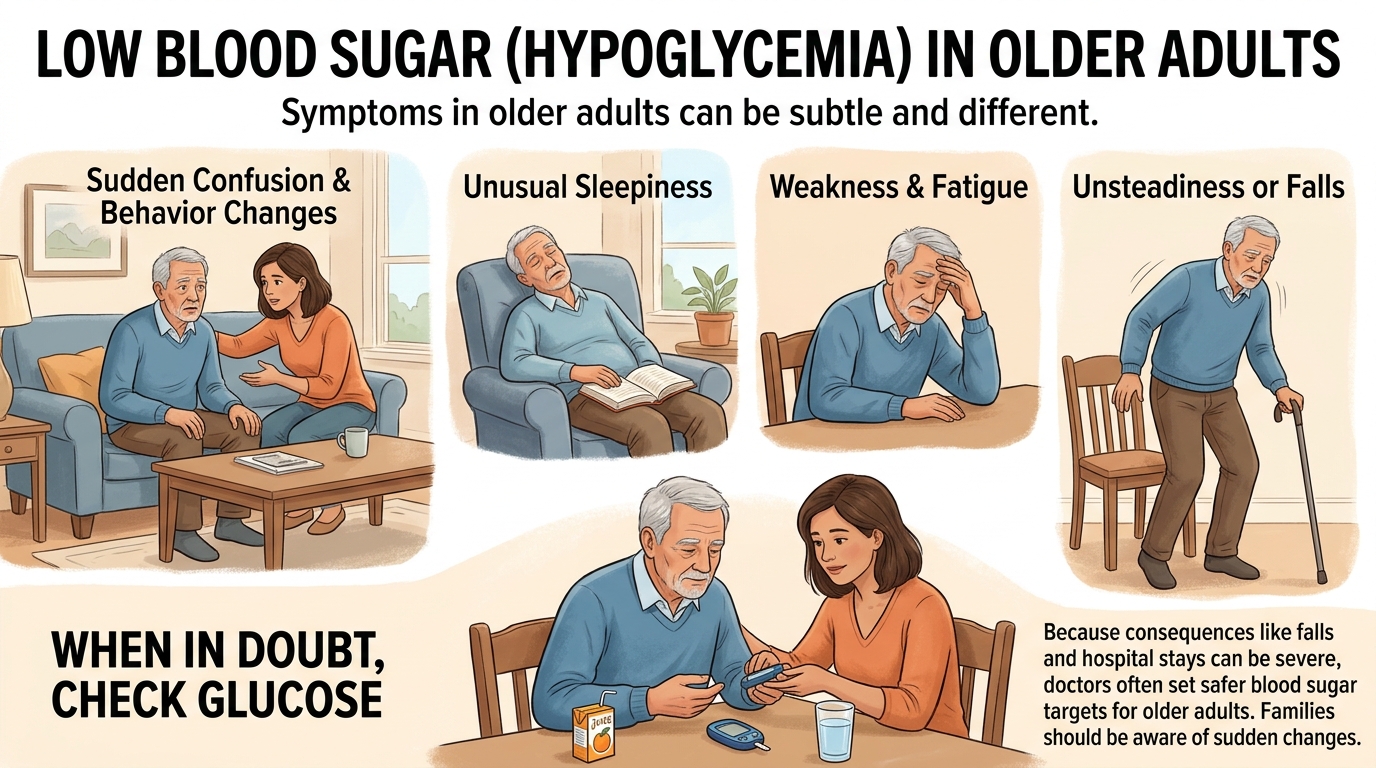
Low Blood Sugar Symptoms in Older Adults
Older adults may have fewer typical warning signs and more confusion, falls, weakness or unusual sleepiness. Because the consequences of a low can be severe, including injuries and hospital admission, doctors often set safer targets for older people. Families should be aware that sudden changes in behavior may be low blood sugar symptoms and check glucose when in doubt.
Low Blood Sugar Symptoms in Ramadan
When fasting, glucose tends to be lowest in the late afternoon. If you experience low blood sugar symptoms or a reading below the level advised by your doctor, usually 70 mg/dL, you should break your fast and treat the low. Religious scholars and doctors agree that protecting life and health takes priority. Before Ramadan, see your doctor to adjust medicines, plan meals and decide whether fasting is safe for you. Wearing a sensor during Ramadan lets you see exactly how your glucose behaves through the day and night.
Preventing Lows
Prevention is better than treatment, and a few habits reduce the risk greatly.
Match Medicine, Food and Activity
Take medicines as prescribed, eat regular meals, and talk to your doctor before changing your routine, such as starting an exercise program or fasting. If you use insulin, learn how to adjust doses for food and activity.
Keep Fast-Acting Sugar Everywhere
Keep glucose tablets or sugar sachets in your bag, pocket, car, workplace and bedside. Replace them regularly and make sure family members know where they are.
Check Before Driving and Exercise
Check your glucose before driving and before exercise, especially if you use insulin or sulfonylureas. Do not drive when your glucose is low or falling, and stop and treat symptoms immediately if they appear while driving.
Be Careful With Alcohol and Illness
Avoid alcohol on an empty stomach, and call your doctor early when you are sick and not eating normally.
Review Treatment Regularly
If you have frequent lows, your medicine may need to be changed. Never reduce doses by yourself, but do not ignore repeated lows either.
Wear Identification
Carry a card or wear a bracelet stating that you have diabetes and take insulin or other medicines, so that bystanders and emergency staff can help quickly.
How Monitoring Helps You Catch Lows Early
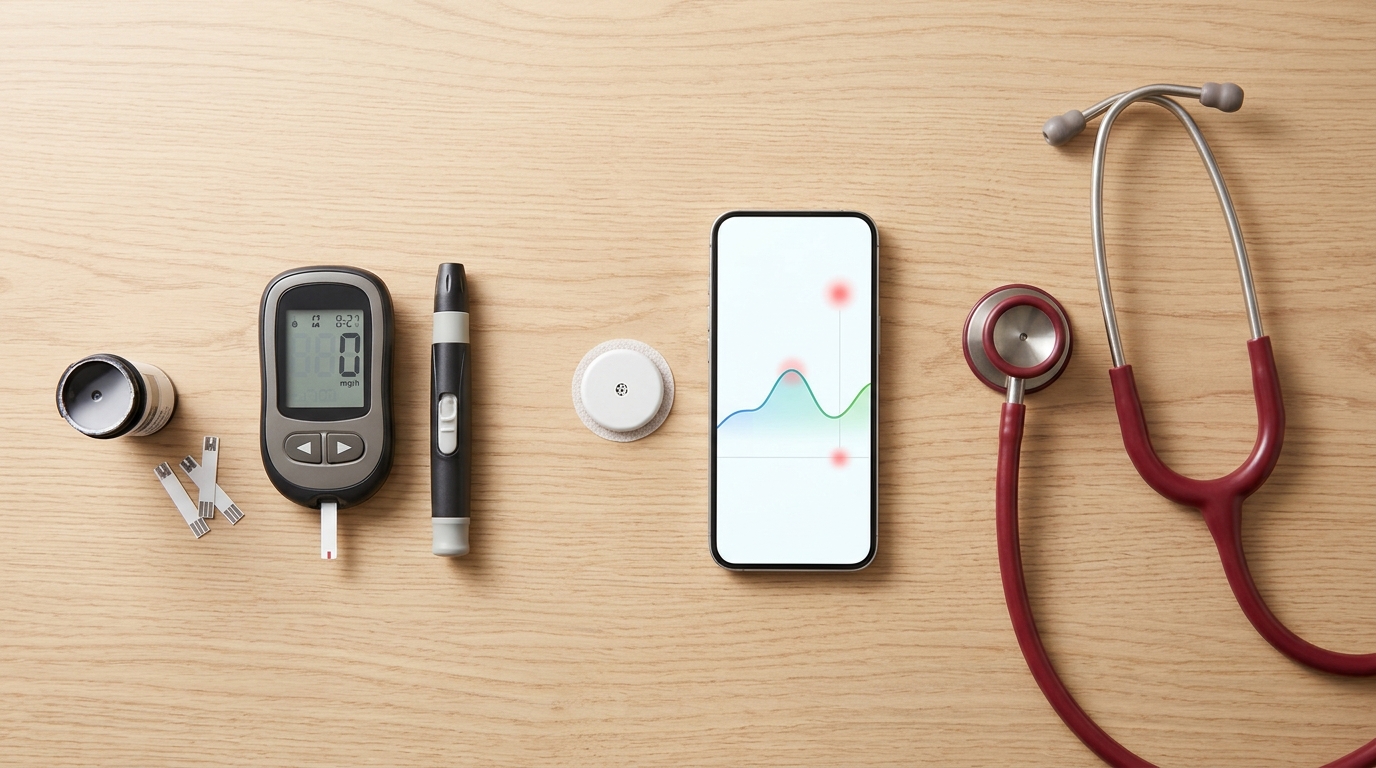
Fingerprick tests are useful when you feel symptoms, but they cannot warn you when you feel nothing, and they cannot show the trend. A continuous sensor changes this.
Trend Arrows and Predictive Awareness
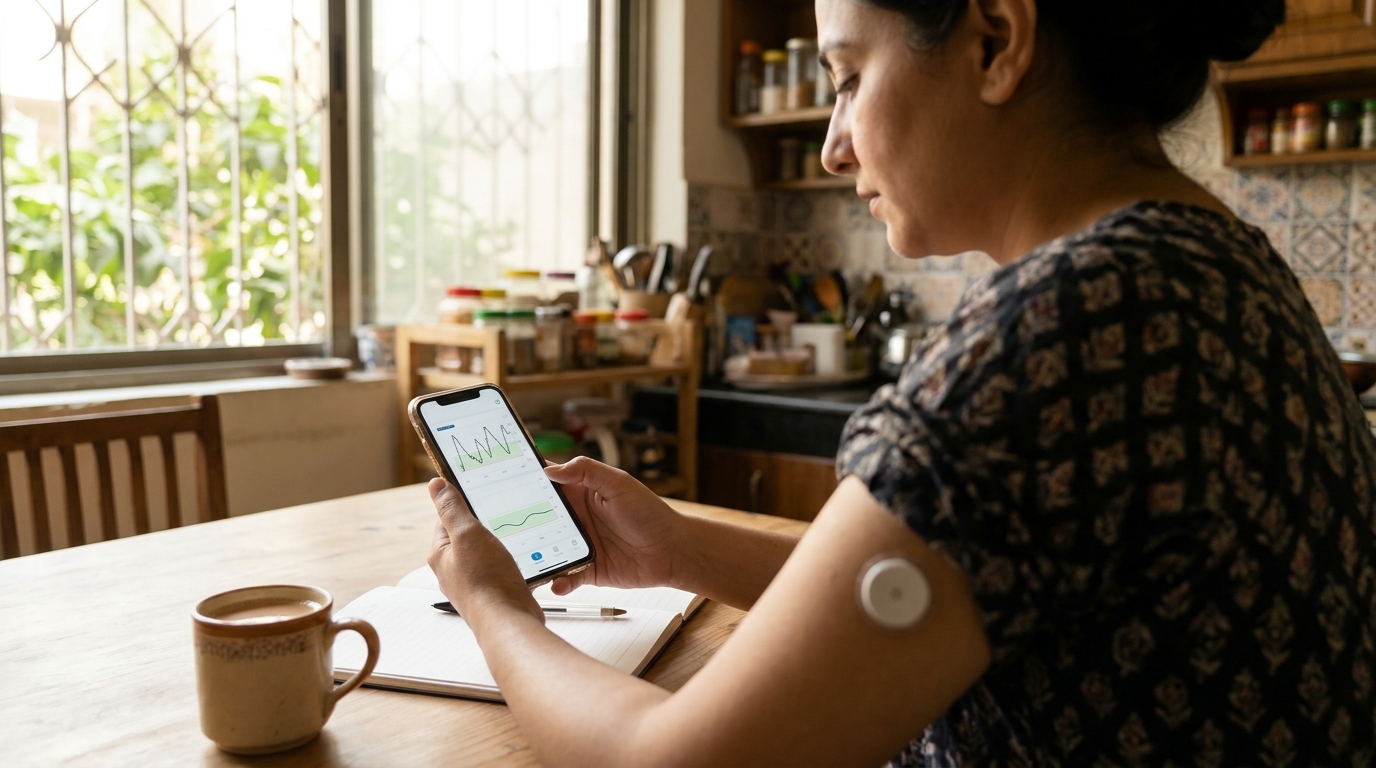
A glucose graph with a downward trend tells you that you are heading toward a low before you reach it. Acting early with a small amount of sugar is far easier than recovering from a deep low.
Real-Time Alerts
Alerts for low glucose can wake you at night or interrupt a busy day. They are especially valuable for people with hypoglycemia unawareness, people who live alone and parents of children with diabetes.
Sharing With Family
The iCan CGM, according to the information on the iCan CGM Pakistan store, is a 15-day continuous glucose monitor with no scanning and no fingerpricks, real-time alerts and a reading every three minutes. It offers up to 7,160 readings per sensor, an adult MARD of 8.71 percent and IP28 water resistance. Through the iCan Reach app, a spouse, parent or caregiver can follow your readings and receive alerts when you share your data. This remote view can be reassuring when a family member is traveling, living alone or sleeping in another room.
Interpreting Sensor Readings During Lows
During a rapid fall, sensor readings can lag behind blood glucose by several minutes. If you have symptoms that do not match your sensor, or if your sensor shows a low but you feel fine, confirm with a fingerprick when possible, and always treat symptoms seriously. Your doctor can advise how to respond to your alerts.
If you are new to sensors, the how to use guide explains application, the bundle options help you plan monitoring across several cycles, and the store FAQ page answers common questions. You can also learn more about the company on the about page, and read more articles on the iCan CGM blog.
Mistakes to Avoid
Do not ignore low blood sugar symptoms because you are busy, since they usually get worse. Do not treat a low with chocolate or heavy foods that act slowly. Do not skip checking after treatment, because glucose may fall again. Do not drive until you have fully recovered, which can take at least fifteen to thirty minutes after your glucose is back to normal. Do not stop medicines by yourself because you are afraid of lows, since that can lead to dangerously high glucose, and talk to your doctor instead. Finally, do not hide your condition from colleagues and friends, since a little knowledge in the people around you can be lifesaving.
When to Speak to a Doctor
See your doctor if you have more than occasional lows, if you have any severe low, if you have lows at night, if you no longer feel warning signs, or if you have low blood sugar symptoms without having diabetes. Take your sensor reports with you, since they help your doctor identify the times and causes of lows and adjust treatment. Seek emergency care for seizures, loss of consciousness or confusion that does not improve after treatment. This article is educational and does not replace personal medical advice.
What People Often Ask About Hypoglycemia
What are the first low blood sugar symptoms?
The first low blood sugar symptoms are usually shakiness, sweating, a fast heartbeat, sudden hunger, anxiety, pale skin and tingling around the lips. If you notice them and you have diabetes, check your glucose if you can, and treat with fast-acting sugar if it is below 70 mg/dL or if you cannot check and the symptoms are strong.
How quickly should I treat low blood sugar?
Immediately. Delay allows glucose to fall further and symptoms to become severe. Take about 15 grams of fast-acting carbohydrate, wait fifteen minutes and recheck. Repeat if your glucose is still low, and eat a snack afterward if your next meal is not due soon.
Can I have low blood sugar symptoms with a normal reading?
Yes. People whose glucose has been high for a long time may feel low blood sugar symptoms at higher numbers, and anxiety or other conditions can mimic the symptoms. If symptoms keep happening with normal readings, talk to your doctor.
Can low blood sugar happen at night without my knowing?
Yes, and this is one of the main dangers. Night sweats, nightmares, morning headaches or unexplained high morning readings can be clues, but many nocturnal lows are silent. A continuous sensor with alerts offers much better protection than occasional fingerpricks.
What should family members know?
They should know the low blood sugar symptoms, where fast-acting sugar is kept, never to give food or drink to someone who is unconscious, how to place a person on their side and how to call emergency help. If glucagon is prescribed, they should learn how to use it before an emergency happens.
Final Thoughts
Low blood sugar symptoms can appear fast and can range from a slight tremor to a life-threatening emergency, but they are also highly treatable when recognized early. Learn the signs, keep fast-acting sugar close, understand the causes in your own life, prepare for Ramadan and travel, and teach the people around you what to do. A continuous sensor with real-time alerts adds a valuable safety net, particularly at night and for people who no longer feel their warnings. If you want to see lows coming before they reach you, explore the iCan CGM at icancgm.pk and protect yourself and your family.