High Blood Sugar Symptoms: Early Warning Signs, Causes and What to Do in Pakistan
Many people discover that they have diabetes only when they land in a hospital with extreme thirst, blurred vision or a wound that will not heal. Others live for years with silent, creeping high glucose and feel only vague tiredness that they blame on work, age or the weather. Learning to recognize the high blood sugar symptoms early gives you a chance to act before damage is done. It could be the difference between a simple change in treatment and a serious complication.
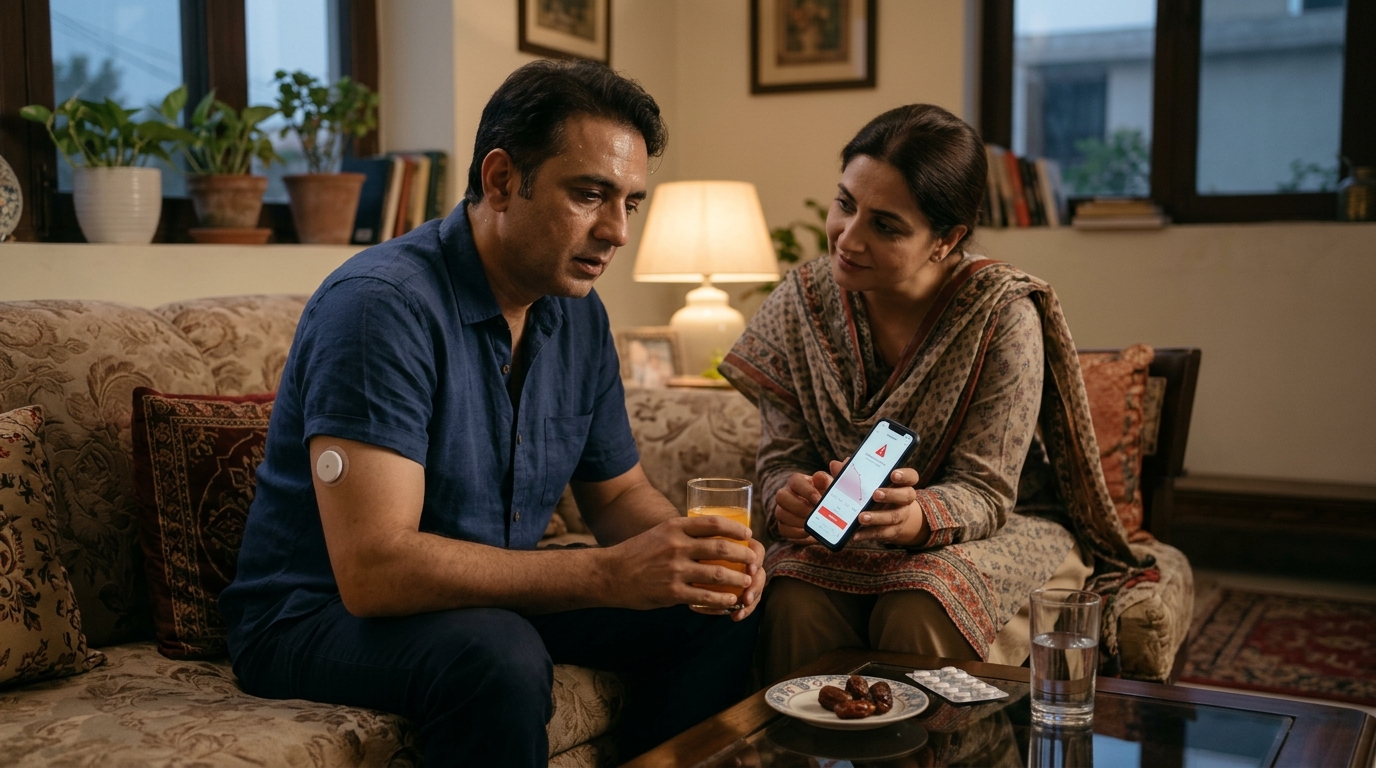
This matters enormously in Pakistan. According to the IDF Diabetes Atlas 2025, about 34.5 million adults in the country were living with diabetes in 2024, with one of the highest prevalence rates in the world, and roughly a quarter of adults with diabetes were estimated to be undiagnosed. Many of those people are walking around with high blood sugar symptoms they have not connected to diabetes. A continuous glucose monitor in Pakistan can reveal highs that you do not feel, but knowing the high blood sugar symptoms remains the first line of defense.
In this guide we explain the high blood sugar symptoms from early to severe, why they appear, which causes are common in Pakistani life, how symptoms differ in children and older adults, which emergencies to recognize, what to do at home and when to seek urgent care. This article is for education only and does not replace advice from your doctor.
What Is High Blood Sugar?
High blood sugar, or hyperglycemia, means that the glucose in your blood is higher than the range your body can handle comfortably. In a person without diabetes, fasting glucose is generally below 100 mg/dL, and levels rarely rise above 140 mg/dL after meals. In people with diabetes, a common target is to keep glucose between 70 and 180 mg/dL for most of the day, and readings above that range count as high, with readings above 250 mg/dL needing particular attention.
Why High Glucose Causes Symptoms
When glucose is high, the kidneys try to remove the excess through urine, which pulls water out of the body. This causes thirst, frequent urination and dehydration. High glucose can also change the shape of the lens in the eye, slow healing, feed infections and leave cells starved of energy even though glucose is abundant in the blood, because insulin is missing or not working. These mechanisms explain the typical high blood sugar symptoms.
Symptoms May Be Absent
Importantly, many people have no clear high blood sugar symptoms until glucose is quite high, often above 180 to 250 mg/dL, and some have none even then. This is why diabetes can go unnoticed for years, and why screening and monitoring matter.
Early High Blood Sugar Symptoms
The earliest signs are subtle and easy to explain away.
Increased Thirst and Dry Mouth
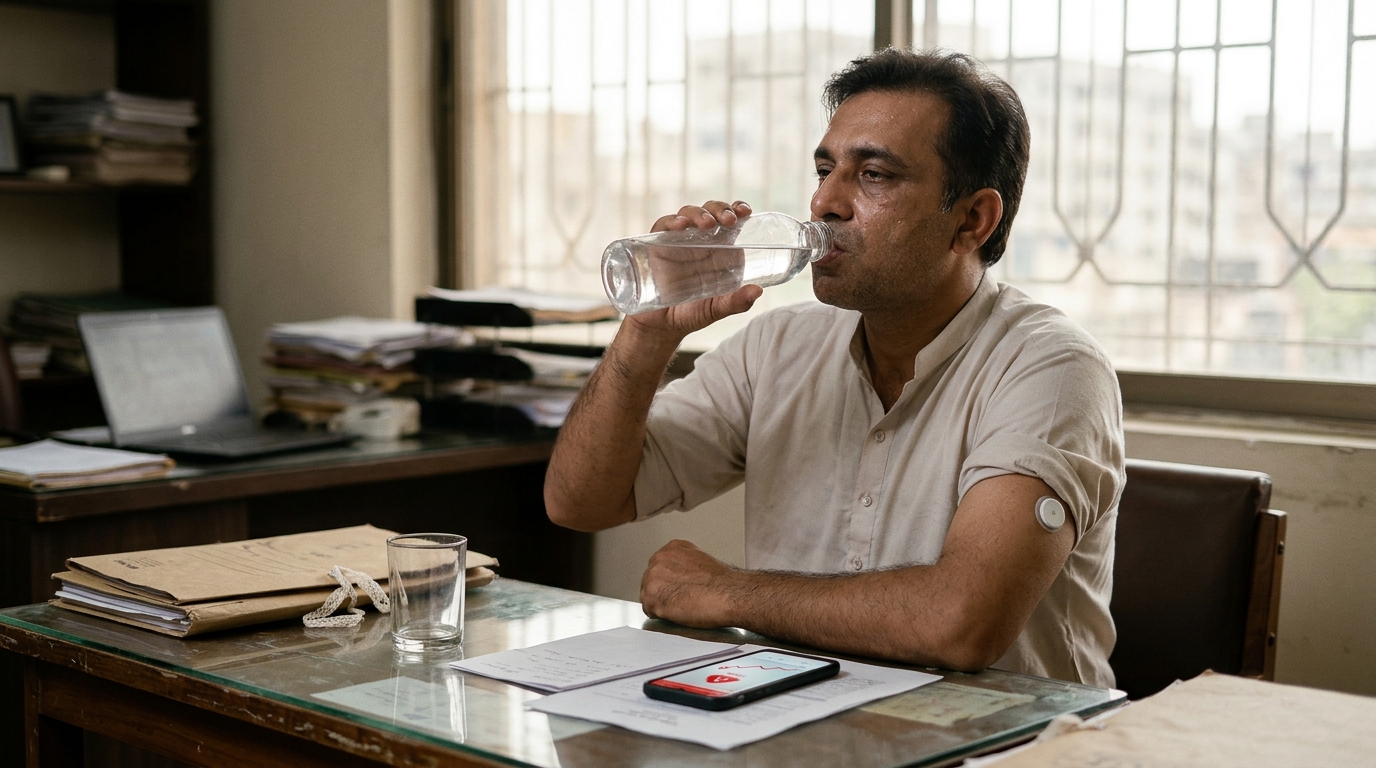
An unusual, hard-to-quench thirst is one of the most classic high blood sugar symptoms. You may find yourself drinking glass after glass of water, waking at night to drink, or having a dry, sticky mouth. In summer people blame the heat, but if thirst is out of proportion, consider checking glucose.
Frequent Urination
Passing urine more often, including at night, is closely linked to thirst. The kidneys flush out extra glucose along with water, so trips to the bathroom increase. Children may start wetting the bed after having been dry for a long time.
Fatigue and Weakness
When cells cannot use glucose properly, you feel tired and weak, even after a full night’s sleep. Many people describe heaviness in the body and a loss of energy that they cannot explain.
Headache and Difficulty Concentrating
High glucose can cause headaches, mental fog and trouble concentrating. Work performance and school results may suffer, and the cause is often missed.
Blurred Vision
Changes in the fluid balance of the eye lens can cause temporary blurring. If your vision goes in and out of focus, check your glucose before changing your glasses, and see an eye doctor if it continues.
Later and More Specific Symptoms
When high glucose continues for weeks or months, other problems appear.
Slow-Healing Cuts and Frequent Infections
Wounds, boils and ulcers heal slowly, and infections of the skin, gums, urinary tract and genital area become frequent. Recurrent fungal infections, itching and skin tags can be clues. Foot injuries deserve special attention because they can become serious quickly.
Itchy, Dry Skin
Dry skin from dehydration, poor circulation and nerve changes can cause itching, especially on the legs and feet. Dark, velvety patches in skin folds, called acanthosis nigricans, can signal insulin resistance.
Unexplained Weight Loss
When the body cannot use glucose properly, it starts breaking down fat and muscle for energy, causing weight loss despite normal or increased appetite. This is a more typical sign in type 1 diabetes and in advanced or untreated type 2 diabetes.
Increased Hunger
Despite high glucose in the blood, cells are starved of energy, so the brain signals hunger. People may eat more and still feel unsatisfied.
Numbness, Tingling and Burning
Prolonged high glucose can damage nerves, causing tingling, numbness, burning or sharp pain in the feet and hands, often worse at night. This is a sign of neuropathy and needs medical assessment.
Sexual Problems and Changes in Menstrual Pattern
Men may notice erectile difficulties, and women may notice irregular periods, recurrent vaginal infections or fertility problems, all of which can be linked to long-standing high glucose or conditions such as polycystic ovary syndrome.
Severe High Blood Sugar Symptoms and Emergencies
Very high glucose can cause dangerous conditions that need hospital care.
Diabetic Ketoacidosis
When there is not enough insulin, the body breaks down fat and produces acids called ketones. This leads to diabetic ketoacidosis, most common in type 1 diabetes but possible in type 2 too. Symptoms include nausea, vomiting, abdominal pain, deep and rapid breathing, fruity or nail-polish-like breath, extreme thirst, drowsiness and confusion. It can develop within hours to days, especially during illness or when insulin is missed.
Hyperosmolar Hyperglycemic State
This condition mainly affects older adults with type 2 diabetes. Glucose becomes extremely high, often over 600 mg/dL, with profound dehydration, weakness, confusion, drowsiness and sometimes seizures or coma, usually without strong ketones. It tends to develop over days, often with infection, dehydration or missed medicines.
When to Go to the Hospital
Go to the hospital immediately if you have vomiting that does not stop, abdominal pain, rapid breathing, fruity breath, confusion, extreme drowsiness, inability to drink, moderate or large ketones, or a very high glucose that does not come down. Do not wait for the next morning.
High Blood Sugar Symptoms in Children
In children and teenagers, high blood sugar symptoms are often the first sign of type 1 diabetes. Watch for increased thirst, frequent urination, new bedwetting, tiredness, weight loss, hunger, blurred vision, irritability and stomach pain. Some children present in ketoacidosis because the early symptoms were missed. If you notice these signs, arrange a glucose test the same day, and do not wait to see whether they pass. In children already diagnosed, high readings with vomiting or abdominal pain should prompt an immediate call to the doctor and a ketone check.
High Blood Sugar Symptoms in Older Adults
Older people may have fewer classic symptoms. They may simply seem more tired, confused, dehydrated or weak, or develop frequent infections or falls. Because thirst sensation declines with age, they may not drink enough, and the risk of hyperosmolar state rises. Families should watch for new confusion, reduced appetite, sleepiness or changes in behavior, and check glucose when in doubt.
High Blood Sugar Symptoms in Pregnancy
Gestational diabetes often has no symptoms, which is why screening in pregnancy is routine. When symptoms appear, they include excessive thirst, frequent urination, fatigue and recurrent infections, although many of these overlap with normal pregnancy. Untreated high glucose in pregnancy can affect the baby’s growth and the mother’s health, so follow your obstetrician’s advice on testing and monitoring. The IDF Diabetes Atlas 2025 reports a high burden of hyperglycemia in pregnancy in Pakistan, so awareness is especially valuable.
Common Causes of High Blood Sugar
Understanding the causes helps you prevent and treat highs.
Food and Drinks
Large portions of rice, roti, sweets, sugary tea and cold drinks raise glucose quickly. A heavy meal at night or a high-carbohydrate breakfast can push readings up for hours. Even healthy foods such as fruit raise glucose if eaten in large amounts.
Missed or Inadequate Medicine
Forgetting doses, running out of medicine, using expired or incorrectly stored insulin, or taking too little for your needs can all cause highs. Insulin that has been exposed to heat or freezing may lose its effect.
Illness and Infection
Fever, flu, urinary infection, dental problems, typhoid, dengue and many other illnesses trigger stress hormones that raise glucose, as discussed in our guide on sick days. A sudden unexplained rise may be the first sign of an infection.
Stress and Poor Sleep
Emotional stress, financial worry, family problems and lack of sleep raise cortisol and adrenaline, increasing glucose. Many people see higher readings during exams, travel or difficult weeks.
Inactivity
Sitting for long hours reduces glucose uptake by muscles. A sedentary desk job, long commutes and heat that discourages outdoor activity add up.
Medicines That Raise Glucose
Steroids such as prednisolone and dexamethasone, some blood pressure medicines, certain psychiatric medicines and others can increase glucose. Always tell any prescriber that you have diabetes or prediabetes.
Dehydration and Heat
Dehydration concentrates glucose in the blood and raises stress hormones, so highs are more common during hot weather and fasting, as explained in our hydration guide.
Dawn Phenomenon
A natural early-morning hormone surge can raise glucose before breakfast, so a high fasting reading does not always mean you ate badly the night before.
Undiagnosed or Progressing Diabetes
Sometimes the cause is simply that diabetes has not yet been diagnosed or has progressed, and treatment needs to be started or intensified. The IDF Diabetes Atlas 2025 estimates that around 26.9 percent of adults with diabetes in Pakistan are unaware of their condition, so unexplained high blood sugar symptoms should never be ignored.
What to Do When You Have High Blood Sugar Symptoms
Your response depends on how high your glucose is, how you feel and whether you already have diabetes.
If You Have Never Been Diagnosed
Book a test as soon as possible. A fasting glucose, random glucose, HbA1c or oral glucose tolerance test can confirm the diagnosis. Do not self-diagnose or self-treat with home remedies, since delaying care allows complications to develop.
If You Have Diabetes and a Mildly High Reading
Drink water, take your medicines as prescribed, avoid sugary drinks and consider a short walk if you feel well and have no ketones. Recheck in an hour or two and think about what may have caused the rise, such as a meal, missed dose, illness or stress.
If the Reading Is Very High
If your glucose is above 250 mg/dL, especially if you have type 1 diabetes, are ill or have symptoms such as nausea or abdominal pain, check for ketones if you have strips. Avoid exercise if ketones are present, drink fluids and call your doctor for advice on correction doses and next steps. If you cannot keep fluids down or feel drowsy or confused, go to the hospital.
Never Stop Insulin
If you use insulin, continue it during illness and high glucose unless your doctor tells you otherwise, and call early if you are unsure how to adjust the dose.
How Monitoring Helps You Catch Highs Early
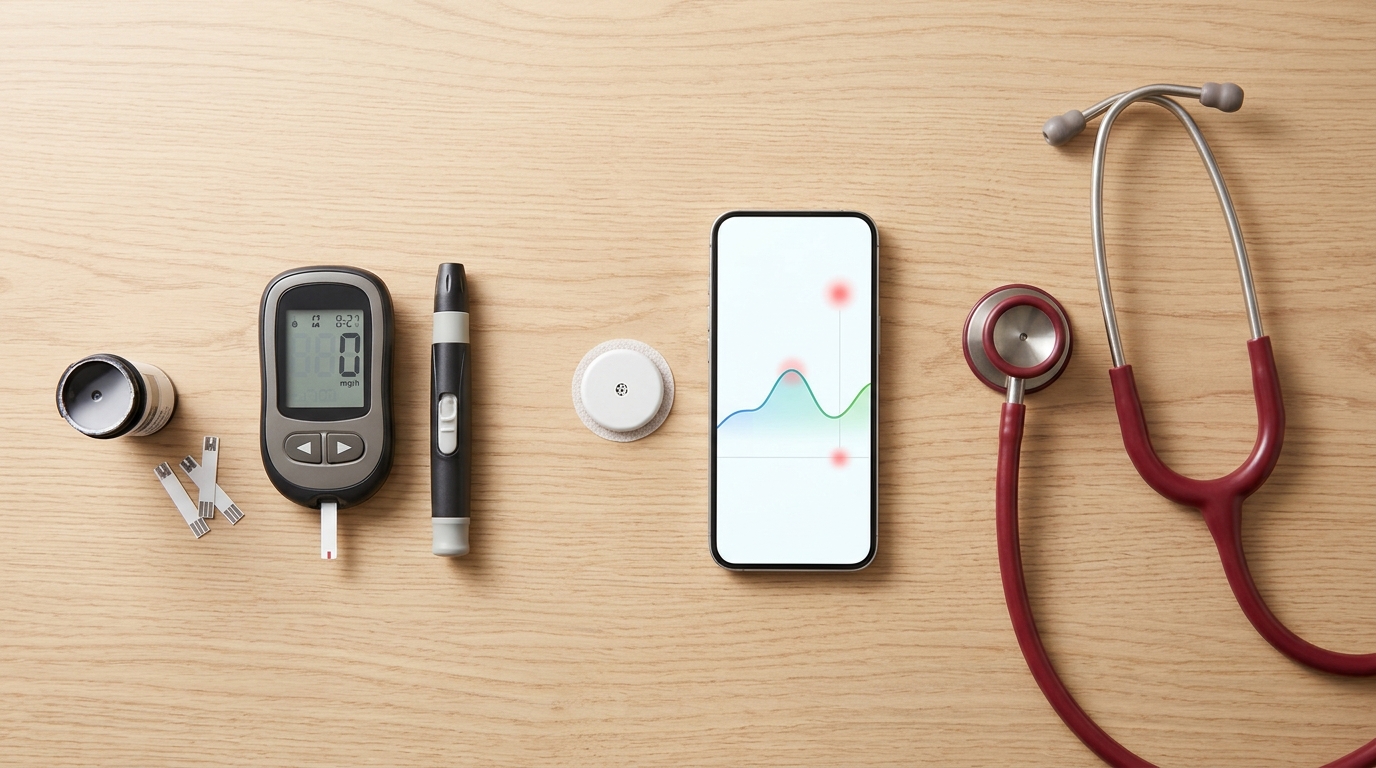
Because many highs cause no symptoms at all, relying on feelings is not enough. A sensor reveals the highs you do not feel, such as post-meal spikes and overnight rises.
Seeing the Cause and the Pattern
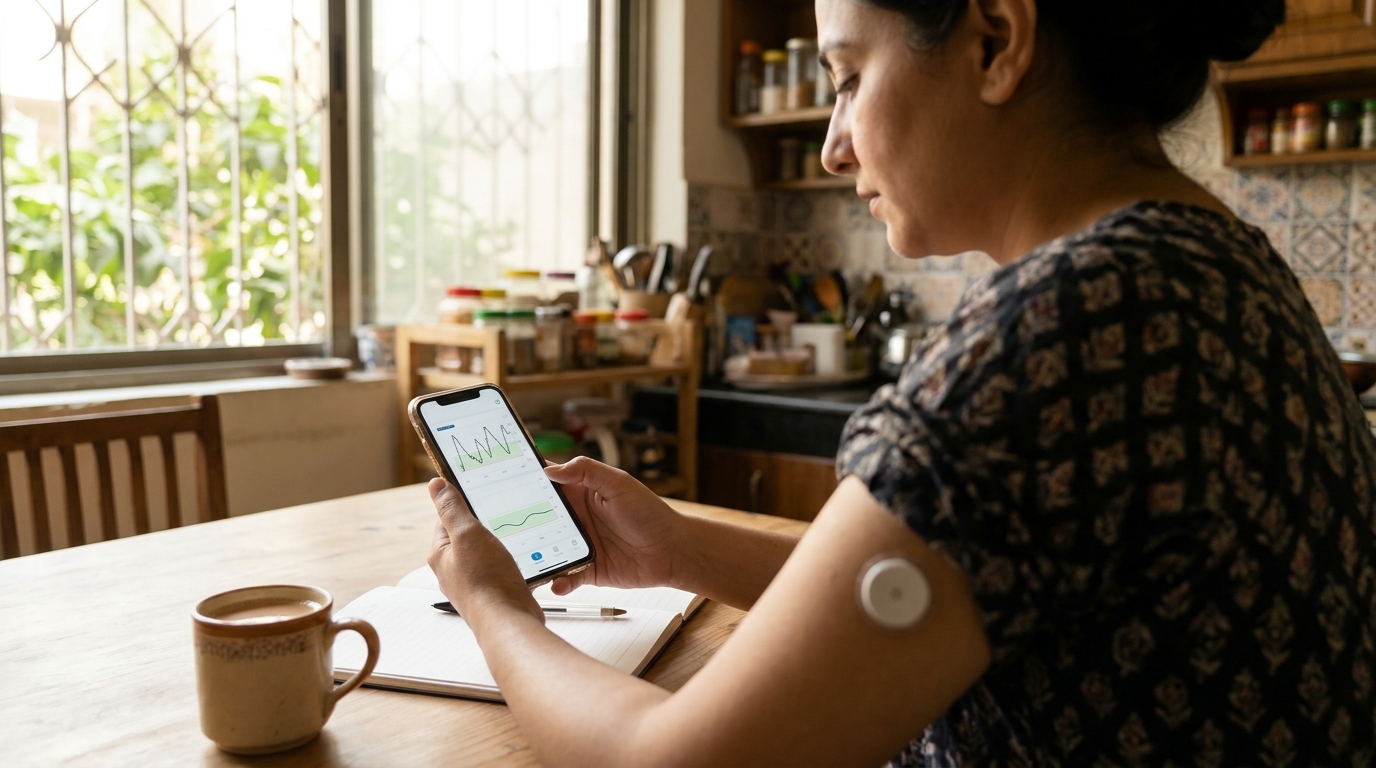
A continuous graph shows when glucose started to rise, how high it went and how long it stayed high. You may learn that your breakfast produces a large spike, that dinner raises your night glucose, or that stress on certain days pushes your numbers up. This knowledge guides better choices.
Real-Time High Alerts
Alerts can notify you when glucose crosses a threshold, so you can drink water, take a walk, check ketones or call your doctor sooner. This is especially useful during illness, when highs can escalate quickly.
Sharing With Family and Doctors
The iCan CGM, according to the information on the iCan CGM Pakistan store, is a 15-day continuous glucose monitor with no scanning and no fingerpricks, real-time alerts and a reading every three minutes. It provides up to 7,160 readings per sensor, an adult MARD of 8.71 percent and IP28 water resistance. With the iCan CGM app you can view trends and reports, and with the iCan Reach app a caregiver can follow your readings and receive alerts when you share your data. Sharing reports with your doctor allows more precise adjustments than a few fingerprick values can provide.
Limits of Sensor Readings
When glucose is very high or you are dehydrated, sensor readings may sometimes differ from fingerprick values. If your symptoms do not match your sensor, or if you feel very unwell, confirm with a fingerprick or ketone test and contact a doctor.
If you are new to sensors, the how to use guide explains application, the bundle options help you plan for longer monitoring, and the store FAQ page answers common questions. You can read more about the company on the about page, and find further educational articles on the iCan CGM blog.
Preventing Highs in Daily Life
Prevention is based on habits that you can build gradually.
Build Balanced Meals
Fill half your plate with vegetables, add protein such as daal, eggs, chicken or fish, and keep portions of roti and rice moderate. Limit sugary tea, bottled juices, cold drinks and sweets. Eat dinner earlier and avoid heavy late-night meals.
Move More
Walk for ten to fifteen minutes after meals, and aim for regular exercise most days as advised by your doctor. Break up long periods of sitting with short walks.
Take Medicines Consistently
Use reminders, a pill organizer or family support to avoid missed doses. Store insulin correctly, check expiry dates and keep backup supplies, especially during travel and festivals.
Drink Water and Manage Stress
Stay hydrated, sleep well and find healthy ways to reduce stress, such as walking, prayer, hobbies or talking with friends and family.
Get Regular Checkups
Schedule HbA1c tests, eye exams, kidney tests, foot exams and blood pressure checks as recommended. Early detection of complications makes treatment far more effective.
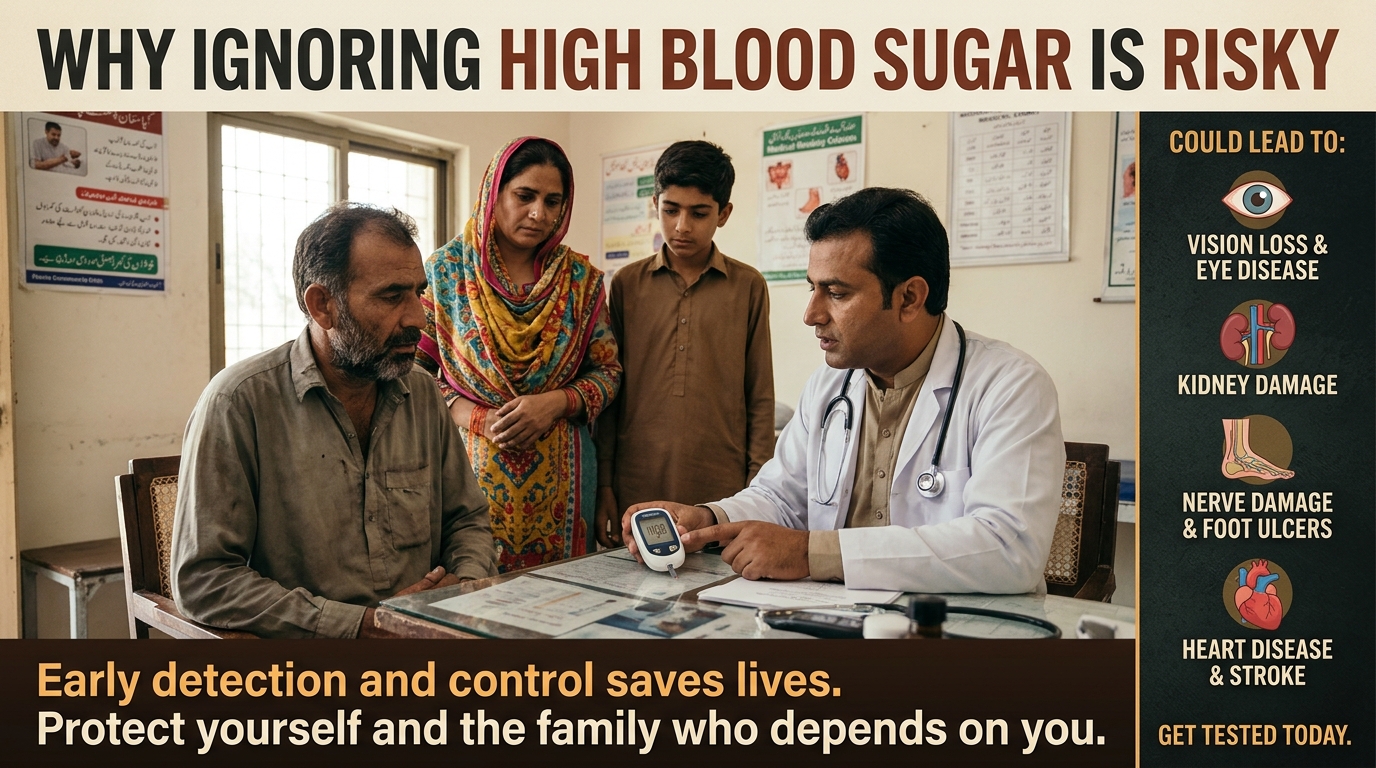
Why Ignoring High Blood Sugar Symptoms Is Risky
Persistent high glucose damages blood vessels and nerves over time. It can lead to eye disease and vision loss, kidney damage, nerve damage, foot ulcers and amputations, heart disease and stroke. The tragedy is that many of these complications are preventable or delayable through early recognition and steady control. Because so many people in Pakistan are undiagnosed or poorly controlled, paying attention to symptoms and testing early can protect not only individuals but also families who depend on them.
When to Speak to a Doctor
See a doctor promptly if you have persistent thirst, frequent urination, blurred vision, unexplained fatigue, slow-healing wounds, recurrent infections or numbness in your feet, even if you feel otherwise well. If you already have diabetes, speak to your doctor if your readings are repeatedly above target, if you have symptoms despite treatment or if you are ill. Seek emergency care for vomiting, abdominal pain, rapid breathing, fruity breath, confusion or drowsiness. This article is educational and does not replace personal medical advice, diagnosis or treatment.
Answers to Common Questions About Hyperglycemia
What are the most common high blood sugar symptoms?
The most common high blood sugar symptoms are increased thirst, frequent urination, fatigue, blurred vision and headache. Other signs include slow-healing cuts, frequent infections, itchy skin, unexplained weight loss and tingling in the hands or feet.
At what level do high blood sugar symptoms begin?
Many people begin to notice symptoms when glucose is above roughly 180 to 250 mg/dL, but this varies, and some people feel nothing even at very high levels. Do not rely on symptoms alone, and test or monitor regularly if you have diabetes or risk factors.
Can I have high blood sugar without feeling anything?
Yes, and this is common, especially in early type 2 diabetes. That is why many adults remain undiagnosed for years. Screening tests and continuous monitoring can reveal highs that you do not feel.
Is it safe to exercise when my sugar is high?
If your glucose is moderately high and you feel well with no ketones, light activity such as walking often helps lower it. If your glucose is very high, you have ketones, or you feel unwell, avoid exercise and call your doctor. People with type 1 diabetes should be particularly careful.
When are high blood sugar symptoms an emergency?
Go to the hospital if high glucose comes with vomiting, abdominal pain, rapid breathing, fruity breath, confusion, extreme drowsiness or inability to drink fluids. These can signal diabetic ketoacidosis or hyperosmolar hyperglycemic state, both of which are life-threatening.
Final Thoughts
High blood sugar symptoms are your body’s way of telling you that something is wrong, but they can be gentle, slow and easy to ignore. Thirst, frequent urination, tiredness, blurred vision, slow healing and recurrent infections deserve a glucose test, not an assumption. If you already have diabetes, learn your patterns, take medicines consistently, drink water, move regularly and watch for the emergency signs that need urgent care. A continuous sensor with real-time alerts shows the highs you cannot feel and helps you act before they become dangerous. To see what your glucose is doing right now, explore the iCan CGM at icancgm.pk and take the first step towards steadier numbers.