How Illness Affects Blood Sugar Levels: A Sick Day Guide for Pakistani Families
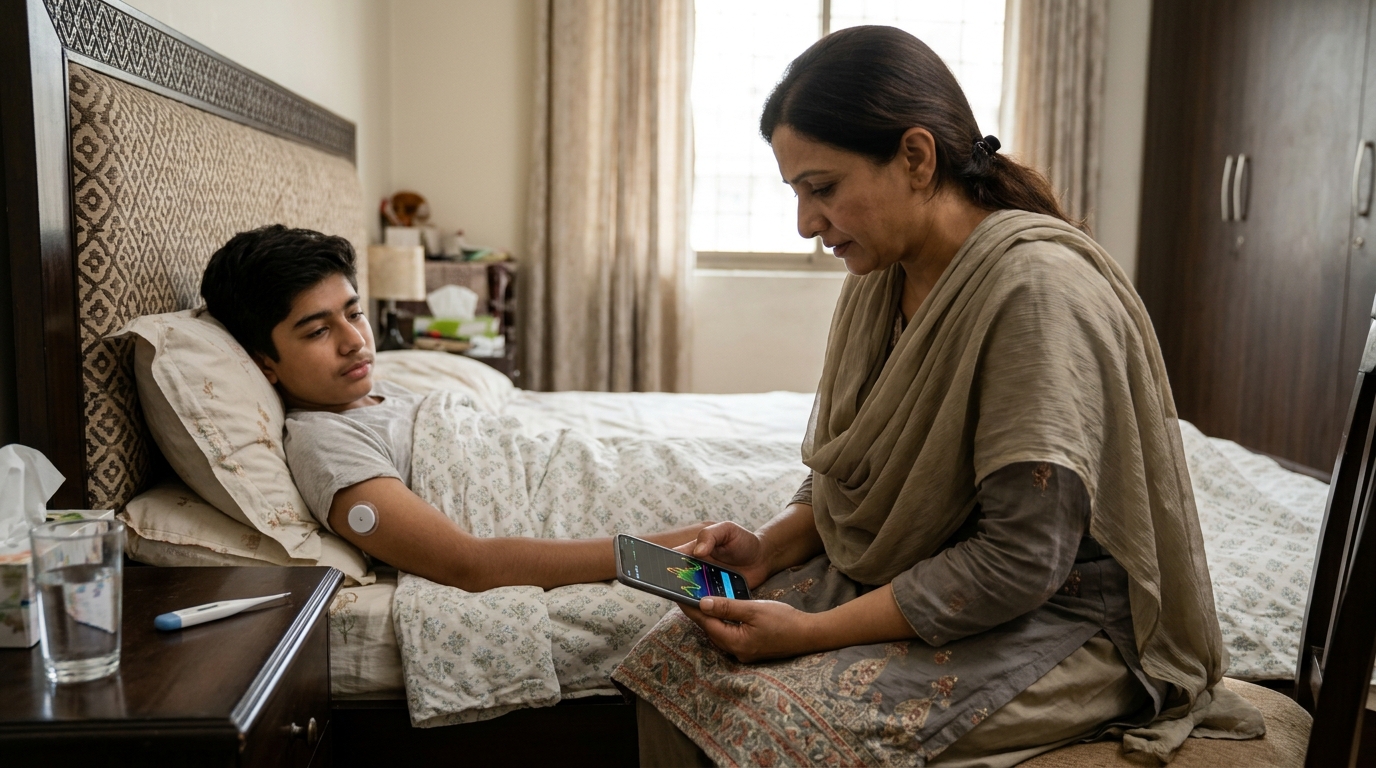
A fever, a stomach bug, a chest infection or a bout of dengue is unpleasant for anyone. For a person with diabetes, it can be a genuine medical challenge. Many families notice that when someone falls sick, their sugar readings suddenly go up, sometimes sharply, even when they are eating less than usual. Others see unexpected lows because appetite has vanished but medicines continue. Understanding how illness affects blood sugar levels is one of the most important skills for people with diabetes and their caregivers.
The need is great in Pakistan. The IDF Diabetes Atlas 2025 estimates that about 34.5 million adults in the country were living with diabetes in 2024, and our population faces frequent infectious diseases, including typhoid, dengue, malaria, hepatitis, respiratory infections and gastroenteritis, along with seasonal flu and other viral illnesses. When these illnesses meet diabetes, the combination can quickly become dangerous. Learning how illness affects blood sugar levels, and watching your numbers with a continuous glucose monitor in Pakistan, can help you respond early and avoid hospital admission.
This guide explains why sickness raises glucose, why it sometimes lowers it, how common infections in Pakistan behave, what sick day rules you should know, when ketones matter and how a sensor helps. It is for education only and does not replace the advice of your doctor.
Why Illness Disturbs Blood Sugar
When your body fights an infection or deals with injury, it enters a state of stress. This stress triggers a cascade of hormones and immune signals that change how your body handles glucose. This is the core of how illness affects blood sugar levels.
The Stress Hormone Response
During illness the body releases cortisol, adrenaline, glucagon and growth hormone. These hormones tell the liver to release more glucose and make muscles and fat less responsive to insulin. The idea is to provide extra energy for the immune system, which is a good strategy in a person without diabetes, because their pancreas simply produces more insulin. In a person with diabetes, the pancreas cannot keep up, so glucose rises.
Inflammation and Insulin Resistance
Inflammatory molecules called cytokines, released by the immune system, also interfere with insulin signaling. This increases insulin resistance, so the same dose of insulin or the same tablet may no longer be enough. People who normally need a modest dose may need more during illness, and this is something your doctor must guide.
Reduced Appetite and Fluid Loss
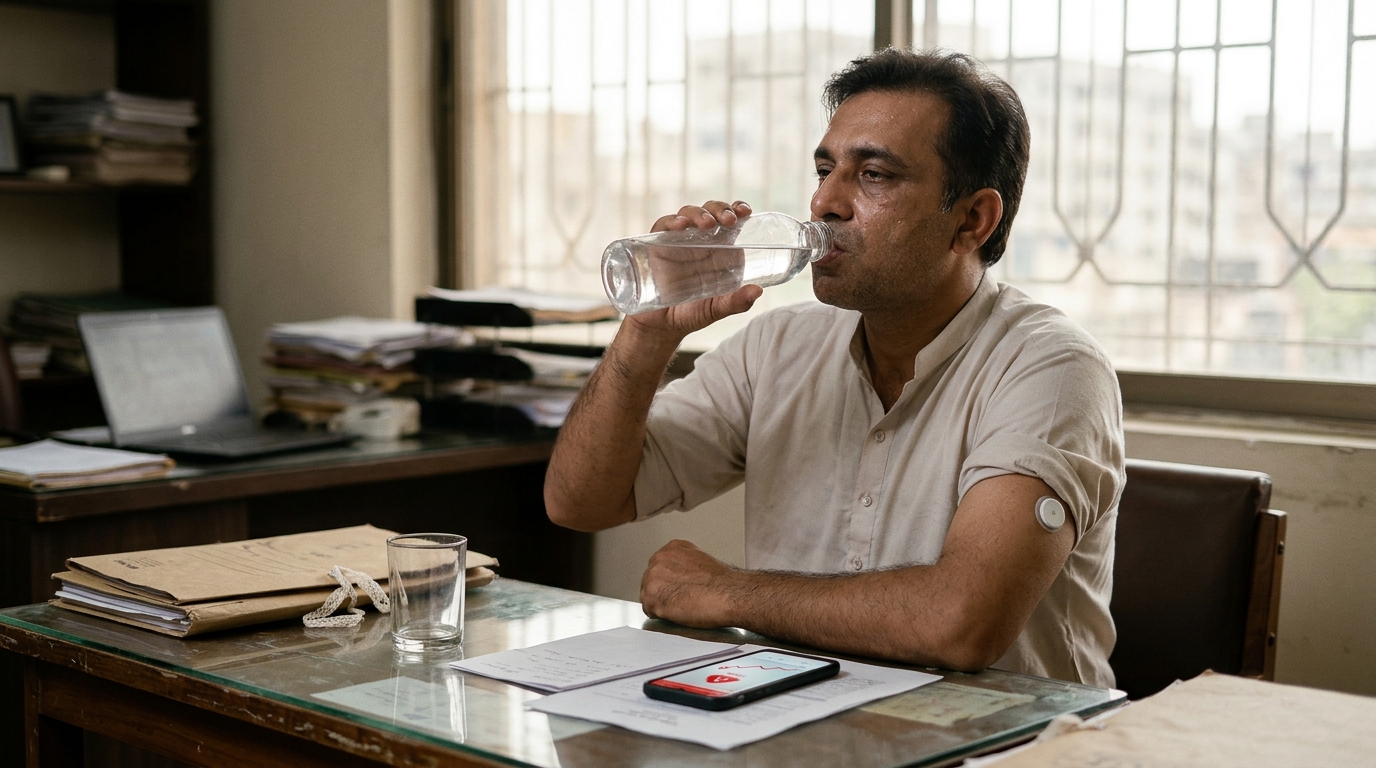
Illness often reduces appetite, so you may eat less, which can push glucose down, especially if you continue your usual medicines. Fever, vomiting and diarrhea cause fluid loss, which concentrates glucose and may lead to dehydration. The balance between higher stress hormones and lower food intake explains why how illness affects blood sugar levels differs from person to person and from one illness to another.
High Sugar or Low Sugar: Which Is More Likely?
In most infections, blood sugar tends to rise. This is why people with diabetes often see higher readings during a fever, cough, urinary infection or tooth abscess. However, lows can also occur, especially when vomiting, diarrhea, poor appetite or reduced kidney function are present while medicines such as insulin or sulfonylureas are continued.
Highs That Come Without Warning
A person may feel only mild tiredness and a slight sore throat, yet their glucose may already be climbing. Because high readings can occur before symptoms become obvious, a sensor that shows the trend can be an early warning that an infection is brewing.
Lows That Hide Behind Illness
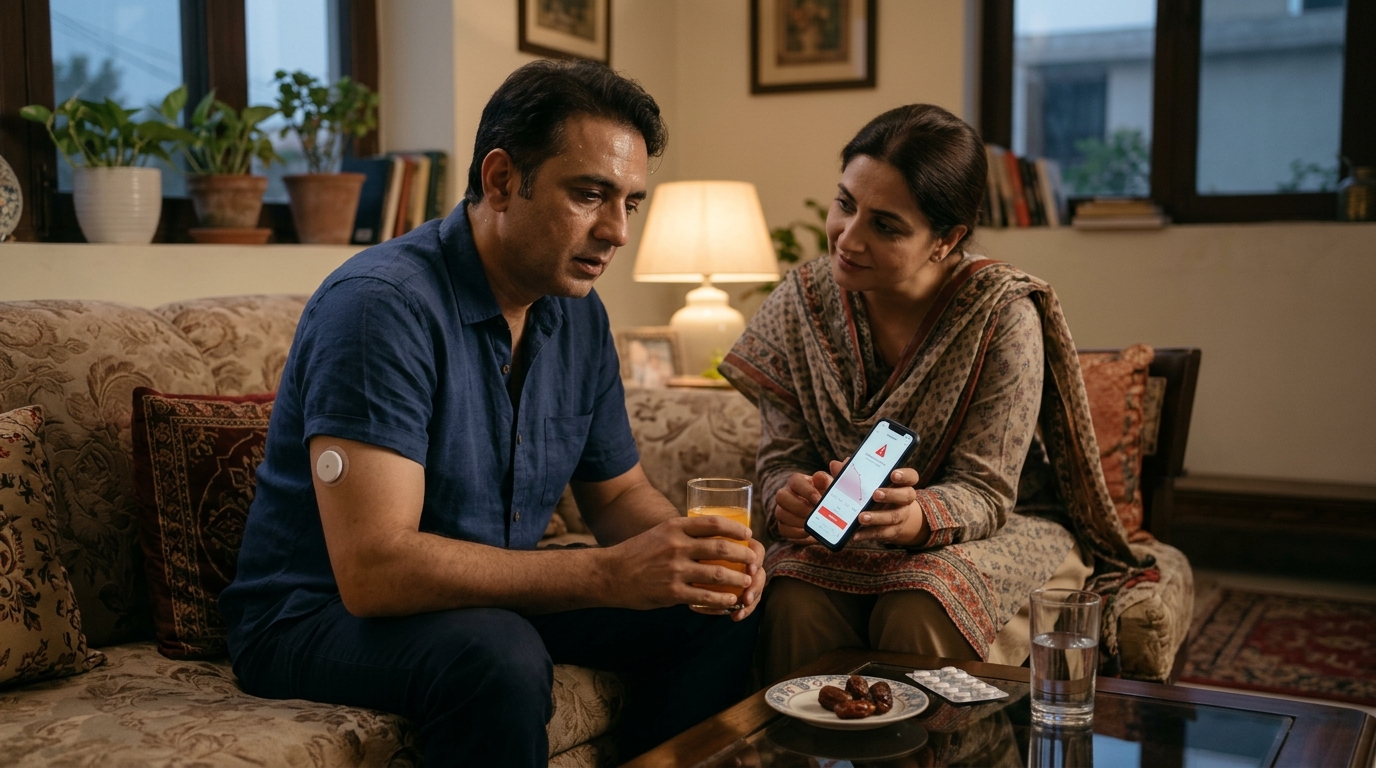
Symptoms of hypoglycemia, such as sweating, shakiness and confusion, may be mistaken for the illness itself. A child with fever and vomiting who is sweaty and drowsy could be dangerously low. This is why monitoring is so valuable during sickness, and why a real-time alert provides an extra margin of safety.
Common Illnesses in Pakistan and Their Effect on Glucose
Different illnesses affect glucose in different ways. Here is how some of the common ones behave.
Fever, Flu and Viral Infections
Seasonal flu, common colds and other viral infections usually raise glucose because of the stress response. Appetite may fall, and dehydration from fever and sweating can add to the rise. Most people need more frequent monitoring and plenty of fluids, and some need temporary adjustments in medicines.
Typhoid
Typhoid fever is common in Pakistan and can last for days or weeks. The prolonged fever, poor appetite and sometimes diarrhea can cause large swings in glucose. Some people have high sugar from the inflammatory response, while others, particularly those on insulin or sulfonylureas, experience lows because they are not eating. Close monitoring and medical supervision are essential.
Dengue
Dengue outbreaks occur in many parts of the country after the monsoon. The illness involves high fever, severe body aches, vomiting and sometimes low platelets and dehydration. Fluid management is critical, and glucose control becomes more difficult. People with diabetes who develop dengue should seek medical advice early, since the combination can lead to complications.
Malaria and Other Fevers
Malaria and other fevers can cause both highs and lows. Some antimalarial drugs and associated vomiting can influence glucose. A sensor provides a continuous view of what is happening, especially when fever cycles come and go.
Gastroenteritis, Food Poisoning and Diarrhea
Vomiting and diarrhea quickly cause dehydration and may stop you from keeping down food or medicines. This is one of the most dangerous scenarios for people on insulin or sulfonylureas, because low sugar can follow, and for those on certain other medicines because dehydration can affect the kidneys. Early medical advice and oral rehydration are important.
Urinary Tract and Skin Infections
Urinary infections, boils, foot ulcers, dental infections and wounds are common in diabetes and are strong triggers for high glucose. A sudden unexplained rise in readings may be the first sign of an infection. Foot infections need immediate attention, because they can progress quickly in people with nerve damage or poor circulation.
Chest Infections, Pneumonia and COVID-19
Respiratory infections are associated with a significant stress response and can lead to sustained high glucose, particularly in older adults. Some people need temporary insulin even if they usually manage with tablets. Respiratory illness also raises the risk of dehydration and low oxygen, so any breathlessness should be taken seriously.
Hepatitis and Liver Illness
Hepatitis B and C are prevalent in Pakistan, and liver disease can disrupt glucose regulation, causing either highs or lows depending on the stage of illness and medicines. People with chronic liver disease and diabetes need regular specialist follow-up.
Medicines That Change Glucose During Illness
Treatments for the illness itself may influence your sugar.
Steroids
Steroid medicines such as prednisolone or dexamethasone, often prescribed for asthma flares, allergies, inflammatory conditions and severe infections, can raise blood glucose significantly, often most in the afternoon and evening. If you are prescribed steroids, tell your doctor about your diabetes and monitor more closely, since you may need temporary dose adjustments.
Antibiotics and Other Drugs
Some antibiotics, particularly certain fluoroquinolones, have been associated with glucose disturbances in people with diabetes. Other medicines, such as decongestants, may raise glucose or blood pressure. Always inform any doctor or pharmacist that you have diabetes and check how new medicines may interact with your treatment.
Your Regular Diabetes Medicines
When you are sick, some medicines may need to be paused or adjusted. Doctors often advise caution with metformin, SGLT2 inhibitors, certain blood pressure medicines and diuretics during vomiting, diarrhea or dehydration, because they can affect the kidneys or increase the risk of serious complications. You should never stop or change medicines on your own, but you should call your doctor promptly for advice when you cannot eat or drink normally.
Insulin: Do Not Stop It
If you use insulin, one of the most important rules is to continue it during illness, even if you are not eating. The body still needs insulin, and in type 1 diabetes in particular, stopping it can lead to diabetic ketoacidosis. Doses may need to be increased because of insulin resistance, or in some cases reduced if you are vomiting and cannot eat, but this decision should be made with your doctor or diabetes team. Keep their contact number handy, and keep a written sick day plan.
Ketones and Dangerous Complications
When the body lacks enough insulin, it starts breaking down fat for energy, producing acids called ketones. In small amounts, ketones are harmless, but when they build up, the blood becomes acidic, a condition known as diabetic ketoacidosis.
Warning Signs of Ketoacidosis
Nausea, vomiting, abdominal pain, rapid or deep breathing, fruity-smelling breath, extreme thirst, drowsiness and confusion are warning signs. People with type 1 diabetes are at the highest risk, but it can occur in type 2 diabetes, especially during severe illness or with certain medicines. Ketone strips for urine or blood meters are available, and your doctor can tell you when to use them.
Hyperosmolar Hyperglycemic State
In older adults with type 2 diabetes, severe illness can cause extremely high glucose and profound dehydration without significant ketones, known as hyperosmolar hyperglycemic state. Symptoms include extreme thirst, weakness, confusion and drowsiness. It is a medical emergency.
When to Go to Hospital
Go to the hospital promptly if you have persistent vomiting, cannot keep fluids down, have moderate or large ketones, a glucose that stays very high despite treatment, severe abdominal pain, rapid breathing, confusion or drowsiness. Do not wait until the next day, since ketoacidosis and hyperosmolar states can worsen quickly.
Sick Day Rules in Simple Language
These general principles are used by many diabetes teams, and your doctor may give you a personalized version.
Keep Monitoring More Often
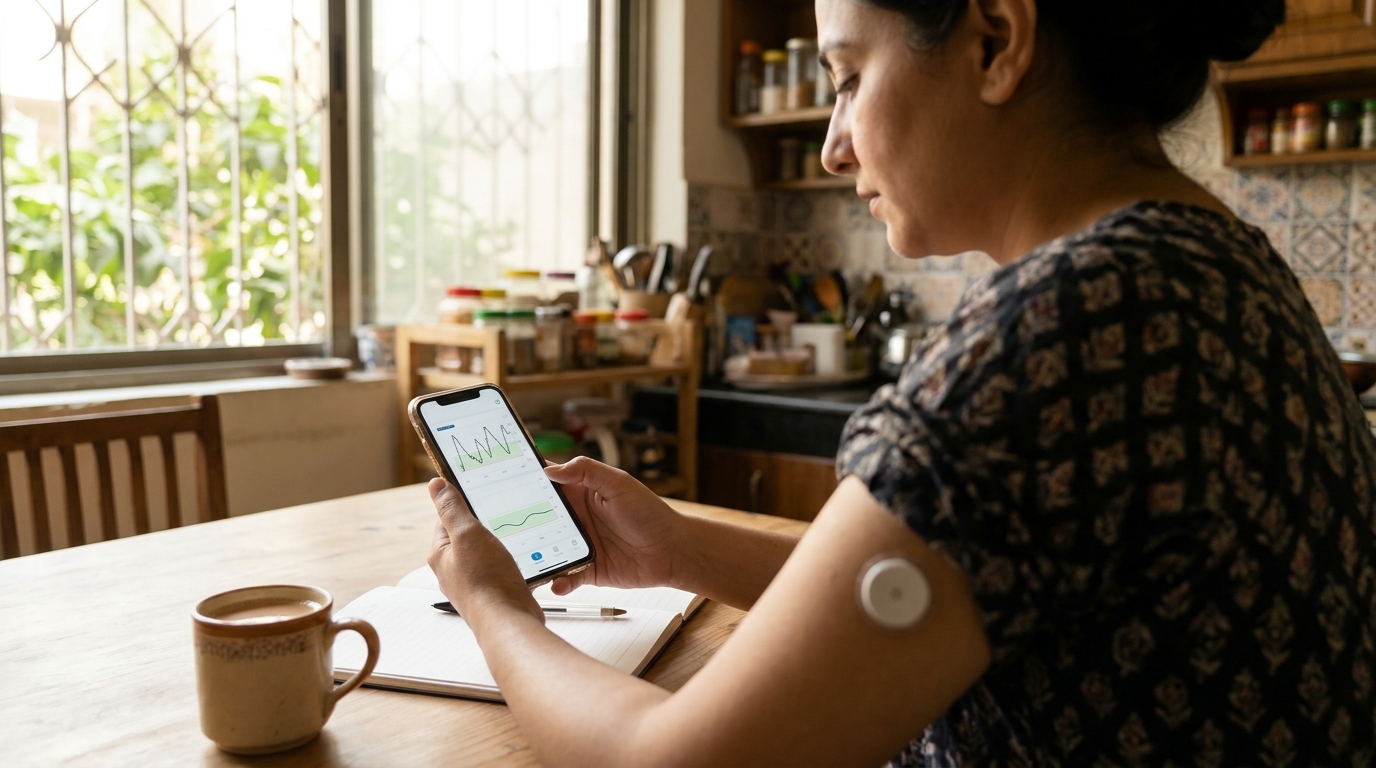
During illness, check your glucose every few hours, including at night if you can. A sensor makes this easier, because the readings are automatic and you can look at your phone without disturbing yourself. Watching the trend will help you understand how illness affects blood sugar levels in your own case, and it will help your doctor decide what to change.
Keep Drinking
Aim for small, frequent sips of water or sugar-free fluids if your glucose is high, and fluids containing some sugar if your glucose is low or you cannot eat. Oral rehydration solutions are useful during diarrhea and vomiting. Dehydration will worsen high glucose and can harm the kidneys.
Keep Eating if You Can
If your appetite is poor, try small, easy-to-digest foods such as khichdi, plain rice with yogurt, soup, toast, banana or dalia. If you cannot eat solid food, take liquids that provide some carbohydrate. If you are on insulin or sulfonylureas, ask your doctor how to adjust doses when intake is low.
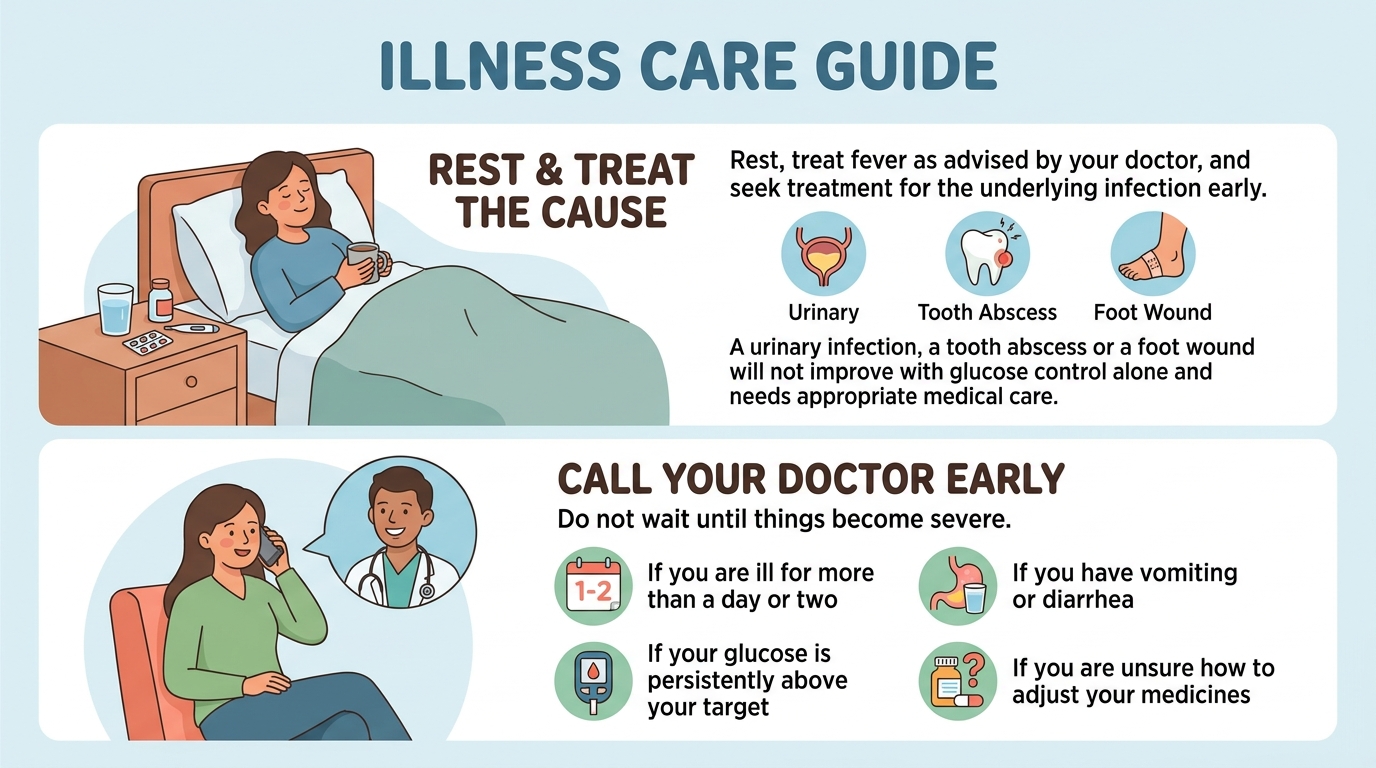
Rest and Treat the Cause
Rest, treat fever as advised by your doctor, and seek treatment for the underlying infection early. A urinary infection, a tooth abscess or a foot wound will not improve with glucose control alone and needs appropriate medical care.
Call Your Doctor Early
Do not wait until things become severe. Call your doctor if you are ill for more than a day or two, if your glucose is persistently above your target, if you have vomiting or diarrhea, or if you are unsure how to adjust your medicines.
How a Sensor Helps During Illness
When you feel ill, the last thing you want is to keep pricking your finger. A continuous sensor removes that burden and gives you far more information than periodic checks.
Spotting the Rise Early
A sensor can reveal a gradual climb in glucose hours before symptoms become obvious. This gives you an early warning that an infection may be developing and lets you start fluids, contact your doctor and monitor closely.
Protecting Against Lows
Real-time alerts can warn you of a falling glucose before you become symptomatic. During illness, when sweating, tiredness and confusion are common, it is easy to miss the signs of a low, and an alert can be lifesaving.
Night-Time Safety
Illness often disturbs sleep, and glucose can swing overnight. A sensor lets you review the whole night and can sound an alarm if your glucose goes too low or too high. This is especially reassuring for parents of children with type 1 diabetes, who often lose sleep during illness.
Remote Support for Families
The iCan CGM, according to the information on the iCan CGM Pakistan store, is a 15-day sensor with no scanning and no fingerpricks, real-time alerts and a reading every three minutes. With the iCan Reach app, a partner, parent or caregiver can follow your glucose and receive alerts when you share your data with them. For families where children, elderly parents or relatives live in different cities, this can transform how sickness is managed. The store lists an adult MARD of 8.71 percent and IP28 water resistance, which is useful when you are sweating through a fever or washing frequently.
A note on interpretation: during severe illness, dehydration or low perfusion, sensor readings may sometimes differ from fingerprick values. If your symptoms do not match your sensor reading, confirm with a fingerprick and speak to your doctor, particularly before making treatment decisions.
If you are new to sensors, the how to use guide explains application step by step, and the bundle options help you plan for continuous monitoring across more than one sensor cycle. The store FAQ page covers delivery, app use and common concerns, and the about page explains more about the company.
Special Groups: Children, Pregnancy and Older Adults
Some people need extra care when illness strikes.
Children and Teenagers
Children with type 1 diabetes can develop ketones and dehydration quickly. Parents should have a sick day plan, a supply of ketone strips, a working thermometer, and a doctor’s number. Never withhold insulin, and seek help if the child is vomiting or drowsy. A sensor with remote alerts offers peace of mind during sleepless nights.
Pregnancy
Illness in pregnancy, including gestational diabetes, can lead to difficult glucose control and affect both mother and baby. Contact your obstetrician or diabetes team early for any fever, vomiting or persistent high readings.
Older Adults
Older adults may have fewer typical symptoms, such as no fever or only mild confusion, even when seriously ill. A sudden rise in glucose, new weakness, poor appetite or unusual drowsiness should prompt a call to the doctor. Because they may live alone or lose their sense of thirst, family monitoring is especially valuable.
Recovery: Getting Back on Track
Glucose often takes several days to settle after an illness, since insulin resistance and inflammation fade gradually. Continue to monitor, return to your usual routine and medicines as advised, and tell your doctor if your numbers remain high or low. If you were prescribed steroids or temporary insulin, ask for clear instructions about reducing or stopping them safely. Keep a note of how your readings behaved during the illness, because this record will help you and your doctor handle the next one better.
Prevention and Preparedness
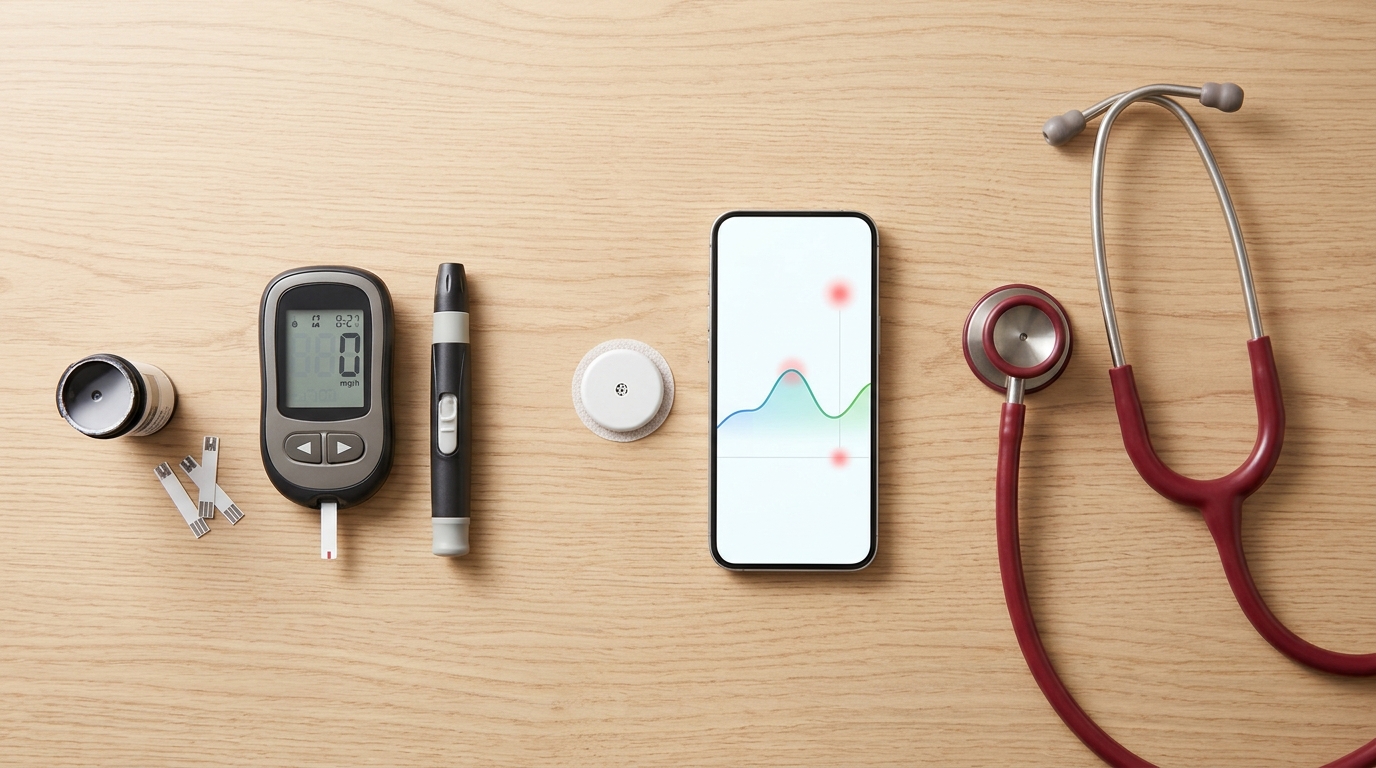
Staying up to date with recommended vaccinations, including influenza and pneumococcal vaccines where advised, can reduce the risk of severe infections. Good hand hygiene, safe drinking water, careful food handling, dental care and daily foot checks help prevent common infections. Keep a sick day kit at home with a thermometer, ketone strips, glucose tablets, oral rehydration salts, a list of medicines and your doctor’s number.
When to Talk to a Doctor
Call your doctor if you are sick for more than a day or two, if your glucose is persistently above your target, if you have vomiting or diarrhea, if you are on steroids, or if you are unsure how to adjust medicines. Go to the hospital if you have moderate or large ketones, severe abdominal pain, rapid breathing, confusion, extreme drowsiness or are unable to keep fluids down. This article is educational and does not replace personal medical advice, diagnosis or treatment.
Common Questions About Sickness and Sugar
Why does my sugar go up when I have a fever?
During a fever, your body releases stress hormones such as cortisol and adrenaline, and inflammatory chemicals make cells less responsive to insulin. The liver also releases more glucose. This combination is the main reason how illness affects blood sugar levels often involves a rise even when you are eating less.
Should I stop my diabetes medicines if I cannot eat?
Do not stop or change medicines on your own. Insulin, in particular, should usually be continued, sometimes with adjusted doses. Some tablets may need to be paused during vomiting, diarrhea or dehydration, but that decision should come from your doctor. Call early rather than waiting.
Can I take steroids or antibiotics if I have diabetes?
Often yes, when they are prescribed for good reasons, but you must tell the prescriber about your diabetes. Steroids can raise glucose significantly, and some antibiotics can cause glucose disturbances, so monitoring is important and doses of your diabetes medicines may need temporary adjustment.
How often should I check my sugar when I am sick?
Many diabetes teams advise checking every few hours, including at night if your glucose is unstable. A sensor provides automatic readings every three minutes, which makes continuous watching far easier than repeated fingerpricks, and you can set alerts for high and low levels.
How long does it take for glucose to return to normal after an illness?
It varies. For a mild viral infection, glucose may settle within a few days after you recover. After a severe infection, or while taking steroids, it may take longer. If your numbers stay high after you feel well, tell your doctor.
Final Thoughts
How illness affects blood sugar levels is a topic every family with diabetes should understand before the next fever arrives. Stress hormones, inflammation, dehydration, reduced appetite and medicines all combine to push glucose in unexpected directions, and infections that are common in Pakistan, from typhoid and dengue to chest and urinary infections, can make the situation more complicated. Keep taking insulin, stay hydrated, monitor often, know the warning signs of ketoacidosis and call your doctor early. A continuous sensor with real-time alerts and caregiver sharing can turn a frightening illness into a manageable one. To prepare your household for the next sick day, explore the iCan CGM at icancgm.pk and keep your family’s numbers in view when it matters most.