How Exercise Affects Glucose Levels: What Every Pakistani With Diabetes Should Know
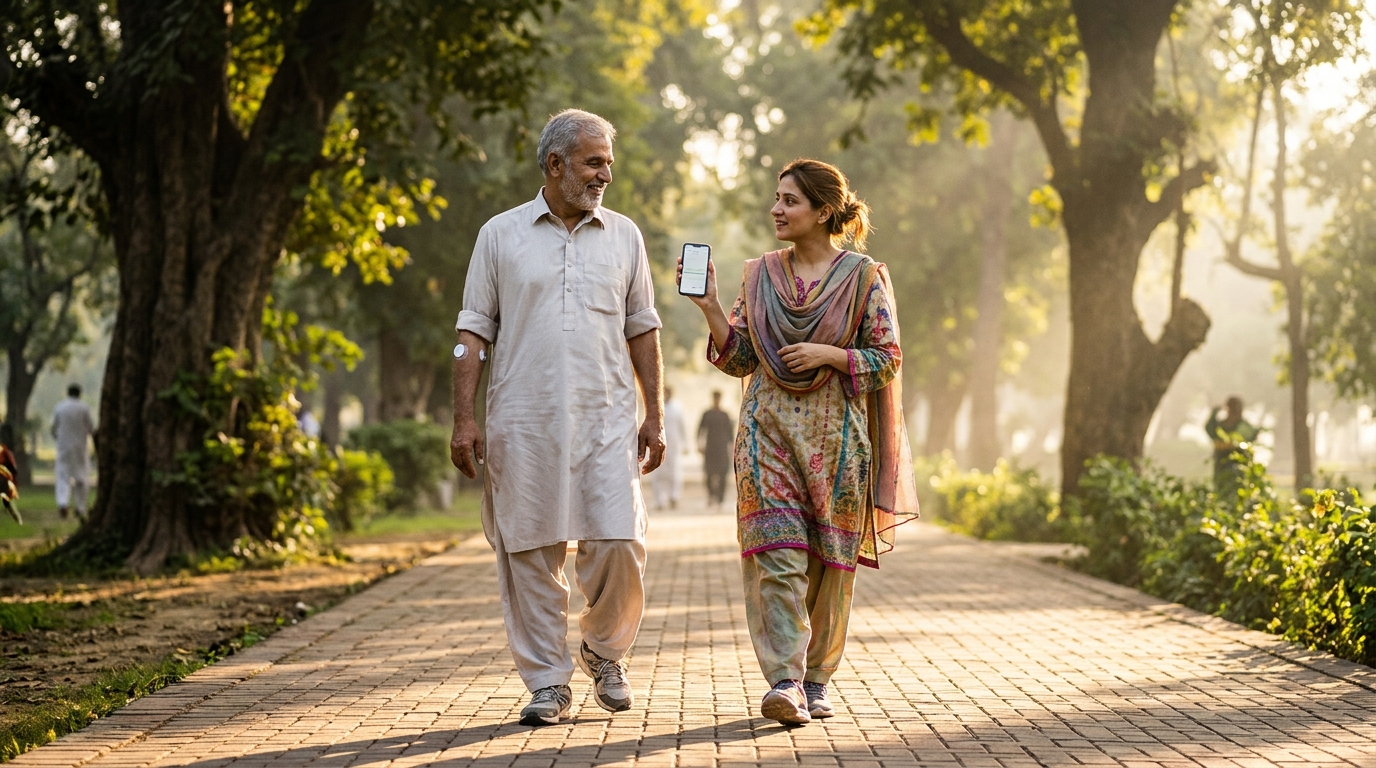
Walk through any park in Lahore, Karachi, Hyderabad or Islamabad in the early morning or after isha prayers and you will see hundreds of people walking, jogging and stretching, many of them because a doctor told them to “exercise and control your sugar.” The advice is correct, but it is rarely explained. Why does a walk lower sugar on some days and barely change it on others? Why do some people feel dizzy halfway through a workout while others see their numbers climb after a hard session? Understanding how exercise affects glucose levels is the missing piece that turns good intentions into safe, predictable results.
The need is urgent. According to the IDF Diabetes Atlas 2025, roughly 34.5 million adults in Pakistan were living with diabetes in 2024, and the country has one of the highest diabetes prevalence rates in the world. Physical activity is one of the most powerful and least expensive tools available to these adults. Yet the response of the body is not the same for every person or every workout. Knowing how exercise affects glucose levels, and being able to watch it in real time with a continuous glucose monitor in Pakistan, allows you to exercise with confidence instead of fear.
This guide explains in simple language what happens inside your body during activity, why different types of exercise move your sugar in different directions, how heat and Ramadan change the picture, and how to prevent both highs and lows. It is educational only and does not replace the advice of your own doctor.
The Basics: How Exercise Affects Glucose Levels in the Body
Your muscles are the largest consumers of glucose in the body. At rest they use a modest amount, and they need insulin to pull glucose out of the bloodstream. During exercise something remarkable happens: working muscles can take up glucose without needing much insulin at all, because contraction itself moves glucose transporters to the surface of the muscle cell. This is the first and most important reason how exercise affects glucose levels is mostly favorable for people with diabetes.
Fuel Use During Activity
At the start of exercise your muscles burn their own stored glycogen. As the activity continues, they draw more and more glucose from the blood, and the liver releases extra glucose to keep the supply steady. In a person without diabetes, insulin falls a little during exercise and counter-regulatory hormones such as glucagon and adrenaline rise, so the glucose level stays almost perfectly flat. In a person with diabetes, this balance can tilt either way, which is why the way exercise affects glucose levels can differ from one session to another.
Insulin Sensitivity After Exercise
The benefit does not end when you stop moving. After a good session, muscles remain more sensitive to insulin for many hours, and in some people for up to a day or more. This means the same dinner or the same dose of medicine can have a stronger glucose-lowering effect. Regular exercise, repeated week after week, improves insulin sensitivity over the long term, reduces fasting glucose, and lowers HbA1c. That is why doctors speak so highly of an active lifestyle, and why understanding how exercise affects glucose levels in the hours after a workout is just as important as understanding what happens during it.
Aerobic Exercise: Walking, Jogging and Cycling
Aerobic or cardio exercise is the type most Pakistanis are familiar with. It includes brisk walking, jogging, cycling, swimming and dancing. These activities are steady and rhythmic, and they generally lower blood sugar.
The Walk After Meals
A ten to thirty minute walk after a meal is one of the simplest ways to blunt a glucose spike. Muscles start using the glucose that has just arrived from food, so the rise is smaller and shorter. In many Pakistani homes a walk after dinner is already part of the routine, whether it is around the block, on the roof or in a nearby park. If your doctor has advised you to exercise, a post-meal walk is the easiest place to begin, and a sensor will show you how much it helps. Seeing the line flatten after a walk is far more motivating than being told it should.
Longer Sessions and the Risk of Lows
When aerobic exercise is longer or more intense, glucose can keep falling during and after the session. People who take insulin or sulfonylureas such as glimepiride or gliclazide are at higher risk of hypoglycemia, because these medicines keep pushing sugar down while exercise does the same. A person with type 2 diabetes who uses only lifestyle changes or metformin is at a lower risk. Understanding how exercise affects glucose levels in your own case, with your own medicines, is therefore essential before you increase your activity.
Resistance Training and the Gym
Gym culture has grown quickly in Pakistan, and more people with diabetes are lifting weights, using resistance bands and doing bodyweight exercises. Resistance training builds muscle, and more muscle means more storage space for glucose and better insulin sensitivity.
Why Glucose Can Rise Briefly
During heavy lifting, the body releases adrenaline and other stress hormones, and the liver may release glucose faster than muscles use it. For this reason some people see a short rise in blood sugar right after a strong lifting session, even though they have done everything right. This is normal in most cases and usually settles within a few hours. This is a good example of how exercise affects glucose levels differently depending on the type of activity, and why you should not be alarmed by a temporary rise after a hard workout.
Long-Term Benefits
Over weeks and months, strength training lowers fasting glucose, improves the body’s response to meals and helps preserve muscle in older adults. It is also useful for people who cannot do long walks because of knee pain or heat. Many doctors recommend a combination of aerobic and resistance exercise, because together they offer greater improvement than either one alone.
High-Intensity Workouts, Sports and Cricket
High-intensity interval training, sprinting, competitive cricket, football and badminton are very popular in Pakistan, especially among younger adults and teenagers. These activities involve short bursts of maximum effort.
The Adrenaline Effect
Intense bursts trigger a large adrenaline response, which tells the liver to release glucose. As a result, blood sugar may rise during or just after a match or a hard interval session, then fall later when insulin sensitivity improves. For a young person with type 1 diabetes, this pattern can be confusing, since glucose may go up during play and drop hours later at night. This is a vital part of how exercise affects glucose levels, and it explains why a single reading taken right after a game can be misleading.
Delayed Lows
Hours after intense exercise, muscles and liver rebuild their glycogen stores, pulling glucose out of the blood. This delayed effect can last up to twenty-four hours, and nighttime lows after evening sports are a known risk for people who use insulin. Having a sensor that records every three minutes and sounds an alert if sugar is falling provides a major safety margin, particularly for parents of children and teenagers with type 1 diabetes who play sports in the evening.
Before You Exercise: Checking Where You Start
The glucose level you begin with matters as much as the exercise itself. Doctors often suggest a general starting range for people on insulin of roughly 90 to 250 mg/dL, though individual targets vary. Starting too low increases the chance of a low during the workout, and starting too high, especially in a person with type 1 diabetes, may call for a ketone check before you begin.
If Your Sugar Is Low Before Exercise
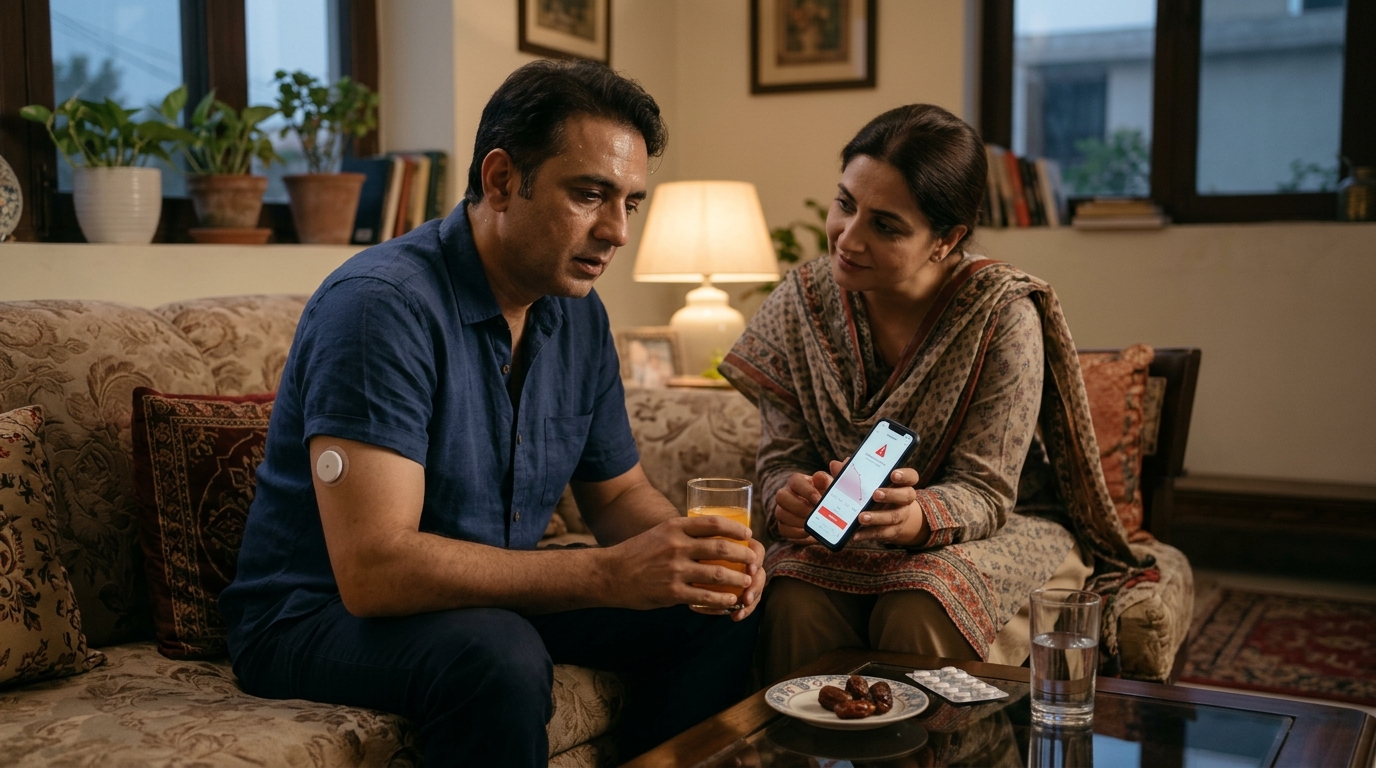
If you start below your target range, you may need a small amount of fast-acting carbohydrate, such as a few dates, half a banana or a small glass of juice, before you begin. Your doctor or dietitian can give you the exact plan for your medicines and your goals. Without a sensor you would need a fingerprick every time, but with continuous data you can see not only your current number but also whether it is rising or falling, and that arrow can change your decision.
If Your Sugar Is High Before Exercise
If your reading is high because you have just eaten, a light walk is usually helpful. If it is high without a clear reason, particularly in a person with type 1 diabetes who feels unwell, check ketones and speak to your doctor before exercising, because exercise in the presence of ketones can make things worse. Understanding how exercise affects glucose levels in both low and high starting situations protects you from the two most common mistakes.
During Exercise: What to Watch
While you are exercising, stay aware of your body. Shakiness, sweating, sudden hunger, confusion, a pounding heart or an unusual headache can signal a low, and you should stop and treat it at once. Carry a fast-acting source of sugar and tell the person you are exercising with what to do if you feel unwell.
Hydration and Heat
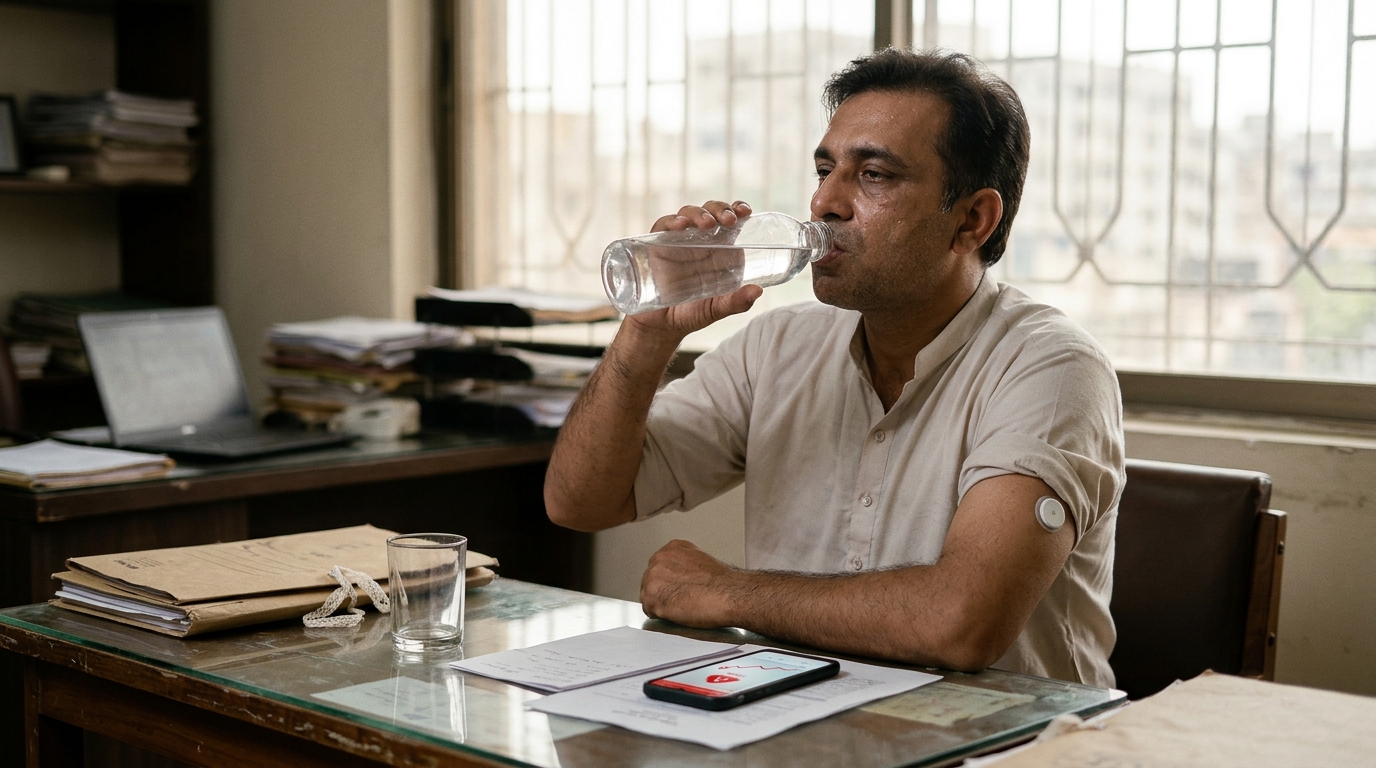
Water is part of the picture. Dehydration concentrates the blood and can raise glucose readings, while heat makes you sweat more and stresses the body. In the hot months across Sindh and Punjab, where daytime temperatures are extreme, exercise should be moved to the early morning or late evening. Drink water before, during and after activity, and avoid sugary cold drinks, which will push glucose up quickly.
Listening to Your Sensor
A modern sensor takes the guesswork out of exercising. Instead of stopping to prick your finger, you can look at your phone and see whether the line is stable, rising or falling. The iCan CGM, according to the information on the iCan CGM Pakistan store, provides a reading every three minutes with real-time alerts and no scanning, which is helpful when your hands are busy or you are in the middle of a workout. It is also rated IP28 for water resistance, so sweat, rain and a shower afterward are not a problem.
After Exercise: The Hidden Window of Risk
The hours after exercise are where many people are caught by surprise. Because muscles are more sensitive to insulin and are refilling their glycogen stores, glucose can fall gradually, even when you feel completely fine. Eating a balanced meal with protein and complex carbohydrates after exercise helps, and your doctor may suggest a small reduction in insulin or medicine on days with heavy activity.
Evening Workouts and the Night
If you exercise in the evening, pay particular attention to the night that follows. Delayed lows are most common in the early hours of the morning, and a person who does not wake up may not realize what has happened. A sensor alert is an effective safeguard, and the iCan Reach app lets a spouse or parent follow your readings and receive alerts if you choose to share your data with them. This kind of backup is why many families consider continuous monitoring a safety tool, not just a convenience.
Recovery Meals
Good recovery meals for Pakistani households can be simple: daal with a small portion of rice or roti, yogurt with fruit, a boiled egg with whole wheat toast, or chicken with vegetables. These meals provide protein for muscle repair and slow-digesting carbohydrates for glycogen replacement without causing a sharp spike.
Ramadan, Taraweeh and Exercise
Ramadan changes the way exercise affects glucose levels, because you are fasting for many hours and your body has less fuel available. Doctors generally recommend avoiding intense exercise during the fasting hours, especially in summer, and choosing a gentle walk after iftar or before sehri instead. Taraweeh prayers, which involve prolonged standing, bowing and prostration, are themselves a form of light physical activity, and some people notice a gentle drop in glucose after them.
If you take insulin or sulfonylureas and plan to fast, speak to your doctor well in advance. Wearing a sensor throughout the month lets you see how each day of fasting, each iftar and each walk affects your curve. Many people find that a short walk thirty to sixty minutes after iftar lowers the post-meal spike without risking a low, but your own pattern is the best guide.
Exercise in Special Situations
Not everyone’s body responds in the same way, and some situations need extra care.
Type 1 Diabetes
People with type 1 diabetes face the greatest swings, because they depend completely on injected insulin and must balance dose, food and activity. Exercise can cause lows, highs and delayed lows depending on type, duration and timing. Working with an endocrinologist who understands your routine and using continuous monitoring can make activity far safer and more enjoyable.
Type 2 Diabetes and Prediabetes
For people with type 2 diabetes or prediabetes, exercise is one of the most effective ways to improve insulin sensitivity and may reduce the need for medicines over time. The risk of lows is smaller unless you use insulin or sulfonylureas. In prediabetes, consistent activity combined with modest weight loss has been shown in studies to reduce the chance of progressing to diabetes.
Older Adults and Complications
Older adults and people with neuropathy, retinopathy, heart disease or kidney disease should get medical clearance before starting a new program. Foot care matters too: proper shoes and daily foot checks help prevent injuries that can turn into serious ulcers. Gentle exercises such as walking, chair exercises and stretching are often a safe place to begin.
Pregnancy and Gestational Diabetes
Women with gestational diabetes can often benefit from regular, moderate walking, but should discuss any plan with their obstetrician. Understanding how exercise affects glucose levels during pregnancy is particularly valuable, because pregnancy changes insulin needs from week to week.
Why Fingerprick Tests Are Not Enough for Exercise
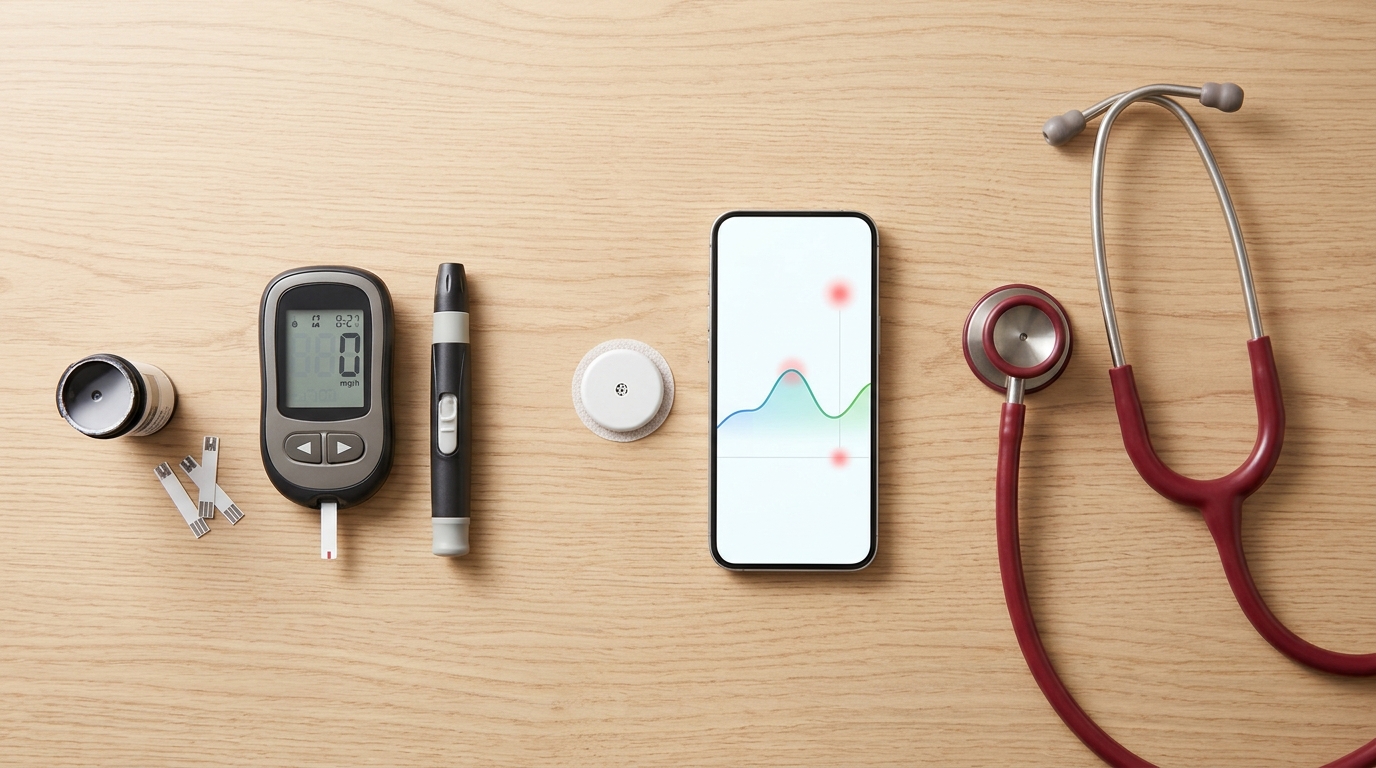
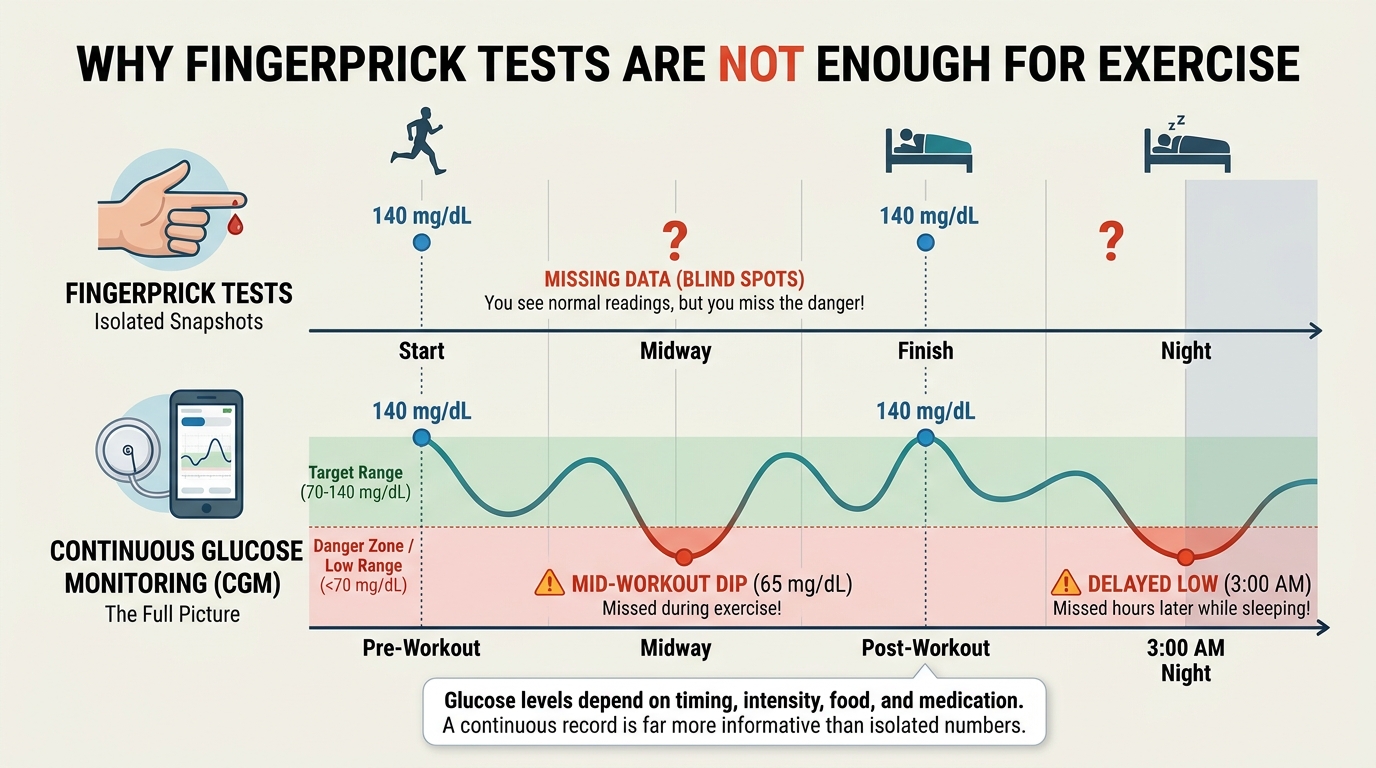
A single fingerprick before and after a workout tells you very little about what happened during and in the hours that followed. You could start at 140 mg/dL and finish at 140 mg/dL and miss a dip to 65 midway through. You could see a normal reading after a game and miss a delayed low at three in the morning. Because how exercise affects glucose levels depends on timing, intensity, food and medicines, a continuous record is far more informative than isolated numbers.
Learning Your Personal Pattern
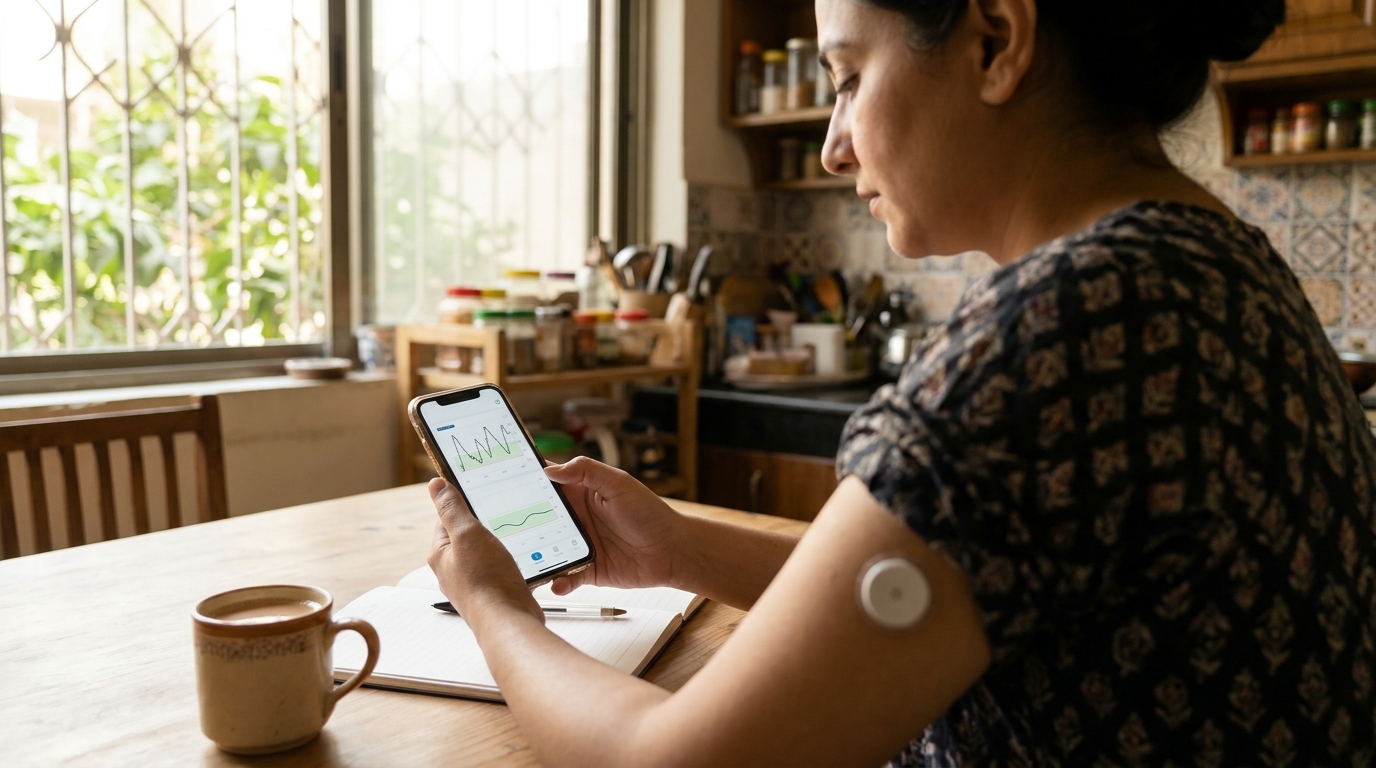
After a few sessions with a sensor, you will begin to see your own pattern: perhaps a thirty minute walk after dinner drops your glucose by thirty points, while a gym session raises it for an hour before it falls. These personal observations are valuable, and you can share the reports with your doctor to adjust medicines, meals and exercise timing.
How the iCan CGM Fits In
The iCan CGM is a 15-day sensor with no scanning and no fingerpricks, and the store lists up to 7,160 readings per sensor along with an adult MARD of 8.71 percent. For the active person, this means you can wear it through walks, workouts, swimming-style activities within its water-resistance rating, and everyday life, and review your data in the iCan CGM app. If you are not sure how to apply it, the how to use guide walks you through the process, and the bundle options make it easier to monitor for longer than one sensor cycle. You can also read answers to common ordering and usage questions on the store FAQ page.
Practical Tips for Safe, Effective Exercise
The following ideas are general suggestions to be adapted with your healthcare team.
Start Small and Build Gradually
If you are new to exercise, begin with ten minutes of walking and slowly increase. Consistency matters more than intensity. A daily moderate walk does more for your glucose than an occasional exhausting session.
Match Food and Medicine to Activity
On days with longer or harder exercise, you may need to adjust meals or medicines. Never change insulin or tablet doses without advice from your doctor, but do tell your doctor about your exercise plans and bring your sensor reports so adjustments are based on real data.
Choose the Right Time and Place
In summer, exercise early in the morning or after sunset. In winter, a late-morning walk in the sun can be pleasant. Women who prefer private spaces can use indoor routines, a rooftop, a courtyard or a treadmill, because the benefit comes from the movement, not the location.
Keep Fast-Acting Sugar Close
Always carry dates, glucose tablets or a small juice box when you exercise, especially if you use insulin or sulfonylureas. Make sure your walking partner knows what a low looks like and how to help.
Review Your Data Weekly
Set aside a few minutes each week to look at your sensor graph. Notice which exercise sessions kept your glucose stable, which caused dips and which produced temporary rises. That habit is the fastest way to learn how exercise affects glucose levels in your own body.
When to Talk to a Doctor
Speak to your doctor before starting a new exercise program if you have heart disease, uncontrolled blood pressure, eye or nerve complications, kidney disease or frequent lows. Seek medical help right away for chest pain, severe breathlessness, confusion that does not improve after treating a low, or ketones with nausea and vomiting. This article is educational and does not replace personal medical advice, diagnosis or treatment.
Questions About Exercise and Sugar Control
Why does my sugar sometimes go up after I exercise?
A short rise after hard or very intense exercise is common. Adrenaline and other stress hormones prompt the liver to release glucose, and this can briefly outpace muscle uptake. It usually settles within a few hours. If it happens often, discuss the pattern with your doctor, who may suggest changes in timing, intensity or medicine.
Is walking enough to lower blood sugar?
For many people with type 2 diabetes or prediabetes, regular brisk walking is very effective, especially when done after meals. It improves insulin sensitivity and helps muscles use glucose. Adding two or three sessions of resistance exercise each week usually gives even better results.
How long after exercise can my sugar drop?
Glucose can drop during exercise and continue to fall for many hours afterward, sometimes up to twenty-four hours, particularly after long or intense sessions. People using insulin or sulfonylureas should be careful about late evening workouts and keep a sensor alert on overnight.
Should I exercise during Ramadan if I have diabetes?
Light activity such as a gentle walk after iftar is often possible, but intense exercise during fasting hours is generally discouraged. Consult your doctor before Ramadan about medicines, meal timing and a safe activity plan, and consider wearing a sensor to see your daily patterns.
Can a sensor really help me exercise more safely?
Yes. A sensor shows your current glucose and its direction of travel, so you can see whether you are heading low before you feel symptoms. With real-time alerts and a reading every three minutes, the iCan CGM helps you spot trends during and after activity without stopping to prick your finger.
Final Thoughts
Understanding how exercise affects glucose levels gives you control over one of the most powerful tools in diabetes care. Aerobic exercise tends to lower sugar, resistance training builds long-term sensitivity, intense sports can cause short rises followed by delayed lows, and the hours after exercise carry their own risks and benefits. With the heat of a Pakistani summer, the changes of Ramadan and the realities of daily life, every person’s pattern is different. A continuous sensor lets you replace guesswork with facts. If you are ready to move more with confidence, explore the iCan CGM at icancgm.pk and learn how your own body responds to every step.