Blood Sugar Changes After Eating: A Complete Guide for Pakistani Families
Food is at the center of life in Pakistan. A weekend nashta of halwa puri and chai, a family lunch of biryani and raita, an iftar table full of pakoras, dates and sharbat, and a wedding dinner with qorma, naan and kheer are not just meals, they are celebrations. But every one of these meals sets off a chain of events inside the body, and the result shows up in your bloodstream within minutes. Understanding blood sugar changes after eating helps you enjoy the food you love while protecting your health.
The importance of this topic in our country cannot be overstated. According to the IDF Diabetes Atlas 2025, about 34.5 million adults in Pakistan were living with diabetes in 2024, and the age-adjusted prevalence is among the highest in the world. A large share of these adults are undiagnosed, which means they do not know that their body is struggling to handle the sugar that arrives after every meal. Learning how to read blood sugar changes after eating, and using a continuous glucose monitor in Pakistan to see them live, can make the difference between early control and late complications.
In this guide we explain what normal post-meal glucose looks like, why some foods cause bigger spikes than others, what happens in people with prediabetes and diabetes, and how Pakistani foods and habits shape the curve. It is educational only and does not replace advice from your doctor.
What Happens in Your Body When You Eat
When you eat food that contains carbohydrates, your digestive system breaks it down into glucose, which enters the bloodstream. The pancreas senses the rise and releases insulin, which signals muscles, fat and the liver to take up glucose and store it. In a healthy person, this system is so efficient that blood sugar rises modestly, peaks, and returns toward baseline in two to three hours. These are the normal blood sugar changes after eating.
The Role of Insulin
Insulin works like a key that opens the door of the cell. When there is enough insulin and the cells respond well, glucose leaves the blood quickly. When insulin is too low, as in type 1 diabetes or advanced type 2 diabetes, or when cells ignore it, as in insulin resistance, glucose stays in the blood longer and climbs higher. This is the core reason blood sugar changes after eating look so different from one person to the next.
The Role of Other Hormones
Gut hormones called incretins also help by boosting insulin release after a meal and slowing the movement of food from the stomach. Some modern diabetes medicines work by strengthening this system. Meanwhile, a hormone called glucagon, which raises glucose, should drop after a meal. In diabetes this suppression is often incomplete, which adds to higher post-meal readings.
Normal Blood Sugar Changes After Eating
In a person without diabetes, glucose typically rises in the first thirty to sixty minutes after a meal, reaches a peak, and then falls back. Two hours after the start of a meal, the reading is usually below 140 mg/dL. Fasting levels generally lie between 70 and 99 mg/dL.
Targets for People With Diabetes
Many guidelines suggest that people with diabetes aim for a post-meal level below roughly 180 mg/dL, measured one to two hours after the start of the meal, though your own target may be different and should be set by your doctor. Time in range, which means the share of the day spent between 70 and 180 mg/dL, is another useful measure that a sensor can show you automatically.
Spike, Peak and Return
Three details matter when you study blood sugar changes after eating: how high the peak goes, how fast it rises, and how long it takes to return to baseline. A rapid spike followed by a quick fall is different from a slow, long plateau. Both can be a problem, but for different reasons, and only a continuous graph can show them clearly. A fingerprick two hours after the meal might show a normal number and hide a big spike that came and went earlier.
Why Different Foods Create Different Curves
Not all foods affect your glucose in the same way. The type of carbohydrate, the amount, the presence of fiber, protein and fat, the way food is cooked, and even the order in which you eat it all influence the shape of the curve.
Carbohydrate Quality
Refined carbohydrates such as white rice, white bread, bakery items, biscuits, sweets and sugary drinks are digested quickly and cause sharp spikes. Whole grains, legumes and vegetables are digested more slowly and lead to a gentler rise. The glycemic index is a scale used to rank foods by how quickly they raise blood sugar, but real-life blood sugar changes after eating also depend on portion size and the rest of the meal.
Fiber, Protein and Fat
Fiber slows digestion and absorption, protein stimulates insulin and slows stomach emptying, and fat delays the rise of glucose but may extend it for several hours. A meal that combines daal, vegetables and a small portion of roti behaves very differently from a plate of plain white rice, even if the carbohydrate count looks similar.
Cooking and Cooling
Cooked and cooled starches such as rice or potatoes develop some resistant starch, which is digested more slowly. Overcooked, mashed or heavily processed foods are absorbed faster. Fruit juice is absorbed much faster than whole fruit because the fiber has been removed.
The Order of Eating
Some studies suggest that eating vegetables and protein before carbohydrates can reduce the peak of blood sugar changes after eating. This simple habit costs nothing and can be tried at home, particularly when a family meal includes both salad and rice or roti.
Pakistani Foods and Their Glucose Effects
Pakistani cuisine is rich, diverse and delicious, and it also contains many carbohydrate-heavy dishes. This section does not tell you to give up your culture, it shows you how to understand the impact of what you eat.
Roti, Naan and Paratha
Whole wheat roti is a staple, and its portion size is usually the biggest factor. Two or three rotis at a meal can deliver a large carbohydrate load, and naan made from refined flour raises glucose faster. Paratha adds a large amount of fat, which can slow the initial rise and then prolong the elevated level for hours. Choosing smaller portions, mixing wheat with chickpea or barley flour, and pairing bread with vegetables and protein all help to smooth blood sugar changes after eating.
Rice, Biryani and Pulao
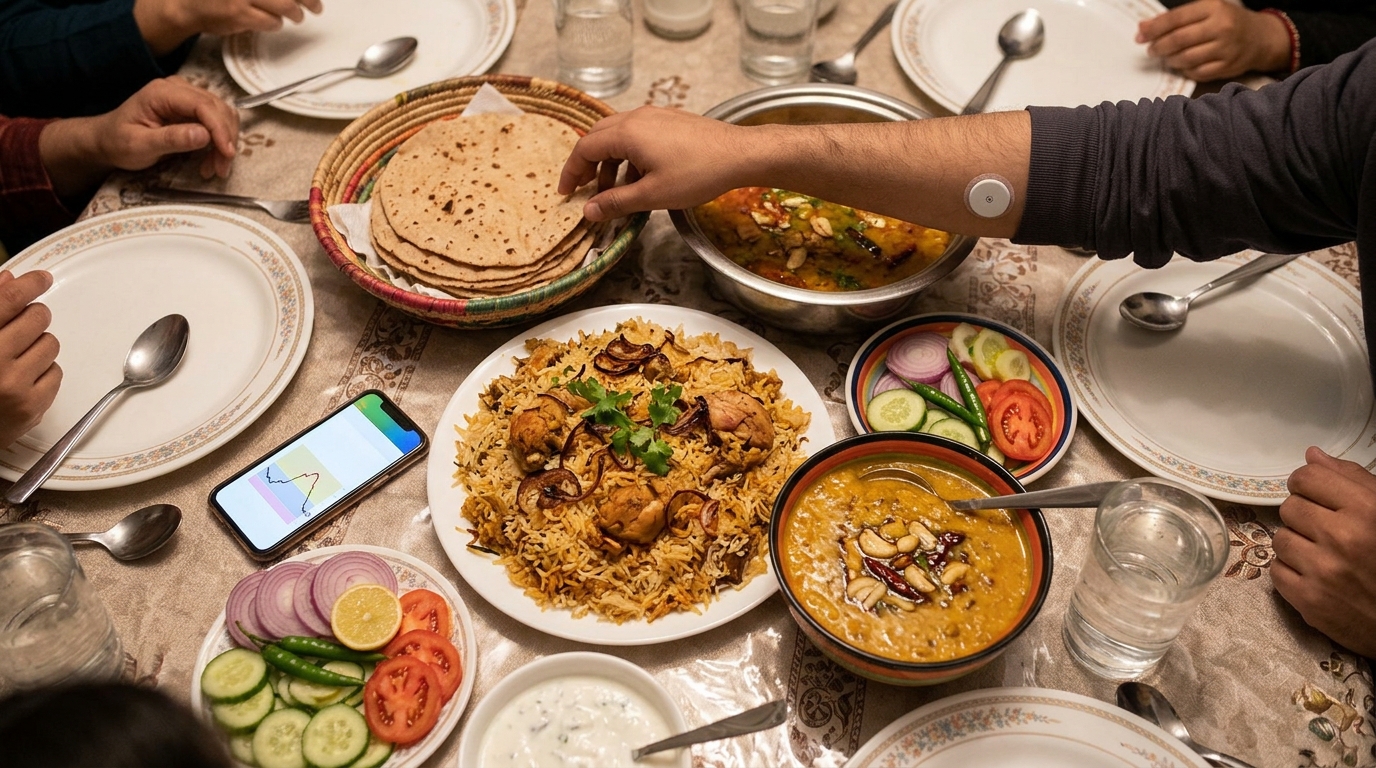
Rice is a major source of glucose spikes. A generous plate of biryani or pulao can push glucose very high, especially when followed by dessert or a sweet drink. Basmati rice has a lower glycemic index than many other varieties, but a large portion is still a large load. Smaller servings, extra salad and raita, and a walk after the meal help reduce the effect.
Nashta Favorites
Halwa puri, aloo paratha, puri with chana, bakery bread and sweet chai make a very high-carbohydrate breakfast. Morning insulin resistance is often higher, which means the same food can cause a larger spike at breakfast than at lunch. Many people are surprised by how high their sensor reads after a classic weekend nashta, and that visibility is often the first step toward making changes.
Sweets, Chai and Cold Drinks
Gulab jamun, jalebi, kheer, halwa and barfi are rich in sugar and fat, and they can raise glucose sharply. Sweet chai with two or three teaspoons of sugar, and bottled drinks, are just as problematic and are consumed several times a day by many people. The cumulative effect of these small sugar loads can keep glucose elevated for much of the day.
Fruits and Dates
Fruits are healthy, but some, such as mango, grapes, bananas and ripe melon, raise glucose faster than others, such as guava, apple, pear and berries. Dates are traditional for iftar and are rich in natural sugar, so a small number is enough. Understanding your own blood sugar changes after eating a particular fruit is easy with a sensor, and you may find that a mango is fine in a small portion at lunch but causes a large spike alone as a snack.
Protein-Rich Dishes
Chicken, fish, eggs, daal, paneer and lean mutton have little direct effect on glucose, but heavy gravies with oil and sugar-laden sauces can add hidden carbohydrate and calories. Grilled and baked preparations are usually gentler than deep-fried ones.
Meal Timing, Stress and Sleep
When you eat matters almost as much as what you eat. Insulin sensitivity is usually better in the morning and early afternoon and worse in the late evening. A large dinner eaten close to bedtime tends to cause longer and higher glucose levels than the same meal eaten earlier.
Stress and Illness
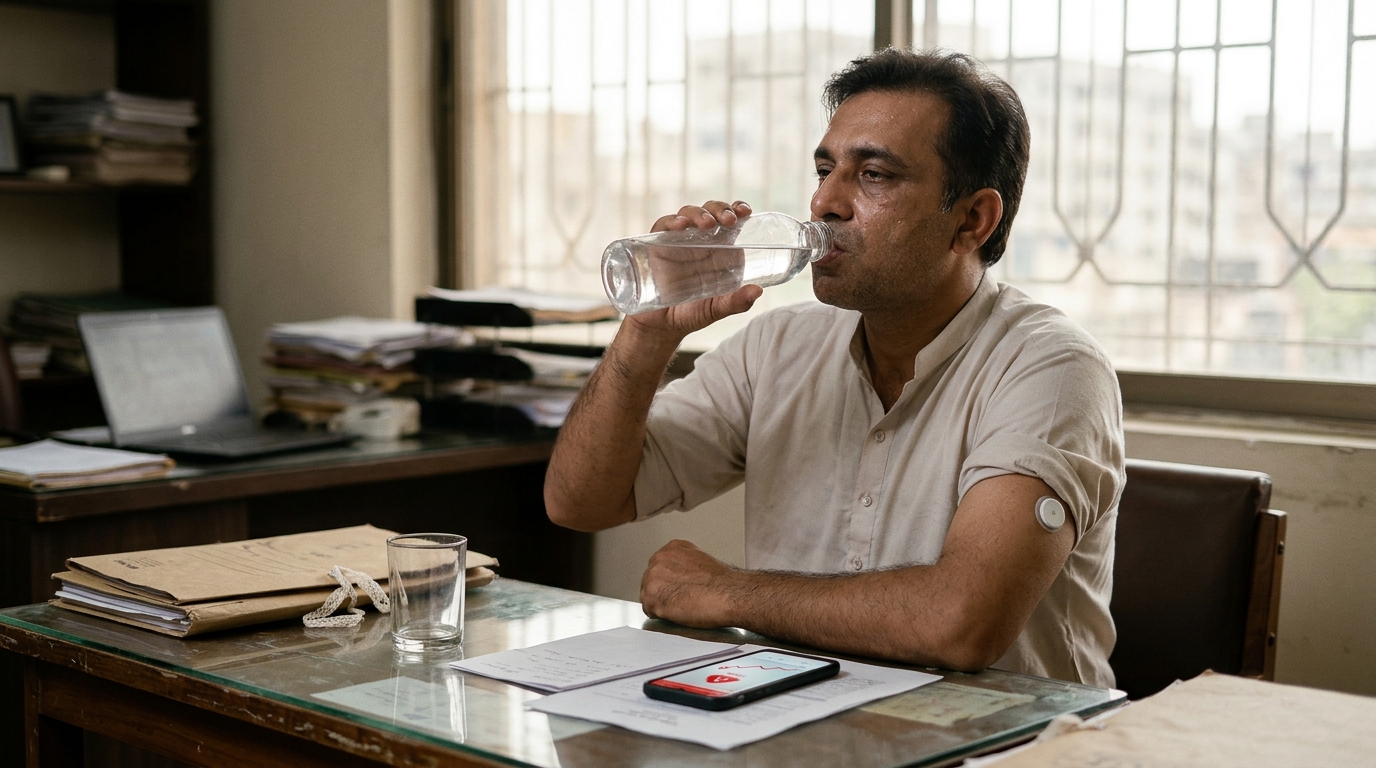
Stress hormones raise glucose, so blood sugar changes after eating may be greater on days of tension, poor sleep, illness or pain. If your readings seem inexplicably high after a normal meal, consider whether you slept badly, were stressed, or were fighting an infection.
Medicines and Their Timing
Medicines that act after meals, such as rapid-acting insulin or certain tablets, need to be taken at the right time in relation to food. Taking them too early or too late can cause either lows or highs. Your doctor can help you align your doses with your meals and your sensor data.
Prediabetes, Diabetes and Undiagnosed Cases
Many people in Pakistan do not realize they already have abnormal blood sugar changes after eating, because their fasting level may still look normal. In early type 2 diabetes, post-meal glucose often rises before fasting glucose does. This is one reason doctors sometimes recommend an oral glucose tolerance test or a post-meal check for people with risk factors such as a family history, abdominal obesity, high blood pressure, polycystic ovary syndrome or a history of gestational diabetes.
Symptoms That May Appear After Meals
Sleepiness after eating, intense thirst, frequent urination, blurred vision and fatigue can all point to high post-meal glucose. Occasional sleepiness after a big meal is normal, but if it happens regularly, it is worth checking your levels.
When Glucose Drops After Eating
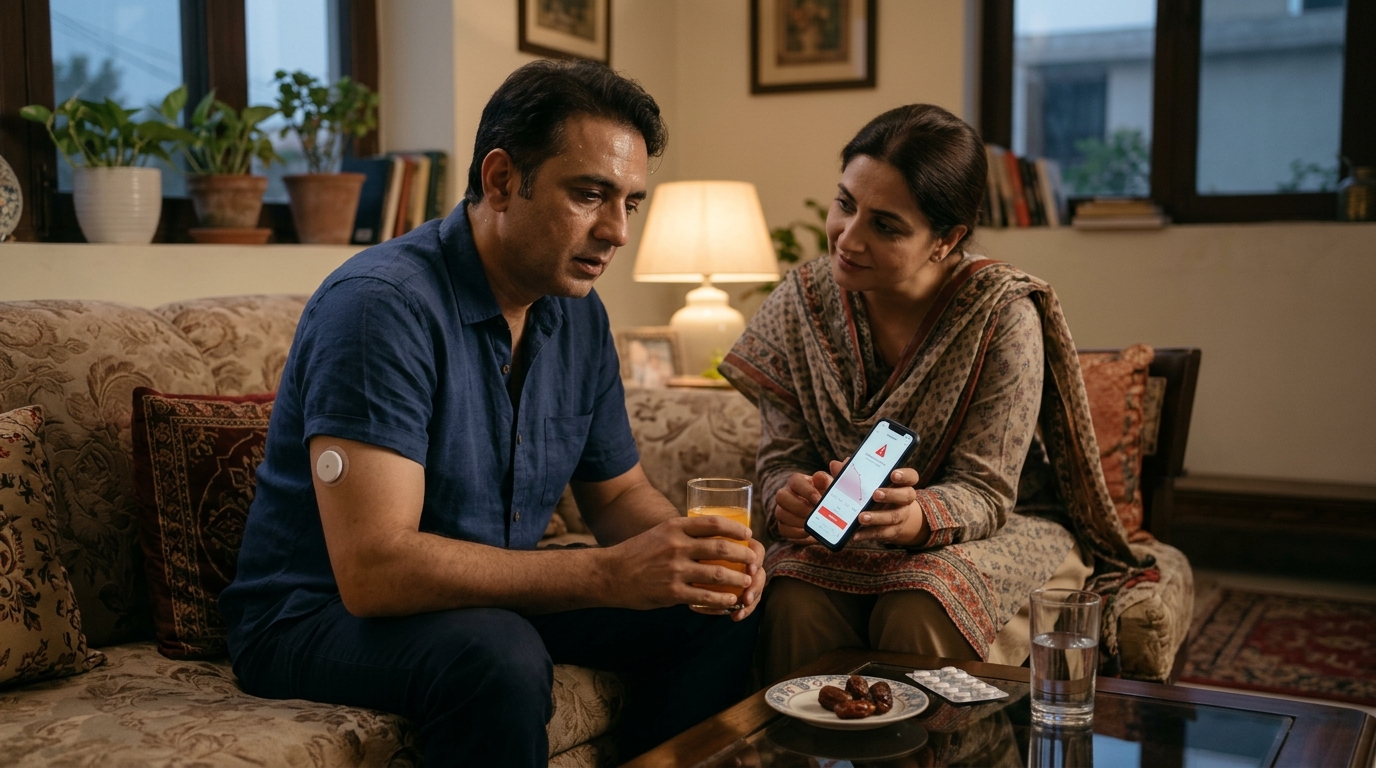
A small group of people experience low blood sugar a few hours after a meal, a condition called reactive hypoglycemia. Symptoms include shakiness, sweating, hunger and irritability. It can occur in people with prediabetes or after certain stomach surgeries, and it needs medical evaluation. A sensor can reveal whether the symptoms match a true drop in glucose.
Why Fingerprick Tests Miss the Full Picture
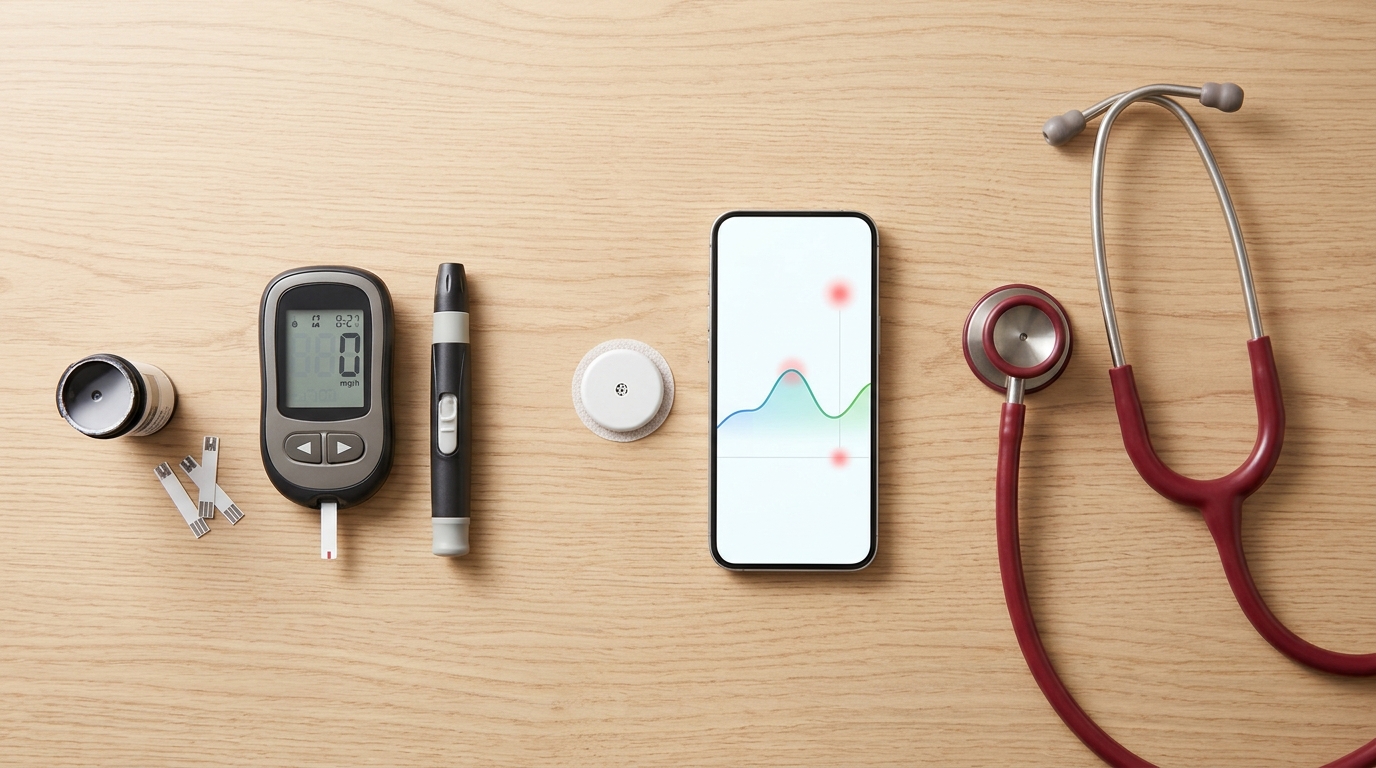
Traditional testing offers a snapshot. If you check two hours after a meal, you might see 150 mg/dL, but you will not know whether the peak was 160 or 260 an hour earlier. If you do not test at all, you cannot know which meals cause the biggest problem. A continuous sensor captures the entire curve, so you see the start, the peak and the return to baseline for every meal. That is why continuous data have become so useful for understanding blood sugar changes after eating.
Learning From Your Own Meals
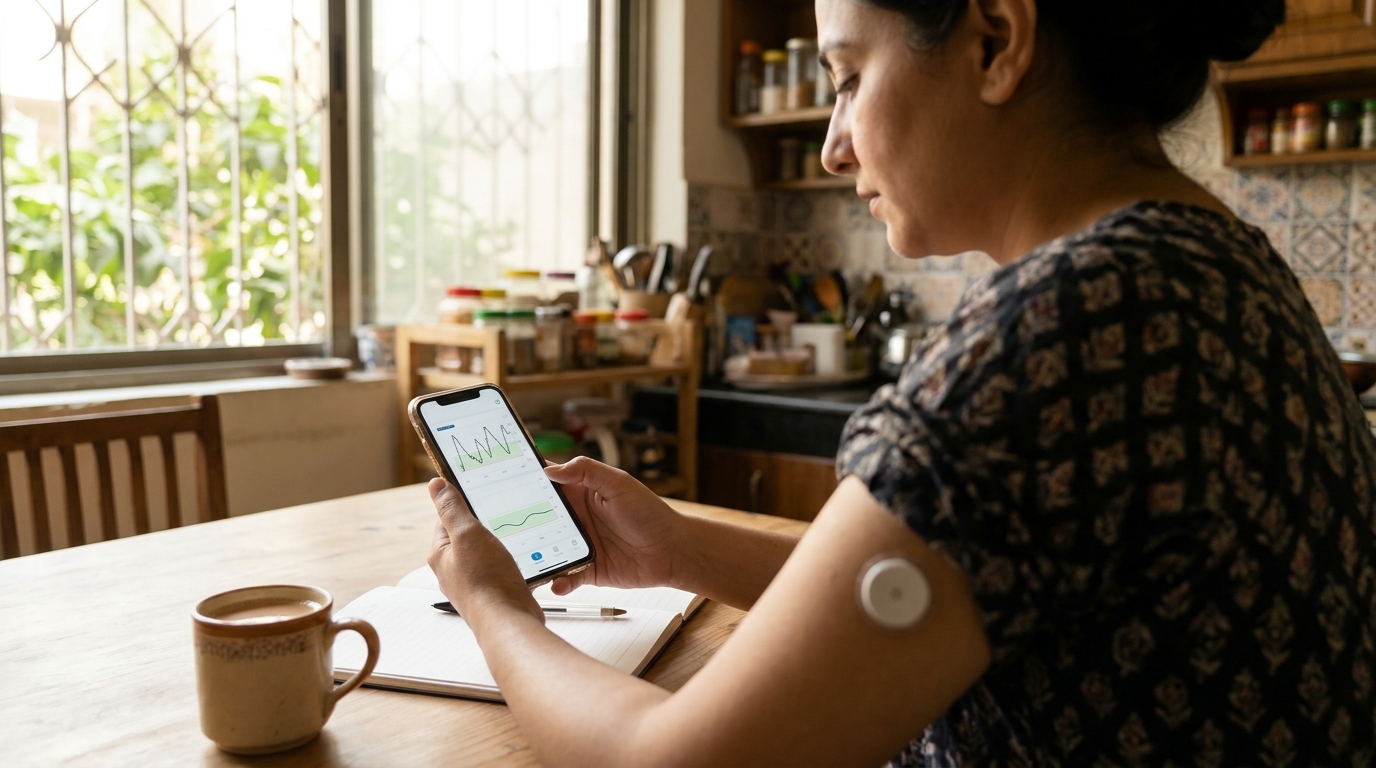
With a sensor, the guesswork disappears. You can eat your usual lunch on one day and a modified version on another and compare the two curves. You may discover that two rotis cause a much bigger spike than one, that adding salad first lowers the peak, or that a short walk after dinner brings you back into range an hour sooner. These discoveries are personal and practical.
The iCan CGM Advantage
The iCan CGM is a 15-day continuous sensor with no scanning and no fingerpricks, according to the information listed on the iCan CGM Pakistan store. It records a reading every three minutes, with up to 7,160 readings per sensor, an adult MARD of 8.71 percent and IP28 water resistance. You can follow your graph through the iCan CGM app, share your data with your doctor, and, through the iCan Reach app, allow a family member to follow your readings and receive alerts. For families who share meals and worry about a parent’s sugar, this is reassuring.
To get started, read the how to use guide, compare bundle options if you want to monitor for several cycles, and check the store FAQ page for common questions. You can also learn more about the company on the about page.
Practical Ways to Soften Post-Meal Spikes
These are general ideas to discuss with your doctor or dietitian, and the sensor lets you test each one on yourself.
Control the Portion, Not the Pleasure
You do not need to give up biryani, halwa or mithai forever. Reduce the portion, share a dessert, eat it earlier in the day rather than late at night, and pair it with protein and vegetables. Small changes repeated daily matter far more than rare strict diets that are abandoned after a week.
Build a Better Plate
Fill half the plate with vegetables or salad, one quarter with protein such as chicken, fish, eggs or daal, and one quarter with roti or rice. This approach fits naturally with Pakistani meals and often reduces the spike without leaving you hungry.
Walk After You Eat
A ten to fifteen minute walk after a meal reduces the peak of blood sugar changes after eating in many people. Even light movement, such as walking around the house or doing household tasks, helps muscles use the glucose that has just arrived.
Drink Water, Choose Better Drinks
Replace sugary drinks with water, unsweetened tea, buttermilk without sugar or lemon water without added sugar. If you take sugar in tea, reduce it gradually, since your taste adapts within a few weeks.
Be Careful With Fasting and Skipped Meals
If you take insulin or sulfonylureas, skipping meals can cause lows, and eating a huge meal after a long gap can cause a big spike. Regular, balanced meals are usually best, and your doctor can adjust medicines for Ramadan or other fasting periods.
Ramadan and Post-Meal Glucose
During Ramadan, the iftar meal often brings the largest glucose spike of the day. After a long fast, people eat quickly and heavily, with dates, sharbat, fried snacks, rice and sweets. A better approach is to break the fast with one or two dates and water, pause for prayer, and then eat a balanced meal slowly, with vegetables and protein first. A short walk after iftar and a lighter sehri with protein and fiber help reduce swings. A sensor worn through the month makes it easy to see how each iftar affects your curve, and lets your doctor adjust treatment safely.
When to Talk to a Doctor
See your doctor if your post-meal readings are often above 180 mg/dL, if you have symptoms such as excessive thirst, frequent urination or blurred vision, if you experience shakiness or sweating a few hours after meals, or if you have risk factors for diabetes and have never been tested. Seek urgent care for confusion, vomiting, severe weakness or very high readings with ketones. This article is for information only and does not replace personal medical advice.
Frequently Asked Questions About Eating and Glucose
How high is too high after a meal?
For people without diabetes, a level above 140 mg/dL two hours after eating is considered higher than normal. For people with diabetes, many guidelines suggest staying below about 180 mg/dL after meals, though your own target may differ. Share your readings with your doctor to set a personal goal.
Why does my sugar spike even when I eat healthy food?
Even healthy foods contain carbohydrates, and the portion size, the combination of foods, stress, sleep, and the timing of your meal all influence blood sugar changes after eating. Whole grains and fruit can still raise glucose, especially in large portions. A sensor can show which healthy foods work best for you.
Does the order of eating really matter?
Many people see a smaller spike when they eat vegetables and protein first and carbohydrates last. It is a simple habit to test, and with a sensor you can compare the two approaches on similar meals.
Can I eat sweets if I have diabetes?
Many people can include small portions of sweets occasionally, preferably after a balanced meal and followed by a walk, but you should follow your doctor’s advice. Watching your sensor graph after a small portion will show you how your body responds.
How long should I wear a sensor to learn about my meals?
A few days gives you a first impression, but a longer wear period lets you compare different foods, different times and different activity levels. With a 15-day sensor, you can test many meals and see repeating patterns in your own routine.
Final Thoughts
Blood sugar changes after eating are a normal part of life, but their size, speed and duration tell an important story about how well your body handles glucose. Pakistani meals, with their generous portions of bread, rice and sweets, make this story especially relevant. By watching your own curve, adjusting portions, building balanced plates, walking after meals and working with your doctor, you can enjoy your food and keep your numbers in a healthier range. If you are ready to see exactly how every meal affects you, explore the iCan CGM at icancgm.pk and start learning from your own data.