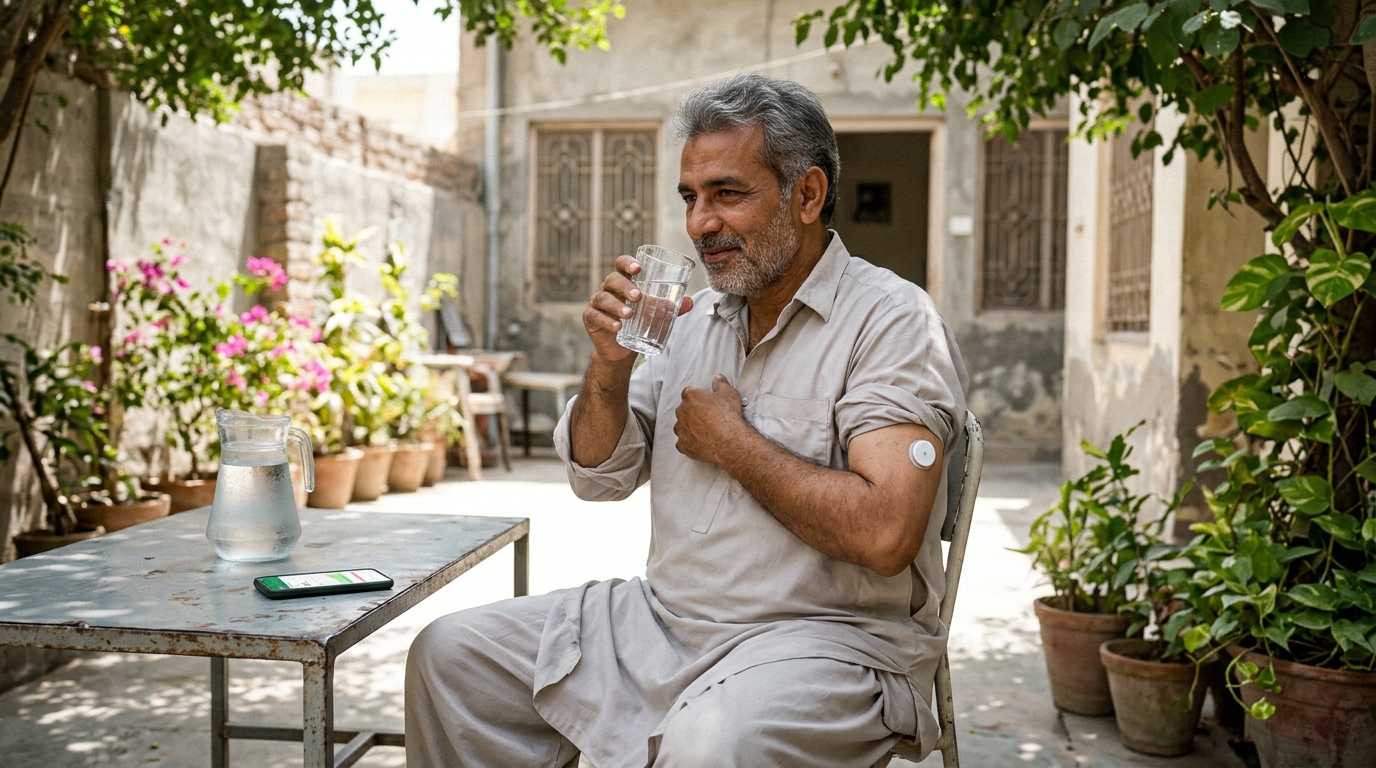
Blood Glucose and Dehydration: Why Water Matters So Much for Diabetes in Pakistan
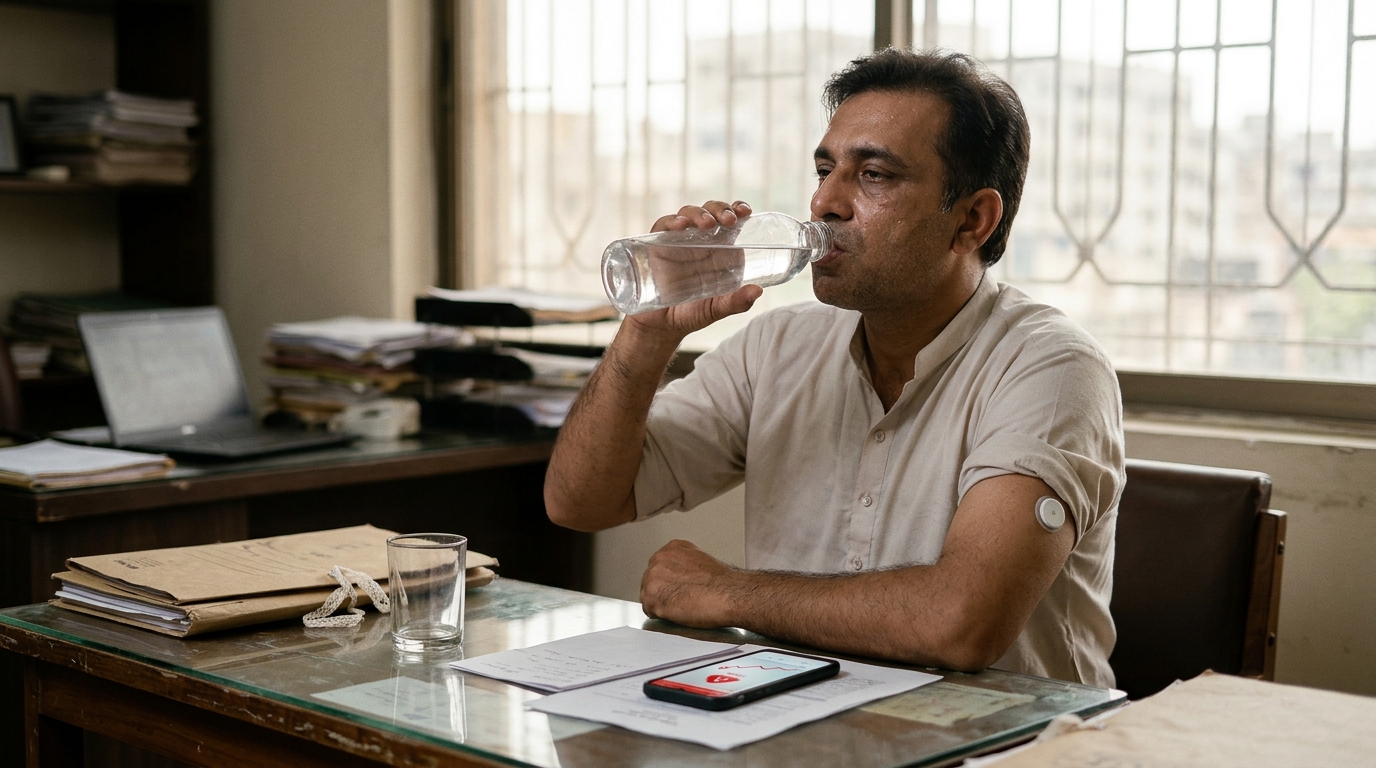
When the summer sun beats down on Karachi, Hyderabad, Multan or Lahore, everyone knows they should drink more water. For a person with diabetes, however, hydration is more than a comfort issue. The relationship between blood glucose and dehydration works in both directions: high sugar makes you lose fluid, and low fluid makes blood sugar harder to control. Many people only discover this link when they land in an emergency room with extreme thirst, confusion and a glucose reading above 500 mg/dL.
This is a serious issue in a country with a large diabetes burden. According to the IDF Diabetes Atlas 2025, around 34.5 million adults in Pakistan were living with diabetes in 2024, and many more have prediabetes without knowing it. Add intense summer heat, long fasting hours in Ramadan, frequent stomach infections, limited access to clean water in some areas and the habit of drinking sugary beverages instead of plain water, and the risks multiply. Understanding blood glucose and dehydration, and tracking your numbers with a continuous glucose monitor in Pakistan, can help you spot trouble early.
This article explains how blood glucose and dehydration affect each other, who is most at risk, which warning signs to watch for, how heat and Ramadan change the picture, and what practical steps keep you safe. It is for education only and does not replace advice from your own doctor.
How Blood Glucose and Dehydration Affect Each Other
Your blood is mostly water, with glucose, salts, proteins and cells dissolved or suspended in it. When you lose water and do not replace it, the same amount of glucose is dissolved in a smaller volume of fluid, so the concentration rises. This is the simplest part of the relationship between blood glucose and dehydration, and it means that even mild fluid loss can lift a reading.
High Glucose Pulls Water Out
The relationship also runs in the other direction. When blood sugar rises above a certain level, around 180 mg/dL in many people, the kidneys can no longer reabsorb all the glucose, and it spills into the urine. Glucose in the urine drags water with it, a process called osmotic diuresis. The person urinates more, loses fluid and becomes thirsty. If the thirst is not satisfied, or if the person is too unwell to drink, dehydration deepens, and the higher concentration of glucose further increases the spill. This vicious circle is at the heart of blood glucose and dehydration.
Stress Hormones and Vasopressin
Dehydration also triggers the release of vasopressin, a hormone that helps the body hold on to water. Vasopressin can stimulate the liver to release more glucose, so dehydration may directly push sugar upward. In addition, the stress of dehydration raises cortisol and adrenaline, which also elevate glucose. Together, these effects explain why blood glucose and dehydration so often appear together in hot weather or illness.
Why Pakistan Is a High-Risk Setting
Several local factors make blood glucose and dehydration an especially important topic in our country.
Extreme Summer Heat
Temperatures in Sindh and southern Punjab often exceed 40 degrees Celsius for weeks, and heatwaves are becoming more frequent. Heat increases sweating, and many people work outdoors, travel by motorbike or walk long distances. Load shedding means fans and air conditioners may fail, so people lose even more fluid overnight. A person with high glucose is already losing fluid through urine, and heat adds to that loss.
Sugary Drinks as Water Substitutes
In summer, people reach for cold drinks, Rooh Afza, sharbat, sweetened lassi, packaged juices and sugarcane juice. These drinks feel refreshing, but they contain a large amount of sugar and can push glucose up quickly, increasing urine loss and making dehydration worse. Plain water, lemon water without sugar, unsweetened buttermilk and coconut water in moderation are better choices, and your doctor or dietitian can guide you further.
Fasting in Ramadan
When Ramadan falls in the warmer months, fasting for fourteen hours or more without water puts the body under strain. Anyone with diabetes who fasts must plan carefully, because blood glucose and dehydration can combine with low or high sugar to produce dangerous situations. Your doctor can advise whether fasting is safe for you and how to adjust medicines.
Gastroenteritis and Waterborne Illness
Diarrhea and vomiting, common in Pakistan because of contaminated water and food, can cause rapid fluid loss. For a person with diabetes, this can quickly lead to dangerous dehydration and disturbed glucose control, especially if medicines are continued without adjustment.
Who Is at Higher Risk
Anyone can become dehydrated, but some people with diabetes are particularly vulnerable.
Older Adults
With age, the sense of thirst becomes weaker, the kidneys concentrate urine less effectively and body water decreases. An elderly parent with diabetes may be seriously dehydrated before feeling thirsty. Families should encourage regular sips of water through the day and watch for confusion, weakness or reduced urination.
People With Poor Glucose Control
When sugar is persistently above 200 mg/dL, constant fluid loss through the urine makes dehydration more likely. Many people live with high glucose for months without noticing, and the symptoms of thirst and frequent urination are put down to the weather.
Medicine Users
Some medicines change fluid balance. SGLT2 inhibitors increase glucose excretion in the urine and can contribute to fluid loss. Diuretics, often used for blood pressure or heart conditions, remove water and salts. Certain blood pressure medicines can also affect the kidneys during dehydration. Your doctor may advise temporary changes during illness or extreme heat, but you should never stop or alter a prescription on your own.
Children and Teenagers With Type 1 Diabetes
Children with type 1 diabetes can become dehydrated quickly when glucose is high, and dehydration is one of the features of diabetic ketoacidosis. Parents should know the early signs and keep a close watch during illness and hot weather.
Warning Signs of Dehydration in Diabetes
The symptoms of blood glucose and dehydration overlap with those of high blood sugar, which is why they are easy to confuse.
Early Signs
Increased thirst, a dry mouth, dark yellow urine, less frequent urination, headache, dizziness on standing, tiredness and dry skin are common early signs. A person may also notice that their glucose readings are higher than usual for no obvious reason.
Advanced Signs
Severe dehydration may cause a rapid heartbeat, sunken eyes, very dry mouth, confusion, extreme weakness, fainting and almost no urine. In diabetes, this may signal a hyperglycemic emergency such as diabetic ketoacidosis or hyperosmolar hyperglycemic state, both of which need immediate hospital treatment.
Emergencies You Must Know
Diabetic ketoacidosis is most common in type 1 diabetes and can include nausea, vomiting, abdominal pain, fruity-smelling breath and rapid breathing. Hyperosmolar hyperglycemic state is more common in older adults with type 2 diabetes and involves extremely high glucose, profound dehydration and drowsiness or confusion. Both conditions are life-threatening and need urgent medical care, so do not try to manage them at home.
How Blood Glucose and Dehydration Show Up on a Sensor
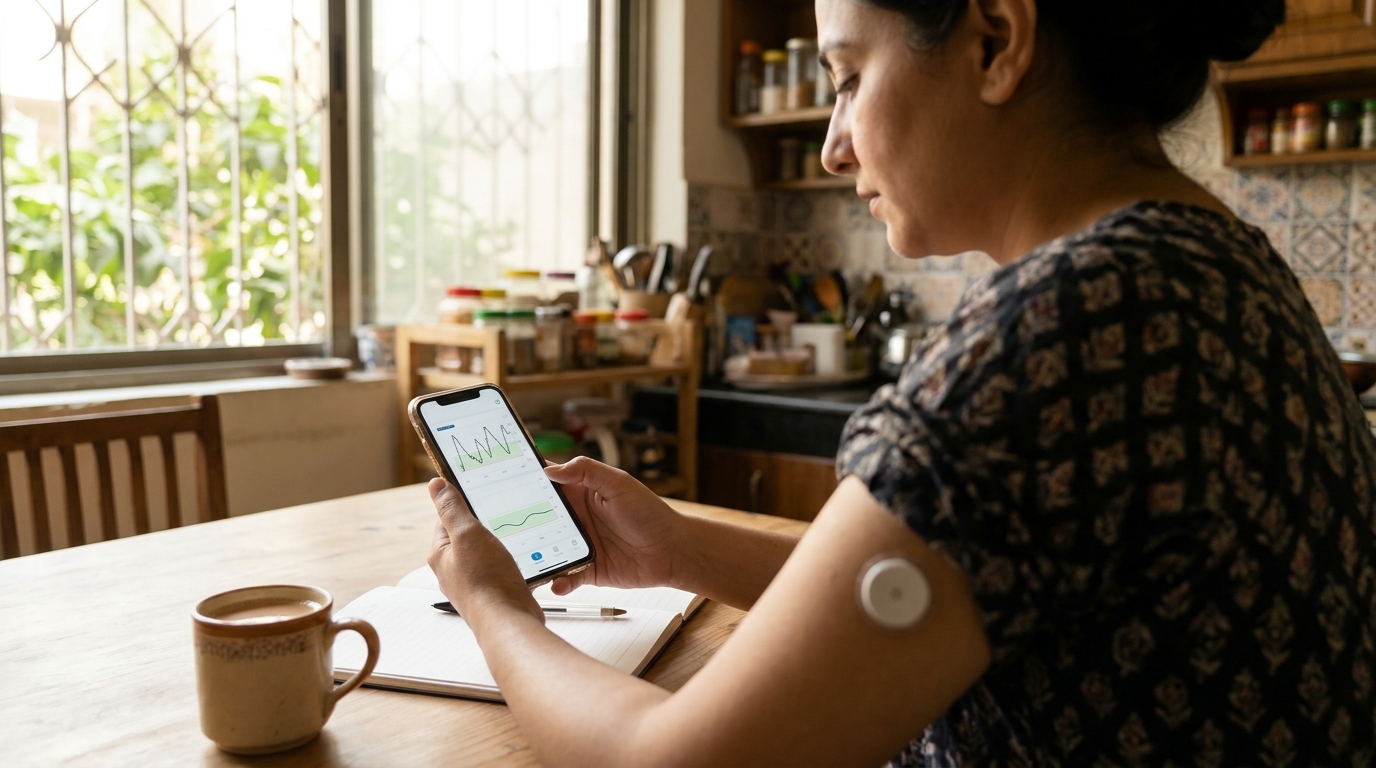
A continuous sensor provides a valuable early warning. If your glucose line begins to climb steadily over several hours with no clear reason, dehydration may be one factor. If your numbers are higher on hot afternoons and fall after you drink water and rest in a cool place, you are seeing the effect of fluid balance on your curve. These patterns are hard to see from isolated fingerpricks but are easy to spot on a graph.
Trends, Not Just Numbers
The real strength of a sensor is that it shows the direction and speed of change. A slowly rising line through the afternoon, a steady high level through the night, or repeated alerts for high glucose can prompt you to drink water, check for illness or contact your doctor sooner than you otherwise would.
Caregivers and Remote Alerts
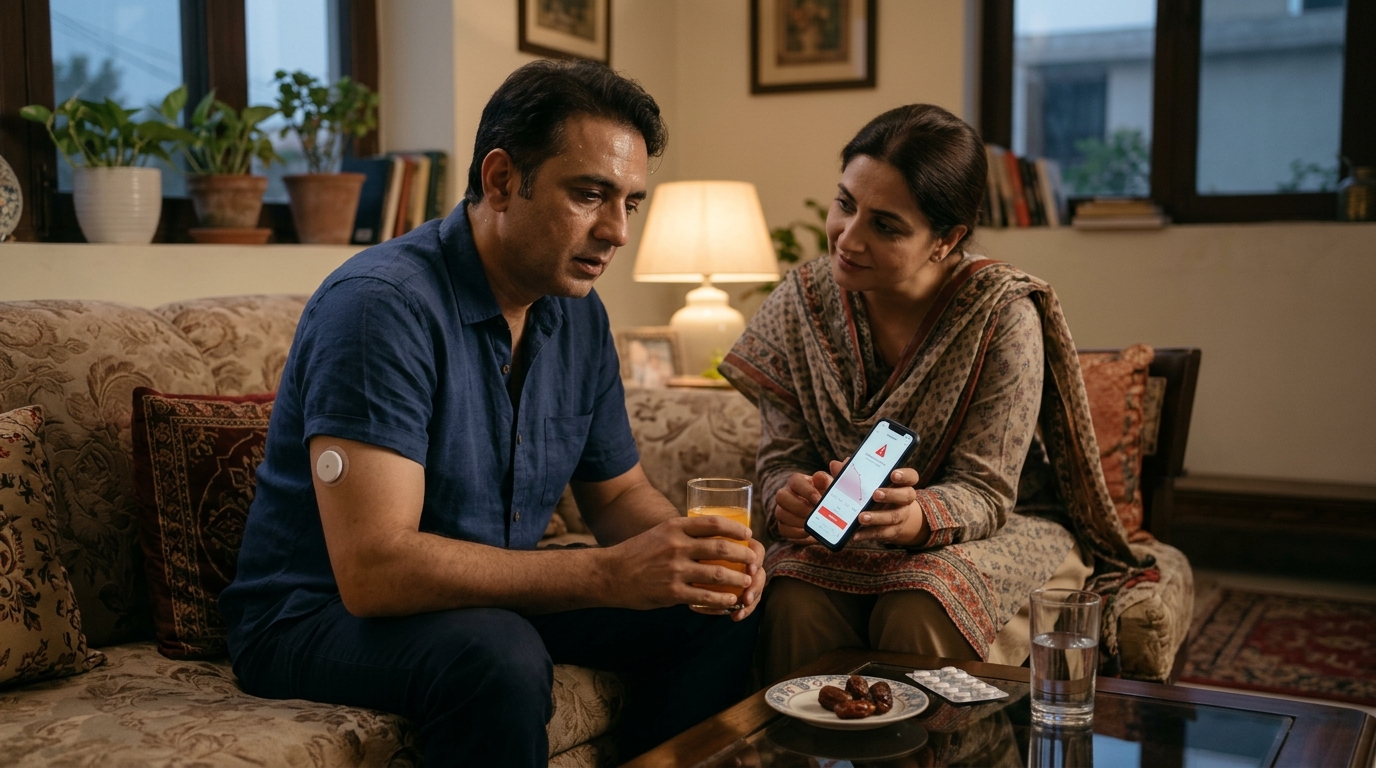
The iCan CGM, according to the information on the iCan CGM Pakistan store, is a 15-day sensor with no scanning, no fingerpricks, real-time alerts and a reading every three minutes. Through the iCan Reach app, a spouse or child can follow your data and receive alerts if you share it with them. For an older parent living alone, this can be the difference between a quiet problem noticed early and a dangerous one discovered too late. The adult MARD listed for the sensor is 8.71 percent, and the sensor is rated IP28 for water resistance, which is practical in the sweat and humidity of a Pakistani summer.
A note on interpretation: severe dehydration can affect how well tissues deliver fluid to the sensor site, and sensor readings may sometimes differ from a fingerprick in such conditions. If you feel very unwell, or the sensor reading does not match your symptoms, confirm with a fingerprick and seek medical help.
How Much Water Should You Drink
There is no single number that suits everyone. Many adults need roughly two to three liters of fluid a day in normal conditions, and more in hot weather or during exercise, but people with heart failure, advanced kidney disease or other conditions may be advised to limit fluids. Always follow your doctor’s advice if you have such conditions.
Simple Habits That Work
Keep a bottle of water within reach, drink a glass when you wake up, sip regularly through the day instead of waiting for thirst, and have a glass with each meal. Check the color of your urine: pale yellow generally suggests good hydration, and dark yellow suggests you need more fluids. A reminder on your phone can help if you tend to forget.
What to Drink and What to Avoid
Plain water is the best choice. Unsweetened lemon water, unsweetened buttermilk, clear soups and herbal teas without sugar can add variety. Sugary cold drinks, packaged juices, sweet lassi and large amounts of sharbat raise glucose and should be avoided or limited. Caffeinated drinks in large quantities can increase urination, so balance tea and coffee with water. If you are not sure whether coconut water or sugarcane juice suits you, test your own response with a sensor and discuss it with your doctor.
Oral Rehydration Solutions
During diarrhea or vomiting, an oral rehydration solution restores both water and salts. Standard ORS sachets contain a small amount of glucose to help absorption, and doctors generally recommend them even for people with diabetes during diarrhea, but you should monitor your sugar closely and follow medical guidance. Avoid making homemade mixtures with large amounts of sugar.
Heat Safety Tips for People With Diabetes
Hot weather requires extra care, since heat affects both the body and diabetes supplies.
Avoid Peak Heat
Stay indoors between late morning and late afternoon whenever possible. If you must go out, wear light, loose cotton clothing, a hat or an umbrella, and carry water. Avoid strenuous exercise in the heat and choose early morning or evening instead.
Protect Your Medicines and Equipment
Insulin and some other medicines can lose effectiveness if exposed to high temperatures, so store them as directed and never leave them in a hot car or in direct sun. Glucose meters and strips also have temperature limits. Sensors are designed for daily wear, but you should follow the manufacturer’s instructions for application and care, which you can find in the how to use guide.
Stay Cool at Night
Use fans, cooling methods or a damp cloth if power is out, and keep water by the bed. Heat and dehydration at night can raise glucose and disturb sleep, which in turn raises stress hormones.
Ramadan, Fasting and Dehydration
For people with diabetes who plan to fast, blood glucose and dehydration are central concerns. Doctors typically classify risk before Ramadan, and some people with high risk, such as those with frequent lows, poorly controlled glucose, advanced kidney disease or pregnancy, are advised not to fast.
Planning Before Ramadan
Visit your doctor several weeks before Ramadan to review medicines and timings. Learn the rules for breaking a fast: a glucose reading below about 70 mg/dL, or above about 300 mg/dL, or symptoms of severe dehydration, are widely accepted reasons to stop. Your doctor can give personalized thresholds.
Hydrating Between Iftar and Sehri
Drink water steadily from iftar to sehri instead of gulping large amounts at once. Choose water-rich foods such as cucumber, yogurt, soups and fruits with lower sugar content, and avoid salty, fried snacks that increase thirst. A sensor worn throughout the month shows how your glucose responds to different iftar and sehri patterns and to hot days.
Sick Days and Fluid Loss
Fever, diarrhea, vomiting and infections increase fluid needs and often raise glucose. Drink small amounts of fluid frequently, check your glucose more often, and call your doctor if you cannot keep fluids down, if your glucose stays high or if you have ketones. Your doctor may advise temporarily pausing some medicines during dehydration, but never do so without guidance.
Why Fingerprick Tests Alone Are Not Enough
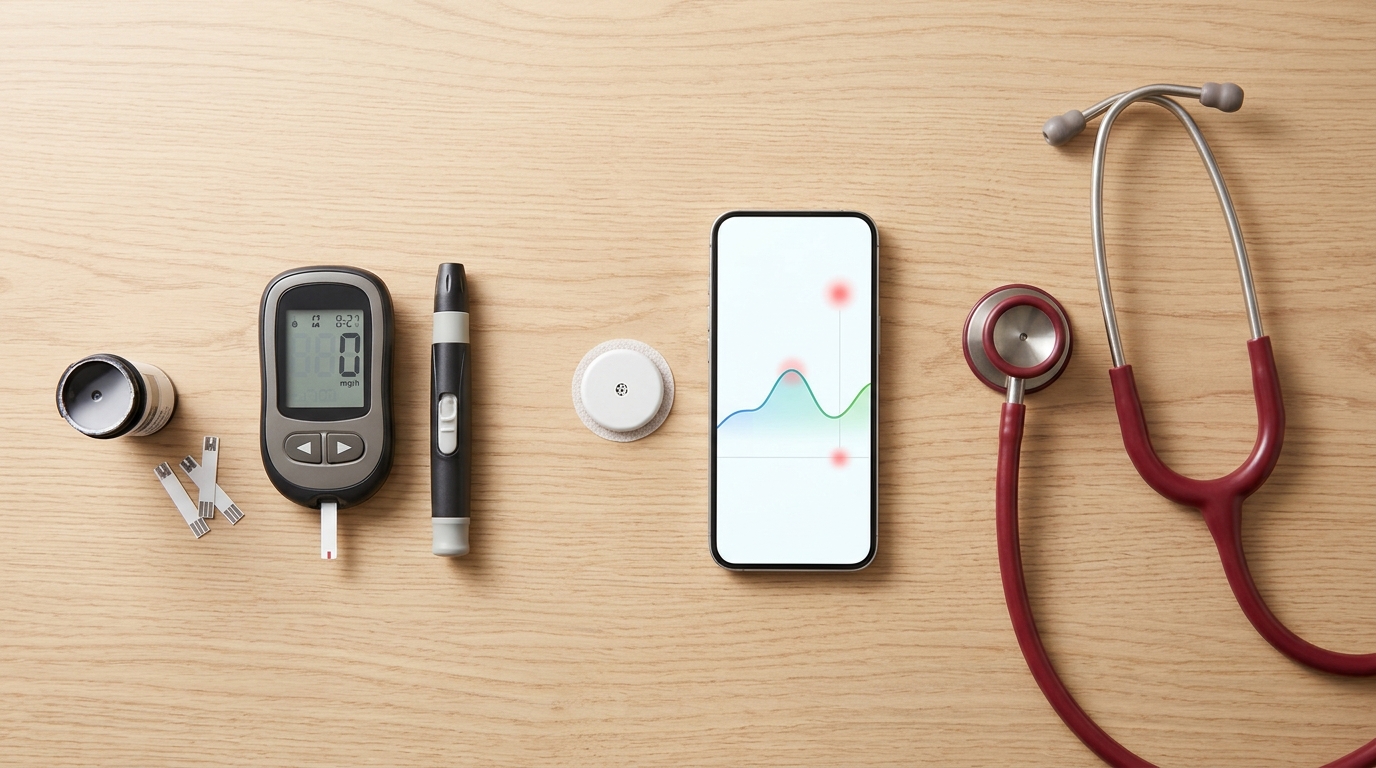
A fingerprick measures one moment and may not reveal the climbing trend that comes with dehydration. If you test twice a day, you could miss several hours of rising glucose in the afternoon heat. A sensor records a reading every three minutes, so the pattern becomes clear. If you use insulin or have had previous high-sugar emergencies, this continuous view adds a margin of safety.
Linking Habits to Numbers
Once you can see your curve, you can connect habits to results. You may notice that on days when you drink more water your glucose stays steadier, or that a cold drink in the afternoon produces a sharp spike. These insights make it easier to change habits because the benefit is visible.
Getting Started With Monitoring
If you are new to continuous monitoring, the bundle options can help you plan for longer than one sensor cycle, the store FAQ page answers common questions, and the about page tells you more about the company behind the product.
Practical Daily Checklist in Paragraph Form
Start the day with a glass of water, check your glucose trend on your phone and keep a bottle with you. Choose plain water over sugary drinks and treat sharbat as an occasional drink, not a thirst quencher. In hot weather, schedule outdoor tasks for early morning or evening and rest in the shade. Watch your urine color and your thirst. If your glucose is persistently high, do not ignore it, since high sugar is itself a cause of fluid loss. Keep a close eye on elderly relatives, who may not feel thirsty. During illness, drink small sips often, monitor more closely and call your doctor early.
When to Seek Medical Help
Call your doctor or go to the nearest hospital if you have persistent vomiting or diarrhea, cannot keep fluids down, feel confused or very drowsy, have a very fast heartbeat, are passing almost no urine, or have glucose readings that stay very high despite treatment. Seek emergency care for symptoms of ketoacidosis or hyperosmolar state, including rapid breathing, fruity breath, severe abdominal pain or profound weakness. This article is educational and does not replace personal medical advice, diagnosis or treatment.
Your Questions Answered: Hydration and Diabetes
Can drinking more water lower my blood sugar?
Water does not lower glucose directly in the way medicines do, but staying well hydrated prevents the concentration effect of dehydration and helps the kidneys flush excess sugar. If your readings are higher when you are dehydrated, rehydration often brings them down somewhat. Drinking water should never replace prescribed treatment.
Why am I so thirsty when my sugar is high?
When glucose is high, the kidneys excrete it in the urine and take water along with it. This increases urination and causes fluid loss, which triggers thirst. Persistent thirst and frequent urination are classic signs that your glucose is running high and should be checked.
Is it safe to drink sugarcane juice or sharbat in summer?
These drinks contain a large amount of sugar and can raise glucose quickly. Some people with well-controlled diabetes may tolerate a very small portion, but plain water is the safest choice. A sensor lets you see your personal response so you can discuss it with your doctor.
Can dehydration make my sensor reading look higher?
Dehydration can raise real blood glucose by concentrating the blood and triggering stress hormones. In severe dehydration, sensor readings may also differ from fingerprick values, so confirm with a fingerprick if you feel unwell or if the reading does not match your symptoms.
How can I protect an elderly parent with diabetes during summer?
Encourage regular sips of water through the day, keep their room cool, limit sugary drinks and watch for confusion, weakness or reduced urination. A sensor with remote alerts through the iCan Reach app lets you follow their numbers from another room or another city if they agree to share their data.
Final Thoughts
Blood glucose and dehydration form a two-way street. High sugar makes you lose water, and losing water makes sugar harder to control. In Pakistan, where summer heat, fasting, sugary drinks and stomach infections are everyday realities, understanding this link is a practical safety skill. Drink water regularly, choose better drinks, watch for warning signs, protect older relatives and use data to guide your decisions. If you want to see how heat, fluids and food shape your glucose through the day, explore the iCan CGM at icancgm.pk and stay one step ahead of dehydration.