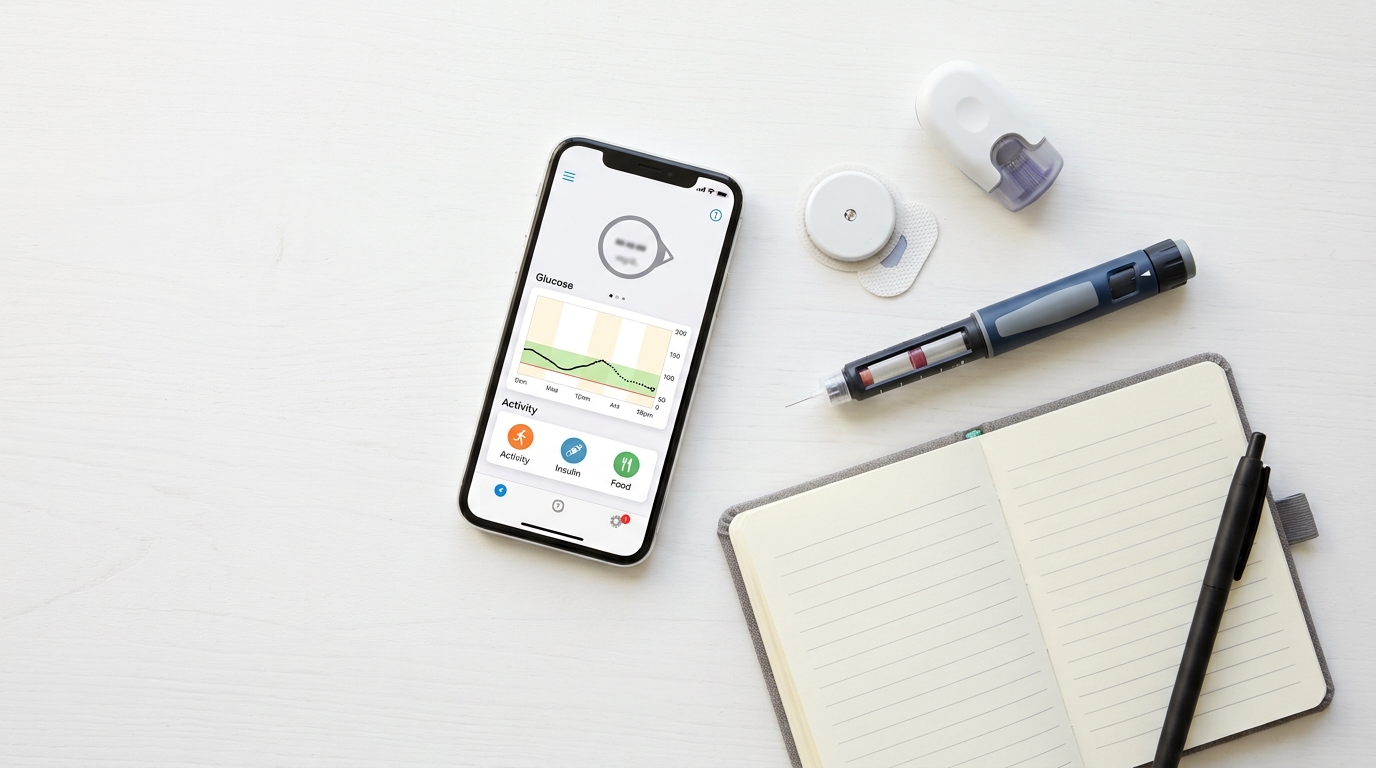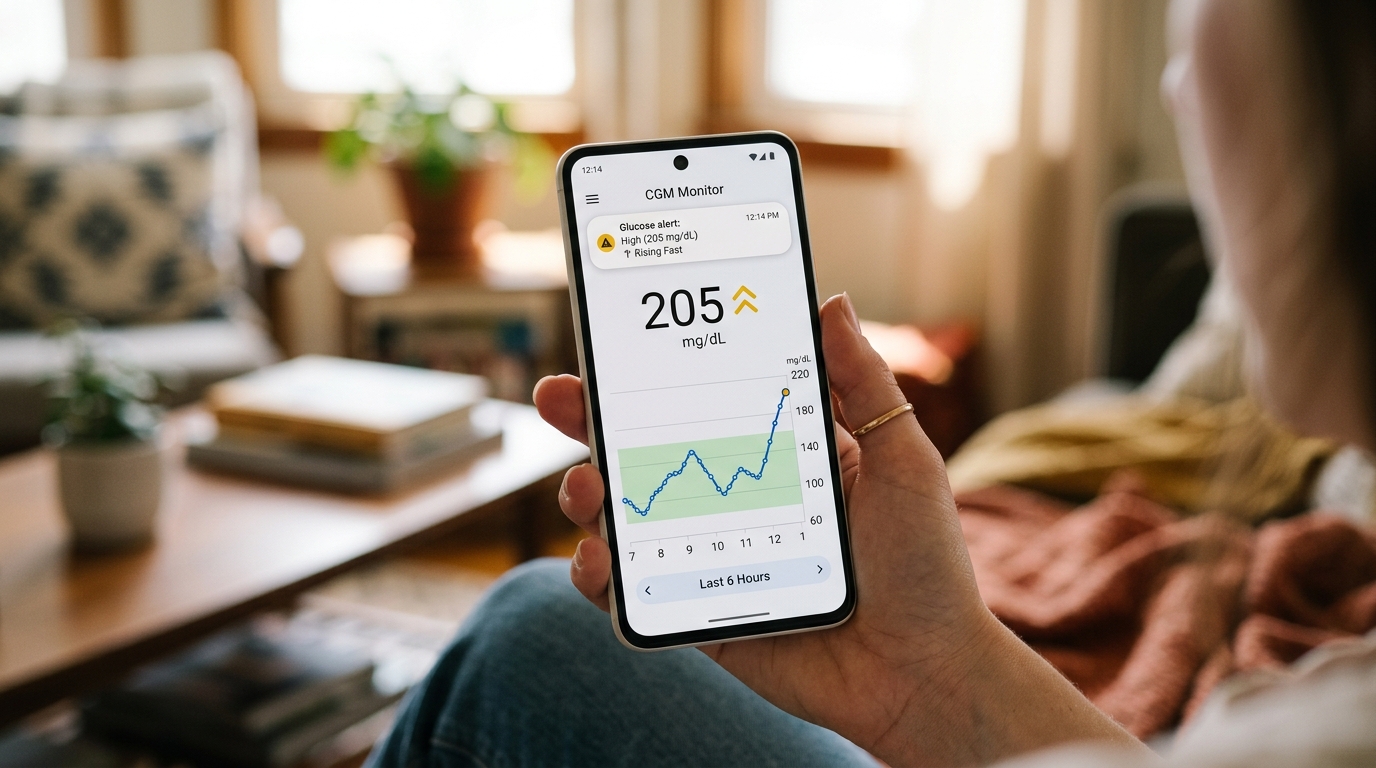
Continuous glucose monitors have become a game changing tool for people managing diabetes, prediabetes, and general metabolic health. The one question almost every new user asks first is whether their insurance will help pay for it. In Pakistan, the answer is complicated, and it changes depending on your provider, your plan, and your health status. This guide walks you through what the current landscape looks like, what to ask your insurer, and how to plan around the gaps in coverage.
The Current State of CGM Coverage in Pakistan
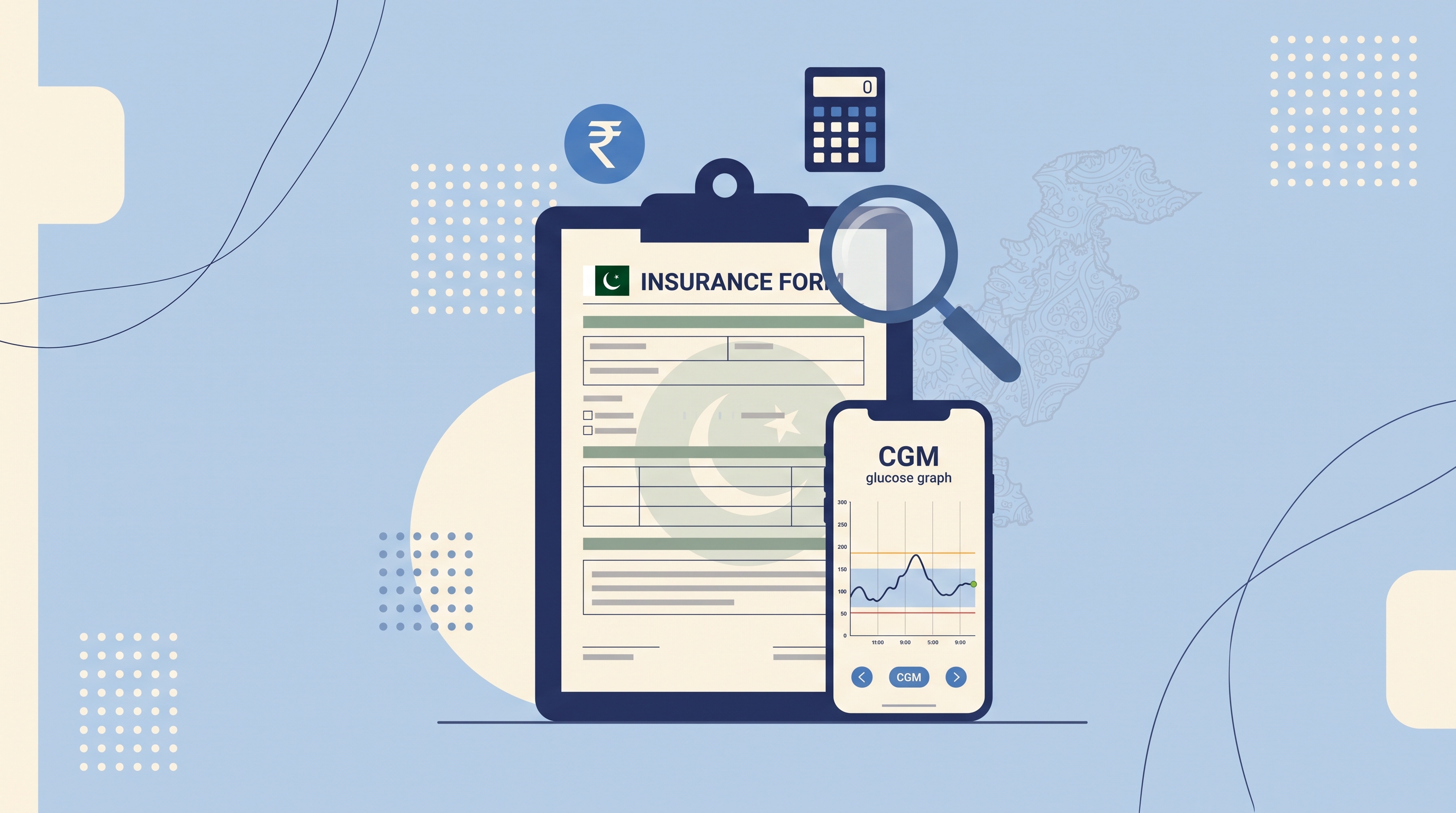
Most health insurance plans in Pakistan were built around traditional care models. Hospital admission, surgery, medication after diagnosis, and routine lab tests are the categories that usually get covered. Preventive tools and modern diabetes technology like the iCan CGM often sit outside that scope. The result is that most Pakistani users currently pay for their sensors out of pocket.
This is starting to shift, but slowly. A handful of premium plans and corporate health packages now include partial diabetes device coverage, especially for policyholders with a confirmed diabetes diagnosis. If you have a strong plan through your employer, it is worth checking the fine print rather than assuming the answer is no.
What to Ask Your Insurance Provider
Call your insurer directly rather than checking the website. Written policies rarely mention CGMs by name, but a customer service representative can often tell you whether diabetes management devices fall under any part of your plan.
Ask three specific questions. First, does your plan cover continuous glucose monitoring devices for diagnosed diabetes patients. Second, does the plan cover diabetes related consumables such as sensors, testing strips, or supplies. Third, if coverage is not routine, is there a reimbursement pathway where you submit receipts for review.
Keep notes of the conversation, including the name of the representative and the date. Insurance policies in Pakistan can be inconsistent, and having a record helps if you need to escalate later.
Employer Health Benefits
Some larger Pakistani employers, especially multinational companies and banks, have started adding wellness benefits that include diabetes support. If your company runs an annual health checkup or has a corporate wellness program, ask the HR team whether CGM devices can be added to your benefits.
Companies are more open to this than most employees realize, because supporting an employee's diabetes management often reduces sick leave and improves productivity. A short conversation with HR sometimes opens doors that a call to your insurer will not.
Paying Out of Pocket
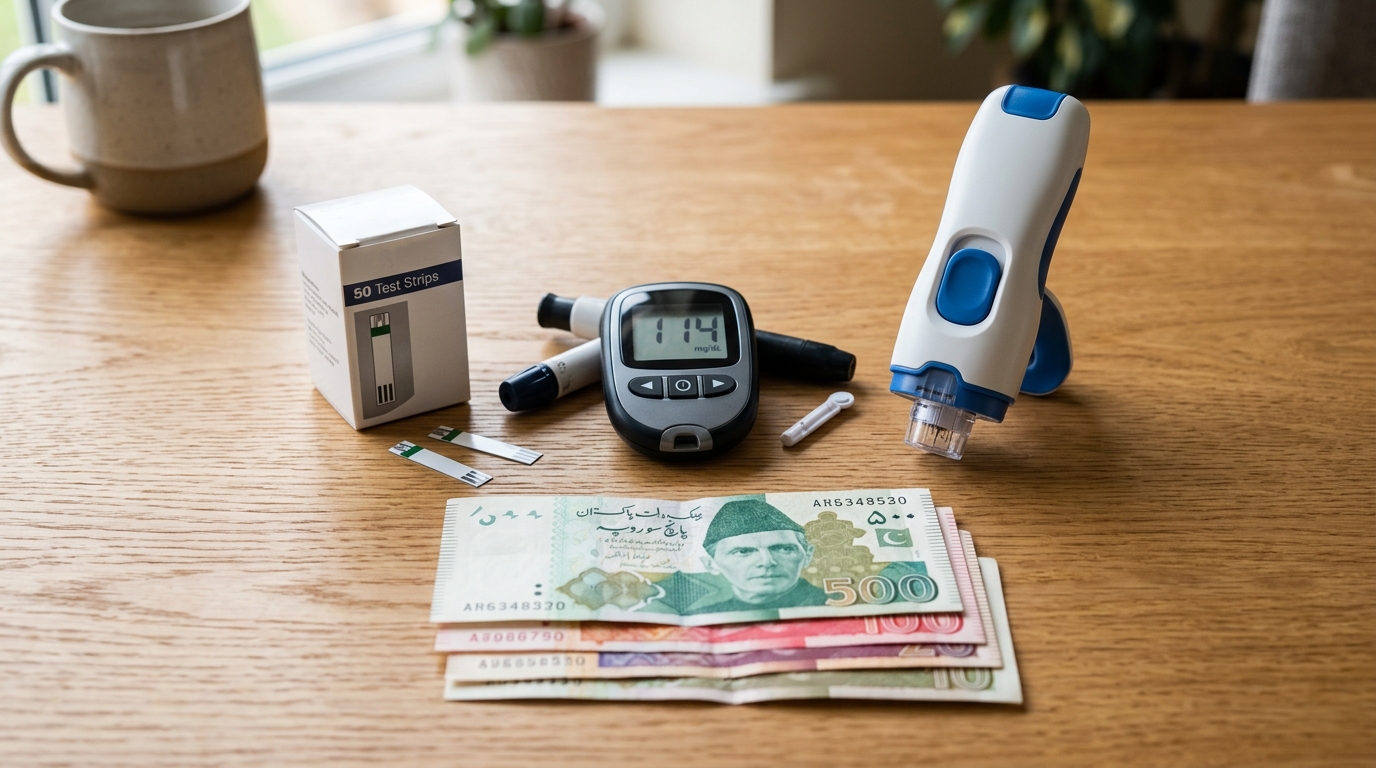
For most Pakistanis, buying an iCan CGM directly is still the practical route. The good news is that pricing in the Pakistani market has become more accessible than it was even two years ago. When you compare the cost of a monthly sensor against the cost of frequent lab tests, doctor visits, and complications from unmanaged diabetes, the math often works in favor of the device.
Some suppliers offer bulk pricing for multi month packages, which brings the per sensor cost down. It is worth asking your local supplier or the official iCan distributor about longer term options if you plan to wear a CGM continuously.
Tax and Medical Expense Considerations
Pakistan does not have a strong system for personal medical expense deductions the way some countries do, but medical expenses related to a chronic condition can sometimes be discussed with a tax advisor. If you run a business or file taxes independently, keep receipts for your iCan CGM purchases in case the guidance changes or your accountant finds a category where the expense applies.
What the Future May Look Like
Insurance coverage for CGMs has expanded rapidly in North America, Europe, and parts of the Middle East over the last five years. Pakistan is likely to follow, but at its own pace. Awareness among Pakistani endocrinologists is growing, and as more doctors formally recommend CGMs, insurance providers will face increasing pressure to include them in standard plans.
For now, treat the iCan CGM as a health investment you make directly, keep receipts, ask your employer and insurer clear questions, and check back with them each year as policies evolve. The tool is worth the cost for many users, and the coverage landscape is only moving in one direction.