What Are Continuous Glucose Monitoring Systems? A Detailed Explanation for Pakistani Users
For anyone newly encountering the term, continuous glucose monitoring systems can sound complicated or intimidating at first. In reality, once broken down into its basic parts and purpose, the concept is fairly straightforward, and understanding it properly can make a real difference in how confidently someone approaches diabetes management. This article offers a detailed, plain-language explanation of what continuous glucose monitoring systems are, how they actually work beneath the surface, and how they compare to the testing methods most people in Pakistan are already familiar with.
Defining Continuous Glucose Monitoring Systems
Continuous glucose monitoring systems are wearable medical devices designed to automatically and repeatedly measure glucose levels throughout the day and night, without requiring a fingerstick blood sample for every reading. Instead of a single number captured at one moment in time, these systems generate a steady stream of data, often every one to five minutes, which is then displayed as a trend graph on a smartphone app or dedicated reader. This continuous stream of information is what gives the technology its name, distinguishing it clearly from traditional testing methods that only ever capture isolated snapshots.
A Brief History of How This Technology Developed
Continuous glucose monitoring systems did not appear overnight. Early versions of the technology, developed decades ago, were bulky, required frequent calibration with fingerstick tests, and were primarily used in clinical or research settings rather than for everyday personal use. Over time, sensor accuracy improved dramatically, devices became smaller and more comfortable to wear, and calibration requirements were reduced or eliminated entirely in many modern systems. What was once a specialized hospital tool has gradually become a practical, everyday option available directly to consumers, including a growing number of people across Pakistan.
The Core Components Explained in Depth
The Sensor and Filament
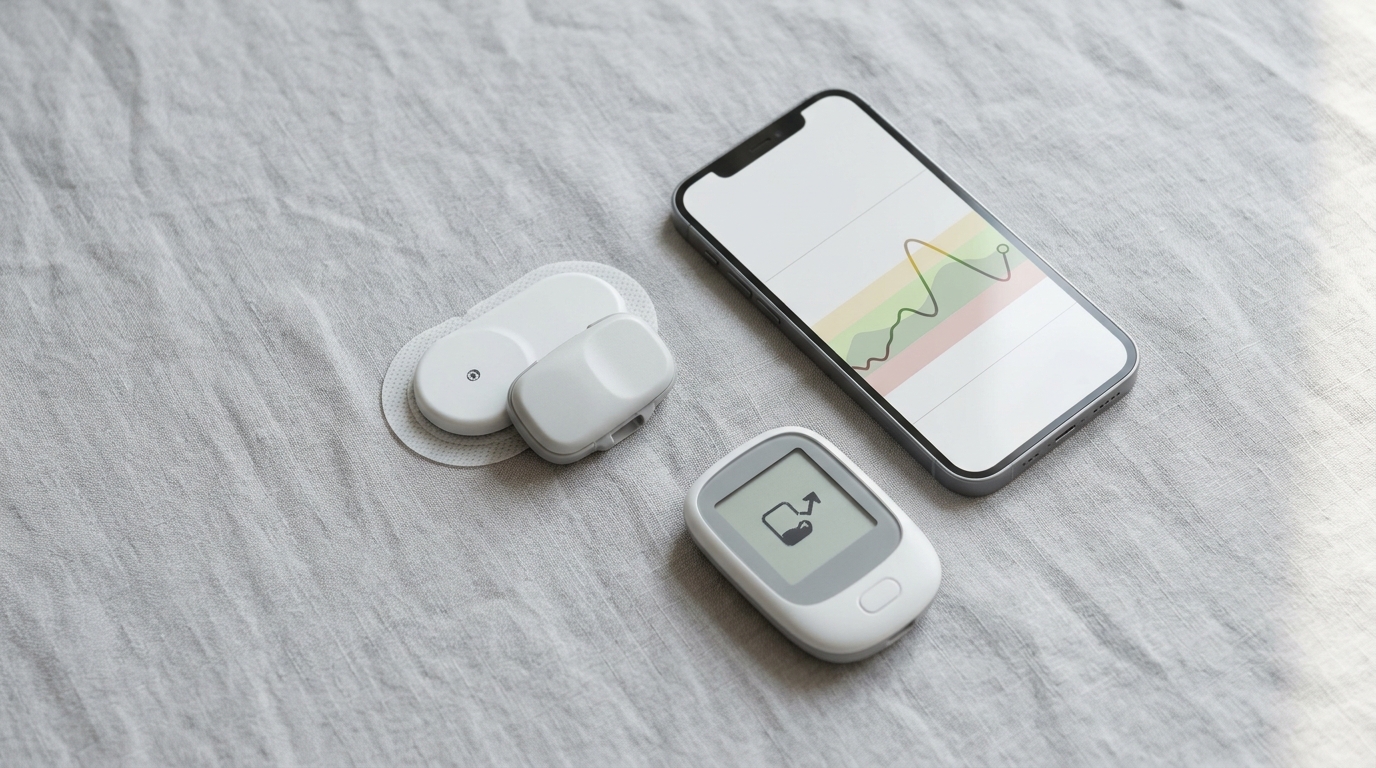
The sensor is the part of a continuous glucose monitoring system that actually sits on the body. Beneath a small adhesive patch lies a thin, flexible filament that is inserted just under the skin's surface during application. This filament does not measure blood directly, but rather glucose levels in the interstitial fluid, the thin layer of fluid that surrounds the body's cells, which closely tracks blood glucose levels with a short, predictable time delay.
The Transmitter
In many continuous glucose monitoring systems, a small transmitter either sits within the sensor housing itself or attaches to it, responsible for sending the collected glucose data wirelessly to a paired device. This transmitter is what enables the "continuous" and automatic nature of the system, removing the need for the user to manually initiate every single reading.
The Receiver, Reader, or Smartphone App
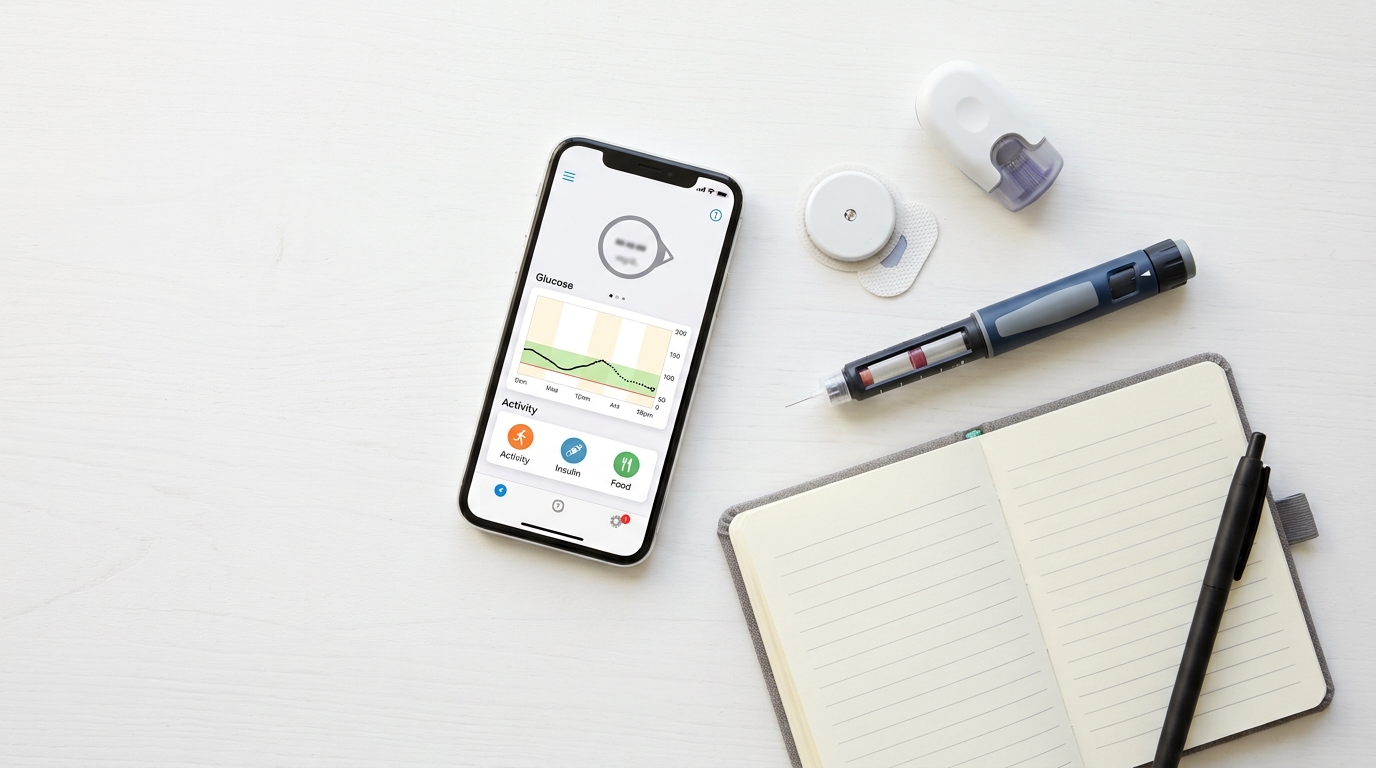
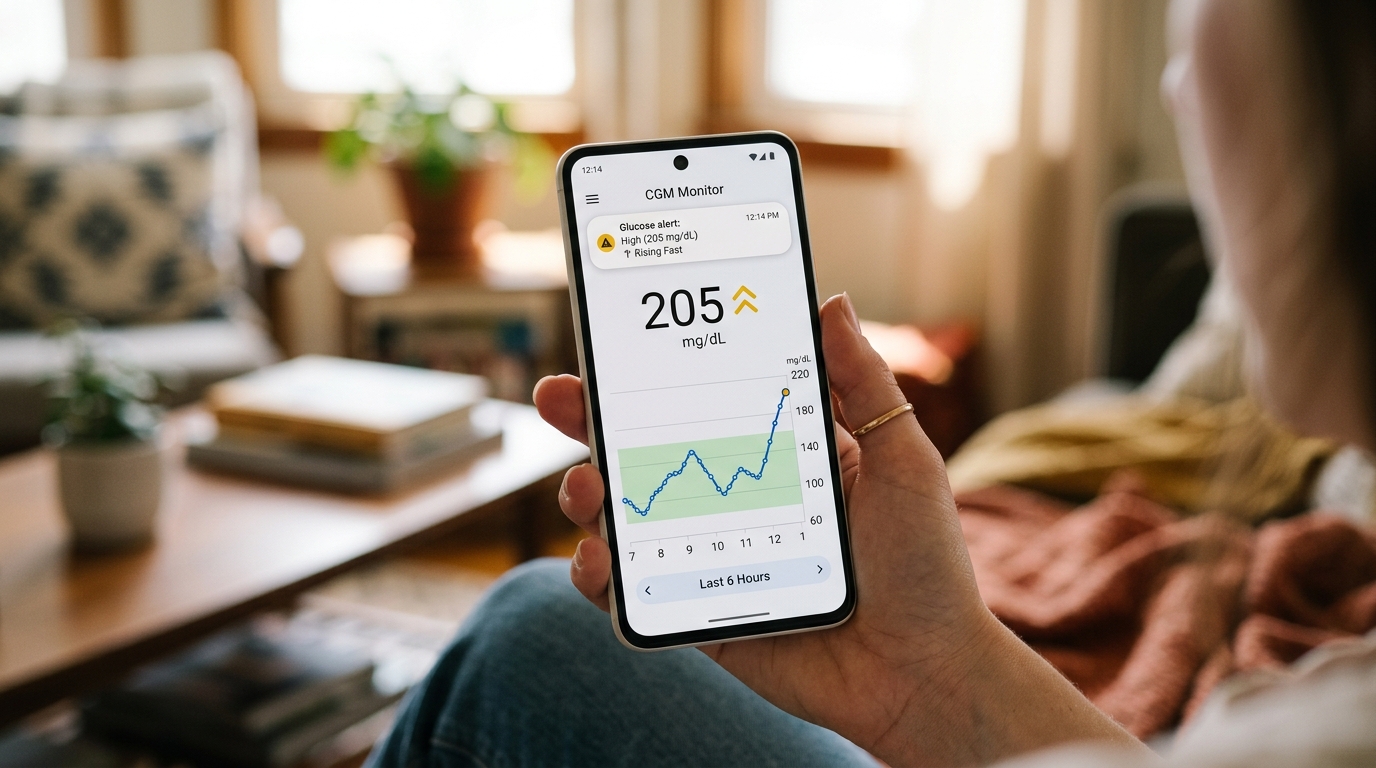
The final piece of the puzzle is the display component, which could be a dedicated handheld reader or, more commonly today, a smartphone app. This is where the raw glucose data becomes genuinely useful, translated into a visual trend graph, directional arrows showing whether glucose is rising or falling, and customizable alerts that notify the user of highs or lows.
How Signal Processing and Accuracy Work
Continuous glucose monitoring systems rely on sophisticated algorithms to convert the electrical signal generated by the sensor's interaction with interstitial fluid glucose into an actual glucose value displayed to the user. These algorithms account for factors such as the natural time lag between blood glucose and interstitial fluid glucose, sensor aging over its wear period, and temperature variation. Manufacturers extensively test and validate these algorithms against laboratory-grade blood glucose measurements to ensure the displayed values fall within an acceptable accuracy range for everyday clinical decision-making.
Calibration: Then and Now
Older generations of continuous glucose monitoring systems required users to perform periodic fingerstick tests throughout the day to calibrate the sensor and maintain accuracy. Many modern systems have moved to factory calibration, meaning the sensor is pre-calibrated during manufacturing and requires no additional fingersticks during normal use. However, some systems still recommend confirmatory fingerstick testing in specific situations, such as when displayed readings do not match how the user is feeling, or during rapid glucose changes where interstitial fluid lag becomes more noticeable.
How Continuous Glucose Monitoring Systems Differ From Flash Systems
While continuous and flash glucose monitoring systems share a similar physical sensor design, the key difference lies in how data reaches the user. A continuous glucose monitoring system automatically pushes data to a paired app or reader at regular intervals without any action required from the user, and typically supports real-time alerts for highs and lows. A flash system, by contrast, stores data continuously on the sensor itself but requires the user to manually scan the sensor with a reader or smartphone to retrieve it, meaning it does not offer the same automatic, real-time alert capability unless paired with additional accessories in some cases.
Common Use Cases for Continuous Glucose Monitoring Systems
Continuous glucose monitoring systems are used across a wide range of situations. People with type 1 diabetes rely on them heavily to fine-tune insulin dosing throughout the day. People with type 2 diabetes, particularly those on intensive insulin therapy, use them to catch patterns and prevent dangerous swings. Pregnant women managing gestational diabetes use them to maintain the tighter glucose control recommended during pregnancy with far less physical discomfort than repeated fingerstick testing. Increasingly, health-conscious individuals without a diabetes diagnosis are also using continuous glucose monitoring systems briefly to better understand their own metabolic responses to food and exercise.
Regulatory Status and Safety Standards
Continuous glucose monitoring systems sold through legitimate channels are subject to regulatory review in their country of manufacture, typically requiring clinical validation of accuracy before being approved for consumer use. When purchasing a continuous glucose monitoring system in Pakistan, it is important to buy from a supplier who can confirm the product's origin and regulatory approval status, since counterfeit or unauthorized devices may not meet the same safety and accuracy standards, potentially leading to dangerously misleading readings.
Common Misconceptions About Continuous Glucose Monitoring Systems
One common misconception is that continuous glucose monitoring systems measure blood glucose directly, when in fact they measure glucose in interstitial fluid, which closely correlates with blood glucose but involves a short physiological delay. Another misconception is that these systems are only for people with severe or advanced diabetes, when in reality they are increasingly used across a wide spectrum of diabetes severity, and even by people without diabetes for short-term metabolic insight. Some people also assume continuous glucose monitoring systems are prohibitively complicated to use, when most modern systems are designed with straightforward smartphone apps that require minimal technical skill to operate confidently.
Who Should Consider Using a Continuous Glucose Monitoring System
Continuous glucose monitoring systems tend to offer the greatest value for people who experience frequent or unpredictable glucose swings, those on insulin therapy who need precise dosing information, pregnant women managing gestational diabetes, and anyone with a history of severe hypoglycemia who benefits from automated alerts. That said, the decision to use a continuous glucose monitoring system should always be made in consultation with a healthcare provider, who can help assess whether the specific medical situation justifies the additional cost and complexity compared to simpler monitoring methods.
How to Get Started With a Continuous Glucose Monitoring System
Getting started typically begins with selecting a specific device suited to individual needs, understanding the recommended sensor placement sites, and setting up the companion smartphone app with appropriate alert thresholds. Many new users find it helpful to keep a simple log of meals and activities during the first couple of weeks, making it easier to connect specific glucose patterns to specific triggers. Reviewing the detailed guide to CGM sensor placement available on the iCanCGM blog before the very first application can help avoid common early mistakes and improve accuracy from day one.
How iCanCGM Supports New and Experienced Users
iCanCGM offers a range of continuous glucose monitoring systems suited to different needs and budgets, available through icancgm.pk, along with clear guidance to help both first-time and experienced users get the most out of their device. Whether someone is exploring this technology for the first time or comparing it against a traditional glucose monitoring system already in use, the site's broader articles on the continuous glucose monitor in Pakistan and blood glucose monitoring system price offer useful additional context to support an informed decision.
FAQs
Do continuous glucose monitoring systems require fingerstick testing at all? Many modern systems are factory calibrated and require little to no routine fingerstick testing, though some situations, such as symptoms not matching the displayed reading, may still call for a confirmatory fingerstick check.
How is interstitial fluid glucose different from blood glucose? Interstitial fluid glucose closely tracks blood glucose levels but with a short physiological delay, meaning readings from a continuous glucose monitoring system may lag slightly behind blood glucose during rapid changes.
Are continuous glucose monitoring systems difficult to use for someone who is not tech-savvy? Most modern systems are designed with simple, intuitive smartphone apps, and many users who are not particularly comfortable with technology find them manageable after the first few days of use.
Can a continuous glucose monitoring system be used by children? Yes, many systems are approved for use in children, often with additional features such as remote data sharing that allow a parent or guardian to monitor readings from another location.
How do I know if a continuous glucose monitoring system is genuine before buying it in Pakistan? Buying from an established, transparent supplier that clearly states the brand, origin, and regulatory approval status of the device, such as iCanCGM, is the most reliable way to ensure authenticity.