Diabetes Management Technology in Pakistan: The Complete Landscape
Diabetes management has evolved far beyond a meter and a handful of test strips. Across Pakistan, a growing ecosystem of diabetes management technology is reshaping how people track their condition, communicate with doctors, and make daily decisions about food, activity, and medication. This shift is happening against the backdrop of one of the highest diabetes prevalence rates in the world, making the adoption of effective technology not just a matter of convenience, but a genuine public health priority. This article maps out the current landscape of diabetes management technology available in Pakistan, from glucose monitoring to insulin delivery, digital health apps, and the broader digital health infrastructure supporting all of it.
The Scale of the Challenge Facing Pakistan
Pakistan's diabetes burden has grown rapidly over the past two decades, driven by a combination of genetic predisposition, urbanization, changing dietary patterns, and reduced physical activity. Millions of adults across the country are currently living with type 2 diabetes, and a significant number remain undiagnosed or diagnosed only after complications have already developed. This scale of the problem creates enormous pressure on a healthcare system that, in many regions, still faces resource constraints and uneven access to specialist care. Diabetes management technology has emerged as one of the most practical tools available to bridge this gap, allowing patients to take a more active, informed role in their own daily care rather than relying solely on periodic clinic visits.
Glucose Monitoring Technology
From Fingersticks to Continuous Monitoring
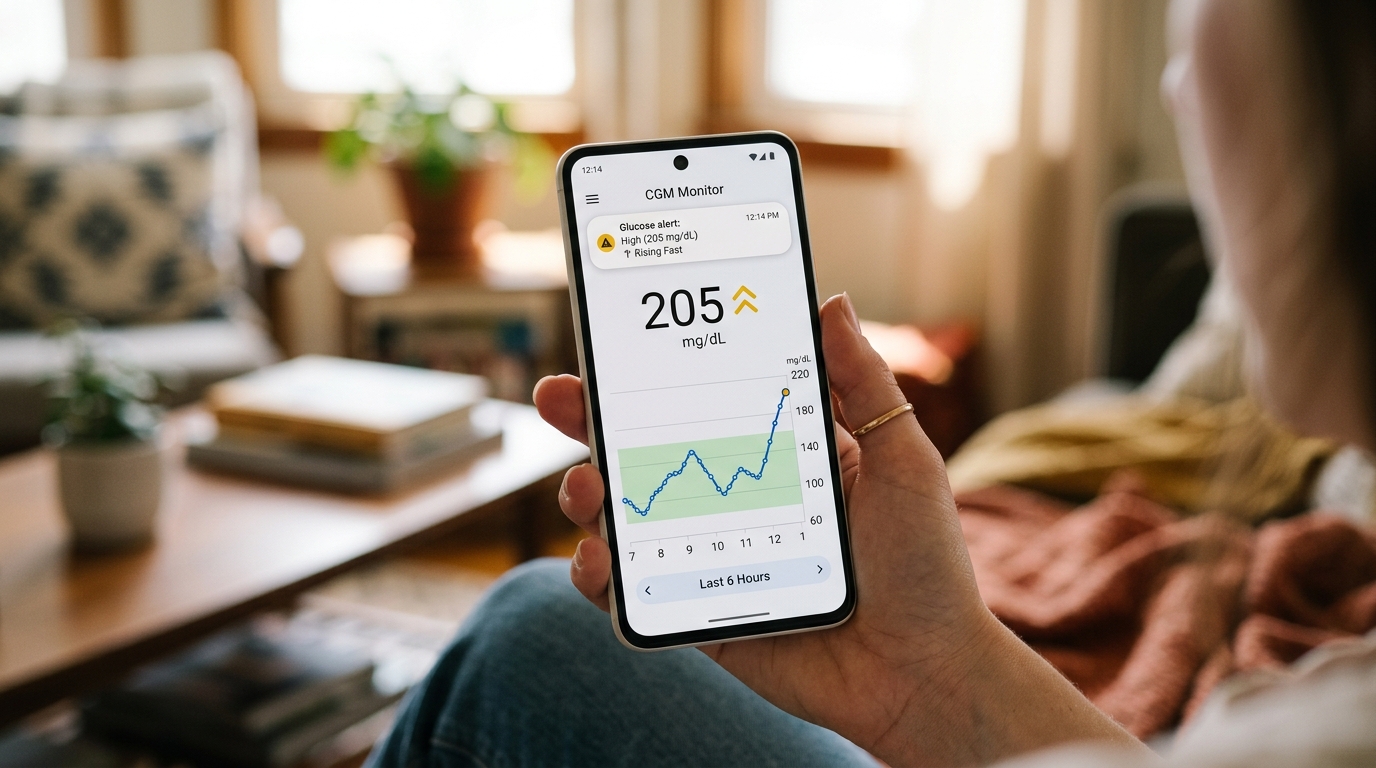
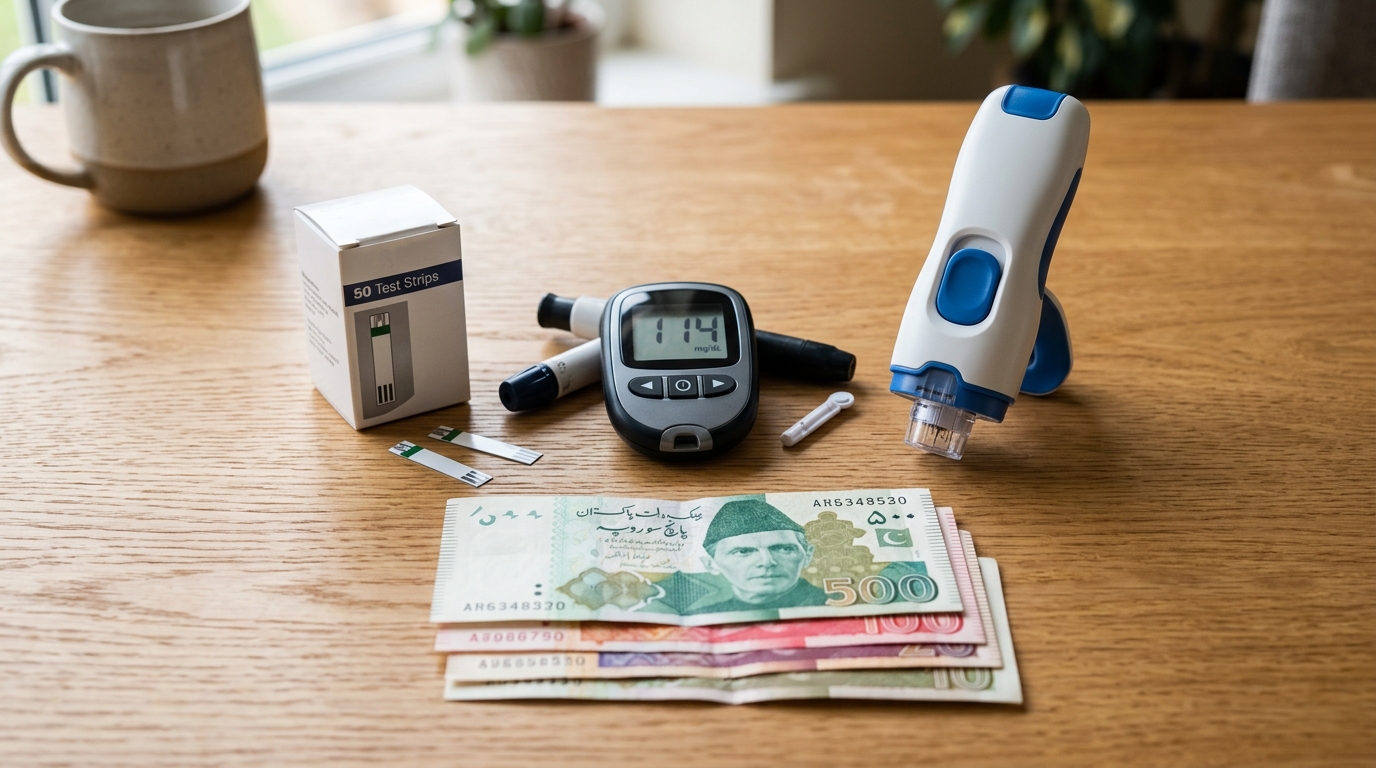
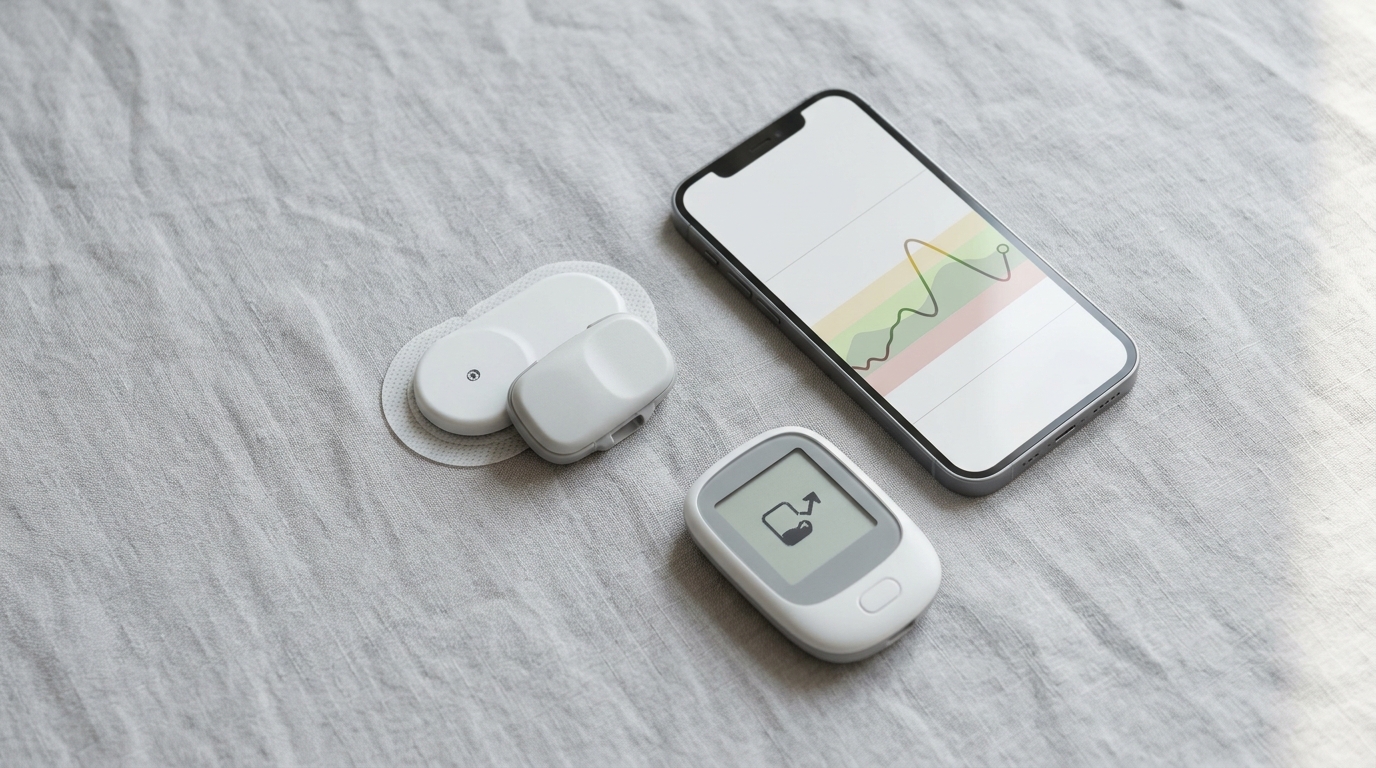
Glucose monitoring remains the foundation of nearly all diabetes management technology, and Pakistan has seen a clear progression from basic fingerstick glucometers toward flash and continuous glucose monitoring systems. This shift matters because it moves patients from isolated, occasional readings toward a continuous, connected understanding of how their glucose behaves throughout the day, a change explored in detail in the broader guide to continuous glucose monitoring systems available on the iCanCGM blog.
The Growing Role of Data in Everyday Decisions
Modern glucose monitoring devices do more than simply display a number, they generate structured data that can be reviewed for patterns, exported for doctor visits, and used to fine-tune both lifestyle choices and medication timing. This data-driven approach represents one of the clearest examples of how diabetes management technology has changed the day-to-day experience of living with the condition in Pakistan.
Insulin Delivery Technology
Insulin Pens
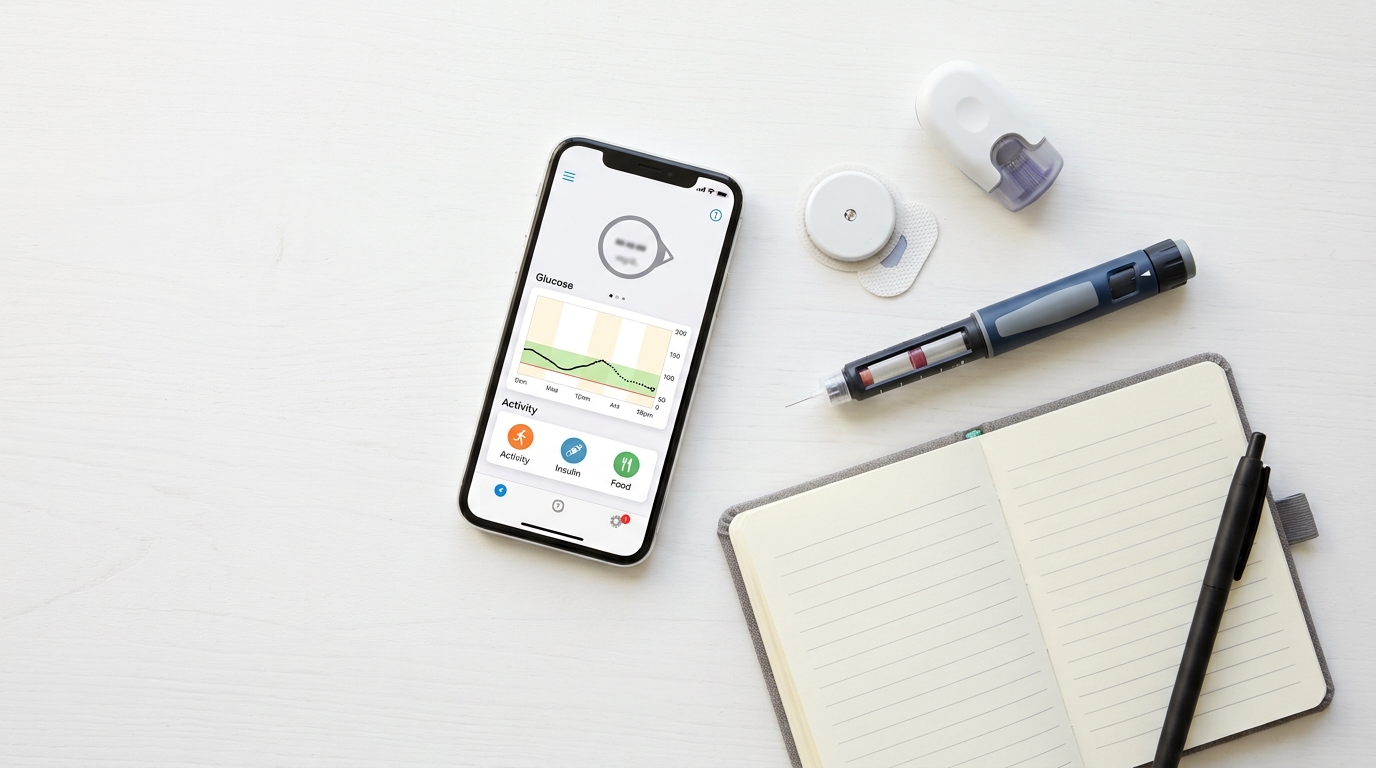
Insulin pens have largely replaced traditional vial-and-syringe insulin delivery for many patients in Pakistan, offering more precise, convenient, and discreet dosing. Modern smart insulin pens go a step further, recording the time and size of each dose directly through a connected app, which helps patients avoid missed or duplicate doses and gives doctors a clearer record of actual insulin usage between appointments.
Insulin Pumps
Insulin pumps represent a more advanced category of diabetes management technology, delivering continuous, finely adjustable doses of insulin throughout the day rather than requiring multiple daily injections. While still less common in Pakistan than in some other markets due to cost and access barriers, awareness and availability of insulin pump technology continue to grow, particularly among patients with type 1 diabetes seeking tighter, more flexible control.
Digital Health Apps for Diabetes Management
A wide range of digital health apps now support diabetes management technology in Pakistan, ranging from simple logging tools that track meals, medication, and glucose readings, to more sophisticated platforms that integrate directly with glucose monitoring devices and insulin pens. These apps often include features such as carbohydrate counting assistance, medication reminders, and visual reports designed to be shared easily with a treating physician. For many patients, particularly younger, smartphone-comfortable users, these apps have become a central hub that ties together every other piece of diabetes management technology they use.
Telemedicine and Remote Consultation
Telemedicine has become an increasingly important part of the diabetes management technology landscape in Pakistan, particularly for patients in smaller cities or rural areas with limited access to endocrinologists and diabetes specialists. Remote consultations, often combined with shared glucose monitoring data, allow doctors to review trends and adjust treatment plans without requiring a patient to travel long distances for every routine check-in. This has proven especially valuable during periods when in-person healthcare access was disrupted, and its continued growth reflects a broader shift toward more flexible, technology-supported care delivery.
The Role of Artificial Intelligence and Data Analytics
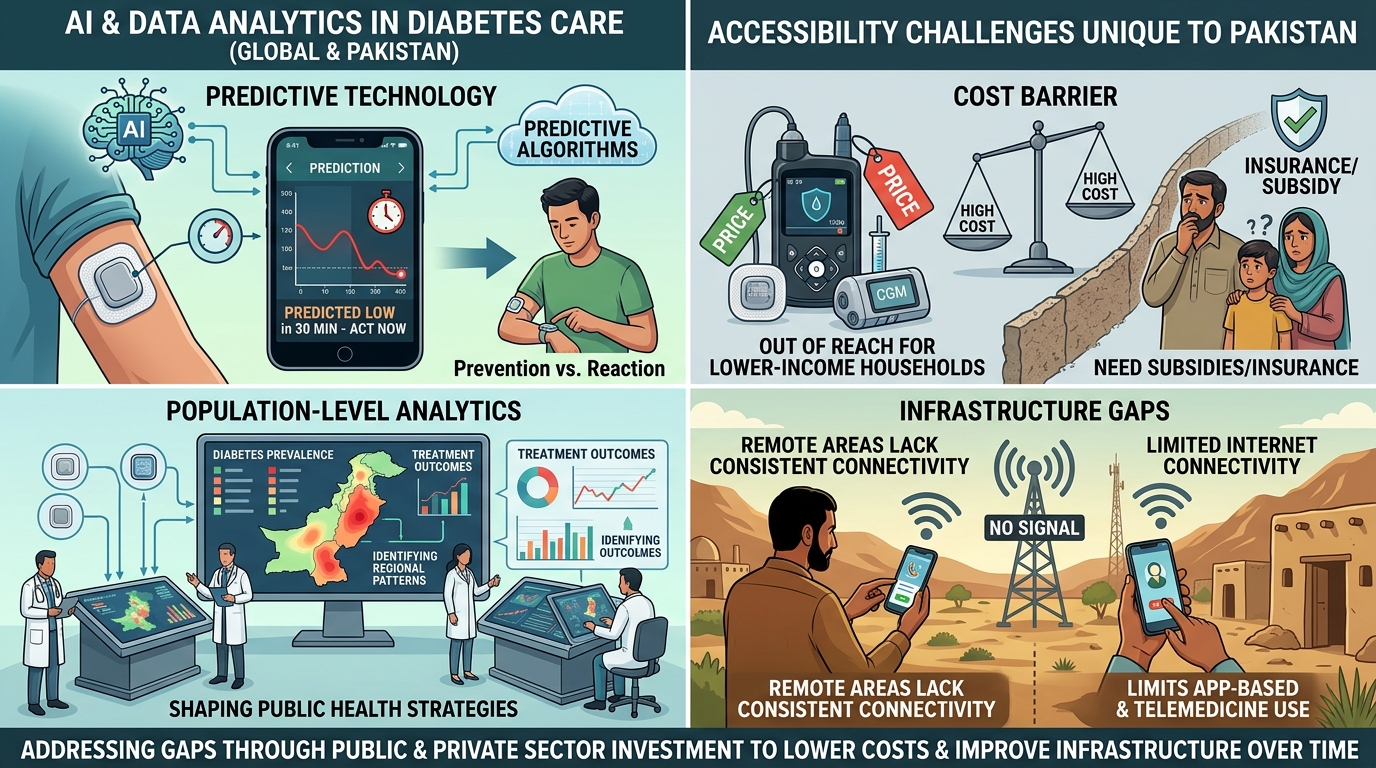
Artificial intelligence is beginning to play a growing role in diabetes management technology, both globally and within Pakistan's healthcare landscape. Predictive algorithms built into some continuous glucose monitoring systems can now flag likely future highs or lows before they occur, giving patients a genuine head start on prevention rather than only reacting after the fact. On a broader scale, data analytics tools are increasingly being used by healthcare providers and research institutions to identify population-level patterns in diabetes prevalence and treatment outcomes across different regions of the country, helping shape more effective public health strategies over time.
Accessibility Challenges Unique to Pakistan
Despite this growing landscape, real accessibility challenges remain for diabetes management technology in Pakistan. Cost is a significant barrier for many patients, particularly for more advanced tools such as continuous glucose monitors and insulin pumps, which remain out of reach for lower-income households without some form of subsidy or insurance support. Infrastructure gaps in more remote areas can also limit the practical usefulness of app-based and telemedicine tools, since consistent internet connectivity is not universally available across the country. Addressing these gaps will require continued investment from both the private sector and public health initiatives, alongside efforts to bring down the cost of essential diabetes management technology over time.
Government and Private Sector Initiatives
Various public health campaigns and private healthcare providers across Pakistan have begun incorporating diabetes management technology into broader awareness and screening initiatives, recognizing that early detection and consistent monitoring are central to reducing long-term complications. Private sector suppliers focused specifically on glucose monitoring technology have also played a meaningful role in expanding access, by streamlining supply chains and making devices available directly to consumers through online platforms rather than relying solely on traditional pharmacy distribution, which has historically limited product variety and availability outside major cities.
Choosing the Right Combination of Technology
No single piece of diabetes management technology works in isolation, and most patients benefit from thoughtfully combining a few key tools rather than trying to adopt everything available at once. A person newly diagnosed with type 2 diabetes might start with a reliable glucose monitoring device and a simple logging app, while someone with more complex type 1 diabetes might eventually combine a continuous glucose monitor, a smart insulin pen or pump, and a data-sharing app that connects directly with their treating physician. The right combination depends heavily on individual medical needs, budget, and comfort with technology, and should always be developed in consultation with a healthcare provider rather than chosen based on marketing alone.
The Future of Diabetes Management Technology in Pakistan
Looking ahead, the trajectory of diabetes management technology in Pakistan points toward greater integration between devices, more predictive and AI-driven features, and continued growth in telemedicine-supported care. As local suppliers continue to improve access and reduce the friction involved in obtaining genuine, well-supported devices, it is likely that more patients across the country, including those outside major urban centers, will gain practical access to tools that were previously considered out of reach. This shift represents a meaningful opportunity to reduce the long-term burden of diabetes complications across Pakistan, provided that cost and infrastructure challenges continue to be addressed alongside the technology itself.
How iCanCGM Fits Into This Broader Landscape
iCanCGM focuses specifically on making one critical piece of this landscape, glucose monitoring technology, genuinely accessible to people across Pakistan. Through icancgm.pk, customers can find continuous glucose monitors and supporting accessories backed by transparent pricing and reliable delivery, forming a solid foundation on which the rest of a personalized diabetes management technology approach can be built. Readers interested in going deeper into specific parts of this ecosystem may find the guides on glucose monitoring systems, blood glucose monitoring system price, and CGM glucose alerts setup particularly useful as next steps.
FAQs
What is considered the most essential piece of diabetes management technology? Reliable glucose monitoring is generally considered the foundation of effective diabetes management technology, since nearly every other treatment decision depends on accurate, timely glucose data.
Is advanced diabetes management technology accessible to people outside major cities in Pakistan? Access has improved significantly through online suppliers and expanding courier networks, though infrastructure and connectivity challenges in some remote areas can still limit the practical use of certain app-based tools.
Do I need to use every type of diabetes management technology available? No, the right combination of tools depends on individual medical needs and should be developed in consultation with a healthcare provider rather than adopting every available technology at once.
How is artificial intelligence being used in diabetes management technology today? AI is increasingly used in predictive glucose alerts that warn users of likely future highs or lows, as well as in broader data analytics that help healthcare providers identify treatment patterns across larger patient populations.
Where can I start if I want to begin using more diabetes management technology in Pakistan? Starting with a reliable glucose monitoring device is generally the most practical first step, after which additional tools such as logging apps or insulin delivery technology can be added based on individual needs and guidance from a doctor.