What Are Continuous Glucose Monitoring Systems, and How Do They Work
For anyone newly diagnosed with diabetes, or simply curious about the technology their doctor keeps mentioning, understanding what a continuous glucose monitoring system actually is can feel surprisingly unclear. Much of the available information assumes a level of familiarity that many first-time patients simply do not have yet. This article breaks the concept down from the ground up, explaining exactly what these systems are, how they function, and why they have become an increasingly important part of diabetes care in Pakistan, using the iCan CGM i3 as a practical example throughout.
Defining a Continuous Glucose Monitoring System
At its core, a continuous glucose monitoring system is a small wearable device that tracks glucose levels automatically throughout the day and night, without requiring repeated finger-prick blood samples. Rather than a single measurement taken at one moment, it provides an ongoing stream of data, updating every few minutes, that reveals how glucose behaves over time.
How It Differs From a Standard Glucometer
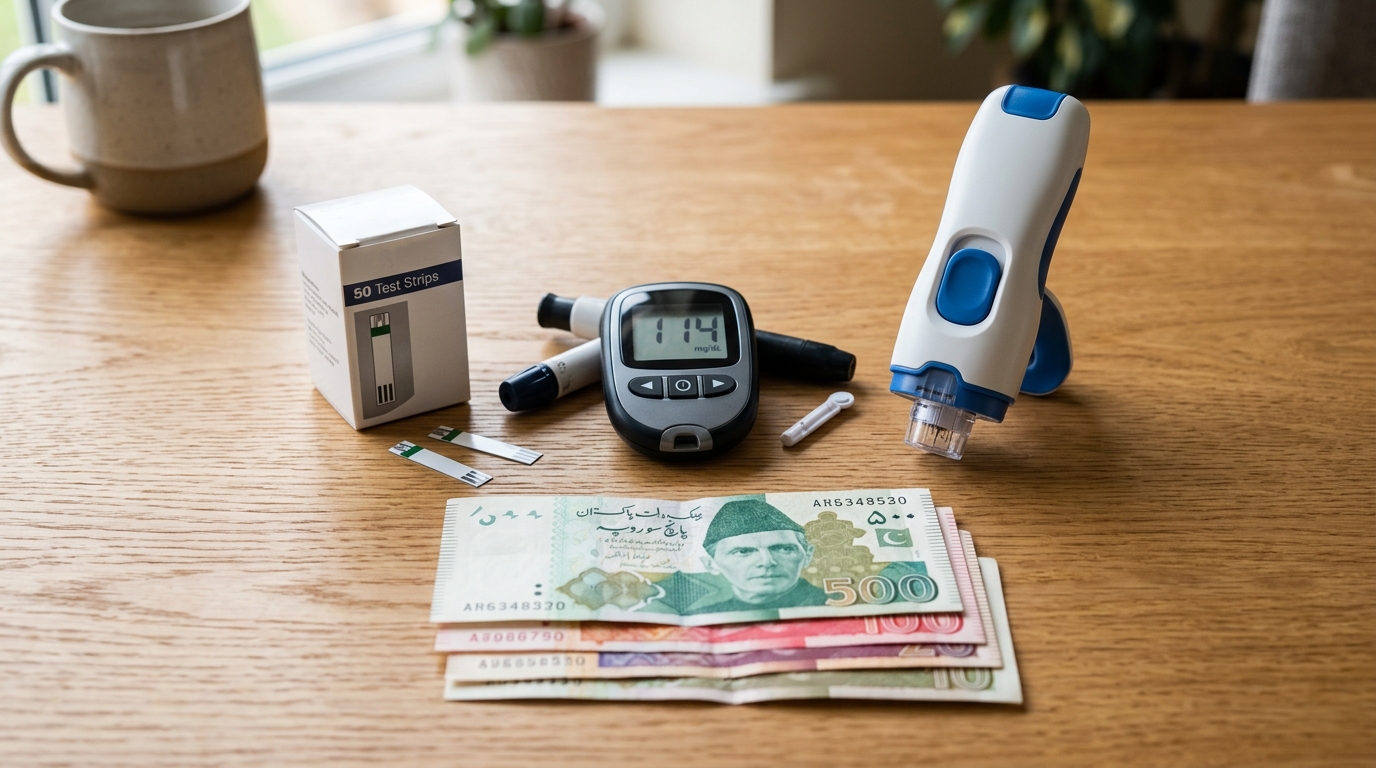
A standard glucometer requires drawing a small blood sample and inserting it into a test strip each time a reading is needed. A continuous glucose monitoring system instead uses a small sensor inserted just beneath the skin, which continues measuring glucose automatically for an extended period, typically around 14 days, without any further blood samples required.
The Basic Components Involved
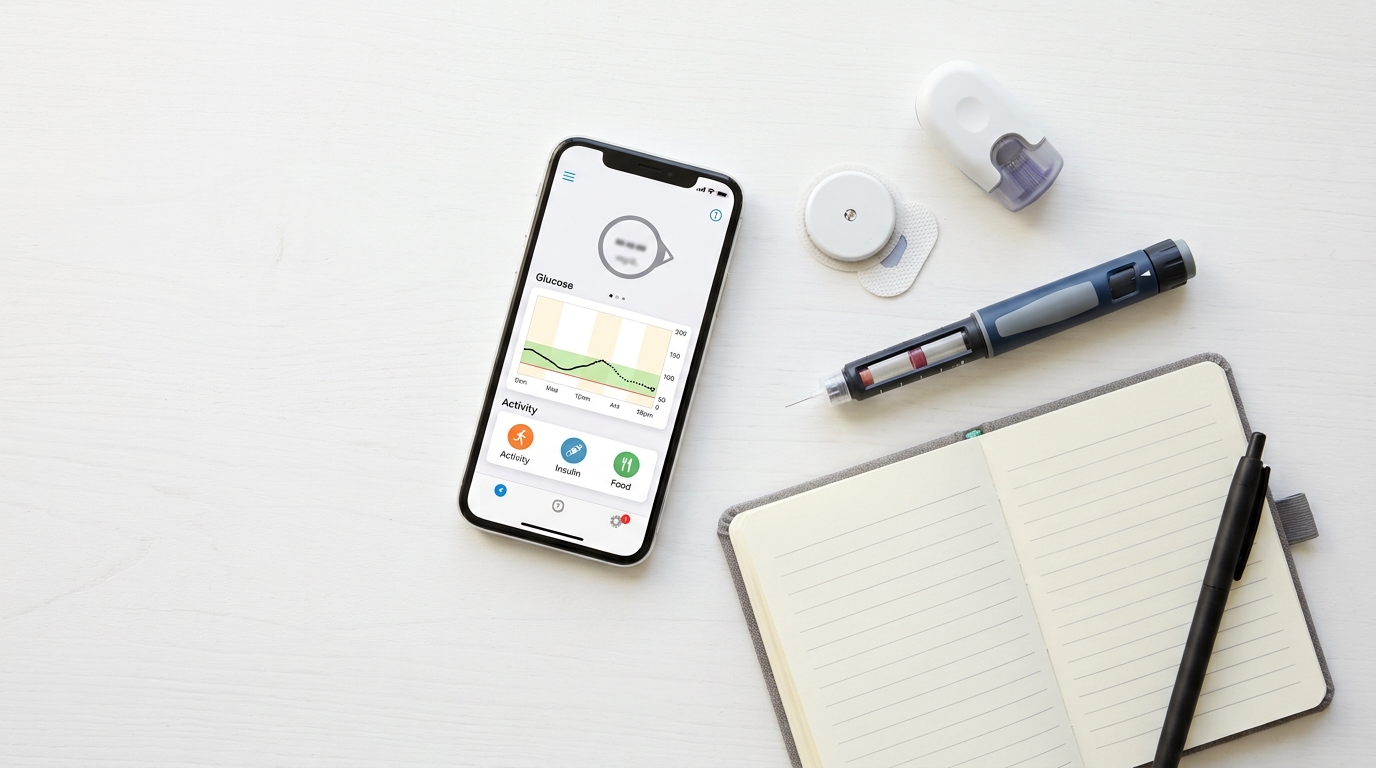
Every continuous glucose monitoring system generally includes three core elements: a sensor with a thin filament placed under the skin, a small transmitter that sends data wirelessly, and a companion smartphone app that displays the resulting readings, trends, and alerts in an easy-to-understand format.
How the Sensor Actually Measures Glucose
Understanding the underlying science helps demystify how these systems achieve accurate, continuous readings without repeated blood draws.
Measuring Interstitial Fluid, Not Blood Directly
Rather than measuring glucose in the bloodstream itself, a continuous glucose monitoring system measures glucose concentration in the interstitial fluid, the thin layer of fluid surrounding cells just beneath the skin's surface. This fluid closely tracks blood glucose levels, typically with only a brief delay of a few minutes.
The Role of the Enzyme Layer
The sensor's filament contains a small enzyme layer that reacts chemically with glucose molecules present in the interstitial fluid. This reaction generates a tiny electrical signal proportional to the glucose concentration, which the sensor then converts into a readable glucose value.
Continuous Data Transmission
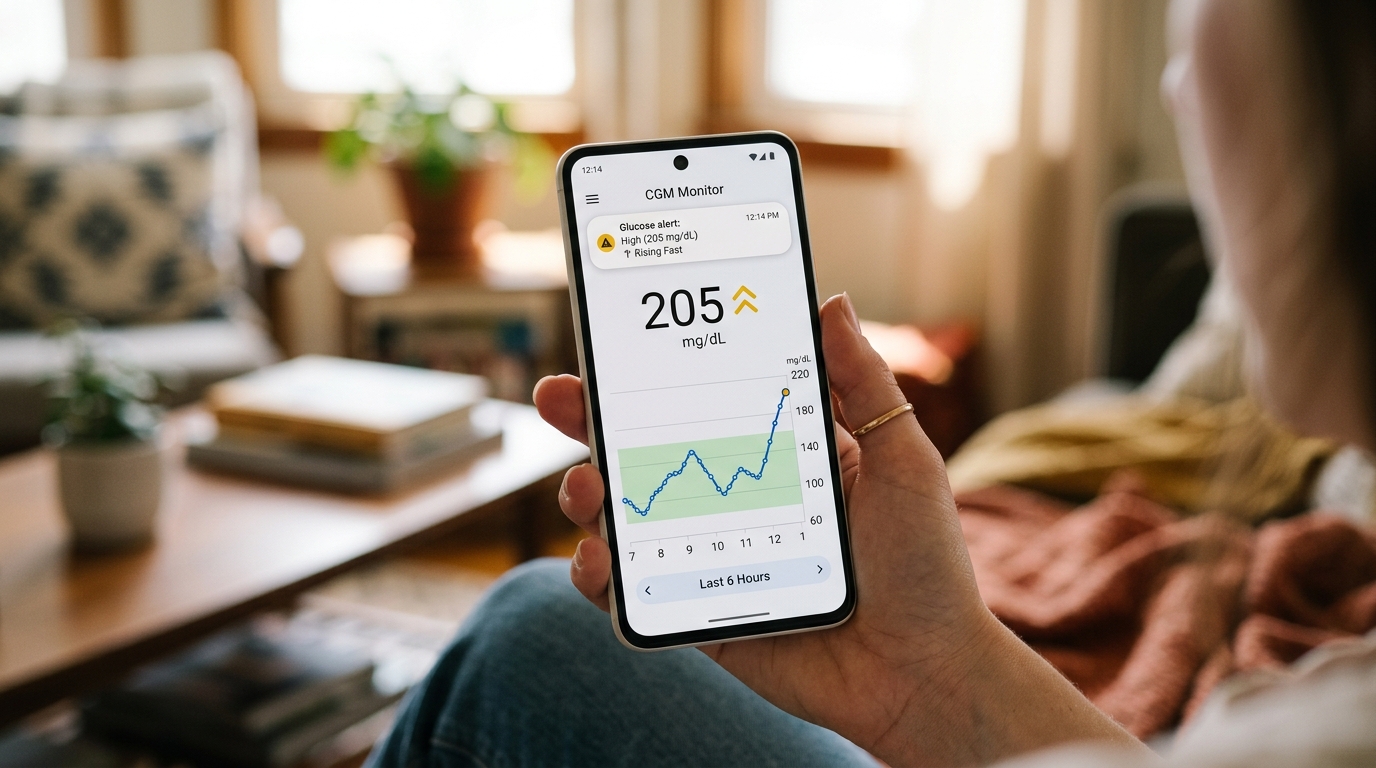
Once processed, each reading is transmitted wirelessly to the paired smartphone app, typically every five minutes. Over the course of a day, this builds a detailed, continuous graph showing exactly how glucose levels rise after meals, fall during physical activity, and shift throughout the night.
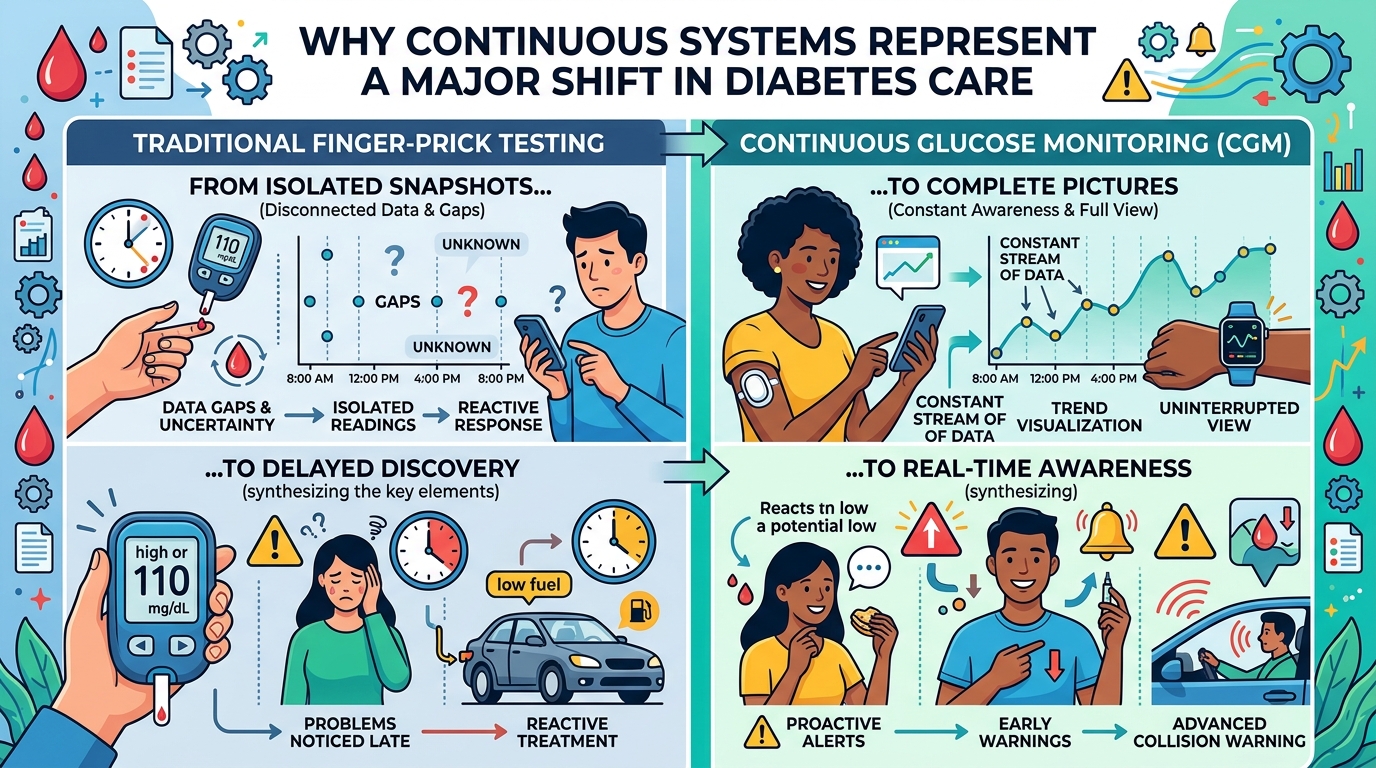
Why Continuous Systems Represent a Major Shift in Diabetes Care
The move from occasional testing to constant monitoring is often described by patients as one of the most significant changes in how they manage their condition day to day.
From Isolated Snapshots to Complete Pictures
A single finger-prick reading tells a patient where their glucose stands at one specific moment, but offers no insight into what happened in the hours before or what might happen in the hours after. A continuous glucose monitoring system fills in these gaps entirely, offering a complete, uninterrupted picture of glucose behavior.
Real-Time Awareness Instead of Delayed Discovery
Because data updates every few minutes, continuous systems allow patients to notice concerning trends as they develop, rather than discovering a problem only after it has already become serious. This real-time awareness is particularly valuable for catching both dangerous highs and lows before symptoms fully set in.
Who Typically Uses a Continuous Glucose Monitoring System
While continuous glucose monitoring systems were originally associated primarily with type 1 diabetes patients on intensive insulin therapy, their use has expanded considerably in recent years.
Type 1 Diabetes Patients
For patients managing type 1 diabetes, continuous monitoring provides critical, ongoing visibility into glucose levels that supports safer insulin dosing decisions throughout the day.
Type 2 Diabetes Patients
An increasing number of type 2 diabetes patients, including those managing their condition through diet, exercise, or oral medication rather than insulin, use continuous monitoring to better understand how their lifestyle choices affect their glucose levels.
Individuals With Prediabetes or General Health Interest
Even individuals without a formal diabetes diagnosis sometimes use continuous glucose monitoring systems to better understand their metabolic health, catching early warning signs of insulin resistance or simply gaining insight into how different foods affect their body.
Key Features to Understand Before Starting
For anyone new to the technology, a few core features define how a continuous glucose monitoring system functions in daily use.
Trend Arrows and Rate of Change
Most systems display not just a current glucose number, but an arrow indicating whether levels are rising, falling, or holding steady, along with the rate of that change. This context is often more useful than the number itself, since it informs how a patient should respond in the moment.
Customizable Alerts
Patients can typically set personalized thresholds for high and low glucose levels, triggering an alert on their phone the moment those limits are crossed. Our dedicated guide on setting up glucose alerts covers this feature in more detail for iCan CGM users.
Historical Reports and Data Sharing
Beyond live readings, continuous glucose monitoring systems generate detailed historical reports summarizing time in range, average glucose, and pattern trends over days or weeks, information that proves especially valuable during doctor consultations.
Getting Started With a Continuous Glucose Monitoring System
For first-time users, starting with a continuous glucose monitoring system is a more approachable process than many expect, particularly with devices designed for straightforward self-application.
Sensor Application
The sensor is applied using an automatic applicator, typically to the back of the upper arm, following a brief skin preparation process. Our detailed guide on CGM sensor placement covers the best spots on the body for accurate, comfortable wear.
App Setup and Pairing
Once applied, the sensor pairs with its companion app via Bluetooth, and after a short warm-up period, begins delivering continuous data directly to the user's phone.
Building Confidence Through the First Sensor
Many new users describe their first sensor cycle as a learning period, during which they become familiar with how the app displays data and how their own body responds to different foods, activities, and routines.
The Growing Role of Continuous Systems in Pakistan
As diabetes rates continue rising across Pakistan, awareness of continuous glucose monitoring systems is growing alongside increasing recommendations from endocrinologists nationwide. What was once considered a specialized, less accessible technology is steadily becoming a more mainstream option for everyday diabetes management, made more accessible through platforms such as icancgm.pk.
Frequently Asked Questions
What exactly does a continuous glucose monitoring system measure?
It measures glucose concentration in the interstitial fluid just beneath the skin, which closely mirrors blood glucose levels with only a brief delay.
How is a continuous glucose monitoring system different from a regular glucometer?
A regular glucometer requires a fresh blood sample for each reading, while a continuous system measures glucose automatically every few minutes over an extended wear period without additional blood samples.
Do I need to be diagnosed with diabetes to use a continuous glucose monitoring system?
No, individuals with prediabetes or general interest in their metabolic health also use continuous monitoring systems to better understand their glucose patterns.
How long does a single sensor in a continuous glucose monitoring system last?
Most systems, including the iCan CGM i3, are designed for approximately 14 days of continuous wear.
Is a continuous glucose monitoring system difficult to understand for a first-time user?
No, most companion apps are designed with clear graphs and simple alerts, making the system approachable even for users without a technical background.