Travel already comes with a long list of things to plan for, and adding diabetes management into the mix can make it feel like even more to think about. The good news is that continuous glucose monitors have actually made traveling with diabetes considerably easier than it used to be, cutting down on the need to carry multiple finger prick supplies and giving you a way to keep an eye on your glucose no matter where you are in the world. Still, there are a few practical things worth knowing before you head to the airport, hit the beach, or head out for a day of activity in a new place.
This guide covers what to expect at airport security, how to handle swimming and sports while wearing your iCan CGM, and some general packing advice to make your trip smoother.
Going Through Airport Security
One of the most common questions people ask before a trip is whether a CGM sensor will cause any issues at airport security. In general, wearable glucose monitors are a familiar sight to security staff at most airports, and simply walking through a standard metal detector or body scanner with your sensor in place is not usually a problem.
That said, security screening technology and policies can vary from country to country and even from one airport to another, so it is worth checking any current guidance from the airline or airport you are flying through if you want extra peace of mind. Some travelers choose to carry a copy of a prescription or a simple note from their doctor confirming they use a medical device, just in case a question comes up during screening. This is not usually necessary, but it can make the process feel a little smoother if you prefer to be prepared.
If you are ever asked about your sensor at a security checkpoint, a brief explanation that it is a continuous glucose monitor for diabetes management is generally enough. Staff are used to seeing a range of medical devices, and most interactions are quick and straightforward.
Packing Extra Supplies
Even though a CGM reduces how much diabetes gear you need to carry compared to traditional finger pricking, it is still wise to travel with backup supplies. Pack a few extra sensors beyond what you expect to need for the length of your trip, since delays, unexpected sensor issues, or an extended stay can all mean needing more than originally planned.
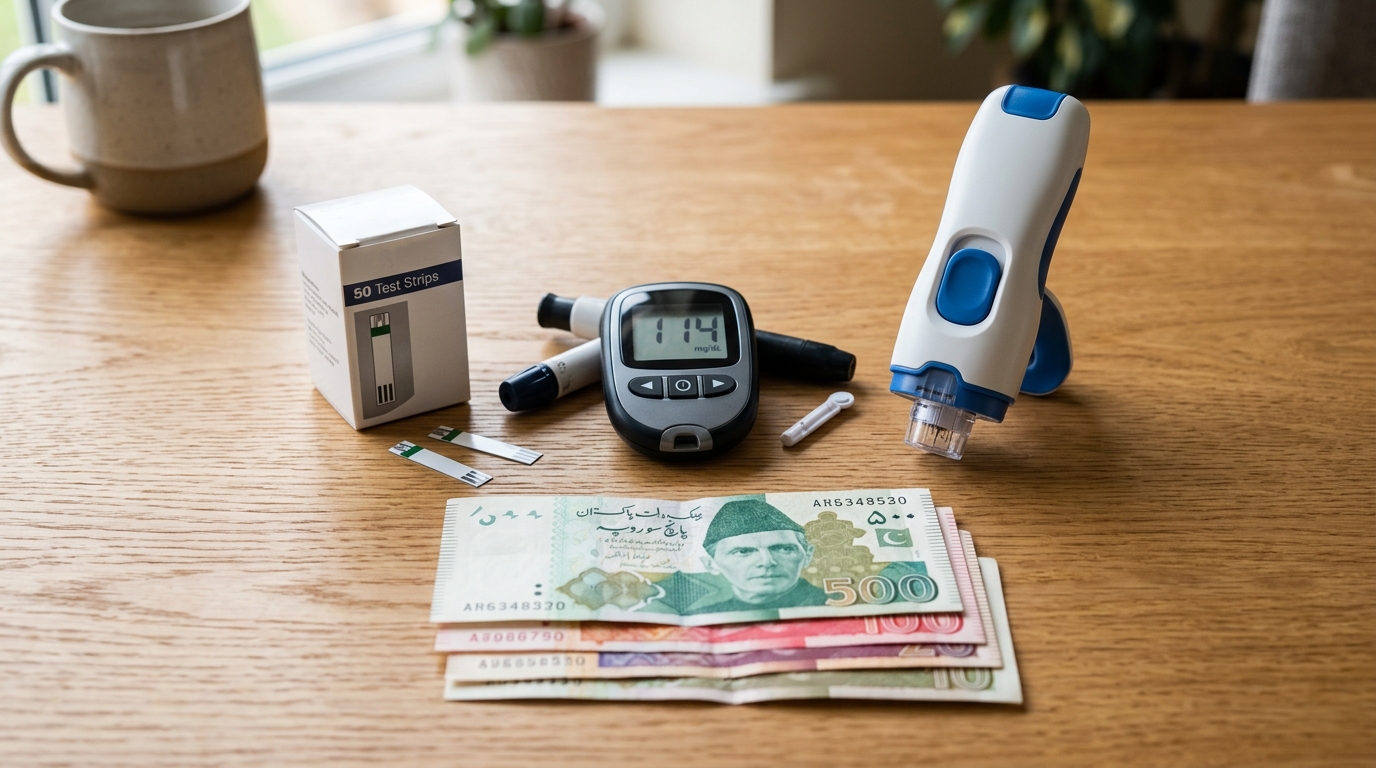
It also helps to bring a small traditional glucose meter and a handful of test strips, even if you plan to rely mainly on your CGM. This gives you a way to confirm a reading if something ever looks off, and it serves as a backup in the unlikely event that your sensor or phone has a temporary issue while you are away from home.
Keep your phone charged and consider bringing a portable charger, since the iCan CGM app needs a connected phone to display your readings. A dead phone battery in the middle of a long travel day is a minor inconvenience most of the time, but it becomes more relevant when your glucose monitoring depends on that same device.
Managing Time Zone Changes
If your trip involves crossing multiple time zones, it is worth thinking a little about how this affects your daily routine, including meals, activity, and any medication or insulin timing you follow. Your CGM will continue tracking glucose accurately regardless of time zone changes, since it is simply measuring what is happening in your body in real time. The bigger adjustment is usually on your end, remembering that your usual patterns, like a typical dip after a certain meal or a rise at a certain time of day, might shift along with your new schedule.
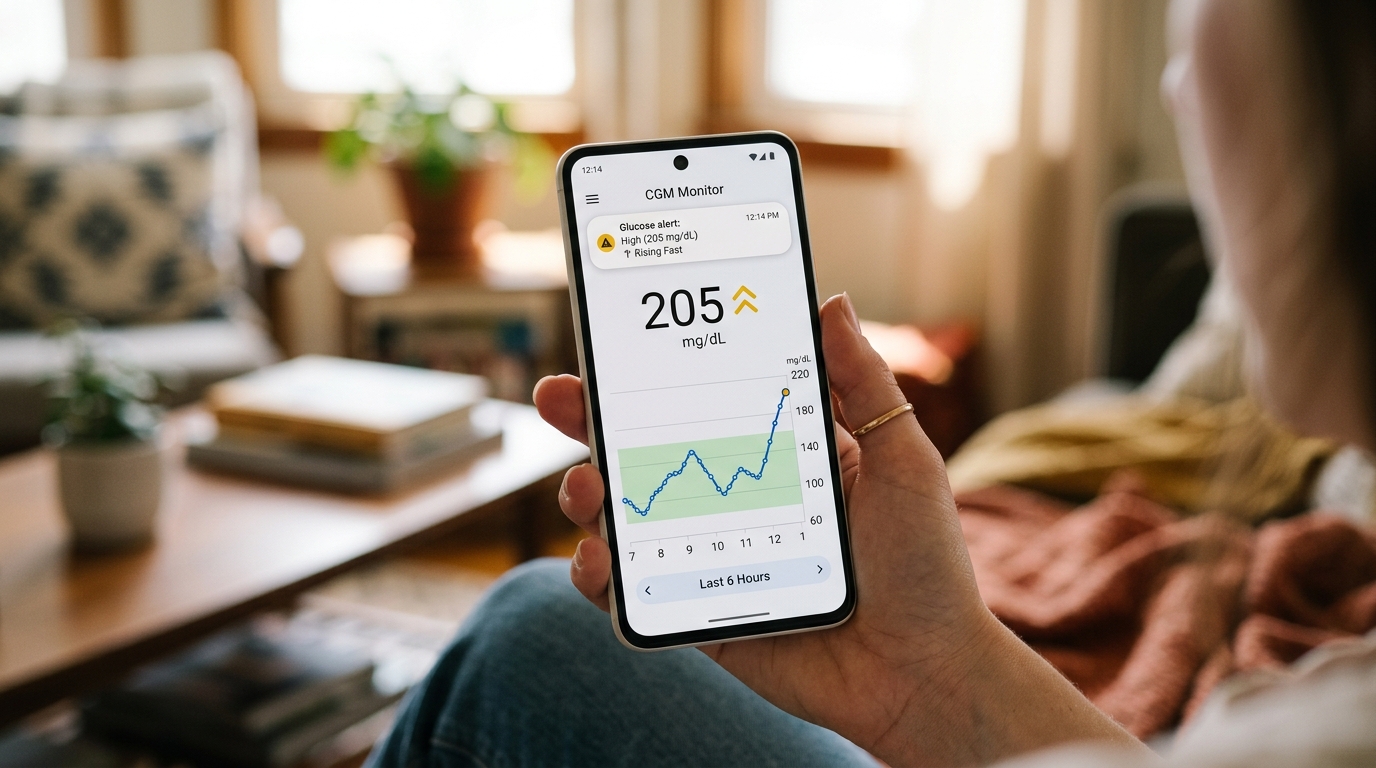
Keeping an eye on your glucose trends during the first day or two in a new time zone can help you notice how your body is adjusting, especially if jet lag, unfamiliar food, or a different activity level is part of the trip. Having continuous data available during this adjustment period is one of the quieter advantages of traveling with a CGM instead of relying only on periodic finger pricks.
Swimming and Water Activities
The iCan CGM is designed to be waterproof, which makes it a practical option for anyone planning beach days, pool time, or water sports during a trip. You should be able to swim, snorkel, or simply relax by the pool without needing to remove your sensor or worry about water affecting its function.
That said, it is a good idea to check the edges of your sensor's adhesive after extended time in water, since chlorine, salt water, and sun exposure over several days can sometimes affect how well the adhesive holds compared to normal daily use at home. Patting the area dry rather than rubbing it after swimming helps the adhesive stay secure for longer. If you notice the edges starting to lift during a trip, a small piece of medical tape around the border can help extend the wear time without interfering with the sensor itself.
Applying sunscreen around, but not directly on top of, the sensor area is also worth keeping in mind, since heavy sunscreen residue right on the adhesive can sometimes weaken its hold over time.
Staying Active While Traveling
Many trips involve more physical activity than a typical day at home, whether that means hours of walking around a new city, hiking, or trying a new sport on vacation. Just as with exercise at home, keeping an eye on your CGM trend during these more active days can help you stay ahead of any drops in glucose, especially since travel days often come with less predictable meal timing than your usual routine.
Carrying a small source of fast acting carbohydrate while out exploring is a simple habit that pairs well with CGM monitoring, giving you a quick way to respond if your trend arrow starts pointing downward during a long day of sightseeing or activity.
Staying Connected With Family Back Home
If you use the iCan Reach app to share your glucose data with a family member, this can be particularly reassuring during travel, especially for solo trips or when traveling somewhere far from home. A parent, partner, or close friend can check in on your glucose trend from a distance without needing you to send updates yourself, which can offer a bit of extra peace of mind for everyone involved, particularly during long travel days or when you are somewhere with a significant time difference from home.
Keep in mind that this depends on having phone signal or a working internet connection, so international data plans or reliable wifi access become part of the planning process if staying connected through your CGM app matters to you during the trip.
A Few Final Tips Before You Go
Before any trip, it is worth doing a quick check of your CGM supplies, confirming you have enough sensors, a backup glucose meter, and any other diabetes related items you typically travel with. Applying a fresh sensor a day or two before departure, rather than right before you leave, can also be a smart move, since it gives the sensor time to get through its warm up period and start providing reliable readings before the busiest part of your travel day begins.
If anything unexpected comes up with your sensor while traveling, the iCan CGM support team is reachable through WhatsApp, which can be a convenient way to get help even while you are away from home, as long as you have an internet connection.
Traveling with diabetes has changed a great deal over the past several years, and continuous glucose monitoring has played a real part in that shift. With a little planning around airport screening, water activities, and staying prepared with backup supplies, wearing a CGM like the iCan CGM should not hold you back from enjoying your trip, whether that means relaxing on a beach, exploring a new city on foot, or trying something active you have never done before.