Diabetes and heart disease are often discussed as separate health concerns, but they are far more connected than most people realize. If you or someone you love is living with diabetes, understanding this link is one of the most important steps toward protecting long term health, and it explains why consistent glucose monitoring is about so much more than just managing day to day numbers. At iCAN CGM, this is a conversation we have often with users who are surprised to learn just how closely these two conditions are tied together.
Why Diabetes Puts Extra Strain on the Heart
Over time, high blood sugar levels can damage the lining of blood vessels, making them more prone to the buildup of fatty deposits known as plaque. This process, called atherosclerosis, narrows the arteries and restricts blood flow, setting the stage for heart attacks and strokes. People with diabetes are also more likely to have related conditions like high blood pressure and unhealthy cholesterol levels, both of which add further strain on the cardiovascular system.
What makes this especially important to understand is that heart disease often develops silently over many years. Someone can have consistently elevated blood sugar for a long time without noticing any obvious symptoms, all while damage is quietly accumulating in their blood vessels. This is part of why doctors describe diabetes as a major risk factor for heart disease rather than a separate, unrelated condition.
The Role of Blood Sugar Swings
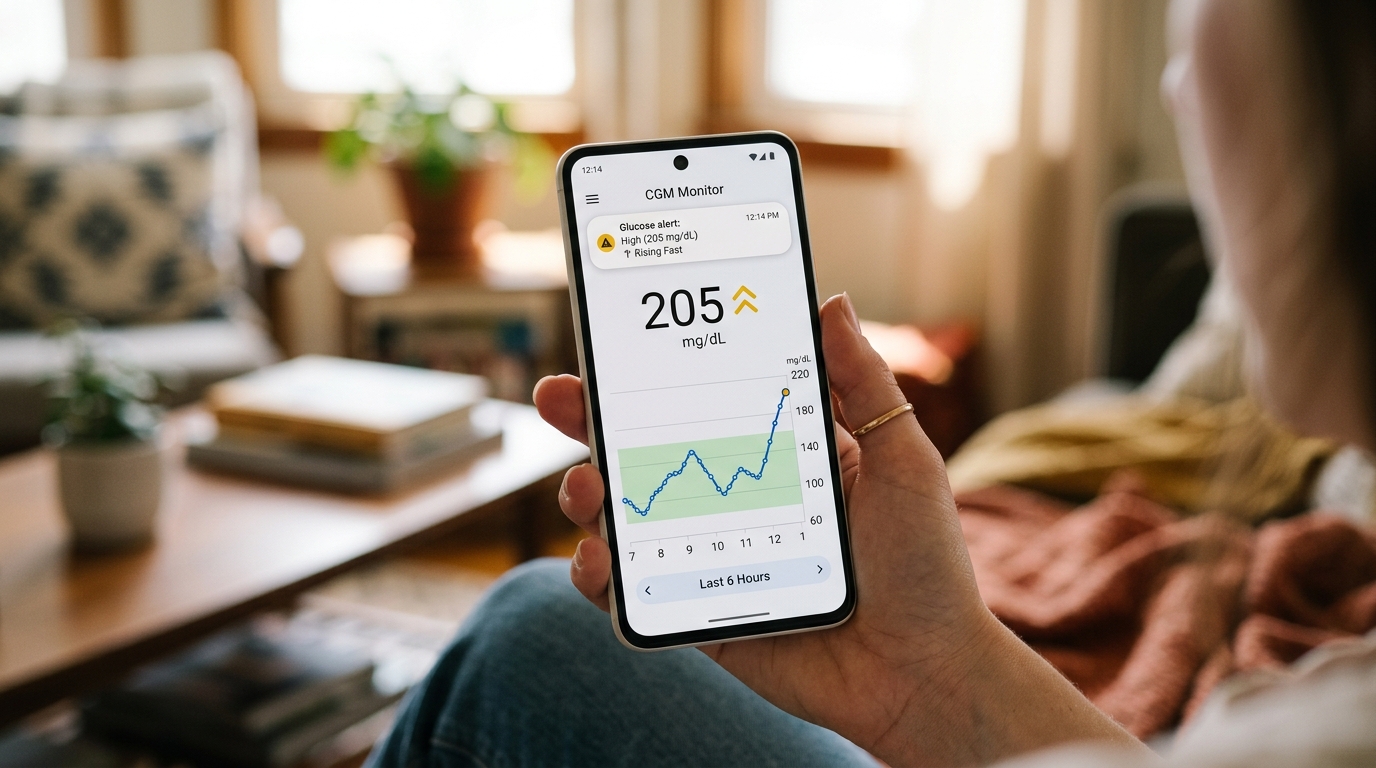
It is not only high average blood sugar that matters. Frequent swings between high and low glucose levels, sometimes called glycemic variability, appear to place additional stress on blood vessels compared to blood sugar that stays steadier throughout the day. This is one of the reasons doctors increasingly look beyond a single lab test and encourage patients to pay attention to their overall glucose patterns rather than isolated numbers.
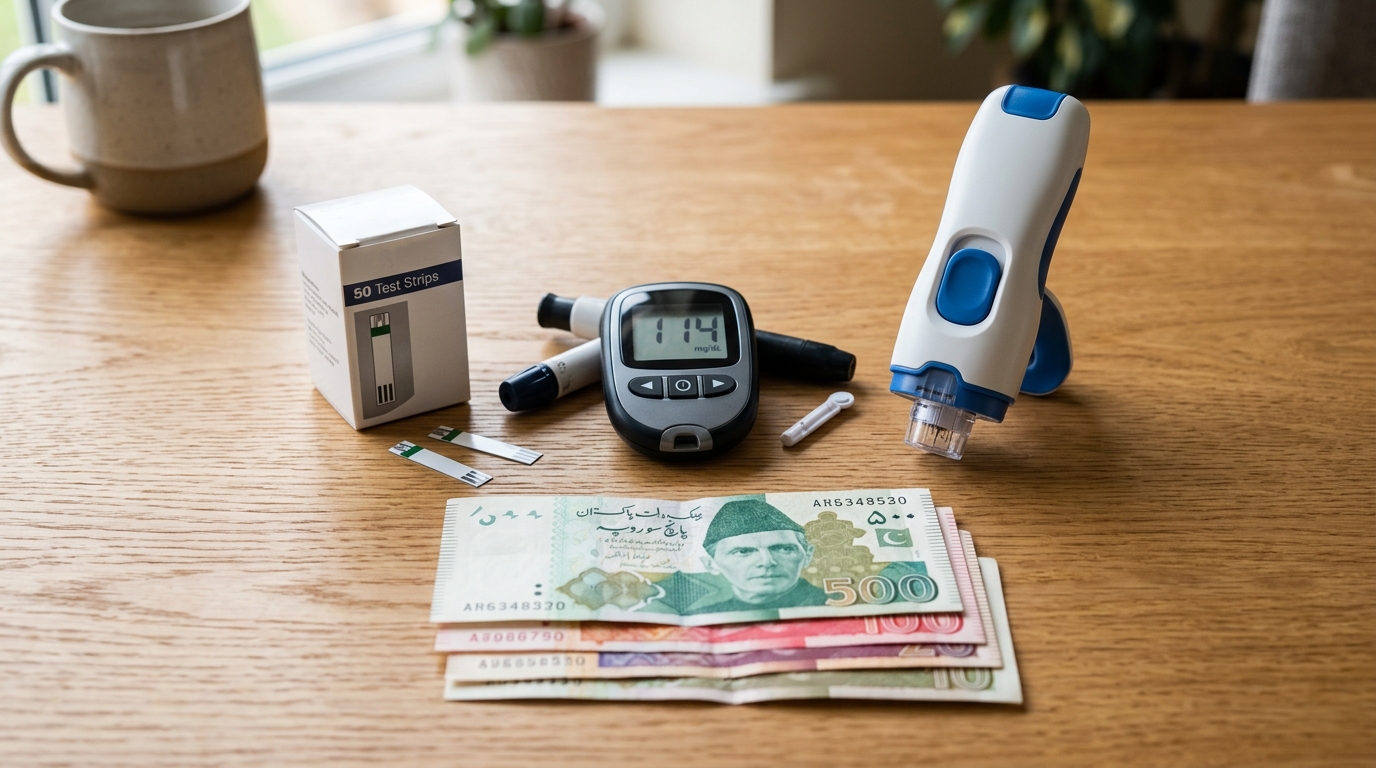
This is also where the limitations of older testing methods become clear. A single blood sugar reading taken once a day, or even an average measure like HbA1c taken every few months, can hide a lot of variability. Someone could have an acceptable average number while still experiencing frequent sharp spikes and drops that quietly stress their cardiovascular system throughout the day.
How Monitoring Helps Protect Heart Health
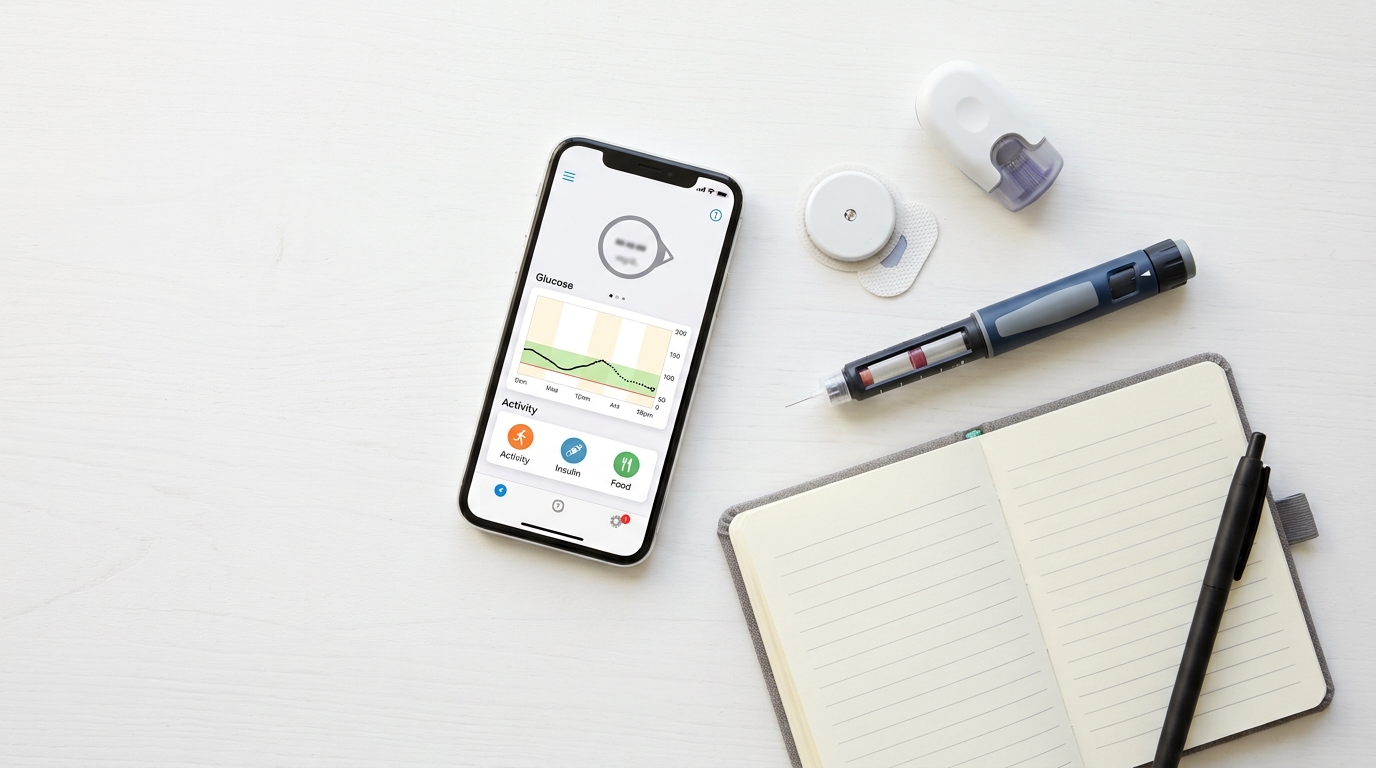
Regular glucose monitoring, whether through traditional testing or continuous glucose monitors, gives people the information they need to catch problems early and adjust their routine before serious damage occurs. Seeing real time data on how meals, activity, medication, and stress affect blood sugar makes it much easier to keep levels within a healthier range consistently, rather than only during the hours around a doctor's appointment.
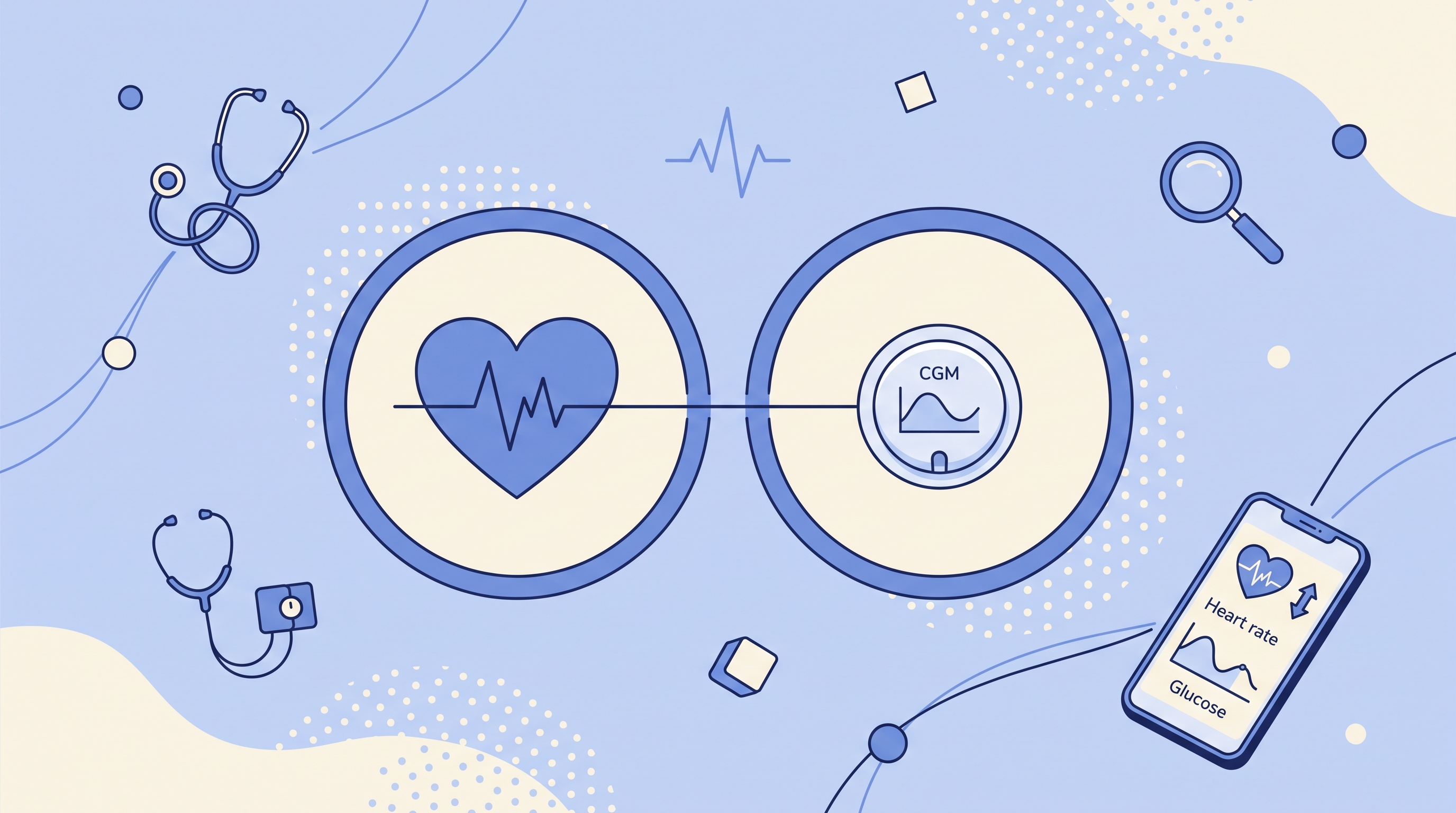
Beyond glucose itself, people managing diabetes are usually encouraged to keep an eye on blood pressure and cholesterol as part of the same overall picture. These three factors, blood sugar, blood pressure, and cholesterol, work together, and improving one often has a positive ripple effect on the others. Many users of iCAN CGM find that once they start noticing which meals or habits cause the sharpest glucose spikes, they naturally start making choices that also support healthier blood pressure and cholesterol over time.
Recognizing Warning Signs
While glucose monitoring is a powerful preventive tool, it is still important to recognize the warning signs of heart related complications. Unusual fatigue, shortness of breath during normal activity, chest discomfort, or swelling in the legs and feet should never be ignored, especially for people who have lived with diabetes for many years. Regular checkups that include heart health screening, alongside ongoing glucose monitoring, give doctors the full picture needed to catch problems early.
Simple Steps That Make a Real Difference
Regular physical activity, even something as simple as a daily walk, helps improve insulin sensitivity and supports healthier blood vessels. Eating a diet built around vegetables, whole grains, and lean proteins, while limiting processed foods and added sugar, supports both glucose control and heart health at the same time. Routine checkups that include cholesterol panels and blood pressure readings, alongside glucose monitoring, give a fuller picture of cardiovascular risk than glucose numbers alone.
Quitting smoking, where relevant, and managing weight through sustainable lifestyle changes rather than extreme diets also meaningfully reduce cardiovascular risk for people living with diabetes. None of these steps need to happen all at once, and small consistent changes tend to be far more sustainable than dramatic overhauls that are hard to maintain.
Taking the Connection Seriously
The relationship between diabetes and heart disease is one of the clearest examples of how interconnected the body really is. Taking glucose monitoring seriously is not just about avoiding the short term discomfort of highs and lows. It is about protecting your heart, your blood vessels, and your long term health for years to come. Staying informed and staying consistent with monitoring gives you the best possible chance of keeping both conditions in check together. The team at iCAN CGM is always available to help you understand your glucose patterns and how they connect to your broader health, so you can take a more complete approach to protecting your heart alongside managing your diabetes.