If you have managed your diabetes with a traditional glucometer for years, the idea of switching to a continuous glucose monitor might seem unnecessary, especially if your finger prick routine already feels good enough. But for a lot of people, that routine is quietly hiding problems it was never designed to catch.
Here are the clearest signs that it might be time to consider a CGM like the iCan i3, and why each one matters more than it might first seem.
You're Testing Your Blood Sugar Several Times a Day
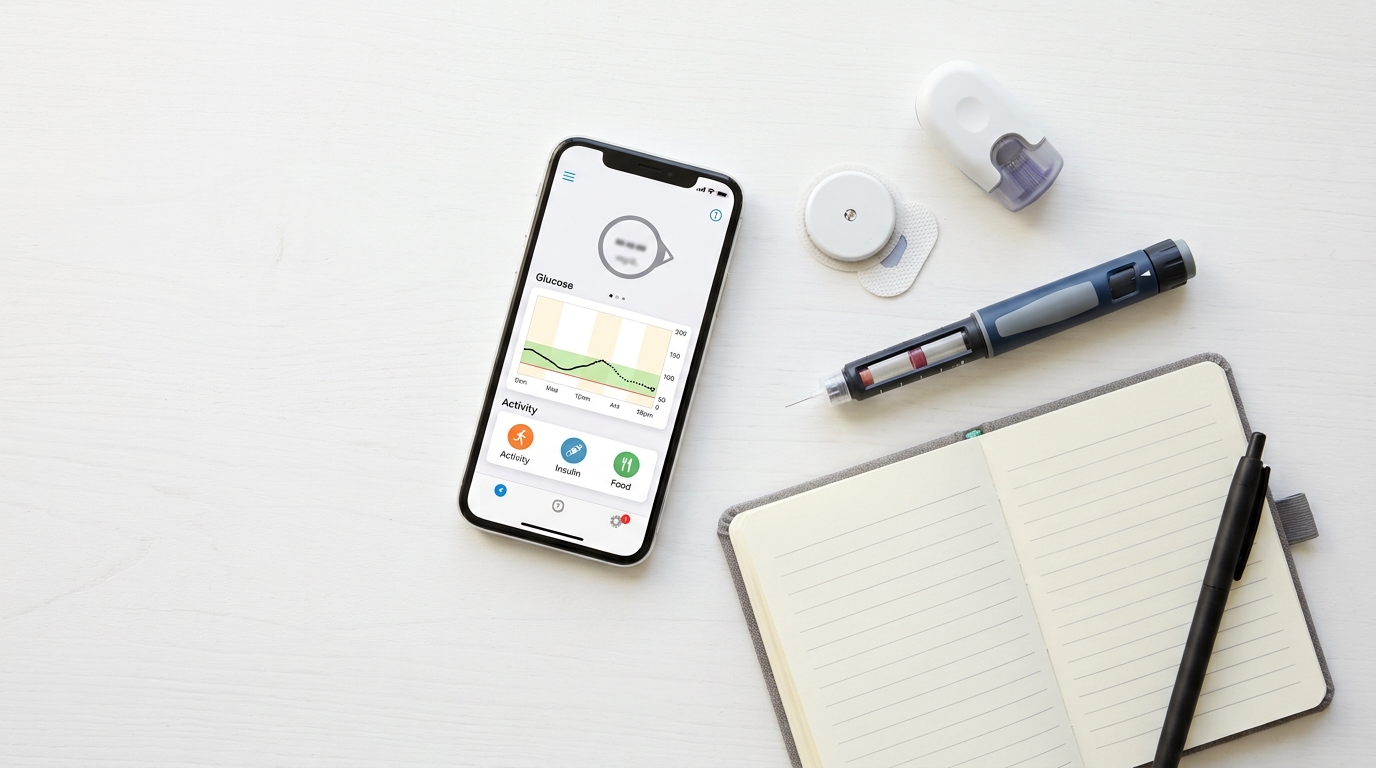
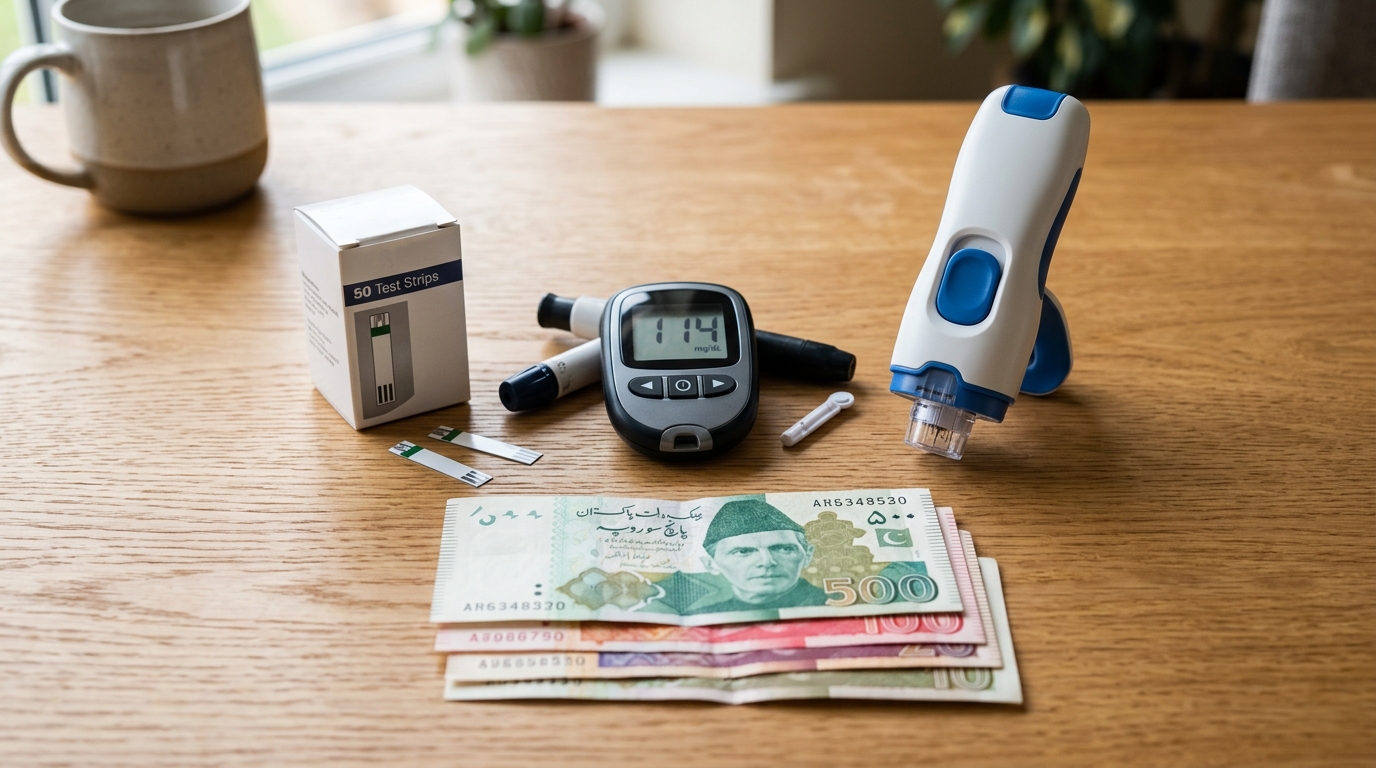
If you're pricking your finger four, five, six or more times daily just to keep an eye on your glucose, you're already doing the work a CGM handles automatically, only with far more pain, far more spending on strips and lancets, and much less data to work with. A CGM checks your glucose every few minutes around the clock, giving you hundreds of readings a day instead of a handful, without another needle after the initial sensor is placed.
If your fingertips are often sore, calloused, or bruised from frequent testing, that alone is a strong sign your current routine has outgrown what a glucometer can comfortably offer.
You've Had Unexplained Highs or Lows
Have you ever checked your sugar and been caught off guard by the number, either much higher or much lower than expected, with no clear reason why? This is one of the most common reasons people move to a CGM.
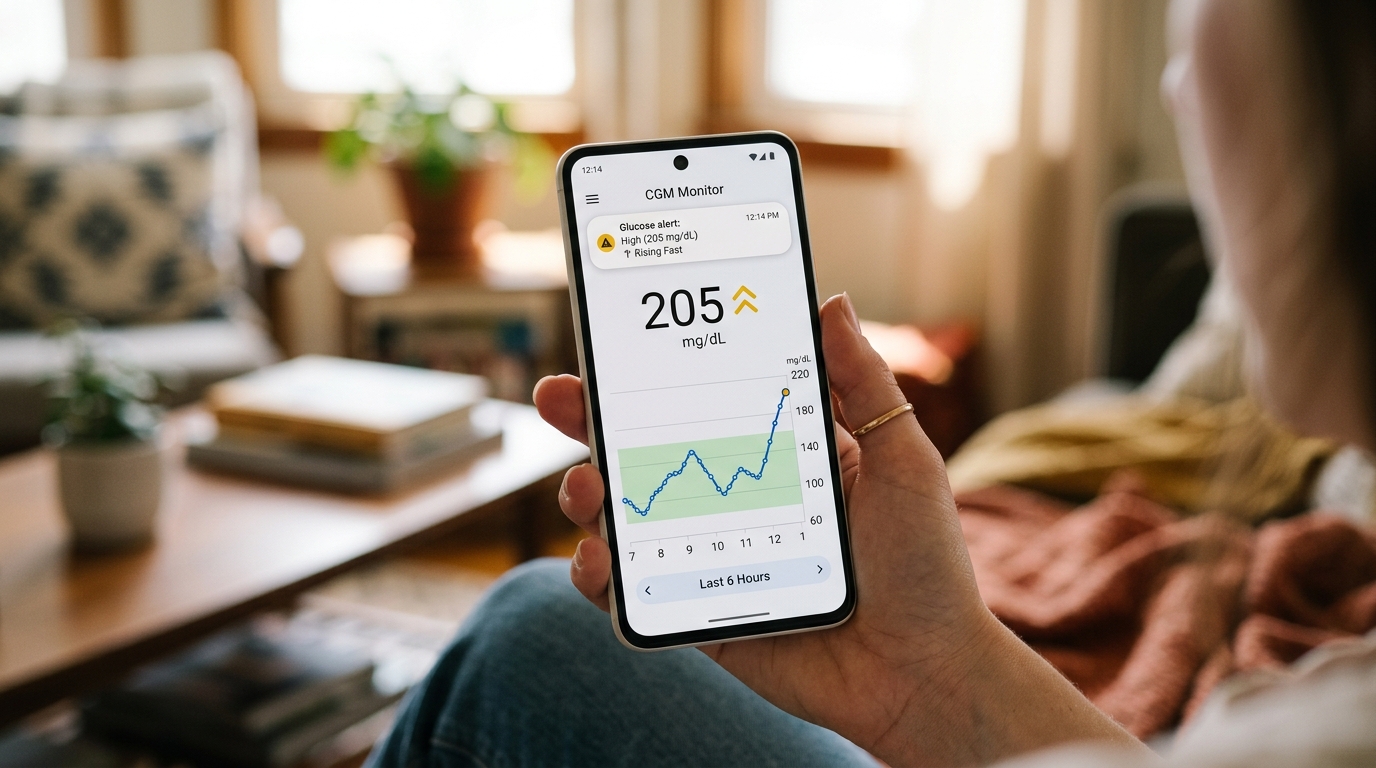
A glucometer only shows you a single moment, so it can't explain how you got there. Was your glucose climbing for hours, or did it spike suddenly? Was it already dropping fast right before you tested, meaning it might keep falling? A CGM shows you the trend arrow and the graph leading up to that moment, so unexplained numbers stop being a mystery.
You Suspect Nighttime Lows
Nighttime hypoglycemia, a drop in blood sugar while you're asleep, is one of the most dangerous and most commonly missed issues in diabetes care. Since you're asleep, you usually have no idea it's happening unless it's severe enough to actually wake you with symptoms like sweating, shakiness, or confusion.
If you've ever woken up with a headache, unusual tiredness, or night sweats and wondered whether your sugar dropped overnight, that's a strong signal that continuous monitoring could reveal something a finger prick test, taken only while you're awake, simply never will. A CGM with adjustable low alerts can actually wake you up before a dangerous low goes any further.
You're on Insulin or Medication That Can Cause Lows
If you take insulin, sulfonylureas, or other glucose lowering medication, the risk of hypoglycemia is real and ongoing, and the consequences of a severe low, from confusion to loss of consciousness, can be serious. A CGM gives you continuous safety monitoring, with instant alerts the moment your glucose crosses a low threshold, giving you time to react before things get dangerous. That kind of real time safety net just isn't possible with periodic finger prick testing alone.
Your HbA1c Doesn't Match How You Actually Feel
Sometimes your quarterly HbA1c comes back looking fine on paper, but you still don't feel well, tired, foggy, or inconsistent from one day to the next. HbA1c is only an average, and it can't reveal dangerous swings between highs and lows that mathematically cancel each other out while still affecting how you feel and function. If your lab results and your lived experience don't seem to match up, a few weeks of CGM data can often explain the gap.
You Want to Understand How Certain Foods Affect You
Diabetes management isn't the same for everyone. The same meal can affect two different people in very different ways. If you've ever wondered exactly how a particular food, portion, or meal timing affects your sugar, a CGM answers that directly and immediately, instead of relying on guesswork or a single delayed finger prick after the fact. A lot of people are genuinely surprised to find that a food they thought was safe spikes their glucose significantly, or that something they'd been avoiding barely affects them at all.
You're Active and Want to Understand Exercise Better
Exercise can lower glucose during or after activity, sometimes for hours afterward, and the pattern shifts depending on the type and intensity of the workout. If you're active, whether that's a daily walk, the gym, or sports, and you want to avoid lows mid workout or just understand your body's response better, continuous data gives you far more insight than testing before and after with a glucometer alone.
You're a Parent or Caregiver of Someone With Diabetes
If you're caring for a child with type 1 diabetes, or an elderly parent managing their own diabetes, the worry of not knowing what their glucose is doing, especially when you're not physically with them, can be constant and exhausting. CGM systems like the iCan i3, paired with a companion app such as iCan Reach, let a caregiver monitor glucose remotely and receive the same real time alerts, even from another room or another city. If you find yourself constantly worrying or calling just to check in, that's a strong sign remote CGM monitoring could bring real peace of mind.
Finger Pricking Feels Genuinely Difficult for You
Some people, particularly children, needle averse adults, or anyone with sensory sensitivities, find repeated finger pricking genuinely distressing rather than just inconvenient. If testing has become something you or a loved one dreads or avoids, leading to less frequent testing than is medically ideal, a CGM's one time sensor placement, followed by up to fifteen days of pain free monitoring, can make consistent tracking far more manageable.
You Simply Want More Control and Less Guesswork
Even without a specific red flag, plenty of people choose a CGM simply because they want a clearer understanding of their own body. Diabetes management often involves a lot of guessing, guessing whether a meal was okay, guessing whether you're trending toward a low, guessing what caused a spike. A CGM replaces much of that guesswork with actual data, updated constantly, right on your phone.
You've Just Been Diagnosed and Want to Learn Quickly
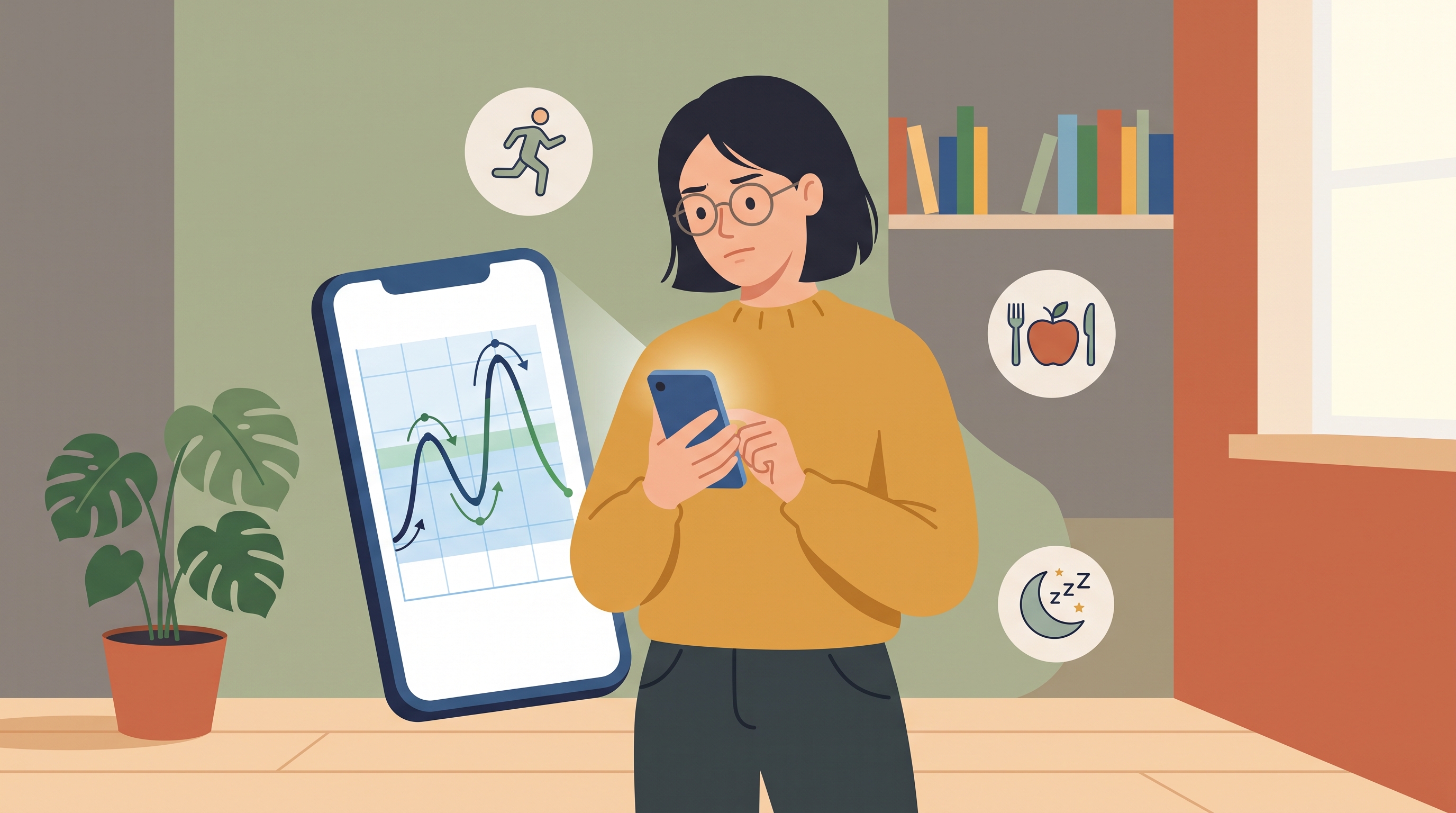
If you've recently been diagnosed with diabetes, the learning curve can feel steep. Understanding how your body responds to food, stress, sleep, and activity is a lot to figure out through occasional finger pricks alone. A CGM compresses months of trial and error into just a few weeks, showing you clearly and quickly how your specific body reacts to specific choices. For newly diagnosed patients, this faster feedback can make the difference between feeling lost and feeling genuinely in control early on.
Your Schedule Is Unpredictable
Shift workers, frequent travelers, and anyone with an irregular meal or sleep schedule often find that traditional testing routines, built around a predictable day, just don't fit their life. A CGM doesn't care what time zone you're in or when you eat. It keeps tracking continuously, adapting to whatever schedule you're actually living, which makes it especially useful for people whose days don't follow a typical nine to five pattern.
What a Few Weeks of Data Can Reveal
Even if you're still unsure whether a CGM is worth switching to, it's worth thinking about what a trial period of two to four weeks could show. Many first time users are surprised to discover patterns they had no idea existed, a specific breakfast that spikes glucose far more than expected, a dip during a certain time of day that always seemed to line up with unexplained tiredness, or a nightly low that had been quietly happening for months. These aren't rare or dramatic discoveries. They're common, and they show just how much finger prick only testing can miss simply because it only ever captures isolated moments instead of the full, ongoing picture.
What to Do If This Sounds Familiar
If several of these signs sound like you, it's worth bringing up continuous glucose monitoring with your doctor, or looking into a device like the iCan i3 directly. CGMs have become significantly more accessible and affordable than they used to be, with the iCan i3 in particular built to work well without needing insurance coverage, and priced with everyday affordability in mind for a market like Pakistan.
Moving from finger prick only testing to continuous monitoring isn't just about comfort, though the drop in pain is real and meaningful. It's about closing the gaps in your understanding of your own glucose patterns, gaps that, left alone, can lead to preventable emergencies, long term complications, or simply a lower quality of life than necessary.
Final Thoughts
Finger prick testing has served people with diabetes well for a long time, and it still has its place. But if you're testing often, dealing with unexplained highs or lows, worried about nighttime drops, or just want a clearer, real time understanding of your body, these are strong signs that a continuous glucose monitor could genuinely improve both your safety and your day to day quality of life. Sometimes the biggest sign you need a CGM isn't one dramatic event. It's the quiet buildup of small uncertainties that a few weeks of continuous data could finally clear up.