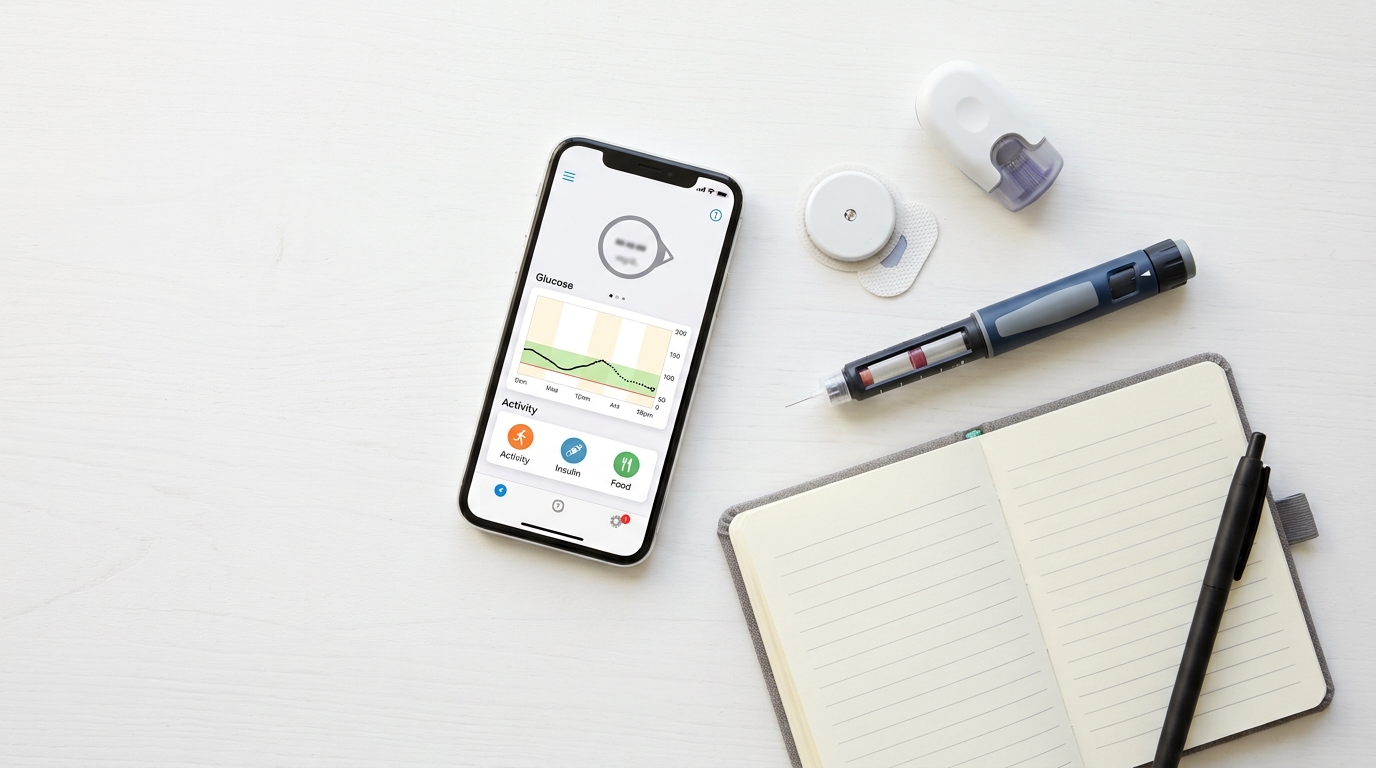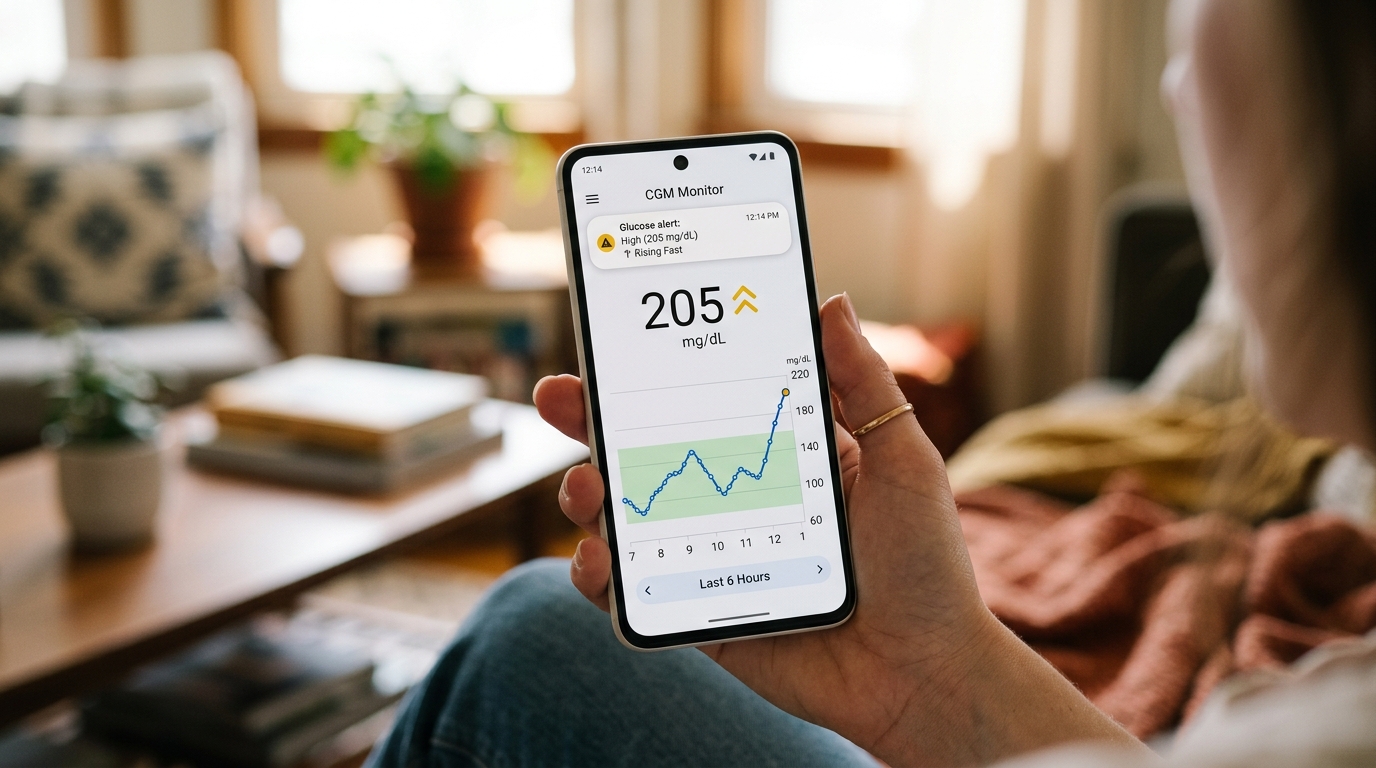
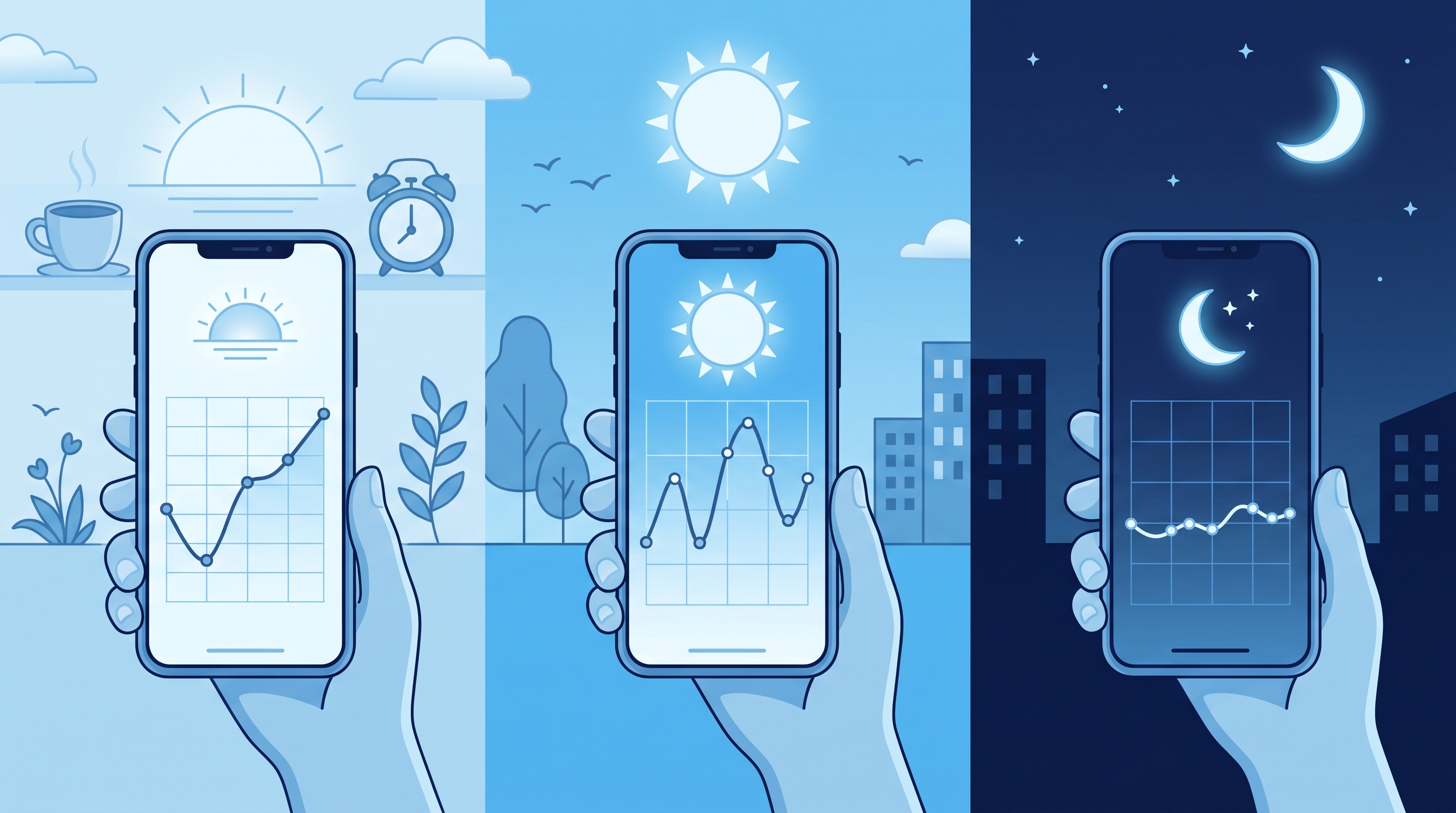
Caring for someone with diabetes, whether it is a young child, a teenager, or an aging parent, often comes with a quiet, ongoing kind of worry that does not fully switch off. Are their levels okay right now. Did they eat enough after that insulin dose. Are they doing fine overnight while everyone else is asleep. Before continuous glucose monitoring became widely available, answering these questions usually meant calling, texting, or simply hoping for the best until the next check in. The iCan Reach app was built specifically to change that, giving caregivers a way to see real time glucose data from a family member's iCan CGM sensor, right from their own phone.
This article looks at how iCan Reach works, who it is designed for, and how families are using it to support each other through diabetes management.
What iCan Reach Actually Does
iCan Reach is a companion app that connects to someone's iCan CGM account, allowing a designated family member or caregiver to view their glucose readings and trends remotely. The person wearing the sensor, referred to as the primary user, grants access from within their own iCan CGM app, after which the connected caregiver can install iCan Reach on their own device and begin seeing glucose data update in close to real time.
This is different from simply asking someone to send a screenshot or a text update whenever they think of it. With iCan Reach, the information flows automatically, meaning a caregiver does not have to rely on the person with diabetes remembering to share an update during a busy day, a stressful moment, or the middle of the night.
Who Benefits Most From This Kind of Monitoring
There are a few situations where remote glucose monitoring through iCan Reach tends to make the biggest difference. Parents of young children with type 1 diabetes are often the clearest example, since a child may not always recognize or communicate the symptoms of a low or high glucose level, especially during school hours when a parent is not physically present. Being able to check a child's glucose trend from a phone during the workday, without needing to call the school or wait for a scheduled check, gives many parents a level of reassurance that simply was not possible before continuous monitoring.
Adult children caring for an aging parent with diabetes represent another common use case. Many older adults live independently but still benefit from a family member keeping a general eye on their glucose patterns, particularly if there is a history of severe lows or difficulty recognizing symptoms. iCan Reach allows this kind of light touch oversight without requiring constant phone calls or visits, letting an aging parent maintain independence while still having a safety net in place.
Partners and spouses also use iCan Reach, particularly around overnight monitoring, since nighttime lows are one of the more common concerns among people managing diabetes, especially those on insulin. Being able to glance at a partner's glucose trend before falling asleep, or receive an alert if something looks concerning during the night, adds a layer of safety for couples navigating diabetes together.
Setting Up iCan Reach
Getting started with iCan Reach begins with the primary user, the person wearing the iCan CGM sensor, going into their app settings and choosing to add a connected caregiver. This usually involves entering the caregiver's contact information or generating an invite that the caregiver can accept from their own device. Once connected, the caregiver downloads iCan Reach separately and logs in to begin seeing the shared glucose data.
It is worth taking a few minutes during setup to also configure alert preferences, deciding what kind of glucose events should trigger a notification to the connected caregiver. Some families prefer alerts only for more significant highs or lows, while others want a broader range of notifications. There is no universally correct setting here, and it often takes a little trial and error to land on preferences that feel supportive rather than overwhelming for everyone involved.
Having the Right Conversation Before Turning It On
Before setting up remote monitoring, it is worth having an honest conversation between the person with diabetes and the caregiver about what this kind of visibility should actually look like day to day. For a young child, this conversation happens mostly between parents, but as children grow older, particularly into the teenage years, involving them directly in the discussion becomes important. A teenager who feels like every glucose reading is being watched and questioned may start to feel more monitored than supported, which can sometimes lead to frustration rather than the reassurance the tool is meant to provide.
For adult relationships, whether that is a spouse, an adult child, or a parent, the same principle applies. Being clear about when a caregiver should reach out, and when it is fine to simply observe without commenting, helps remote monitoring feel like a form of quiet support rather than constant supervision. Many families find that revisiting this conversation occasionally, as circumstances or comfort levels change, keeps the arrangement working well for everyone.
What Caregivers Can and Cannot See
It helps to have a clear understanding of what iCan Reach actually shows. Generally, a connected caregiver can view glucose readings and trend data, similar to what the primary user sees in their own iCan CGM app, along with alerts for significant highs or lows depending on how notifications have been configured. This gives caregivers a genuinely useful picture of glucose patterns without needing to interpret raw numbers on their own.
Caregivers should understand that this visibility is meant to support the person with diabetes, not replace their own management or decision making. Especially with older children and adults, iCan Reach works best as an additional layer of awareness rather than a tool for taking over someone else's diabetes care entirely.
Responding to an Alert
When an alert comes through on iCan Reach indicating a significant high or low, having a simple plan in place for how to respond makes a real difference. For a parent monitoring a child at school, this might mean a quick call to the school nurse or the child directly. For someone monitoring a partner overnight, it might simply mean checking in gently to make sure everything is okay, or waking them if the reading suggests something that needs immediate attention.
Building this kind of plan ahead of time, rather than figuring it out in the moment an alert appears, helps caregivers respond calmly and effectively rather than reacting out of sudden worry.
The Emotional Side of Remote Monitoring
Beyond the practical safety benefits, many families describe a real emotional shift after setting up iCan Reach. The background hum of uncertainty that comes with caring for someone with diabetes tends to quiet down considerably once there is a reliable way to check in without needing to ask. Parents describe feeling more comfortable sending a child to school or a sleepover. Adult children describe feeling less anxious about an aging parent living alone. Partners describe sleeping a little easier, knowing an alert will wake them if something needs attention overnight.
This emotional relief is, in many ways, just as meaningful as the practical monitoring itself, since caregiving for someone with a chronic condition carries a real mental and emotional weight that often goes unspoken.
Getting Support
If you run into any difficulty setting up iCan Reach or connecting it to an iCan CGM account, the iCan CGM support team is available through WhatsApp and can walk you through the process. Getting the setup right from the start, including alert preferences and a clear understanding between the caregiver and the person with diabetes, makes the whole experience far more useful in the long run.
Diabetes management has always involved more than just the person wearing the sensor. Families, partners, and caregivers are often just as invested in how things are going, even if they cannot always be there in person. iCan Reach gives that wider circle of support a real, practical way to stay connected to what matters most, offering peace of mind that used to be much harder to come by.