Being told you have prediabetes can feel like standing in a strange middle ground. You do not have full blown diabetes, but your blood sugar is no longer entirely normal either. For many people, this diagnosis arrives almost quietly, discovered during a routine blood test rather than through any obvious symptoms. It can be confusing to know what to do next, especially since prediabetes rarely comes with the kind of clear warning signs that push people toward immediate action.
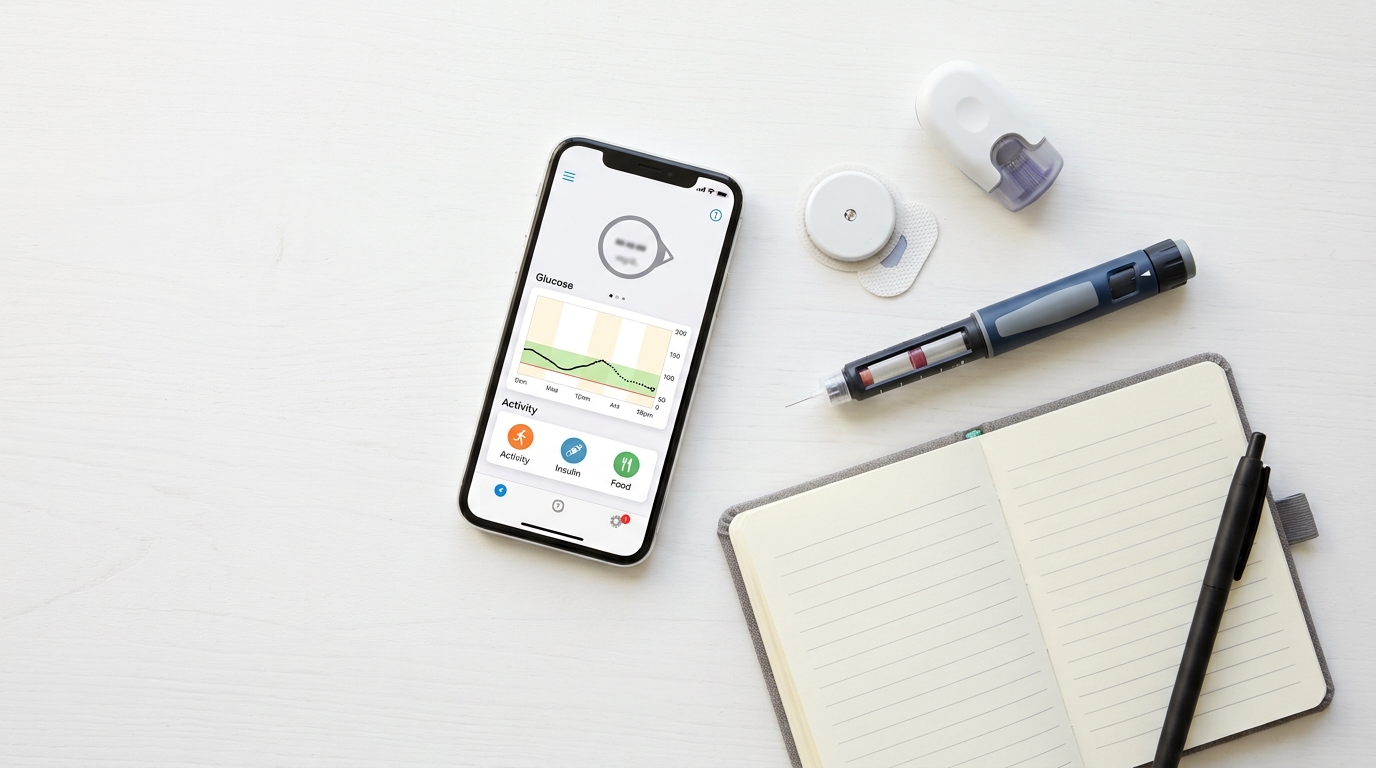
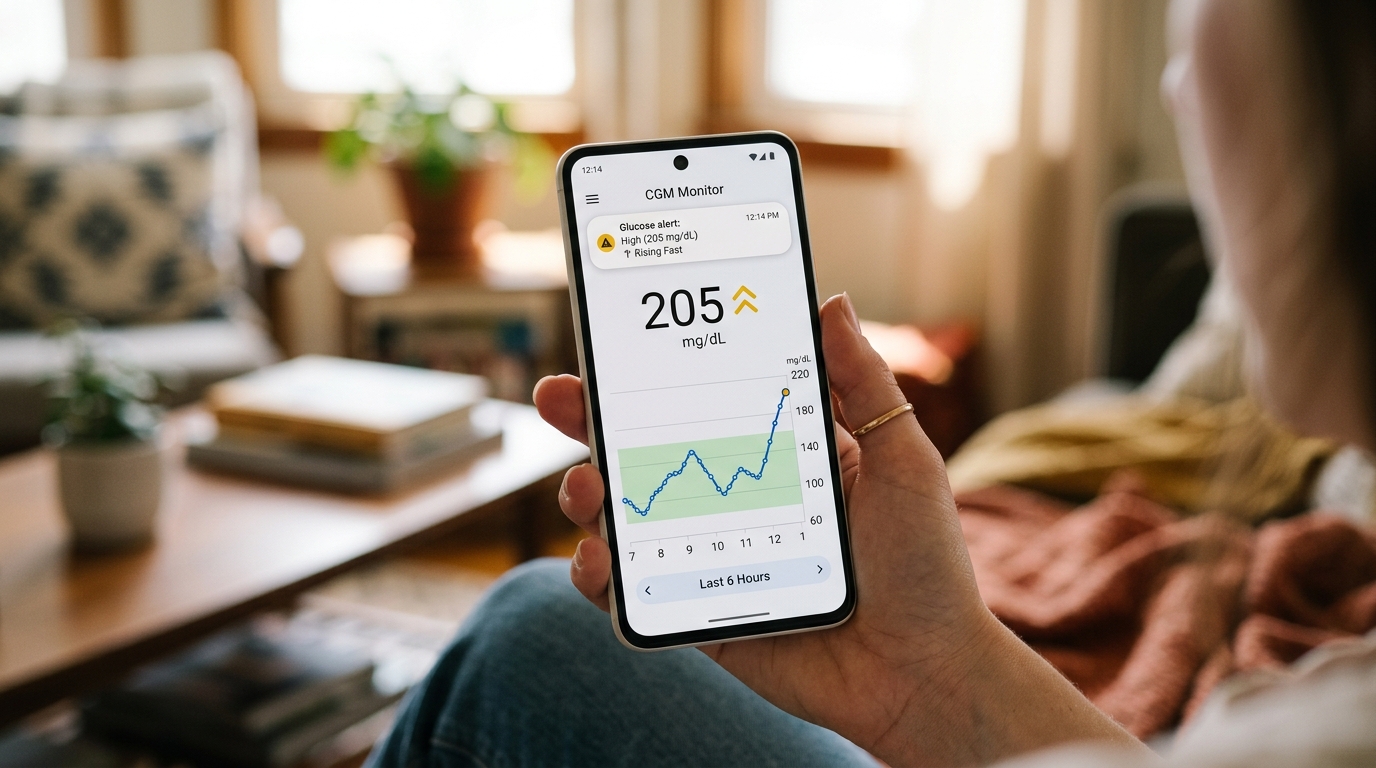
This is exactly the situation where a continuous glucose monitor can make a real difference. Rather than waiting months for the next lab test to see whether your numbers have improved or worsened, a CGM like iCan CGM lets you watch your glucose respond to your daily choices in real time. That kind of immediate feedback can be the difference between vague advice to eat better and a genuinely personalized plan built around your own body's patterns.
What Prediabetes Actually Means
Prediabetes is diagnosed when blood glucose levels are higher than normal but not yet high enough to be classified as type 2 diabetes. It typically shows up through one of a few standard tests: a fasting blood glucose between 100 and 125 mg/dL, an HbA1c between 5.7 and 6.4 percent, or an abnormal result on an oral glucose tolerance test.
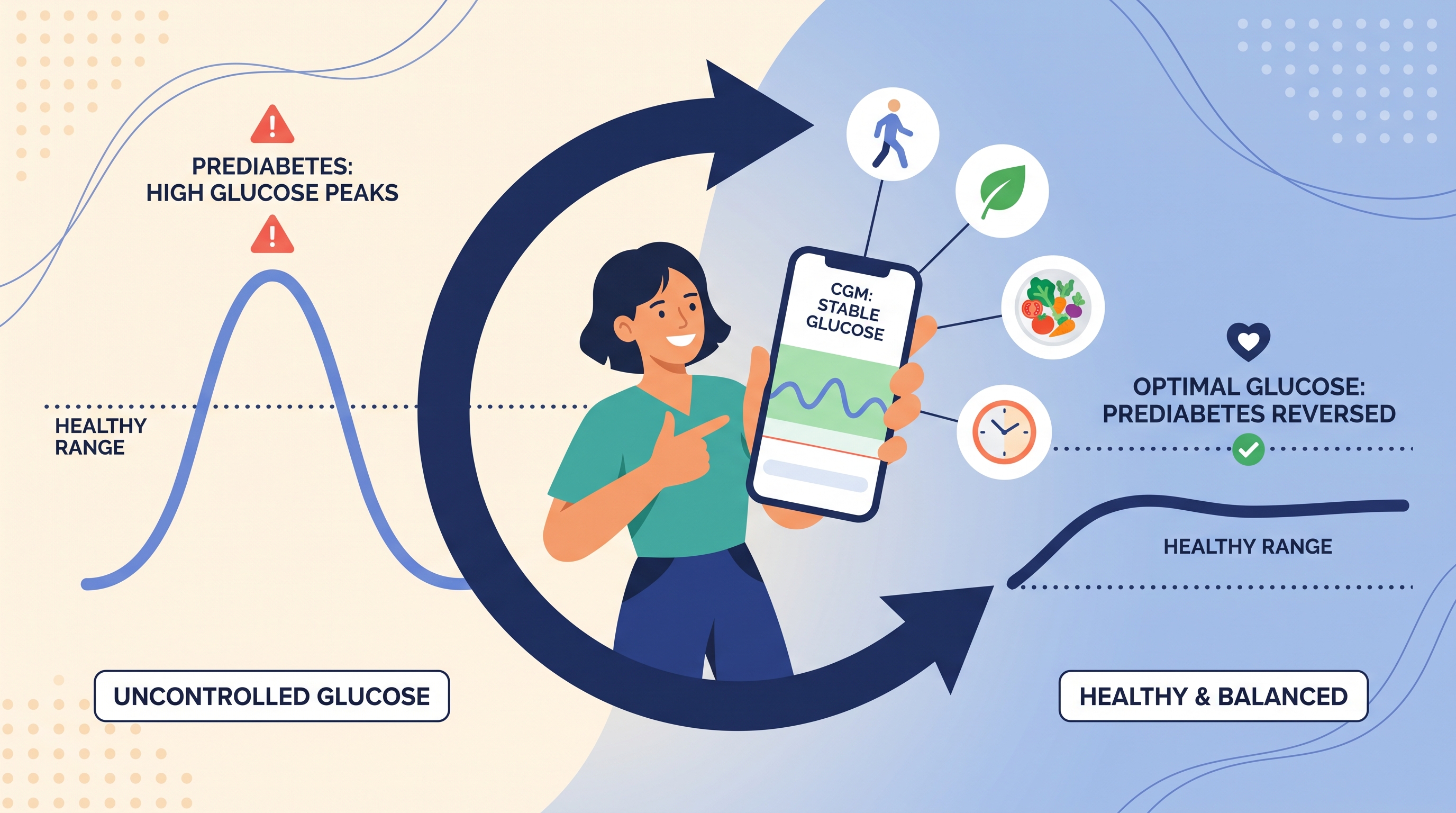
The important thing to understand about prediabetes is that it is not a fixed diagnosis you are stuck with forever. Research consistently shows that lifestyle changes, particularly around diet, physical activity, and weight management, can bring glucose levels back into a normal range for a meaningful number of people. This window, between prediabetes and full type 2 diabetes, is one of the most valuable opportunities for prevention in the entire diabetes care journey.
Why Prediabetes Often Goes Unnoticed
Unlike type 2 diabetes, which can eventually bring on noticeable symptoms like excessive thirst, fatigue, or frequent urination, prediabetes usually causes no symptoms at all. This is precisely what makes it dangerous. Many people carry prediabetes for years without realizing it, during which time the underlying insulin resistance can continue to worsen quietly in the background.
Why Traditional Testing Falls Short for Prediabetes
If you have been diagnosed with prediabetes, your doctor has likely recommended lifestyle changes and a follow up blood test in three to six months. While this approach is medically sound, it leaves a long gap where you are essentially guessing whether your daily choices are actually working.
The Problem With Waiting for the Next Lab Test
A single fasting glucose test or HbA1c reading, taken months apart, cannot tell you which specific meals, habits, or patterns are pushing your glucose in the wrong direction. You might cut back on sugary drinks and add a daily walk, genuinely believing you are doing everything right, only to find at your next test that your numbers have barely moved. Without more frequent feedback, it becomes difficult to know which changes are actually making a difference and which ones need adjusting.
Occasional Finger Pricks Only Capture a Moment
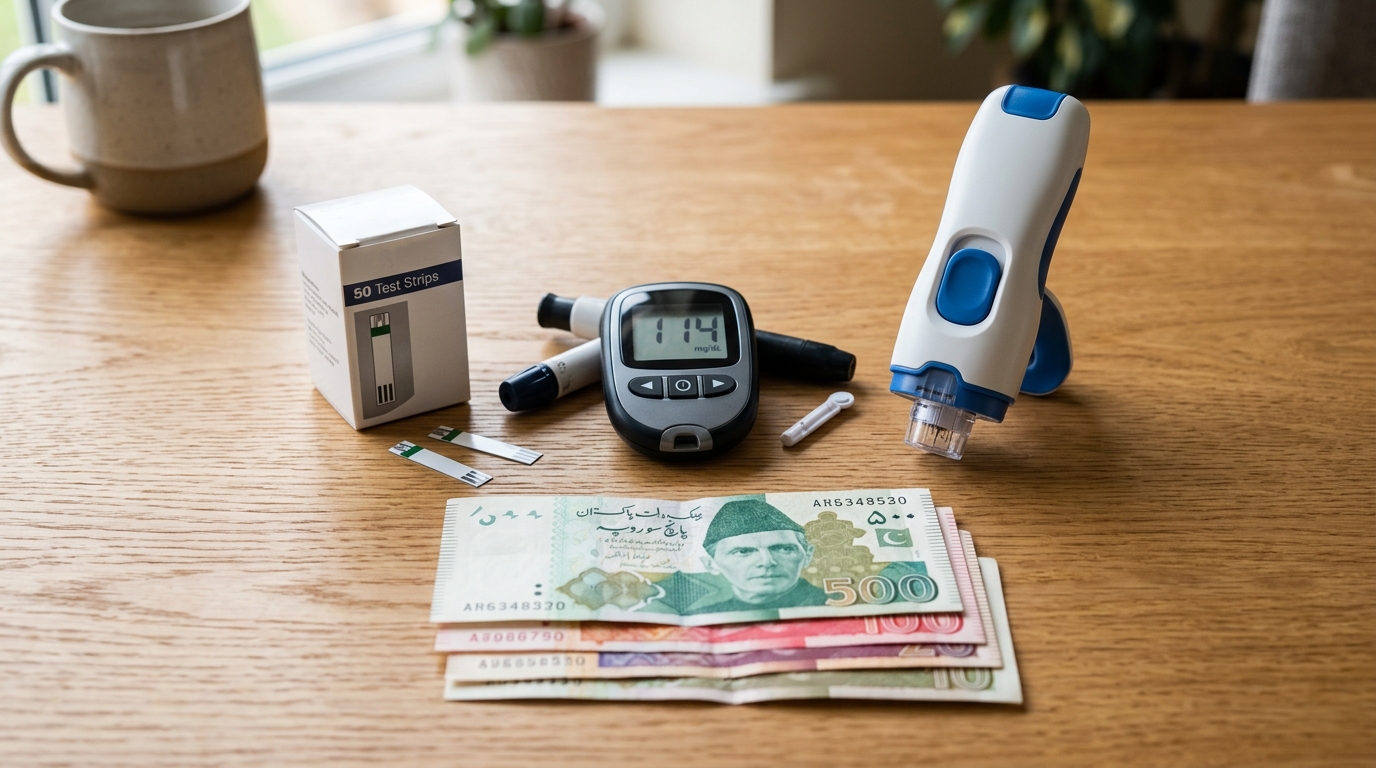
Even if you check your glucose with a glucometer once or twice a day, you are only seeing single snapshots. Glucose naturally rises and falls throughout the day in response to meals, stress, sleep, and activity, and a handful of daily checks can easily miss the moments that matter most, such as a steep spike after a particular meal or a slow overnight climb.
How CGM Changes the Picture for Prediabetes
A continuous glucose monitor like iCan CGM removes the guesswork by tracking glucose automatically throughout the day and night, giving you a complete view of your patterns rather than isolated data points.
Seeing Your Personal Food Triggers
One of the most eye opening experiences people report after starting CGM use is discovering that certain foods they assumed were healthy actually cause significant glucose spikes for them personally. Glucose response to food is not identical from person to person, since factors like gut bacteria, insulin sensitivity, and portion size all play a role. A CGM lets you test this directly by watching what happens to your glucose graph after specific meals, rather than relying on generic nutrition advice that may not apply to your body.
Understanding the Effect of Exercise
CGM data also reveals how physical activity affects your glucose, both during exercise and for hours afterward. Many people are surprised to learn that a short walk after a meal can meaningfully blunt a glucose spike, or that strength training has a different effect on glucose than cardio does. Seeing this play out on your own glucose graph tends to be far more motivating than reading about it in general health advice.
Catching Overnight and Morning Patterns
Prediabetes often involves subtle changes in how the body handles glucose overnight, including a pattern known as the dawn phenomenon, where glucose rises in the early morning hours due to natural hormone changes. Since this happens while you are asleep, it is nearly impossible to catch with occasional finger pricks. Continuous monitoring captures this automatically, giving your doctor useful information about whether your overnight patterns need attention.
Building a Plan Around Your CGM Data
Simply wearing a CGM will not reverse prediabetes on its own. The real value comes from using the data to make informed, targeted changes to your daily routine.
Reviewing Your Data Weekly
Rather than obsessing over every single reading, it helps to step back and review your glucose trends on a weekly basis using the iCan CGM app's summary reports. Look for recurring patterns, such as a consistent spike after breakfast or a dip in the late afternoon, and use these patterns to guide specific, small changes rather than a complete lifestyle overhaul all at once.
Making One Change at a Time
It can be tempting to change your diet, exercise routine, and sleep schedule all in the same week, but this makes it hard to know which change actually made a difference. A more effective approach is to adjust one variable, such as swapping white rice for a smaller portion with added vegetables, and then watch how your CGM graph responds over the following days before making the next change.
Sharing Your Data With Your Doctor
Bringing your CGM reports to your next appointment gives your doctor far more to work with than a single lab value. Detailed glucose trends can help them fine tune their recommendations, whether that means adjusting dietary advice, suggesting a specific type of exercise, or, in some cases, recommending medication if lifestyle changes alone are not enough.
Is Reversal Realistic?
For many people with prediabetes, meaningful improvement is genuinely achievable, particularly when changes are made early and sustained over time. Weight loss, increased physical activity, and dietary adjustments have all been shown in research to reduce the risk of progressing from prediabetes to type 2 diabetes. Reversal is not guaranteed for everyone, since factors like genetics and other health conditions also play a role, but the odds are meaningfully better when changes are informed and consistent rather than based on generic guesswork.
Setting Realistic Expectations
It is worth being honest that reversing prediabetes usually takes months of consistent effort rather than days or weeks. A CGM helps by making that effort visible and rewarding along the way, since you can watch your time in range gradually improve rather than waiting blindly for the next lab test to find out whether anything changed.
A Practical Starting Point
If you have recently been diagnosed with prediabetes, wearing a CGM like iCan CGM for even a couple of weeks can provide more insight into your personal glucose patterns than months of general dietary advice ever could. You will see, in real numbers, how your body actually responds to the foods you eat, the activity you do, and the sleep you get. That kind of direct feedback tends to make lifestyle changes feel less like a vague obligation and more like an ongoing conversation with your own body.
Prediabetes is often described as a warning sign, but it is also an opportunity. With the right information in hand, many people are able to change course before prediabetes ever becomes a permanent diagnosis, and continuous glucose monitoring is one of the clearest tools available for making that information visible.