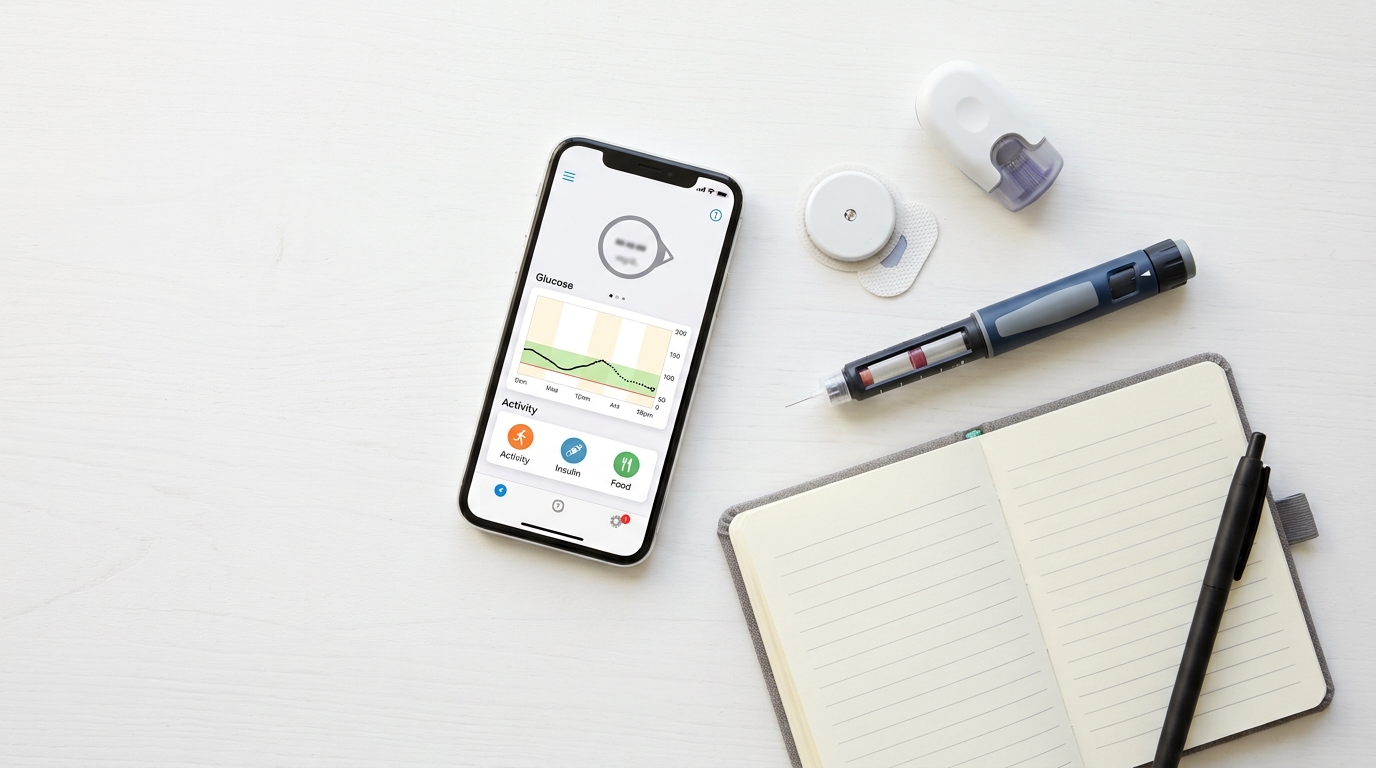
For anyone who has managed diabetes with regular finger pricks, it is hard to explain how much mental space that routine takes up until it is gone. There is the small ritual of finding a clean spot on your finger, the brief sting, the wait for a number, and then doing it all over again several times a day. Switching to a continuous glucose monitor changes that rhythm entirely. Instead of a handful of separate checks scattered through the day, glucose information becomes a quiet, constant presence in the background of everything else you are doing.
This article walks through what a typical day can look like when you are managing diabetes with a CGM like the iCan CGM instead of traditional finger pricking, from the moment you wake up to the moment you go to sleep.
Waking Up With Information Already Waiting
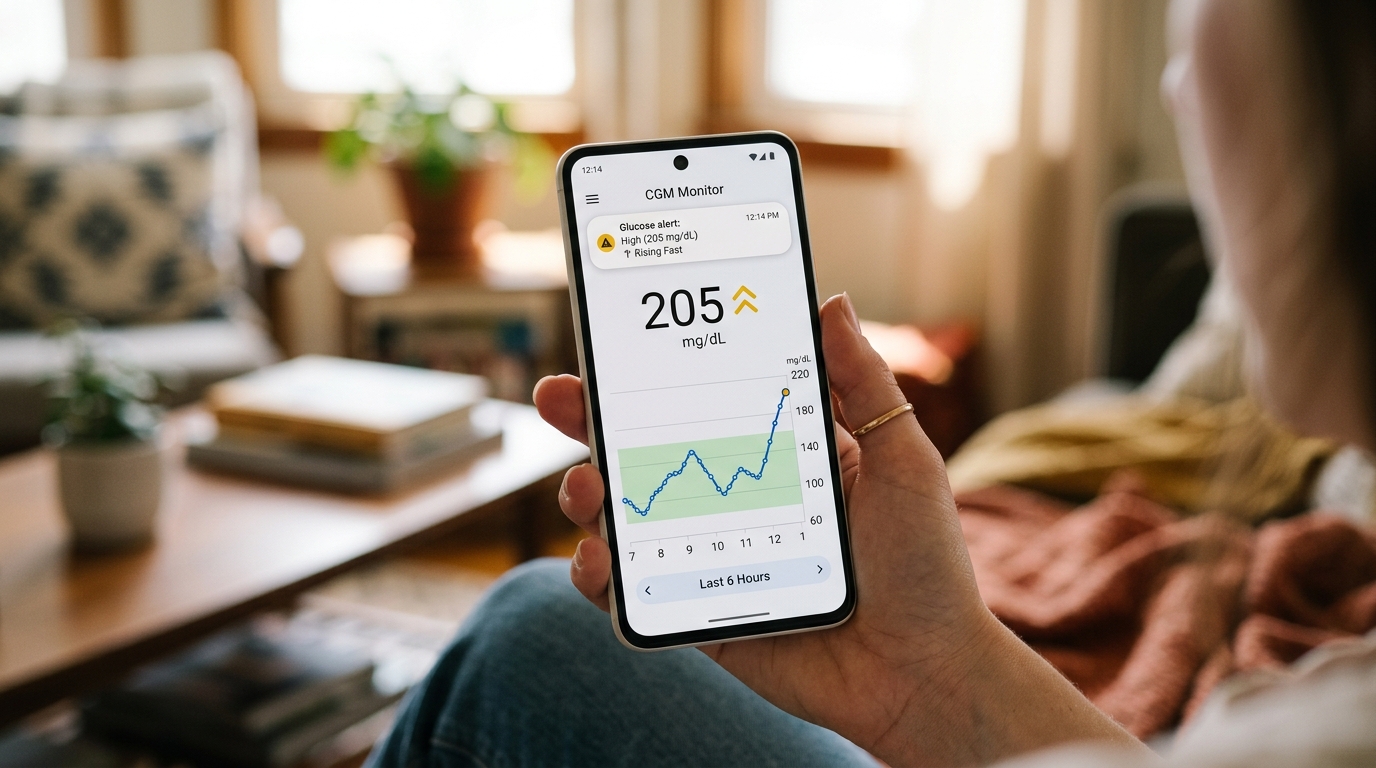
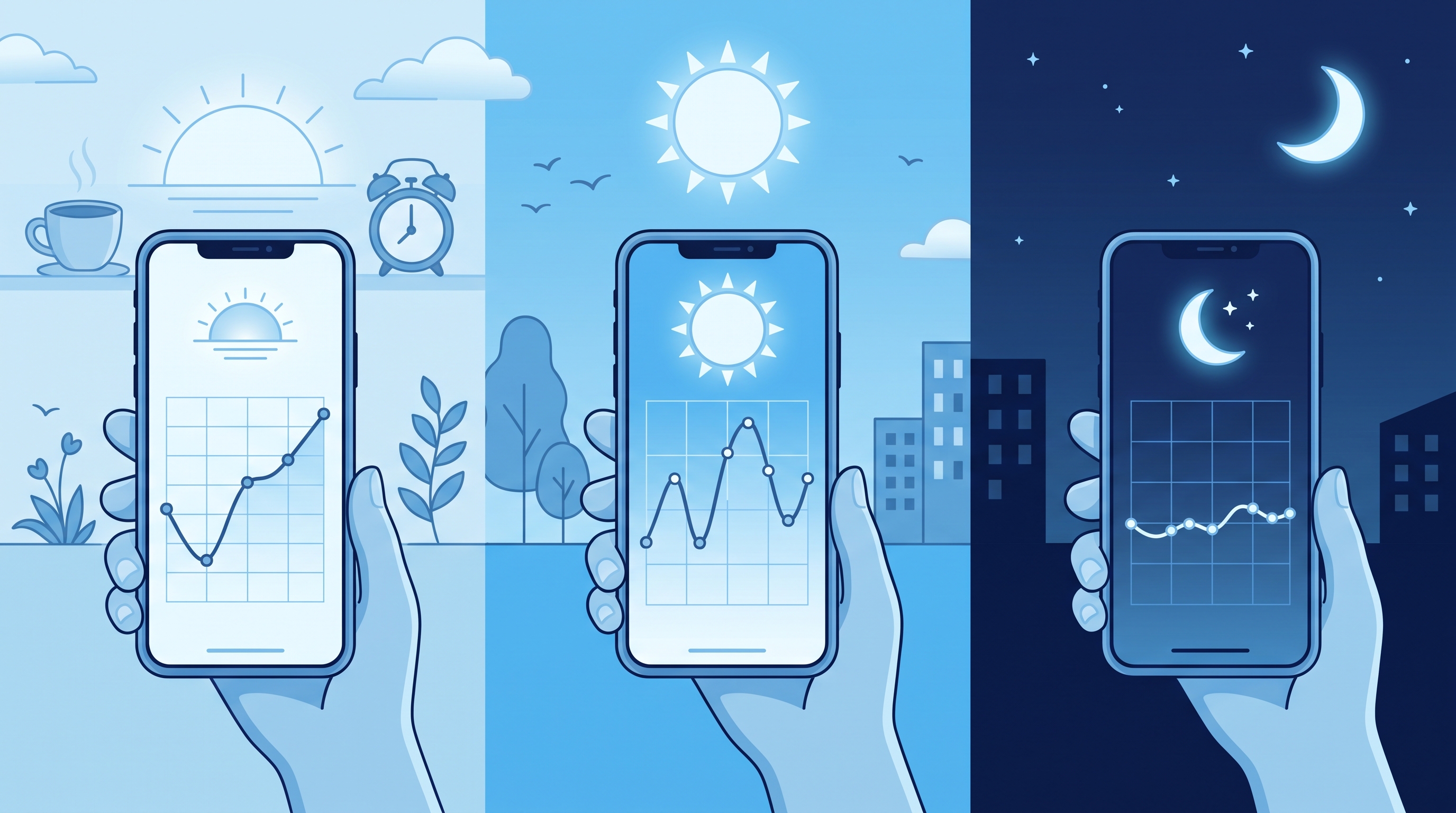
One of the first things many CGM users notice is how different mornings feel. Instead of starting the day with a finger prick before you have even properly woken up, you simply glance at your phone or a connected smartwatch and your overnight glucose trend is already there, waiting for you. You can see not just where your glucose stands right now, but how it moved through the night, whether it stayed steady, dipped during sleep, or rose gradually toward morning.
This overnight picture is something finger pricking alone could never really provide, since it would mean waking up multiple times during the night just to check. With a CGM quietly tracking glucose every few minutes while you sleep, that entire stretch of the day becomes visible for the first time, which is often one of the more reassuring parts of switching to continuous monitoring, especially for parents of children with diabetes or partners who used to worry about overnight lows.
Breakfast and the Start of the Day
As breakfast approaches, having a live glucose trend available makes decisions feel more straightforward. Rather than guessing how a meal might affect your levels, or doing a finger prick right before eating and another one after, you can watch how your glucose responds in real time as the morning goes on. If you notice a sharper rise than expected after a particular breakfast, that pattern becomes visible immediately, and over time this kind of feedback naturally shapes better choices without needing to think about it consciously.
For people taking insulin, this real time visibility also makes timing decisions easier, since the trend arrow gives a sense of where things are heading rather than relying only on a single number captured at one moment.
Getting Through the Workday
During a typical workday, a CGM fades into the background in a way finger pricking never really allowed. There is no need to step away from a meeting, find a private moment, or carry a testing kit around the office. A quick glance at a phone screen, something people already do dozens of times a day for entirely unrelated reasons, is enough to check in on glucose levels without drawing any attention or interrupting whatever else is happening.
This is particularly noticeable during long meetings, while driving, or in situations where stepping away to do a finger prick would be awkward or simply impractical. The constant, passive nature of CGM monitoring means glucose information is always available exactly when you happen to think of it, rather than only at the specific moments you deliberately stopped to check.
Lunch, Afternoon Dips, and Snack Decisions
The middle of the day often brings its own set of small decisions, whether that means figuring out what to eat for lunch or noticing an afternoon energy dip that might or might not be related to glucose. With continuous data available, it becomes much easier to tell the difference between a glucose related dip and ordinary afternoon tiredness, since the trend line on the app gives a clear, immediate answer rather than leaving you to guess.
If the trend does show glucose heading downward, a small, well timed snack can prevent things from dropping further, something that is far easier to catch early with continuous monitoring than with occasional finger pricks that might miss the early stages of a downward trend entirely.
Exercise and Physical Activity
Whether it is a structured workout, a walk during a lunch break, or an evening sport, having a CGM active throughout physical activity removes a layer of uncertainty that used to require stopping to test. Trends can be checked before starting an activity, glanced at partway through if needed, and monitored afterward as the body continues to respond to the exercise for a while after it ends. This ongoing visibility, without needing to interrupt the activity itself, is one of the more practical everyday benefits of continuous monitoring.
Evenings and Family Time
In the evening, many people find that a CGM changes the emotional tone of managing diabetes as much as the practical side of it. Instead of diabetes management feeling like a series of separate tasks squeezed into a busy day, it becomes something quieter that runs in the background while you focus on dinner, family time, or simply relaxing after work.
For those sharing their data through the iCan Reach app, evenings can also be a time when family members quietly check in on glucose trends from their own phones, offering a layer of support without needing constant conversation about it. A parent checking a teenager's glucose trend before bed, or an adult child glancing at a parent's data from another city, both become simple, low effort parts of the evening rather than a source of ongoing worry.
Overnight Monitoring
Sleep is often where the difference between finger pricking and continuous monitoring feels most significant. Traditional management sometimes meant setting alarms to wake up and check glucose during the night, particularly for anyone prone to overnight lows. A CGM removes much of that need, since it continues tracking glucose automatically through the night and can send an alert if levels move outside a safe range, without requiring you to wake up on a fixed schedule just to check manually.
This shift alone changes the overall experience of living with diabetes for a lot of people, turning what used to be a source of interrupted sleep and quiet anxiety into something that runs safely in the background while you rest.
What Actually Changes Day to Day
Looking at a full day this way, the biggest shift is not any single dramatic moment but the steady removal of small interruptions throughout the day. Fewer sharp pricks, fewer moments of stepping away from what you are doing, and less mental energy spent wondering what your glucose might be doing right now. In its place is a quieter, more continuous stream of information that sits in the background until you actually need it.
This does not mean a CGM removes the effort of managing diabetes altogether. Meals, activity, medication, and general awareness still matter just as much as before. What changes is how that management fits into daily life, becoming something woven into ordinary moments like checking a phone screen rather than a separate task that has to be scheduled and remembered several times a day.
Why This Shift Matters
For many people, the appeal of a device like the iCan CGM goes beyond the technical accuracy or the convenience of not having to prick a finger. It is about how diabetes management stops feeling like something that interrupts a normal day and starts feeling like something that simply exists alongside it. A day managed with continuous glucose monitoring still has its normal ups and downs, but it tends to have a lot less friction, a lot less guesswork, and often, a lot less quiet worry running underneath everything else.