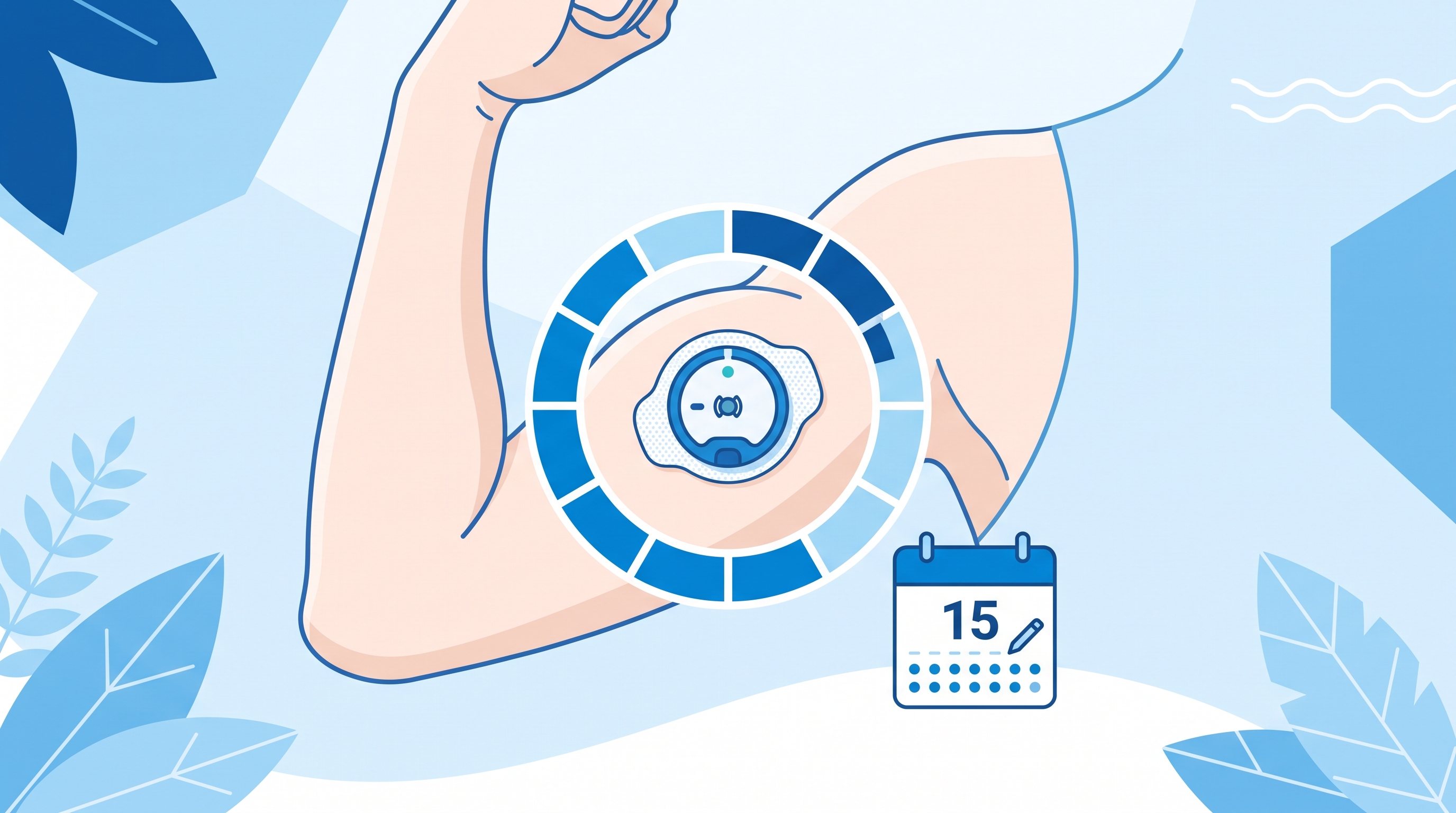
Anyone who has worn a continuous glucose monitor for a while knows that sensor life matters just as much as accuracy. It affects how often you have to deal with a new insertion, how much you end up spending over a month, and how much you have to plan your routine around a device sitting on your arm. The iCan i3 stands out in this regard because it holds the sensor for a full fifteen days, making it the first CGM in the world to reach that wear time. This article looks at what that actually means for someone using it day to day, and why fifteen days is a bigger deal than it might first sound.
What Fifteen Days of Wear Actually Means
Most continuous glucose monitors on the market today last somewhere between ten and fourteen days per sensor. That might not sound like a huge gap compared to fifteen days, but when you add it up over a year, the difference becomes noticeable. A ten day sensor needs to be replaced roughly thirty six times a year. A fifteen day sensor only needs replacing about twenty four times. That is a full dozen fewer insertions annually, which adds up to fewer purchases, fewer applications, and fewer moments where you have to interrupt your day to deal with a new sensor.
For someone managing diabetes long term, this kind of small, steady difference matters more than it seems at first glance. Diabetes care is rarely about one big decision. It is about hundreds of small ones repeated over years, and reducing the frequency of even a routine task like sensor changes can genuinely lighten the mental load of managing a chronic condition.
Why Longer Wear Time Is Hard to Achieve
Extending sensor life from ten or fourteen days to fifteen is not simply a matter of leaving the same technology on longer. Sensor accuracy tends to drift the longer a filament stays under the skin, partly due to the body's natural response to having a foreign object in the tissue, and partly due to the biochemical stability of the sensor material itself. Manufacturers who try to stretch a shorter lived sensor's design into extra days often see a drop in accuracy toward the end of its life.
Reaching fifteen days without sacrificing accuracy requires a different approach to the sensor's membrane coating and its calibration algorithm, both of which need to remain stable and reliable well past the point where most sensors on the market start to degrade. The iCan i3 reaching this milestone as the first of its kind reflects a meaningful step forward in the underlying sensor technology rather than just a marketing claim.
What This Means for Cost Over Time
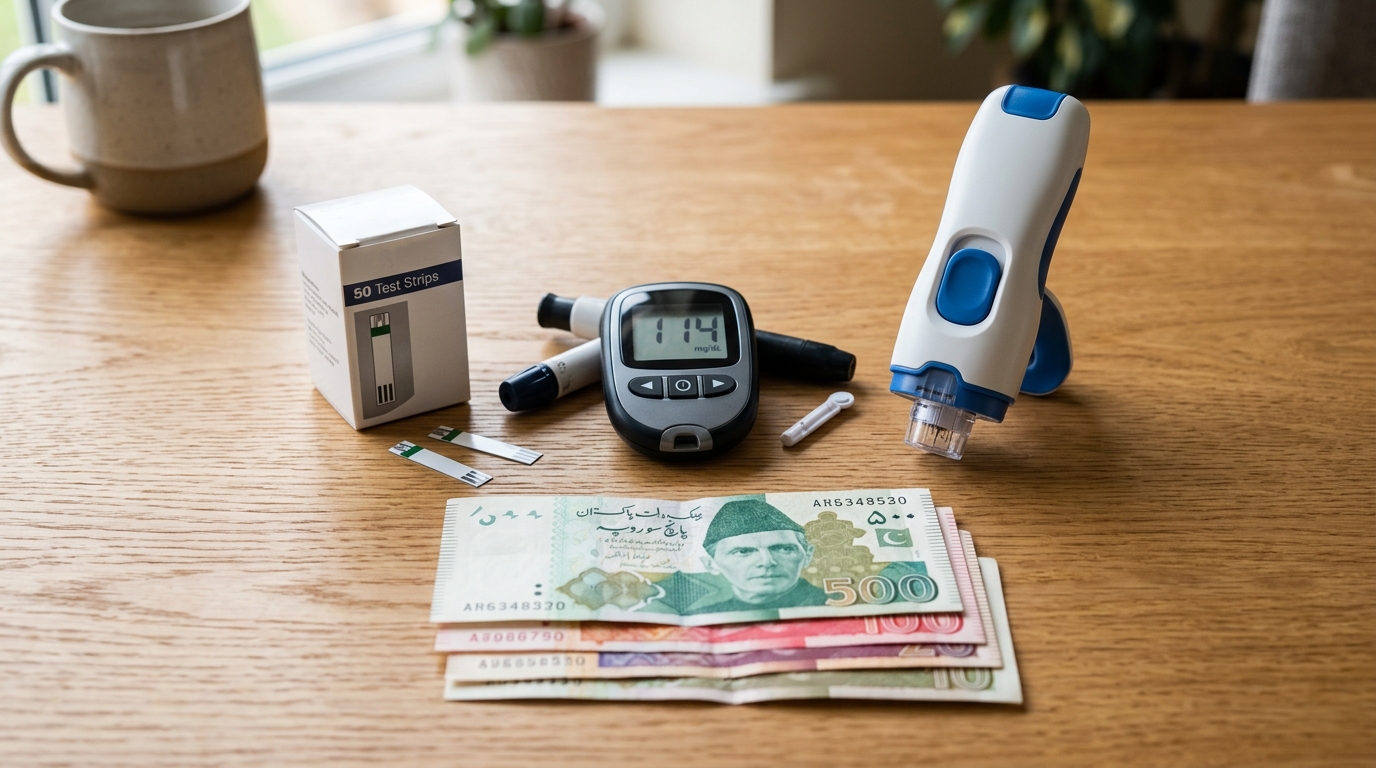
Cost is one of the most practical reasons people care about sensor life. If you are managing diabetes in Pakistan, where a large share of healthcare spending comes directly out of pocket rather than through insurance, every extra day a sensor lasts translates into real savings.
Consider two sensors priced closely to each other, one lasting ten days and one lasting fifteen. Over a full year, the shorter lived sensor requires around thirty six replacements, while the longer lived one requires around twenty four. Even if the fifteen day sensor costs a bit more per unit, the total annual cost usually comes out lower once you account for needing a third fewer sensors across the year. This is one of the reasons the iCan i3 is often described as a genuinely affordable option for continuous monitoring, since the extended wear time helps offset the ongoing cost that comes with any consumable medical device.
Fewer Interruptions to Daily Life
Every sensor change involves a small series of steps. You need a fresh sensor, a clean spot on your arm, a few minutes to apply it correctly, and then a short warm up period before readings become fully reliable again. None of these steps are difficult on their own, but they do add friction to your day, and that friction adds up when it happens every ten days instead of every fifteen.
People who switch to a fifteen day sensor often mention how much smoother their routine feels once sensor changes happen less frequently. It is a small shift, but it removes one more thing to remember and plan around in an already busy life. For parents managing a child's diabetes, or for anyone juggling work and family responsibilities alongside their own health, five extra days of stability between changes can genuinely make a difference in how manageable the whole process feels.
Does Longer Wear Time Affect Comfort
A common question people ask before switching to a longer lasting sensor is whether wearing it for an extra few days affects comfort. In practice, most users report that once a sensor is properly placed and past its initial adjustment period, comfort tends to stay consistent throughout the full wear cycle rather than declining as the days go on. The iCan i3 sensor is designed to sit flat and stay secure through normal daily activities, including exercise and sleeping on your arm, so the extended wear time does not come at the cost of how it feels to wear.
It is worth mentioning that skin sensitivity varies from person to person, and some users may need to rotate insertion sites or use a barrier wipe if they notice irritation around the adhesive over time, regardless of which CGM brand they use. This is a normal part of long term sensor wear and not something unique to longer lasting devices.
How This Compares to Traditional Testing Habits
It helps to put fifteen days into perspective against the alternative most people are used to, which is finger prick testing multiple times a day, every single day. Over a two week period, someone testing five times daily would prick their finger around seventy times. During that same period, a single iCan i3 sensor is quietly working in the background the entire time, sending automatic readings roughly every three minutes without a single additional prick required after the initial insertion.
This contrast is part of why continuous glucose monitors have become so appealing to people who found daily testing painful, inconvenient, or simply hard to keep up with consistently. A fifteen day sensor amplifies that benefit even further, since it stretches the gap between any kind of active intervention even longer than shorter lived CGMs already do.
What to Expect When a Sensor Reaches the End of Its Fifteen Days
As a sensor approaches the end of its life, most CGM apps, including the iCan CGM app, will notify you a day or so in advance so you can plan for the change rather than being caught off guard. This gives you time to have a new sensor ready and to schedule the swap for a convenient moment in your day, rather than scrambling last minute.
Once the fifteen days are up, the sensor should be removed and replaced with a fresh one following the same simple application process as the first time. There is a brief warm up period after each new sensor is applied, typically an hour or so, during which the device calibrates itself before providing fully reliable readings. This is standard across CGMs generally and is not something unique to a longer lasting sensor.
Why This Milestone Matters Beyond the iCan i3 Itself
Being the first CGM to reach fifteen days of wear is not just a point of pride for one product. It reflects a broader direction in how glucose monitoring technology is developing, with manufacturers working to reduce the ongoing burden that comes with any wearable medical device. As more companies aim to match or extend this wear time, people managing diabetes stand to benefit from lower costs, fewer interruptions, and steadily improving comfort across the CGM market as a whole.
For now, though, the iCan i3 holds a genuine lead in this specific area, giving users in Pakistan and elsewhere a practical, lower maintenance option that fits into daily life with less friction than most alternatives currently available.
Final Thoughts
Sensor wear time might seem like a small technical detail next to bigger questions like accuracy or cost, but it quietly shapes the everyday experience of using a CGM more than people expect going in. Fifteen days instead of ten or twelve means fewer changes, lower yearly spending, and one less thing to think about in a condition that already asks for a lot of ongoing attention. The iCan i3 reaching this milestone first is a meaningful step for anyone looking for a continuous glucose monitor that fits into daily life with as little disruption as possible.