One of the first practical questions people ask before wearing a continuous glucose monitor is whether it can handle everyday water exposure. Showers, hand washing, sweating during exercise, and the occasional swim are all part of normal life, and nobody wants to remove a sensor or worry constantly about damaging it just to go about their day. The iCan i3 carries an IP28 rating, and understanding exactly what that means can help you use the device confidently without second guessing every wet situation you run into.
What an IP Rating Actually Is
IP stands for Ingress Protection, and it is an international standard used to describe how well a device resists solids like dust and liquids like water. The rating always follows the same format, the letters IP followed by two numbers. The first number refers to protection against solid particles, and the second number refers to protection against liquids. Higher numbers in each position mean stronger protection.
For the iCan i3, the rating is IP28. Breaking this down, the first digit, 2, indicates protection against solid objects larger than about 12.5 millimeters, along with some protection against fingers or similar sized objects making accidental contact with internal components. The second digit, 8, indicates protection against continuous immersion in water beyond one meter in depth, under specific conditions defined by the testing standard, which generally translates to strong resistance against everyday water exposure like showering, swimming, and sweating.
What IP28 Means in Practice
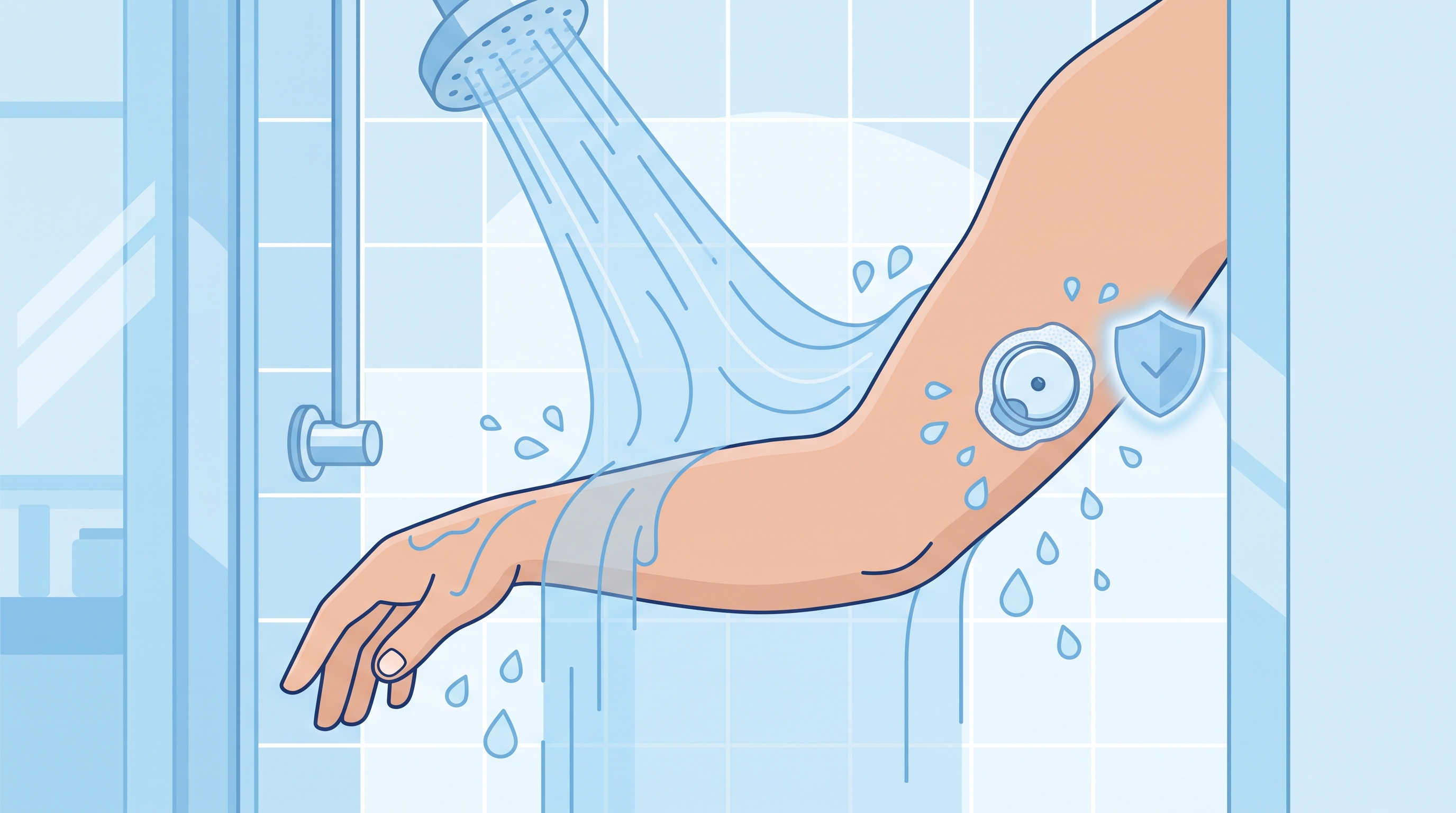
In real terms, an IP28 rating means the iCan i3 sensor is built to handle regular contact with water without being damaged or losing accuracy. This covers situations like taking a normal shower, washing your hands or arms, sweating heavily during a workout, getting caught in the rain, or swimming in a pool.
This is a meaningful practical benefit, since many people managing diabetes lead active lives that involve regular water exposure, and having to plan around protecting a sensor, or worse, having to remove it before certain activities, would add unnecessary friction to an already demanding daily routine.
What IP28 Does Not Mean
It is worth being clear about the limits of this rating as well, since an IP rating describes tested conditions rather than an unlimited guarantee against any possible scenario. IP28 does not mean the sensor is designed for prolonged deep sea diving, high pressure water exposure like a powerful jet spray at close range, or extended submersion far beyond the one meter depth and duration conditions used in standard testing.
It also does not mean the sensor is indestructible in general. Physical impact, excessive bending, or deliberately submerging the device for extended periods well beyond normal swimming or bathing use could still affect its performance or the adhesive holding it in place, even though the electronic components themselves are built to resist water intrusion under the tested conditions.
In practice, this distinction rarely matters for the vast majority of users, since normal daily life, including regular swimming and bathing, falls well within what the IP28 rating is designed to handle.
Showering and Bathing With the Sensor On
Showering is one of the most common daily activities people worry about when starting a CGM, and the good news is that the iCan i3's IP28 rating covers this without any special precautions needed. You can shower normally, including washing the arm where the sensor is placed, without needing to cover it or worry about water damaging the device.
That said, it is generally a good habit to avoid directing a very forceful, concentrated stream of hot water, like from a powerful shower jet, directly at the edge of the sensor's adhesive for extended periods, simply because this can occasionally loosen the adhesive over time, not because it damages the electronics themselves. This is more about keeping the sensor securely attached than about water resistance.
Swimming and Water Sports
Swimming is another activity that the IP28 rating specifically supports, given that the standard's second digit relates directly to immersion resistance. This means a pool swim, a day at the beach, or similar water based activities should not pose a problem for the sensor's function.
For people who are particularly active in water, it can help to check that the adhesive edges remain firmly in place after extended swimming sessions, since chlorine, salt water, and prolonged wet conditions can sometimes affect adhesive strength over time, even when the underlying electronics remain fully protected. If you notice the edges lifting after a long swim, gently pressing them back down or using an additional adhesive patch, sometimes called an overpatch, available separately, can help keep the sensor secure for its full wear period.
Exercise and Sweating
Sweating heavily during exercise is another situation where water resistance matters, and this is arguably one of the most common everyday scenarios the IP28 rating is meant to address. No matter if you are walking, going to the gym, playing a sport, or doing any activity that works up a serious sweat, the sensor is built to continue functioning normally throughout.
This matters particularly for people who want to understand how exercise affects their glucose levels in real time, since being able to wear the sensor confidently through a workout, without worrying about sweat interfering with its function, is part of what makes continuous monitoring so useful for active individuals.
What to Do if the Sensor Gets Wet Unexpectedly
Even with a strong water resistance rating, it is normal to want reassurance after unexpected exposure, like getting caught in heavy rain or accidentally splashing the sensor area more than usual. In most cases, simply drying the surrounding skin and adhesive edges with a clean towel afterward is all that is needed. There is no need to remove the sensor or start a new one just because it got wet during normal daily activity, since this is precisely the kind of exposure the IP28 rating is designed to handle.
If you ever notice the sensor reading unusual values shortly after significant water exposure, it is reasonable to confirm with a finger prick check, simply as a general precaution rather than because water exposure specifically compromises accuracy under normal use.
Why Water Resistance Matters for Long Term Wear
Given that the iCan i3 sensor is designed to be worn continuously for fifteen days, water resistance becomes even more important than it would be for a device meant for only a day or two. Over a two week period, it would be unrealistic to expect someone to avoid showering, sweating, or swimming entirely, so a sensor that cannot handle regular water exposure would create constant inconvenience throughout its wear cycle.
The IP28 rating essentially ensures that water exposure, one of the most common everyday realities of wearing anything on your skin for two weeks straight, does not become a source of ongoing anxiety or a limitation on how you live your daily life while wearing the device.
How This Compares to Older Glucose Monitoring Habits
It is worth pausing to appreciate how much of an improvement this level of water resistance represents compared to older approaches to diabetes monitoring. Traditional glucometers do not face this issue directly since they are only used briefly for each test, but the broader shift toward wearable, continuous devices has made water resistance a genuinely important design consideration that did not exist in the same way with finger prick only routines. A device meant to stay on your body for two straight weeks needs to hold up against the ordinary realities of a normal life, and water exposure sits right at the center of that requirement.
This is part of why IP ratings have become a standard piece of information manufacturers include for wearable medical devices, giving users a clear, internationally recognized way to understand what a device can handle without needing to guess or rely on vague marketing claims like simply calling something water resistant without specifying what that actually covers.
Traveling and Water Exposure
For people who travel frequently, whether for work or leisure, water resistance also matters in less obvious situations, like unexpected rain while out sightseeing, humid climates that lead to heavier sweating than usual, or spending a day at a beach resort. Knowing that the iCan i3 is built to handle these situations without special preparation means one less thing to plan around while traveling, which already tends to disrupt normal routines enough on its own.
This becomes especially relevant for anyone visiting hot, humid regions where sweating is simply a part of daily life regardless of activity level, since a device that could not handle that kind of consistent moisture exposure would create ongoing frustration for travelers trying to manage their diabetes away from home.
Final Thoughts
The IP28 rating on the iCan i3 reflects a level of water resistance built specifically around real, everyday situations like showering, swimming, sweating, and general daily activity, rather than extreme or unusual conditions most users will never actually encounter. Understanding what this rating covers, and where its practical limits sit, allows you to wear the sensor with confidence through your normal routine, without needing to change your habits or worry constantly about water affecting a device you are relying on for continuous, accurate glucose data.