
If you have spent any time researching continuous glucose monitors, you have probably come across the term MARD without a clear explanation of what it actually means. It shows up on product pages and comparison charts, usually as a single number, but very few sites explain why that number matters or how to judge whether it is good or not so good. This article breaks down what MARD is, what the iCan i3's 8.71 percent score actually represents, and how to think about accuracy when you are choosing a CGM.
What MARD Actually Stands For
MARD stands for Mean Absolute Relative Difference. In plain terms, it measures how far off a CGM's readings tend to be, on average, compared to a reference blood glucose measurement taken at the same moment, usually from a laboratory grade device. If a CGM shows a reading of 110 and the reference test says the true value was 100, that is a ten percent difference for that single comparison. MARD takes many of these comparisons across different glucose levels and conditions, then averages the differences to produce a single combined percentage.
The lower the MARD number, the closer a device's readings tend to be to the actual blood glucose value. A MARD of zero would mean perfect accuracy every time, which does not exist in real world CGM technology. Instead, manufacturers aim to get this number as low as reasonably possible while keeping the sensor practical, affordable, and comfortable to wear for extended periods.
What Counts as a Good MARD Score
In the CGM industry, a MARD score under 10 percent is generally considered strong, and anything under 9 percent is viewed as excellent by most clinical standards. Early generation CGMs from years ago often had MARD scores well above 15 percent, meaning readings could be noticeably off from actual blood glucose, especially during periods of rapid change like right after a meal or during exercise.
The iCan i3 reports a MARD of 8.71 percent, which places it solidly within the excellent range and puts it on par with, or ahead of, several well known CGM brands used internationally. This number reflects testing done across a range of glucose levels and real world conditions, rather than a single ideal scenario, which gives a more honest picture of how the device performs day to day rather than just in a lab setting.
Why MARD Alone Does Not Tell the Whole Story
While MARD is a useful shorthand for comparing devices, it is not the only factor that determines whether a CGM works well for you personally. A few other things matter just as much in practice.
Consistency across different glucose ranges matters because some sensors perform well when glucose is in a normal range but drift more during extreme highs or lows, which are often the moments when accurate readings matter the most. A strong CGM should hold its accuracy fairly steadily whether your glucose is low, normal, or high, rather than only shining in the middle range.
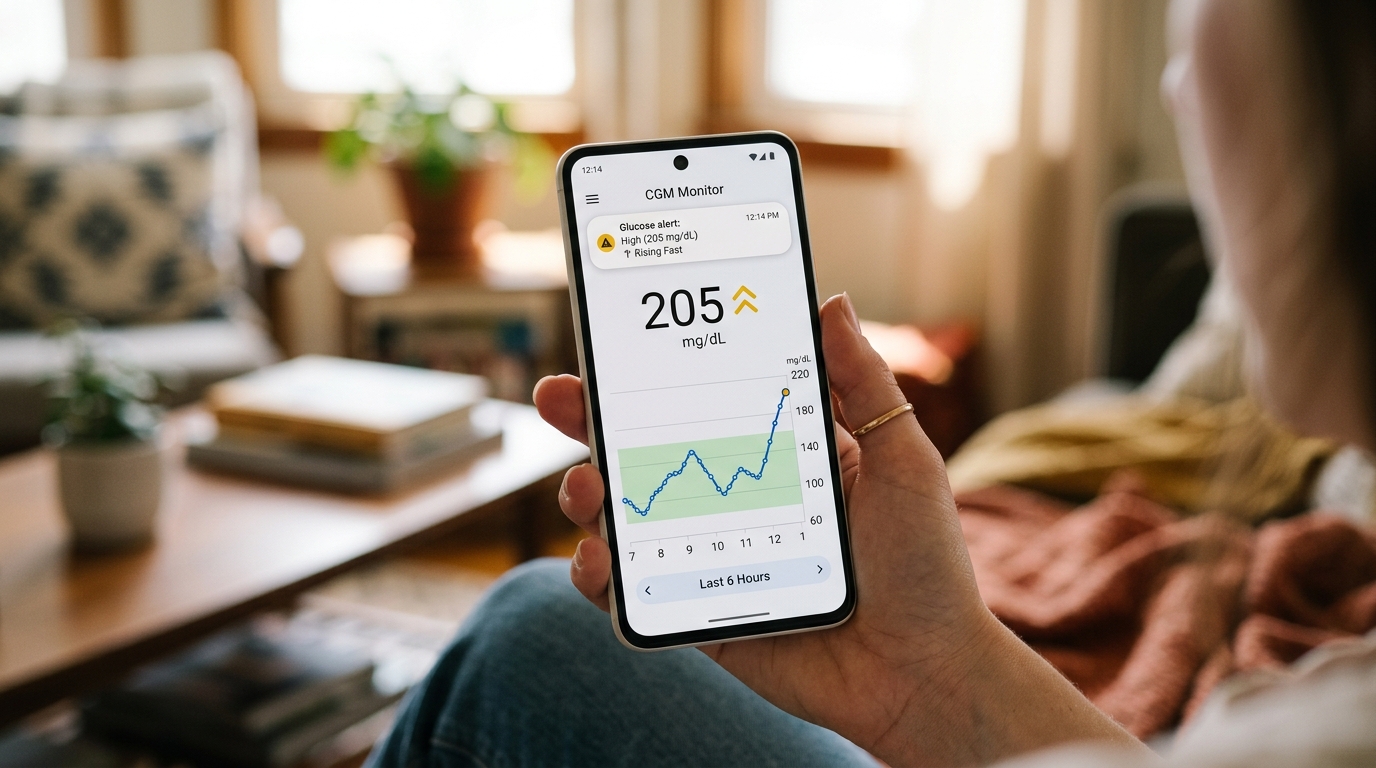
Lag time is another factor to keep in mind. Since CGMs measure glucose in the fluid around your tissue cells rather than directly in your blood, there is a natural delay of a few minutes compared to a blood test, especially when your glucose is changing quickly. This lag is a feature of how interstitial fluid works physiologically, and it exists to some degree in every CGM on the market, regardless of brand or MARD score.
Sensor to sensor consistency also plays a role. A device might have a strong average MARD score across many units tested, but it also helps to know whether that accuracy holds steady from one sensor to the next, rather than only performing well in select units used for testing.
How the iCan i3 Performs in Real World Conditions
The 8.71 percent MARD score for the iCan i3 reflects performance gathered across a range of testing conditions rather than one narrow scenario, which is important because real life is rarely as controlled as a lab environment. People eat different meals, exercise at different intensities, sleep at different times, and experience stress differently day to day, all of which affect glucose levels and put a CGM's accuracy to the test in ways a single controlled study cannot fully capture.
A MARD score in the high eight percent range, gathered under these varied conditions, suggests the iCan i3 holds up reasonably well across the everyday situations most users actually encounter, rather than only performing accurately under ideal, tightly controlled circumstances.
Why Accuracy Matters More Than It Might Seem
It is easy to think of a percentage point or two of difference in MARD scores as a minor technical detail, but in practice, accuracy has real consequences for how you manage your diabetes day to day. If a CGM consistently reads a bit higher or lower than your actual glucose, you might make treatment decisions, like taking insulin or eating a snack, based on information that does not quite match reality.
This becomes especially important around the edges of your target range. A CGM that reads accurately in the middle of a normal range but drifts noticeably during a low or a high is arguably less useful than one with a slightly higher average MARD but more consistent performance exactly when you need reliable information the most, which is during those critical moments of hypoglycemia or hyperglycemia.
Should You Still Confirm Readings With a Finger Prick
Even with a strong MARD score, most CGM manufacturers, including the makers of the iCan i3, recommend an occasional finger prick check in specific situations. If a reading seems unusually high or low and does not match how you are feeling, a quick finger prick can confirm whether the CGM reading is accurate or whether something temporary, like sensor placement or a recent pressure on the site, is affecting the result.
This does not mean the device is inaccurate in general. It simply reflects the nature of any medical sensor technology, where occasional verification adds a layer of safety, particularly before making a significant treatment decision like adjusting an insulin dose.
How This Compares to Other CGMs on the Market
Without naming specific competing brands, it is fair to say that MARD scores across established CGM manufacturers globally tend to range anywhere from around 8 percent on the strong end to well over 12 percent on devices considered less precise. The iCan i3's score of 8.71 percent lands it firmly in the upper tier of this range, which is a meaningful achievement for a device that is also positioned as an affordable option for markets like Pakistan, where cost has historically been a barrier to accessing high quality CGM technology.
This combination, strong accuracy alongside accessible pricing, is part of why the device has gained attention among people looking for a reliable but not overly expensive way to monitor their glucose continuously.
What This Means for You as a User
If you are deciding whether a CGM's accuracy is good enough for your needs, looking at the MARD score is a reasonable starting point, but it helps to pair that number with an understanding of how the device performs across different glucose ranges and real life conditions, not just in a lab. The iCan i3's 8.71 percent MARD score suggests a device that performs reliably enough for everyday decision making, while still respecting the general rule that any CGM reading should be treated as a strong guide rather than an absolute replacement for clinical judgment in critical moments.
How MARD Testing Is Actually Conducted
It helps to understand a bit about how a MARD score gets calculated in the first place, since this affects how much weight you should give the number. Manufacturers typically run studies where volunteers wear the CGM while also having their blood drawn at regular intervals and tested using a laboratory reference method, which is considered highly precise. Each CGM reading is then compared against the closest matching lab result taken around the same moment, and the differences across hundreds or thousands of these paired comparisons are averaged to produce the final MARD figure.
The quality of a MARD study depends heavily on how varied the testing conditions were. A study that only tests volunteers sitting quietly in a clinic will likely produce a lower, more favorable MARD score than one that also includes meals, exercise, and periods of rapid glucose change, since those are the conditions where CGMs typically struggle the most to keep pace with actual blood glucose. A meaningful MARD score, like the one reported for the iCan i3, should reflect testing across this fuller range of everyday situations rather than only the easiest scenarios for a sensor to measure accurately.
Common Questions About CGM Accuracy
Does a lower MARD score always mean a better CGM?
Generally yes, but it helps to also look at how the testing was conducted and across how many different glucose conditions. Two devices with similar MARD scores are not necessarily equal if one was tested under a narrower, easier range of conditions than the other.
Why does my CGM sometimes disagree slightly with my glucometer?
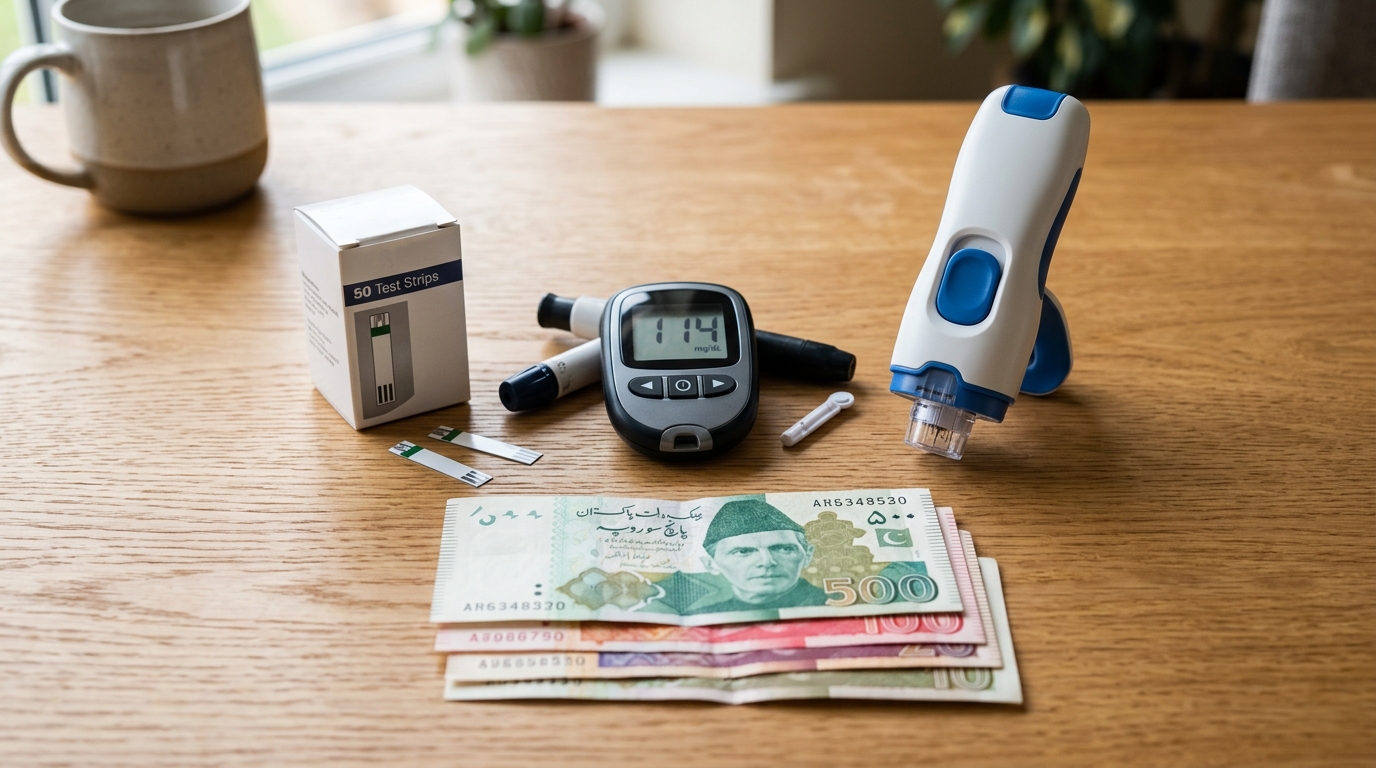
This is expected and does not necessarily mean either device is wrong. CGMs measure glucose in the fluid around your tissue cells, while a glucometer measures it directly in your blood, so a small gap, especially during periods of rapid change, is a normal part of how the two technologies work rather than a sign of malfunction.
Should I trust my CGM reading during a suspected low?
If a CGM reading suggests a low glucose level and you are experiencing symptoms that match, it is reasonable to treat it as accurate and take appropriate action, while also confirming with a finger prick if you have one on hand and time allows, simply as an added layer of confidence during an important moment.
Does accuracy change as the sensor gets closer to the end of its wear period?
Some CGMs show a slight dip in accuracy in the final day or two of wear, though this varies by device and individual. The iCan i3's fifteen day design is built to maintain consistent performance across its full wear period rather than tapering off noticeably toward the end, which is part of what makes its accuracy claims meaningful across the entire fifteen days rather than just the earlier portion of it.
Final Thoughts
Understanding MARD gives you a clearer, more informed way to evaluate any continuous glucose monitor rather than relying on marketing language alone. The iCan i3's 8.71 percent score reflects a genuinely accurate device by current industry standards, and when paired with sensible habits like occasional finger prick confirmation during unusual readings, it offers a dependable foundation for managing diabetes with real, continuous information rather than the scattered snapshots that finger prick testing alone can provide.