Most people know that food and exercise affect blood sugar, but far fewer realize just how much stress and sleep play into the equation. If you have ever noticed your glucose numbers climbing during a busy work week or after a rough night's sleep, you are not imagining things. There is a real physiological reason behind it, and understanding it can help you manage your levels more effectively. At iCAN CGM, this is one of the most common patterns we see users discover once they start reviewing their continuous glucose data over several weeks.
The Stress and Glucose Connection
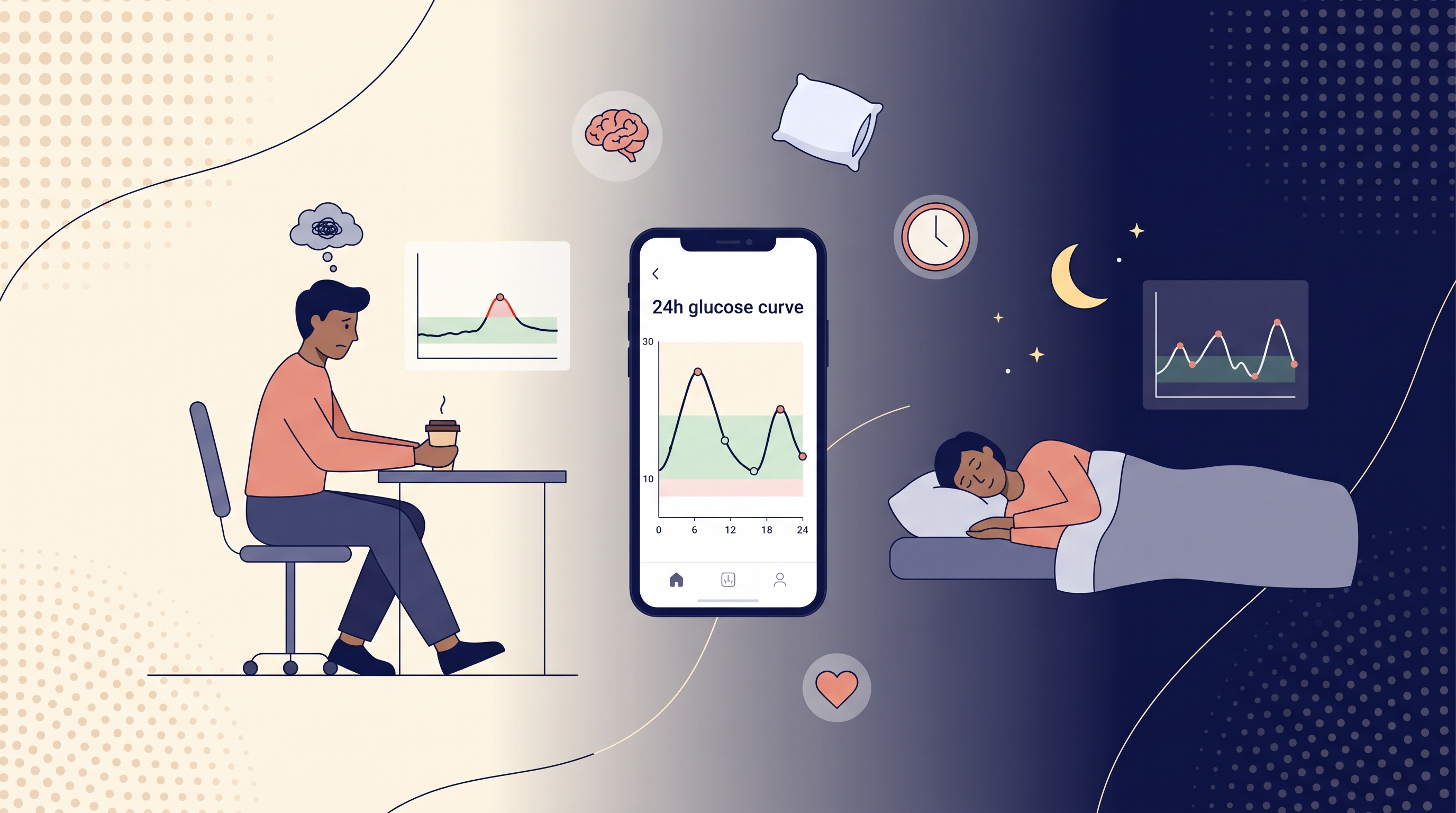
When your body experiences stress, whether it comes from a work deadline, an argument, or even sitting in heavy traffic, it releases hormones like cortisol and adrenaline. These hormones are part of the body's natural fight or flight response, and one of their jobs is to release stored glucose into the bloodstream so your muscles have quick energy available. This response was incredibly useful for our ancestors facing physical danger, but in modern life, where stress is often mental rather than physical, that extra glucose has nowhere to go and simply raises blood sugar levels instead.
For people with diabetes or prediabetes, this means that chronic stress, the kind that builds up over weeks or months rather than a single stressful afternoon, can make blood sugar management noticeably harder, even when diet and exercise stay consistent. Some people are surprised to find that their glucose numbers rise during emotionally difficult periods in life, such as family conflict or financial pressure, even without any change in what they are eating.
Why Sleep Matters More Than People Realize
Sleep and blood sugar are deeply connected in ways that surprise many people. Poor sleep, whether it is too little sleep or frequently interrupted sleep, reduces the body's sensitivity to insulin. This means the same amount of insulin does less work than it would after a good night's rest, leaving more glucose circulating in the blood. Studies have consistently shown that even a few nights of short sleep can measurably raise blood sugar and increase cravings for high sugar, high carbohydrate foods the next day, which creates a cycle that is hard to break once it starts.
Sleep disorders such as sleep apnea add another layer to this problem. The repeated drops in oxygen levels during apnea episodes trigger stress hormone release similar to daytime stress, which can quietly raise glucose levels overnight without the person ever waking up aware of it. Many people only discover this pattern after reviewing overnight CGM trends and noticing unexplained rises in glucose during sleep, which often prompts a conversation with their doctor about a possible sleep disorder.
The Two Way Relationship Between Sleep and Blood Sugar
It is worth noting that this relationship works in both directions. Poor sleep raises blood sugar, but high or unstable blood sugar can also disrupt sleep. Nighttime highs can cause frequent urination and restlessness, while nighttime lows can trigger sweating, rapid heartbeat, or vivid dreams that wake a person up. This means that improving one side of the equation often improves the other, and people who manage to stabilize their glucose levels frequently report sleeping more soundly as a result.
Practical Ways to Manage Both
Building a consistent sleep schedule, even on weekends, helps regulate the hormones that influence blood sugar. Simple habits like keeping the bedroom cool and dark, limiting screen time before bed, and avoiding caffeine in the late afternoon can make a real difference over time. On the stress side, activities like short walks, deep breathing exercises, or even a few minutes of stretching during a busy day can lower cortisol levels enough to prevent the kind of spikes that build up gradually throughout the day.
Meal timing also plays a role. Eating a heavy meal too close to bedtime can combine with poor sleep to create a particularly stubborn overnight rise in glucose, so many people find that shifting dinner earlier in the evening helps both their sleep quality and their morning glucose readings.
Seeing the Pattern With CGM
For those using a CGM, this connection becomes much easier to see. Many people are surprised to notice their glucose trend lines shift after a stressful meeting or a poor night of sleep, which makes the cause and effect relationship feel far more real than reading about it in an article. At iCAN CGM, we encourage users to look back over a week or two of data alongside a simple journal of sleep quality and stressful events, since the overlap often becomes obvious once it is laid out side by side.
Bringing Balance Into Daily Life
Blood sugar management is rarely just about what you eat. Stress and sleep are quiet but powerful factors that shape your numbers every single day. Paying attention to both, alongside diet and physical activity, gives you a much fuller picture of what is actually driving your glucose levels and puts you in a stronger position to keep them steady. If you are curious about how your own stress and sleep patterns might be affecting your glucose readings, the iCAN CGM team can help you get set up with continuous monitoring and show you how to read these patterns for yourself.