Alcohol has a strange relationship with blood sugar. It does not behave like food, and it does not behave like exercise. It sits in its own category, and the effect on your glucose graph depends on what you are drinking, how much of it, and what you ate alongside it. Your iCan CGM will show you patterns that are often surprising, and understanding them helps you make smarter choices during social occasions.
Why Alcohol Confuses Your Glucose Response
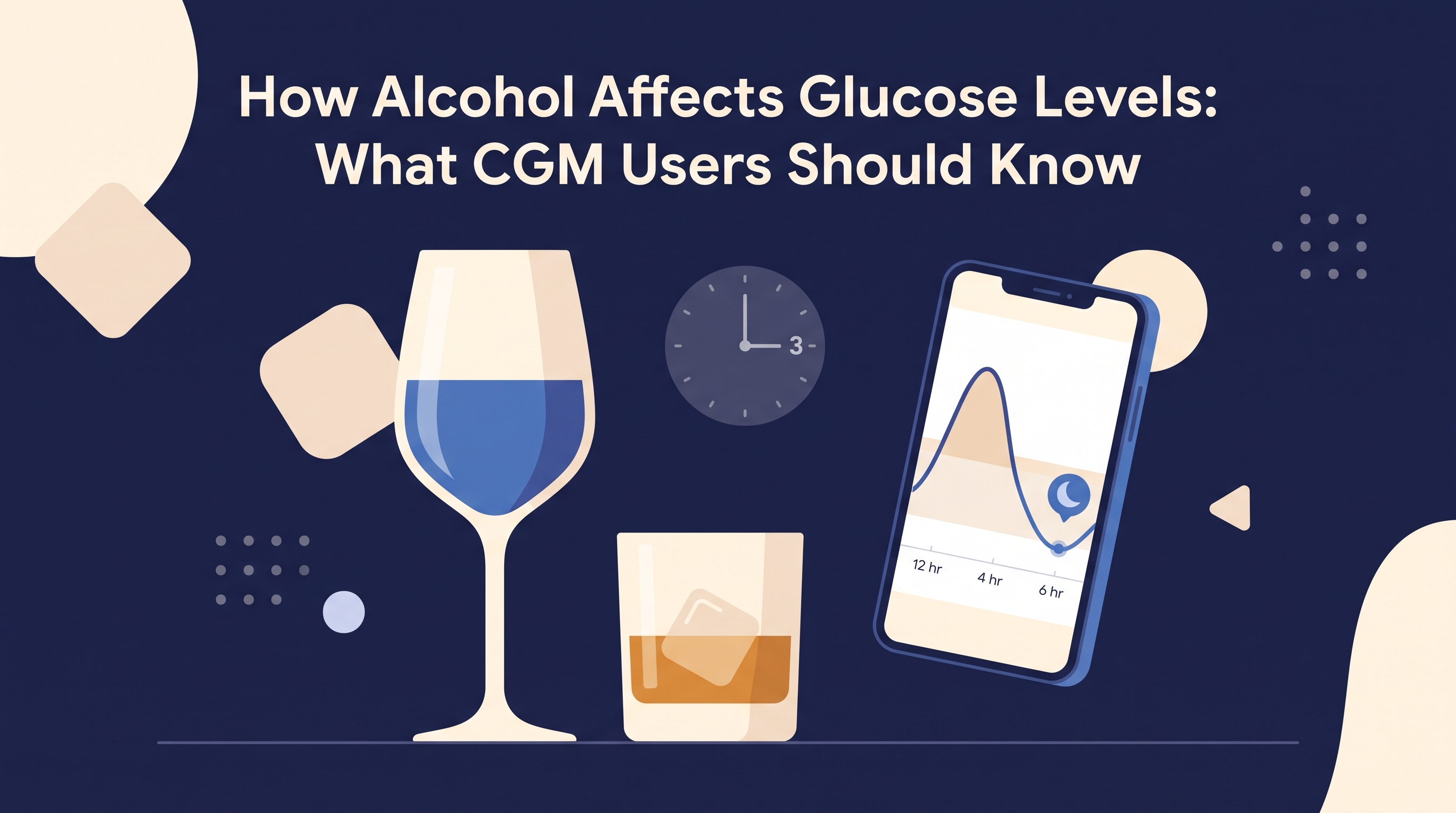
When you drink alcohol, your liver treats it as a priority. Instead of releasing stored glucose into the bloodstream at its normal pace, the liver focuses on breaking down the alcohol first. This means glucose production slows down for several hours, sometimes long after the last drink. The result on your CGM is often a delayed dip in the middle of the night or the early morning.
At the same time, many alcoholic drinks contain sugar or carbohydrates that cause a fast initial spike. So the pattern you see is often a rise, followed by a longer than expected drop hours later.
What Different Drinks Do to Your Graph
Beer typically causes the highest initial rise. A pint contains a meaningful amount of carbs, so your iCan CGM will usually show a spike similar to a starchy snack. Sweet cocktails, cider, and dessert wines cause even bigger spikes because of added sugar and juice mixers.
Dry wine and clear spirits without sugary mixers show a very different pattern. The initial rise is small, sometimes barely visible. But the delayed dip can be sharp, especially if you drank without eating.
Whiskey or vodka with soda water and a squeeze of lime tends to be one of the gentlest choices for glucose stability. That said, gentle for glucose does not mean healthy overall.
The Overnight Drop Nobody Talks About
The pattern that surprises most CGM users is the drop that happens hours after drinking. You may go to bed with a reading of 110 mg/dL and wake up to a graph showing you dropped into the 60s at three in the morning. This happens because your liver was still busy processing alcohol and could not release glucose fast enough to keep you steady while you slept.
If your iCan CGM shows this pattern, take note. It usually means you drank more than your body could easily process, or you skipped food alongside your drinks.
Practical Tips for CGM Users
Eat something with your first drink. A meal that includes protein and fiber softens both the spike and the later crash. Stick to lower sugar options if you can. A dry wine with dinner or a spirit with soda water is usually easier on your graph than beer or cocktails.
Drink water between rounds. Hydration helps your body process alcohol at a steadier pace. Watch your sensor before bed on nights you have been drinking. If your reading is already low, have a small snack with some carbs and protein before you sleep.
Learning from Your Own Data
Alcohol affects everyone differently. Body size, tolerance, recent meals, and stress all shift the response. Use your iCan CGM to learn your personal pattern rather than following general rules. Within a few social occasions you will know which drinks work for your body, which portions are safe, and when to eat to protect your overnight readings.