Glucose Monitoring System: How It Works and Why It Matters in Pakistan
A glucose monitoring system is more than just a single gadget sitting in a drawer. It is a complete ecosystem of hardware, software, and daily habits that work together to give a person an accurate, ongoing picture of their blood sugar. In Pakistan, where diabetes rates continue to climb and access to specialist care is not always consistent, understanding how a glucose monitoring system actually functions, and how to build one that fits daily life, can make a meaningful difference in long-term health outcomes. This article looks closely at what a glucose monitoring system is made of, the different types in use today, and how to choose and maintain a system that truly works for the person relying on it.
What Exactly Is a Glucose Monitoring System
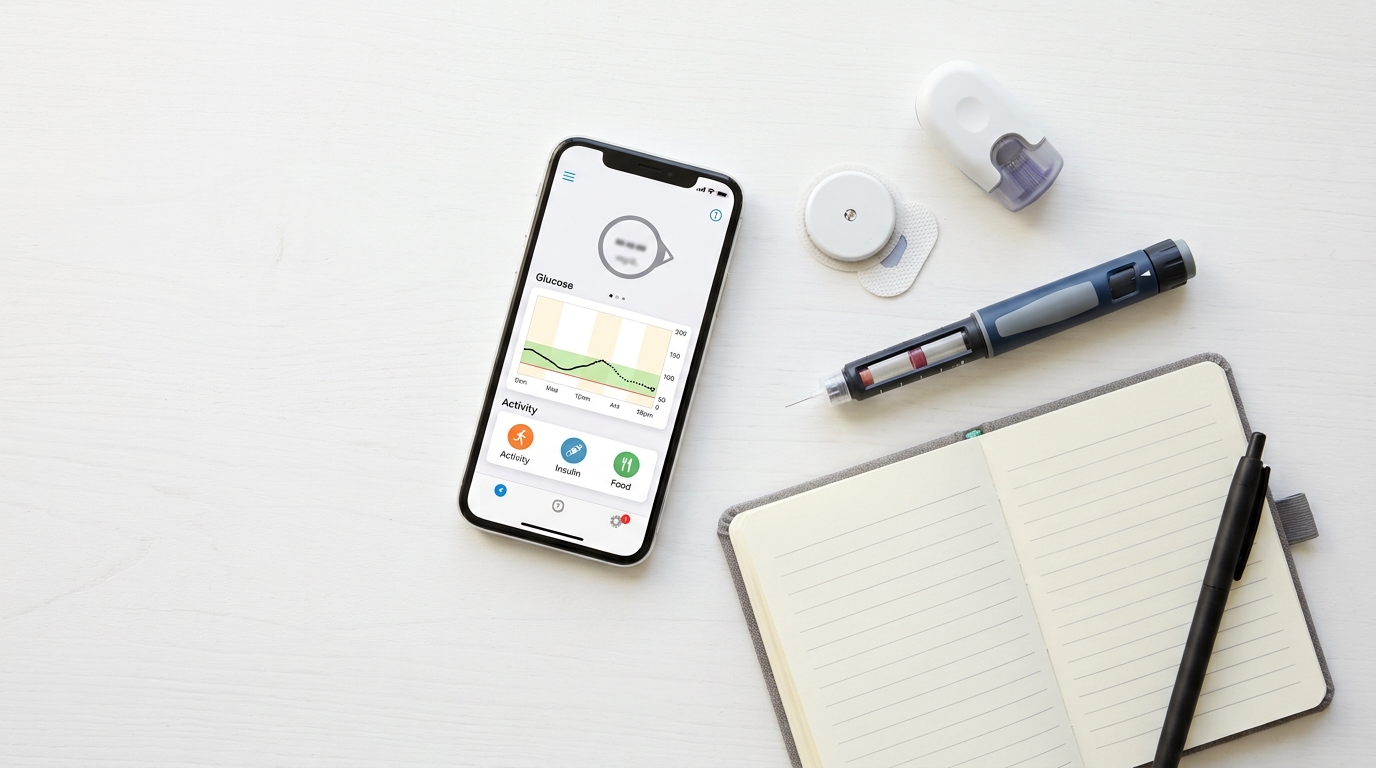
A glucose monitoring system refers to the full set of tools a person uses to measure, record, and interpret their blood sugar levels over time. This typically includes a measuring device, whether that is a fingerstick glucometer, a flash sensor, or a continuous glucose monitor, along with any accompanying reader, smartphone app, and data storage or sharing platform. The word "system" matters here, because effective diabetes management rarely comes down to a single reading. It comes from the combination of consistent measurement, clear data presentation, and the ability to act on what that data shows.
For many people newly diagnosed with diabetes in Pakistan, the first glucose monitoring system they encounter is a basic glucometer and strip combination. As needs evolve, particularly for those on insulin or managing more complex cases, the system often expands to include more advanced components such as continuous sensors, mobile apps, and remote data sharing with a doctor or family member.
The Core Components of a Glucose Monitoring System
The Measuring Device
At the center of any glucose monitoring system is the device that actually captures the glucose reading. This could be a traditional meter that reads a blood sample from a test strip, or a wearable sensor that measures glucose in the interstitial fluid beneath the skin. The choice of measuring device shapes almost everything else about how the rest of the system functions, since flash and continuous devices generate far more frequent data points than a standard glucometer.
The Reader or Companion App
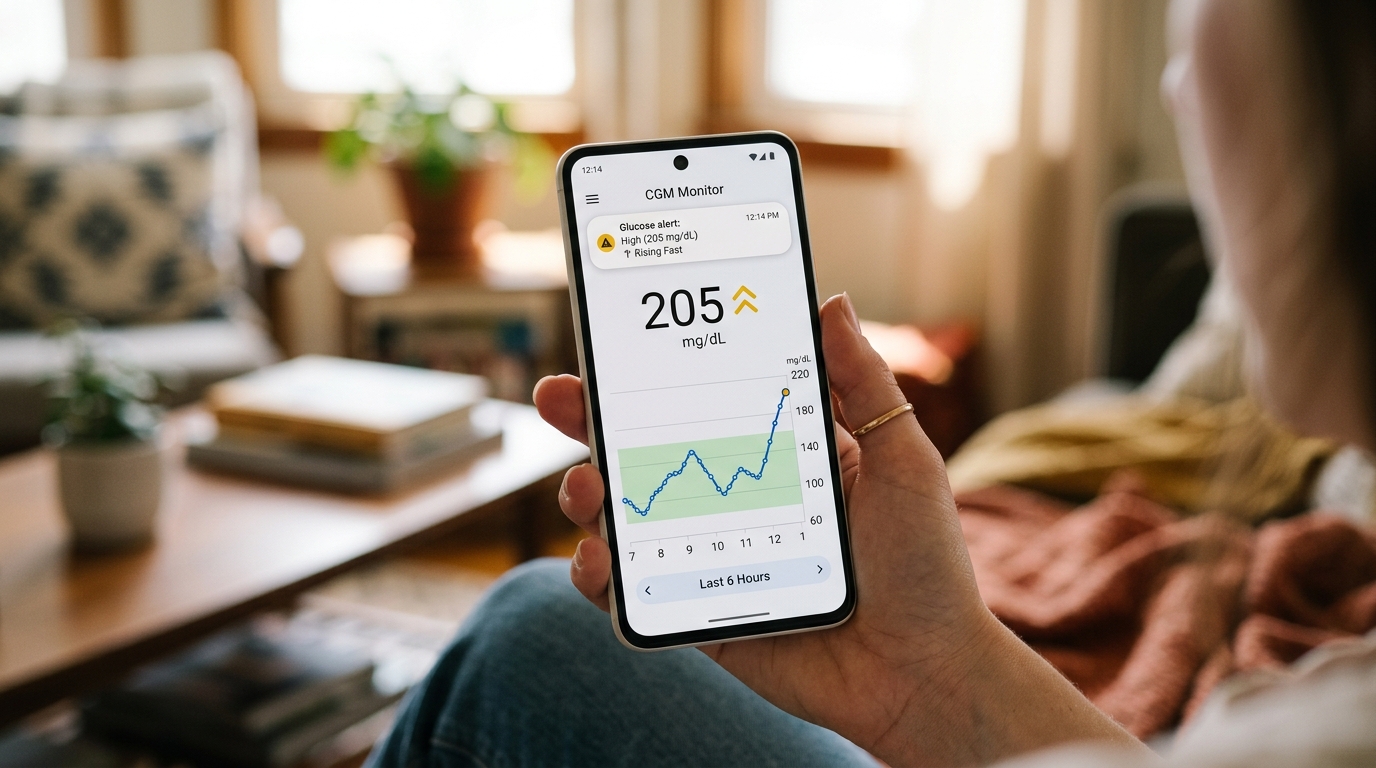
Once glucose data is captured, it needs to be displayed in a way the user can actually understand and act on. For basic glucometers, this is simply a number on a small screen. For more advanced systems, a smartphone app or dedicated reader translates the raw sensor data into trend graphs, directional arrows, and time-in-range summaries, giving a much richer picture of what is happening throughout the day.
Data Storage and History
A well-built glucose monitoring system also keeps a history of past readings, whether stored locally on a device or synced to the cloud through an app. This historical record becomes extremely valuable during doctor visits, since it allows a healthcare provider to review weeks or months of data rather than relying solely on the patient's memory or a handful of numbers written in a logbook.
Alerts and Notifications
More advanced glucose monitoring systems include customizable alerts that notify the user when glucose levels move outside a safe range. This feature transforms the system from a passive record-keeping tool into an active safety net, particularly valuable overnight or during periods when the user might not think to check their levels manually.
Types of Glucose Monitoring Systems Used in Pakistan
Fingerstick-Based Systems
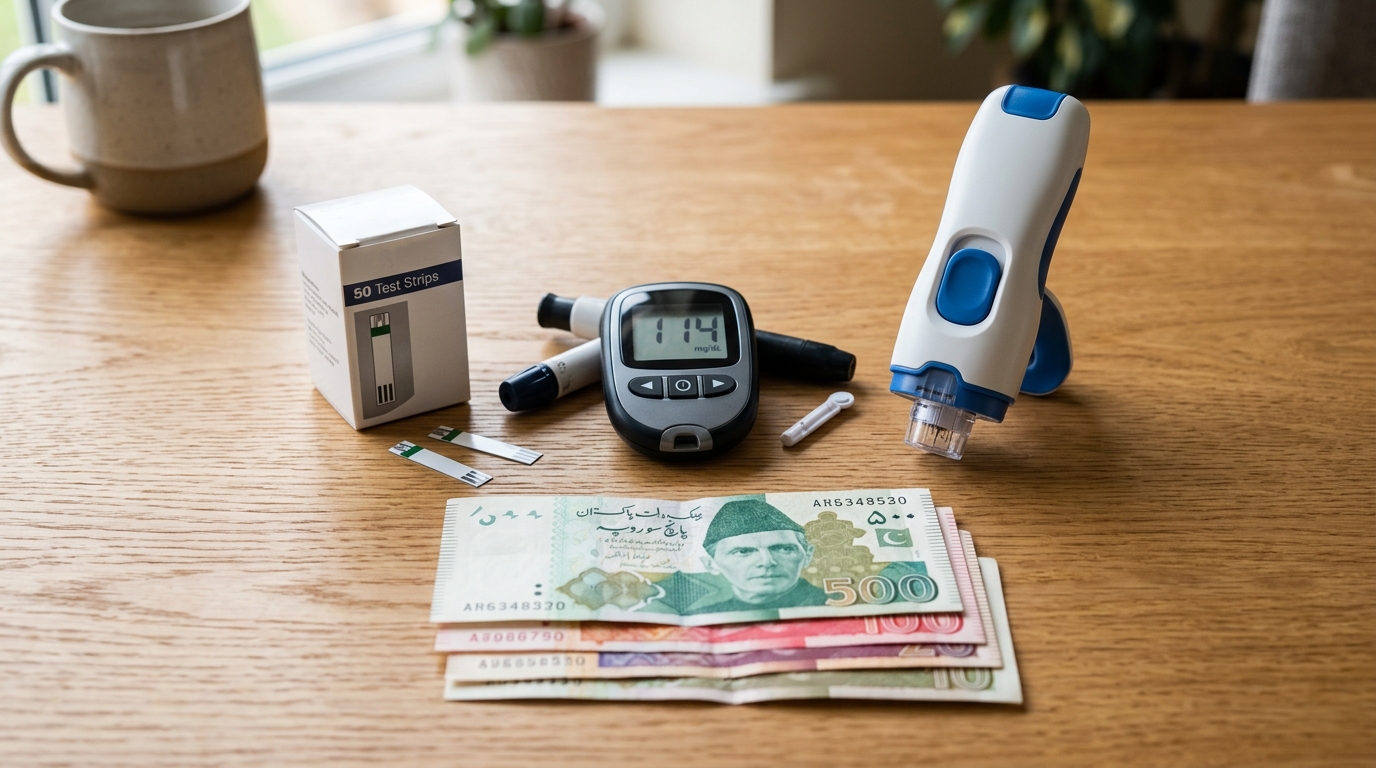
The fingerstick-based glucose monitoring system remains the most common setup across Pakistan, largely due to its affordability and widespread availability. It requires a meter, test strips, and a lancing device, and produces a single reading each time it is used. While simple and reliable for basic needs, this type of system depends entirely on the user remembering to test consistently, and it captures only isolated moments rather than a continuous trend.
Flash Glucose Monitoring Systems
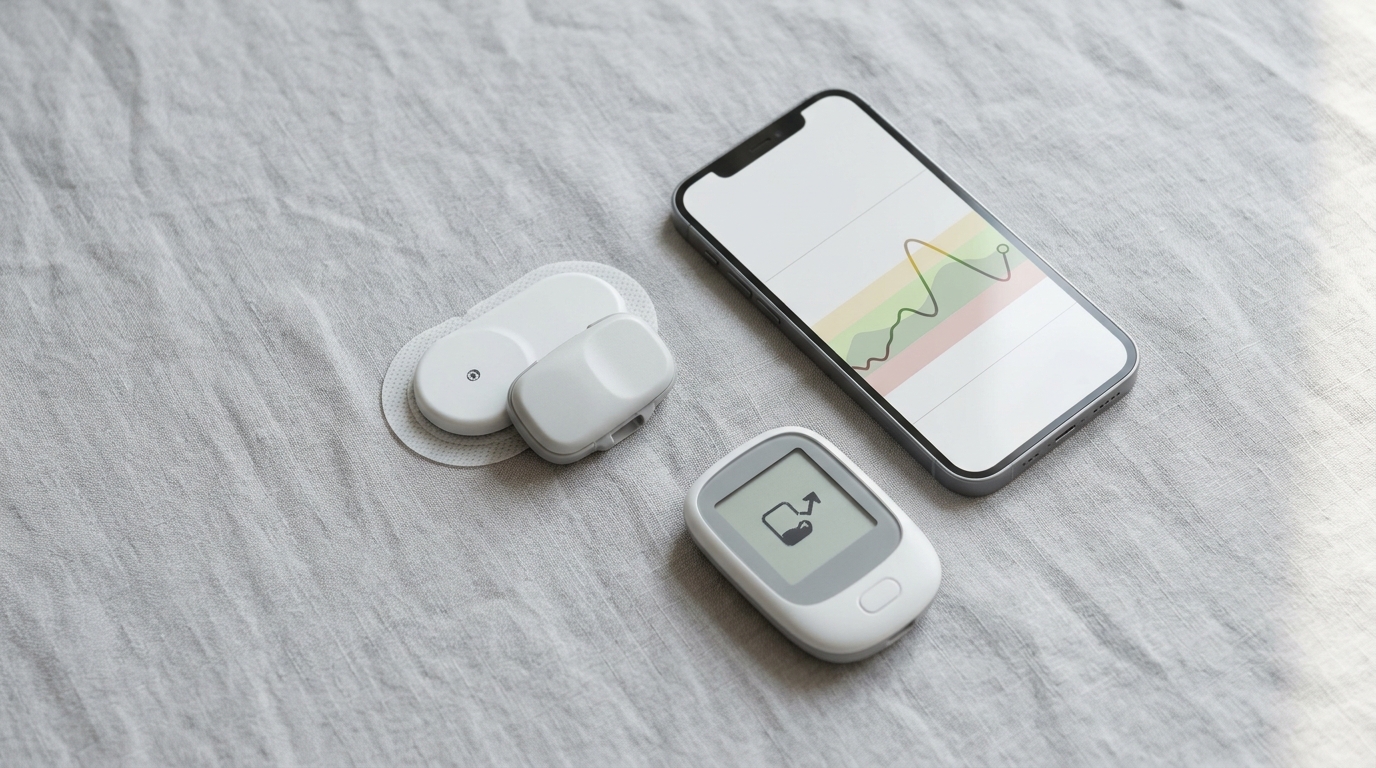
A flash glucose monitoring system introduces a wearable sensor that stores glucose data continuously, which the user then accesses by scanning the sensor with a reader or smartphone. This bridges the gap between basic fingerstick testing and full continuous monitoring, offering a much richer data set without requiring constant active connectivity between the sensor and reader.
Real-Time Continuous Glucose Monitoring Systems
A real-time continuous glucose monitoring system takes automation a step further, transmitting glucose data to a paired app or reader automatically every few minutes without requiring the user to manually scan anything. This type of system is particularly valuable for people who need immediate alerts, such as those with type 1 diabetes, pregnant women managing gestational diabetes, or anyone with a history of severe hypoglycemia.
Choosing a Glucose Monitoring System for Household or Family Use
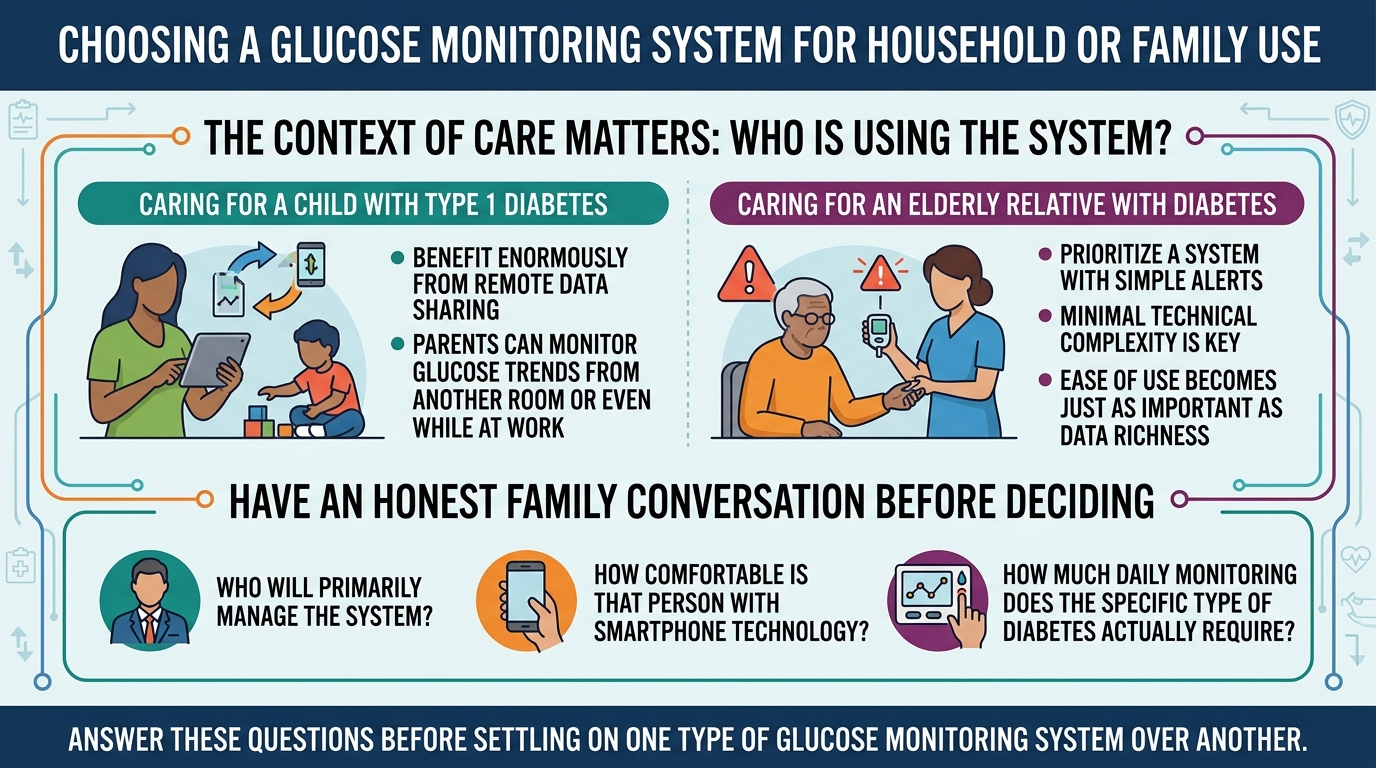
Choosing the right glucose monitoring system often depends on more than just the individual using it. Families caring for a child with type 1 diabetes, for example, benefit enormously from a system that supports remote data sharing, allowing a parent to monitor glucose trends from another room or even while at work. Households caring for an elderly relative with diabetes may prioritize a system with simple alerts and minimal technical complexity, since ease of use becomes just as important as data richness in that context.
It is worth having an honest conversation within the family about who will primarily manage the system, how comfortable that person is with smartphone technology, and how much daily monitoring the specific type of diabetes actually requires, before settling on one type of glucose monitoring system over another.
Integration With Apps and Cloud Data Sharing
Modern glucose monitoring systems increasingly rely on smartphone integration to unlock their full value. Beyond simply displaying current readings, many apps allow data to be exported as reports for doctor visits, shared in real time with designated family members or caregivers, and analyzed for patterns such as time spent in a healthy glucose range versus time spent too high or too low. This integration turns what used to be a purely mechanical measurement task into a genuinely data-driven approach to diabetes care, something that was simply not possible with older, standalone meters.
The Role of Healthcare Providers Within the System
A glucose monitoring system works best when it is not used in isolation from professional medical guidance. Doctors and diabetes educators in Pakistan increasingly rely on the detailed reports generated by flash and continuous systems to fine-tune medication dosages, identify problematic patterns, and set realistic, personalized targets for their patients. Bringing exported data to appointments, rather than relying purely on memory or a handful of scattered readings, often leads to more precise and effective treatment adjustments over time.
Maintaining a Glucose Monitoring System Over Time
Keeping a glucose monitoring system functioning accurately requires ongoing attention. Meters and readers should be kept clean and stored away from extreme heat or direct sunlight, both common risks in Pakistan's climate. Test strips need to be stored properly and checked for expiry, since expired or improperly stored strips can produce inaccurate readings. For wearable sensor systems, following proper application and site rotation practices helps maintain consistent accuracy and reduces the risk of skin irritation over repeated use.
Software updates matter too, particularly for app-based systems, since manufacturers periodically release improvements to accuracy algorithms, security, and usability that are only available once the companion app is kept up to date.
The Long-Term Cost of Running a Glucose Monitoring System
While the upfront cost of a measuring device often gets the most attention, the real financial picture of any glucose monitoring system unfolds over months and years through ongoing consumables. Fingerstick systems accumulate cost through strips and lancets purchased continuously, while flash and continuous systems involve periodic sensor replacement. Understanding this full cost picture, rather than focusing only on the initial device price, is essential for realistic long-term budgeting, a topic covered in much greater depth in the dedicated guide to blood glucose monitoring system price available on the iCanCGM blog.
Future Trends in Glucose Monitoring Systems
The next generation of glucose monitoring systems is increasingly moving toward predictive analytics, where the system does not just report current glucose levels but forecasts likely trends based on recent patterns, meal timing, and activity data. Integration with other health wearables, including activity trackers and sleep monitors, is also becoming more common, painting an even broader picture of how different lifestyle factors interact with glucose control. As these technologies mature and become more affordable, it is likely that more comprehensive glucose monitoring systems will become the norm rather than the exception, even in markets like Pakistan where cost has historically been a limiting factor.
How iCanCGM Helps Build a Complete Glucose Monitoring System
iCanCGM provides the core components needed to build a reliable glucose monitoring system suited to individual needs, from continuous sensors to supporting accessories, all available through icancgm.pk. Rather than treating glucose monitoring as a single purchase, the store is built around helping customers assemble a full, functioning system, complete with guidance on device selection, proper sensor placement, and realistic expectations around cost. Readers exploring this topic may also find it useful to review the broader introduction to the continuous glucose monitor in Pakistan and the detailed comparison of glucose monitoring device types, both of which complement the system-level view covered in this article.
FAQs
What is the difference between a glucose monitoring device and a glucose monitoring system? A device refers to the specific hardware used to take a reading, while a system includes the device along with any reader, app, data storage, and alert features that work together to support ongoing diabetes management.
Which type of glucose monitoring system is best for a busy household? Systems that support remote data sharing and app-based alerts tend to work best for busy households, since they allow monitoring to continue even when the person managing the condition is not physically present.
How often should the components of a glucose monitoring system be checked or replaced? Meters and readers should be checked periodically for damage, test strips should be replaced before expiry, and sensors used in flash or continuous systems typically need replacement every seven to fourteen days depending on the model.
Can a glucose monitoring system work without a smartphone? Yes, most systems offer a dedicated reader as an alternative to a smartphone app, though the smartphone option generally provides more features, including remote sharing and detailed historical reports.
Is it necessary to involve a doctor when setting up a glucose monitoring system? Yes, a healthcare provider should be involved in choosing the right type of system and interpreting the data it produces, since treatment decisions should always be guided by professional medical advice.