Choosing the Right Glucose Monitoring Device in Pakistan
Managing diabetes effectively starts with one simple but essential decision: choosing the right tool to track blood sugar. For decades, that choice was limited to a basic glucometer and a box of test strips. Today, the landscape has changed dramatically, and patients across Pakistan now have access to a much wider range of glucose monitoring devices, from traditional finger-prick meters to advanced wearable sensors that track glucose automatically throughout the day and night.
This guide breaks down the different types of glucose monitoring devices available in Pakistan, what separates a good device from a mediocre one, and why more patients and doctors are shifting toward continuous monitoring solutions such as the iCan CGM bundle.
Understanding the Different Types of Glucose Monitoring Devices
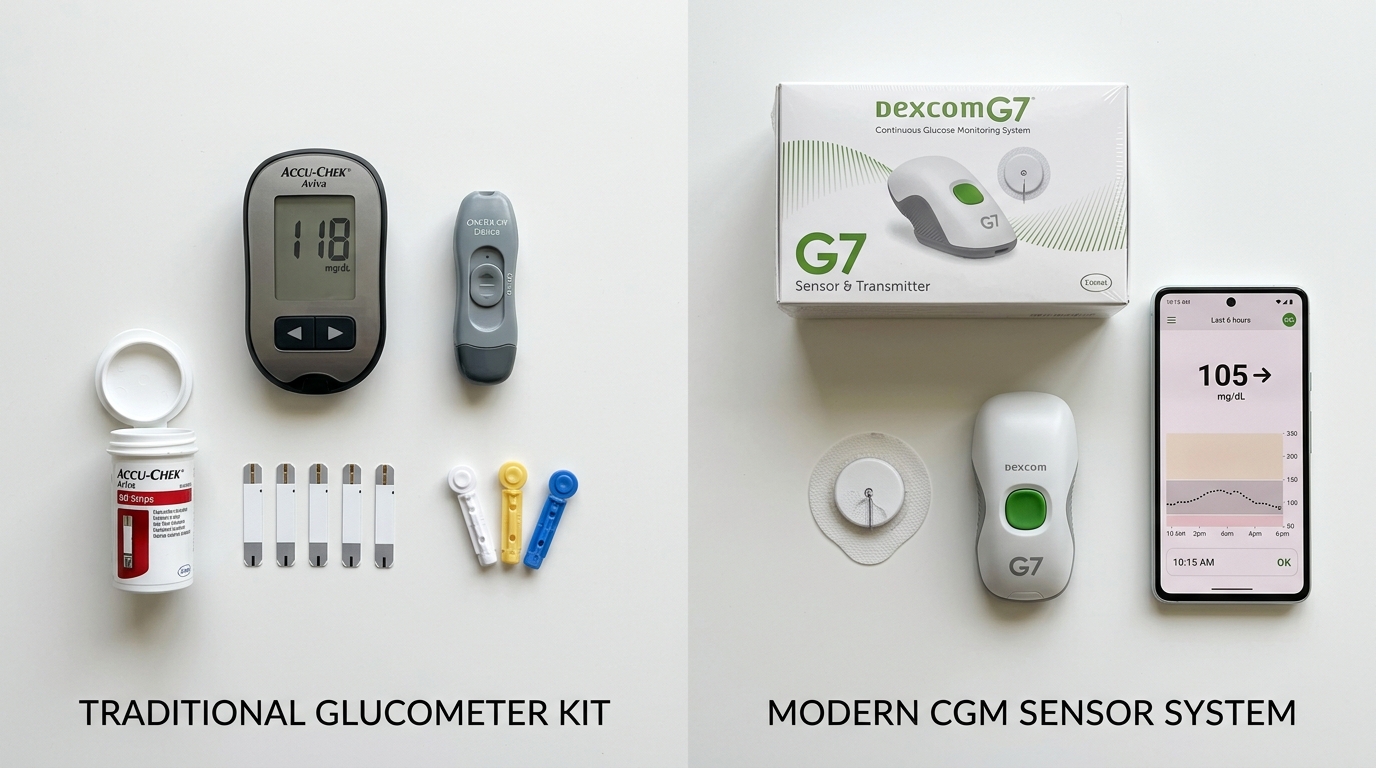
Before choosing a glucose monitoring device, it helps to understand the two broad categories currently available: traditional blood glucose meters and continuous glucose monitors. Each serves a different purpose and fits different lifestyles, budgets, and medical needs.
Traditional Blood Glucose Meters
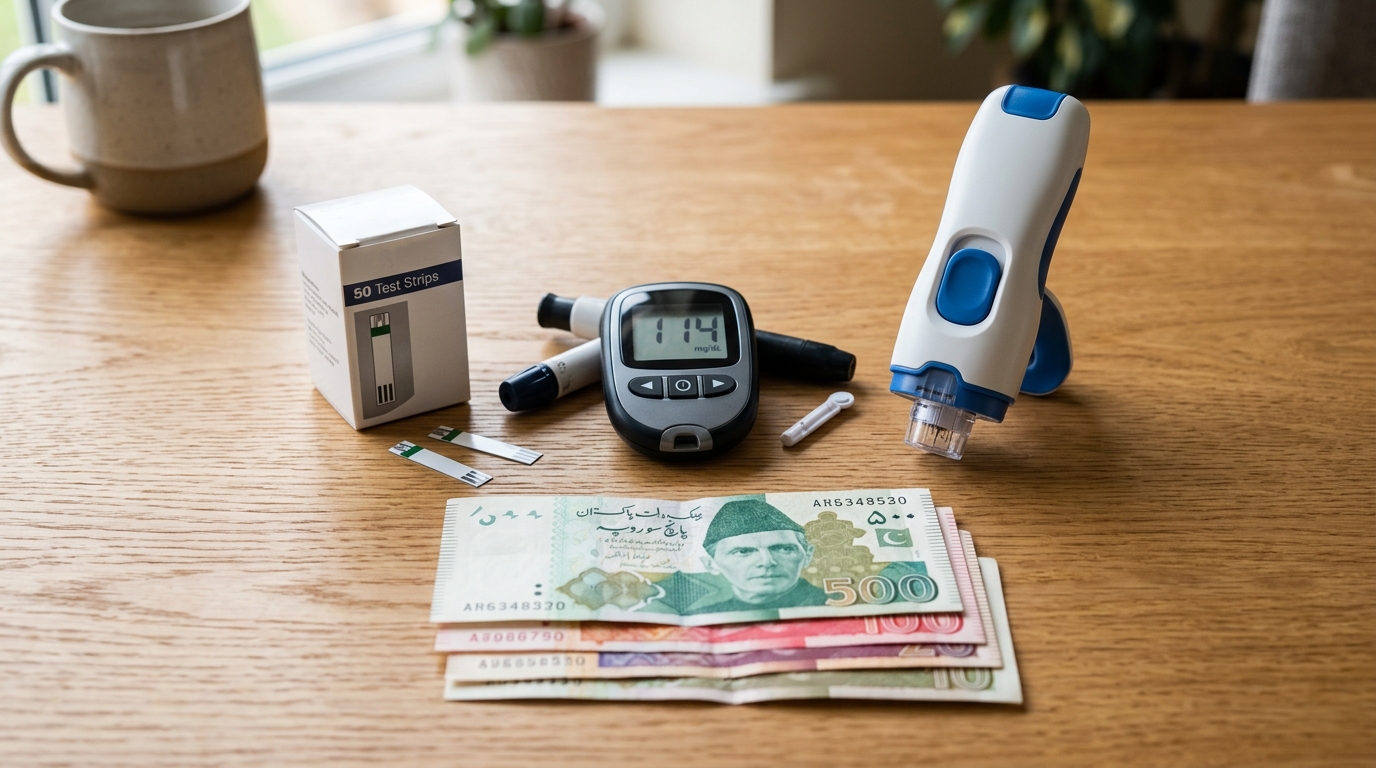
A traditional glucometer works by analyzing a small blood sample, usually drawn from a finger prick, placed on a disposable test strip. The device then displays a single glucose reading at that exact moment. This method has been the standard for decades and remains widely used across Pakistan due to its low upfront cost and familiarity. However, it only provides a snapshot in time, meaning glucose spikes or drops that happen between tests go completely unrecorded.
Continuous Glucose Monitors
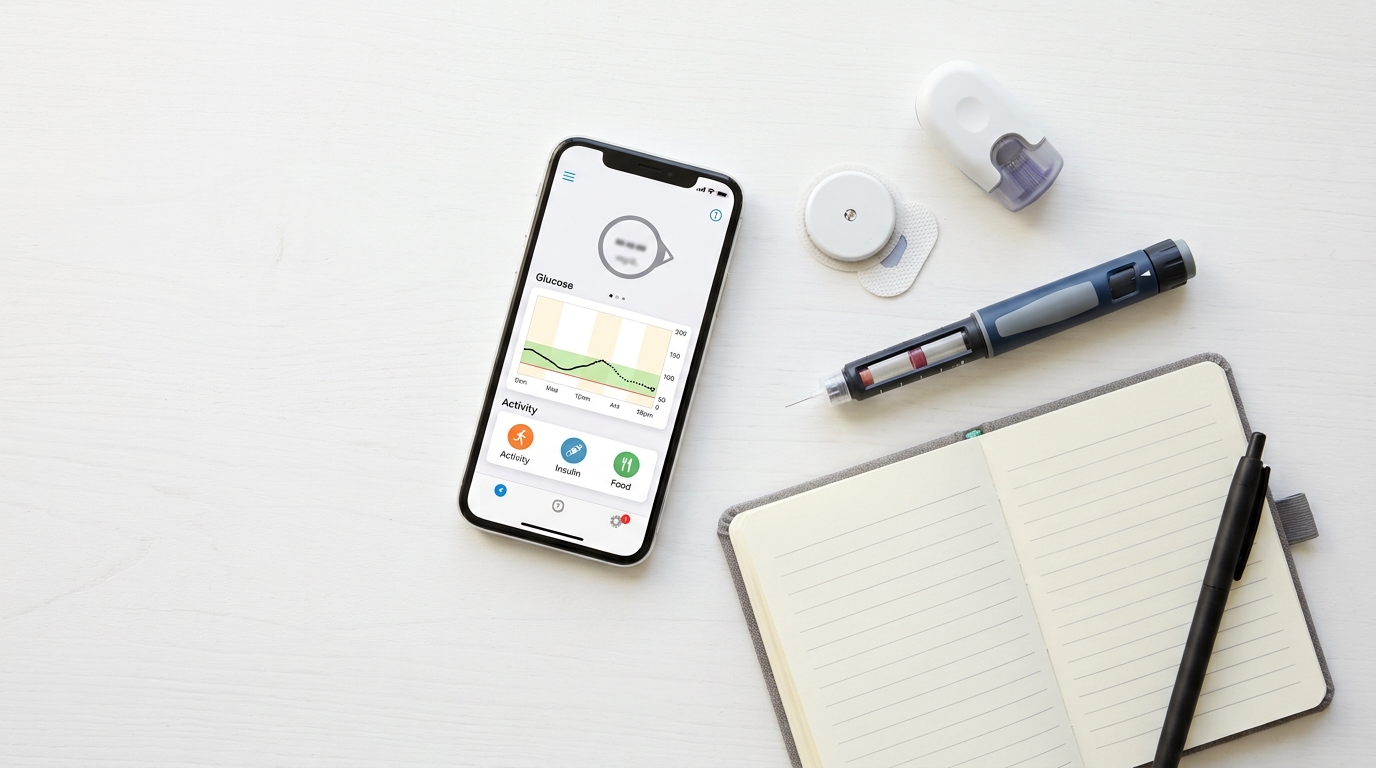
A continuous glucose monitor, on the other hand, is a small sensor worn on the body that measures glucose levels automatically every few minutes, day and night, without requiring a fresh blood sample each time. Instead of a single number, users get a complete picture showing how glucose rises after meals, falls during exercise, and behaves overnight during sleep. This shift from occasional snapshots to constant tracking is one of the most significant advances in diabetes care in recent years, and it is why continuous options like the iCan CGM i3 have become increasingly popular as a glucose monitoring device in Pakistan.
Why More People in Pakistan Are Switching to Continuous Devices
The decision to move from a traditional meter to a continuous monitoring device usually comes down to convenience, comfort, and the depth of information provided. Patients managing diabetes long-term often describe finger pricking as one of the most tiring parts of daily management, both physically and mentally.
Fewer Punctures, More Comfort
A continuous sensor needs to be applied only once every 14 days, compared to a traditional meter that may require four or more finger pricks daily. Over the course of a month, that difference amounts to well over a hundred fewer punctures. For children, elderly patients, or anyone with sensitive skin, this reduction in physical discomfort alone is often reason enough to switch.
A Complete Picture Instead of Isolated Numbers
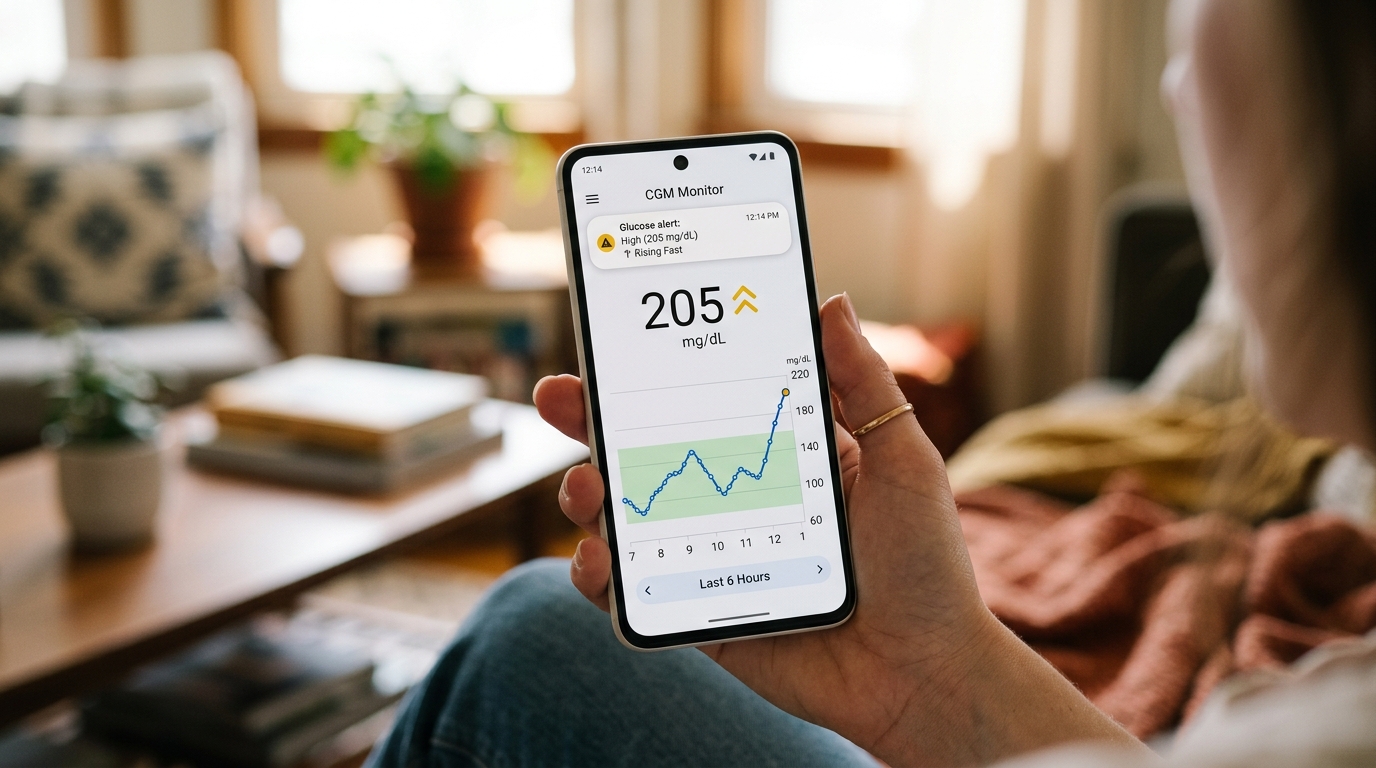
Where a traditional glucometer gives a single data point, a continuous glucose monitoring device produces a detailed graph showing trends over hours, days, and weeks. This allows patients to notice patterns they would otherwise miss entirely, such as a slow overnight rise in glucose or a delayed spike two hours after a particular meal.
Real-Time Alerts for Safety
One of the standout advantages of continuous devices is the ability to receive real-time alerts when glucose moves outside a safe range. A traditional meter cannot warn a user of a dangerous low unless they happen to test at the right moment. A connected glucose monitoring device, however, can send an alert directly to a phone the instant glucose starts trending too low or too high, offering a level of protection that manual testing simply cannot match.
What to Look for When Buying a Glucose Monitoring Device in Pakistan
Not every device on the market offers the same level of accuracy, comfort, or long-term value. When comparing options, a few key factors consistently separate a reliable purchase from a disappointing one.
Accuracy and Reliability
The most important factor in any glucose monitoring device is how closely its readings match actual blood glucose levels. Devices that have undergone proper clinical validation, such as the iCan CGM i3, tend to offer far more consistent and trustworthy results than unverified alternatives sold without proper documentation or local support.
Wear Time and Sensor Lifespan
Since sensors need to be replaced periodically, wear time directly affects the long-term cost and convenience of a device. A sensor rated for 14 days of continuous wear, for example, requires far less frequent replacement than older models rated for shorter periods, making it more cost-effective over the course of a year.
App Experience and Data Access
A glucose monitoring device is only as useful as the app that displays its data. A well-designed app should present clear trend graphs, customizable alerts, and exportable reports that can be shared directly with a doctor. Complicated or poorly translated apps can discourage consistent use, even when the sensor hardware itself is reliable.
Local Availability and Genuine Stock
Purchasing through a trusted local retailer matters more than many buyers realize. Devices bought through unofficial channels sometimes arrive without proper instructions, expired stock, or no access to customer support if something goes wrong during setup. Ordering directly from icancgm.pk ensures the product is genuine, comes with local support, and is backed by a straightforward return and warranty process.
Why the iCan CGM Bundle Is a Smart Choice for Pakistani Households
For many families, diabetes management is not a one-person concern. Multiple family members, from an aging parent to a working professional managing type 2 diabetes, may need reliable monitoring at the same time. This is where the iCan CGM bundle becomes a particularly practical glucose monitoring device option for Pakistani households.
Better Value Over Time
Rather than purchasing individual sensors one at a time, the bundle option allows households to stock up at a better overall price, ensuring continuous coverage without gaps between sensor replacements. This is especially useful in cities where delivery times can vary, since running out of a sensor unexpectedly can mean days without any glucose tracking at all.
Designed for Multiple Users or Long-Term Use
Whether it is one person committing to long-term monitoring or a household managing diabetes across two or more family members, the bundle setup reduces the hassle of repeated individual orders and keeps a steady supply on hand.
Simplified Reordering
Families that have already gone through the setup process once, learning how to apply the sensor and use the app, often find that reordering in bundle form removes the friction of researching and repurchasing every few weeks. For anyone unfamiliar with the initial setup process, our detailed how to use guide walks through sensor application and app pairing from start to finish.
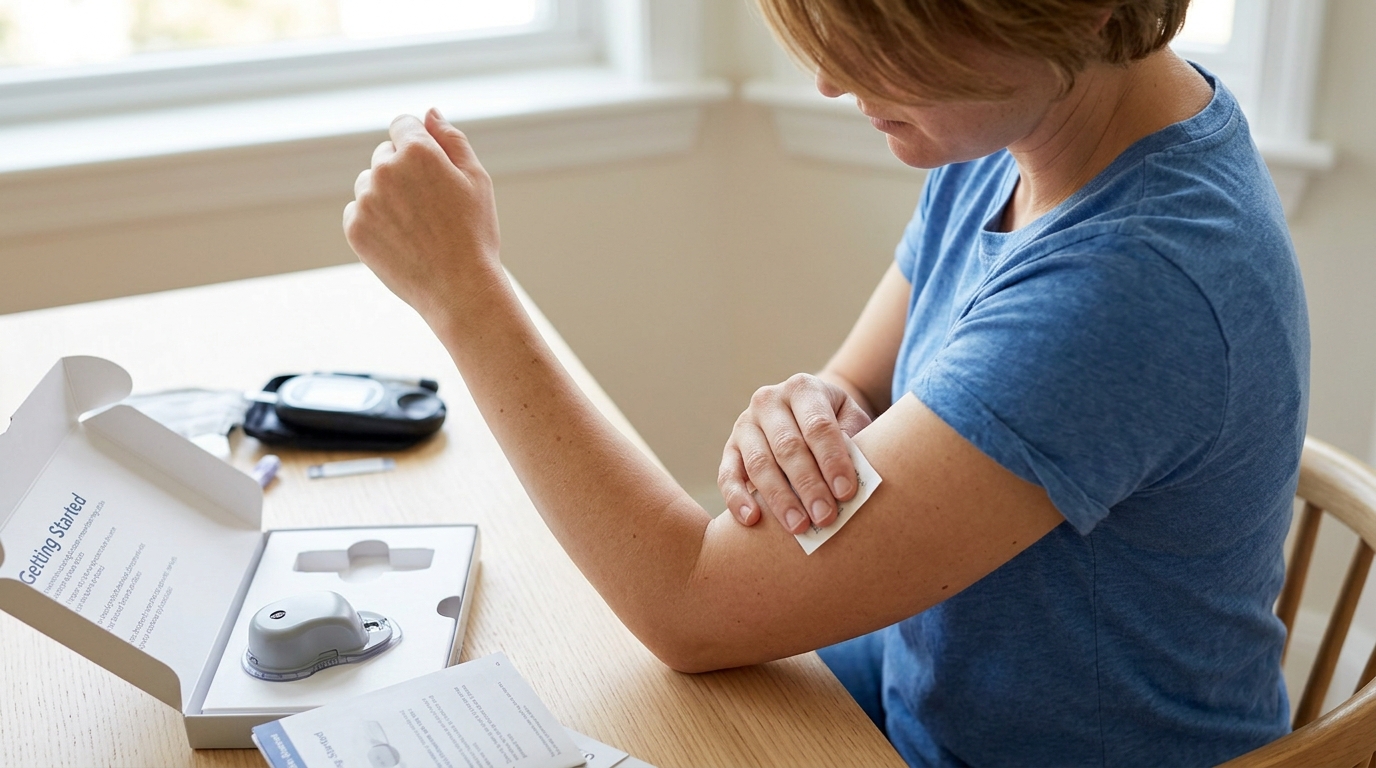
Setting Up Your Glucose Monitoring Device for the First Time
Getting started with a new device can feel intimidating, especially for someone transitioning from years of traditional finger-prick testing. Fortunately, the process is designed to be approachable even for first-time users.
Preparing the Application Site
Proper preparation begins with selecting a clean, dry area on the back of the upper arm, away from areas with heavy muscle movement or tight clothing. Cleaning the skin with an alcohol wipe and allowing it to fully dry before application helps the adhesive bond properly and reduces the risk of early sensor detachment. For more detail on choosing the ideal spot, our guide on best CGM sensor placement covers this topic in depth.
Pairing With the Mobile App
After the sensor is applied, pairing it with the companion app via Bluetooth typically takes only a minute or two. Once paired, there is usually a brief warm-up period before live readings begin appearing on the screen, after which the device continues transmitting data automatically every few minutes without any further action required from the user.
Interpreting Early Readings
New users are sometimes surprised by how much variation shows up in the first day or two of use. This is normal, and readings tend to stabilize as the sensor settles into place. Reviewing the graphs regularly during the first week helps build familiarity with how the device displays trends, arrows, and alert notifications.
Common Mistakes to Avoid With a New Glucose Monitoring Device
Even a high-quality device can underperform if it is not used correctly. A few avoidable mistakes account for most of the issues new users encounter.
Applying the Sensor to the Wrong Area
Placing the sensor too close to a joint, waistband, or area with frequent friction can shorten its wear time significantly. Choosing a stable, low-movement area on the upper arm generally produces the most consistent results.
Ignoring Alert Customization
Many new users leave alert settings at their default values instead of adjusting them to match their doctor's recommended target range. Taking a few minutes to personalize high and low thresholds makes the device considerably more useful day to day.
Skipping the App's Historical Reports
Some users check only their current glucose reading and overlook the weekly and monthly reports available within the app. These historical summaries are often the most valuable part of the entire system, since they reveal long-term patterns that a single reading never could.
The Growing Role of Glucose Monitoring Devices in Pakistani Healthcare
As awareness around diabetes continues to grow across Pakistan, more clinics and endocrinologists are actively recommending continuous glucose monitoring devices as part of standard patient care rather than treating them as an optional upgrade. This shift mirrors a broader global trend, where continuous data is increasingly viewed as essential to effective long-term diabetes management, rather than a convenience reserved for a small subset of patients.
For families and individuals considering their first glucose monitoring device, the choice increasingly comes down to whether they want a single-moment snapshot or a complete, continuous picture of their health. As more Pakistani patients experience the benefits of always-on monitoring, the shift away from traditional meters alone is likely to continue.
Frequently Asked Questions
What is the main difference between a glucometer and a continuous glucose monitoring device?
A glucometer provides a single reading at the moment of testing, while a continuous device tracks glucose automatically every few minutes throughout the day and night, offering a far more complete picture of glucose trends.
Is the iCan CGM bundle suitable for a household with more than one diabetic member?
Yes, the bundle format is designed to provide a steady, cost-effective supply of sensors, making it a practical option for households managing diabetes across multiple family members.
How often do I need to replace the sensor in a continuous glucose monitoring device?
Most modern sensors, including the iCan CGM i3, are designed for approximately 14 days of continuous wear before requiring replacement.
Can I still use a traditional glucometer alongside a continuous glucose monitoring device?
Yes, many patients keep a traditional meter on hand for occasional calibration checks, even after switching primarily to continuous monitoring.
Where can I purchase a genuine glucose monitoring device in Pakistan?
Genuine devices and bundles, including the iCan CGM i3, are available directly through icancgm.pk, along with local customer support and setup guidance.