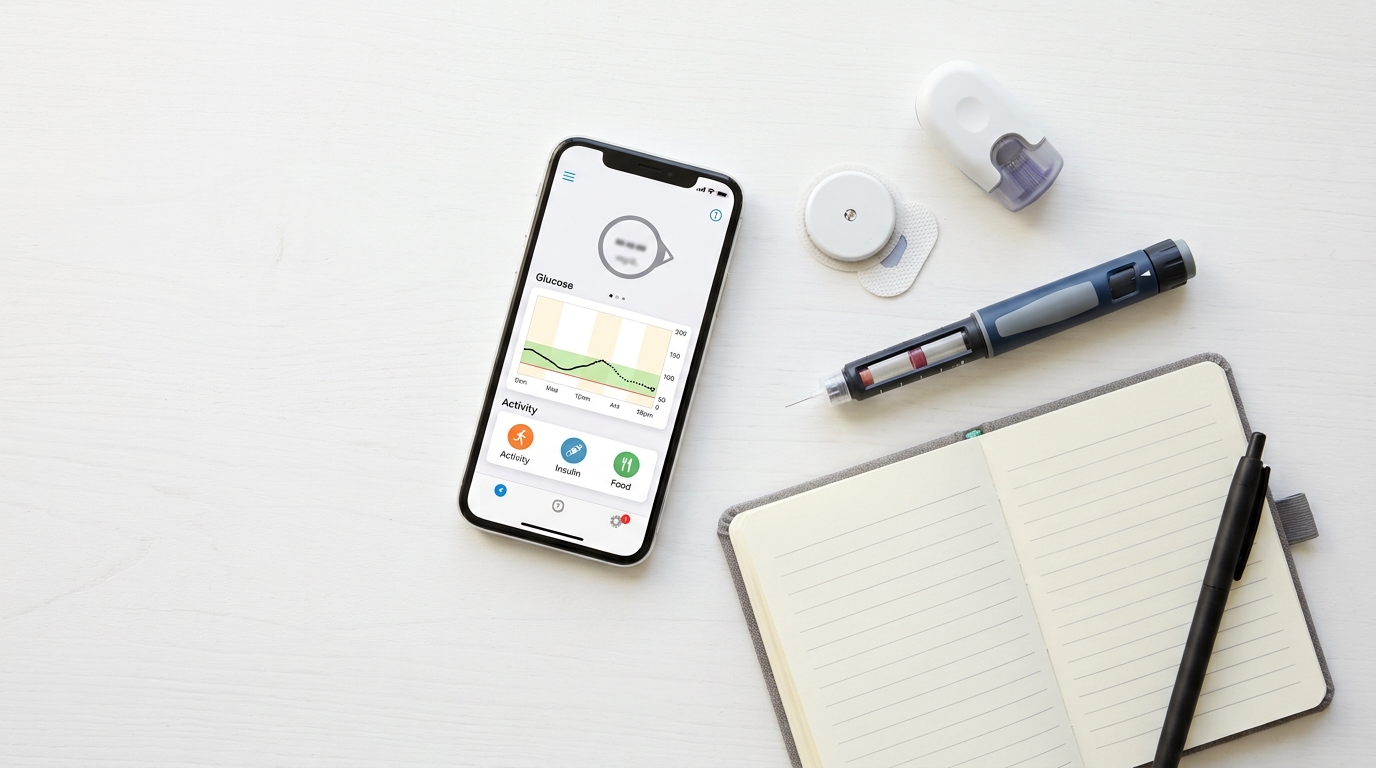
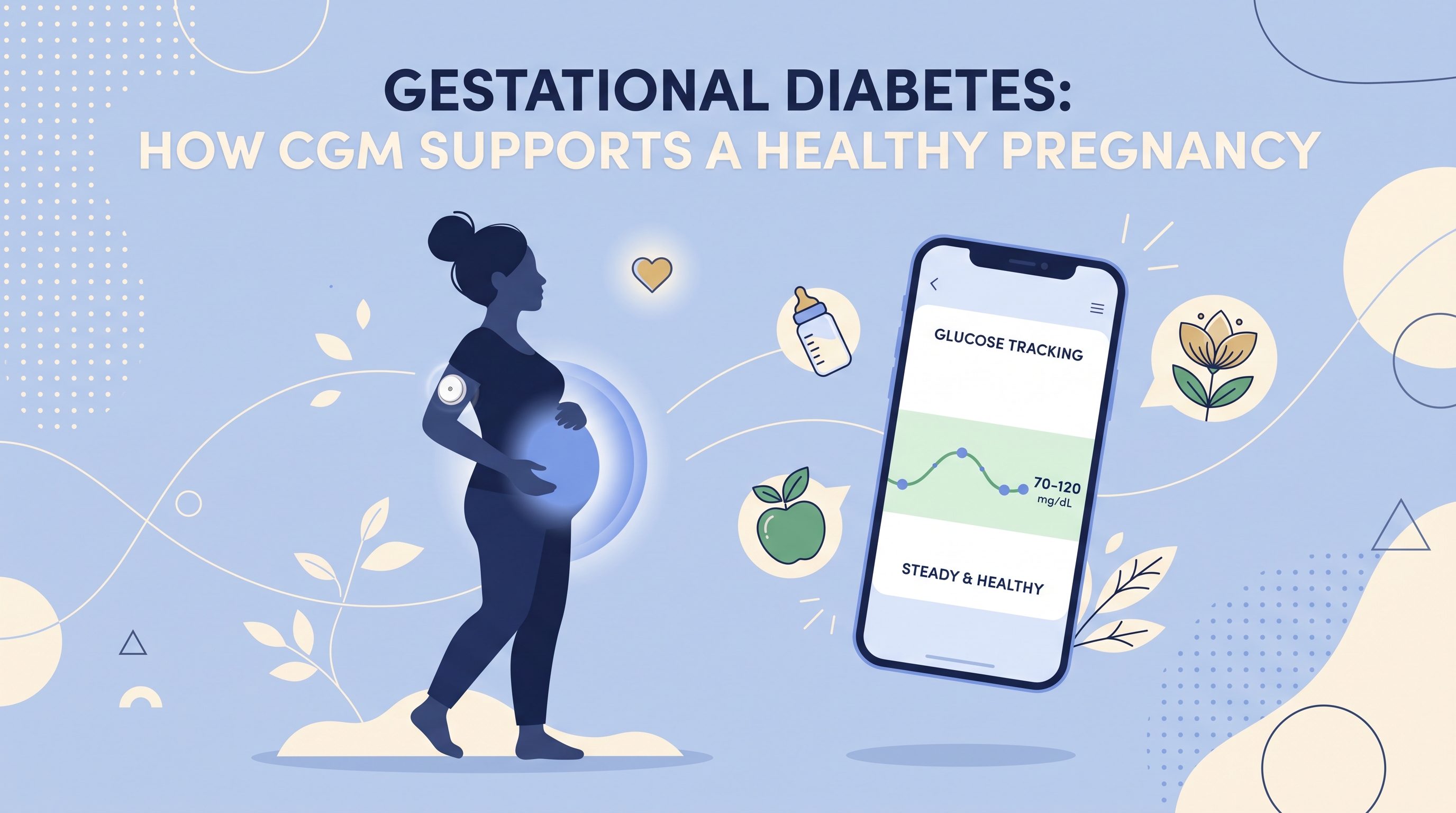
Finding out you have gestational diabetes can feel overwhelming, especially when you are already juggling doctor visits, cravings, and the general unpredictability of pregnancy. It is one of those diagnoses that arrives with a flood of questions. Will my baby be okay? Do I need to change everything about how I eat? How am I supposed to keep track of my blood sugar on top of everything else pregnancy already demands? The good news is that managing blood sugar during pregnancy has become far easier thanks to continuous glucose monitoring, commonly known as CGM. At iCAN CGM, we work with many expectant mothers across Pakistan who are navigating this exact situation, and one thing we hear again and again is how much relief comes from finally being able to see clear, real time data instead of guessing.
Understanding Gestational Diabetes
Gestational diabetes develops when the body cannot produce enough insulin to keep up with the extra demands of pregnancy. Hormones released by the placenta make the body more resistant to insulin, and for most women this is managed easily by the pancreas producing more of it. In some cases, though, the pancreas simply cannot keep pace, and blood sugar levels rise above what is considered safe for both mother and baby. This usually shows up during routine screening between the twenty fourth and twenty eighth week of pregnancy, though some women are diagnosed earlier if they have risk factors such as a family history of diabetes, higher body weight, or a previous pregnancy affected by the same condition.
It is worth remembering that gestational diabetes is common and, in most cases, very manageable. It does not mean something went wrong in your pregnancy or that you did anything to cause it. It simply means your body needs some extra support for a few months.
Why Blood Sugar Control Matters So Much in Pregnancy
When blood sugar runs high during pregnancy, it does not just affect the mother. Excess glucose crosses the placenta and can cause the baby to grow larger than average, a condition doctors call macrosomia. This raises the chances of a difficult delivery, shoulder complications during birth, or a cesarean section. High maternal blood sugar can also increase the risk of low blood sugar in the newborn right after birth, since the baby's own body has been producing extra insulin to deal with the higher glucose supply from the mother, and once that supply is cut off at birth, the baby's blood sugar can drop quickly.
Keeping glucose levels steady throughout the day, not just at the moment of a single test, gives both mother and baby a much better chance of a smooth pregnancy and delivery. This is exactly where CGM technology becomes so valuable, because it removes the guesswork that comes with occasional finger stick testing.
How CGM Changes the Daily Experience
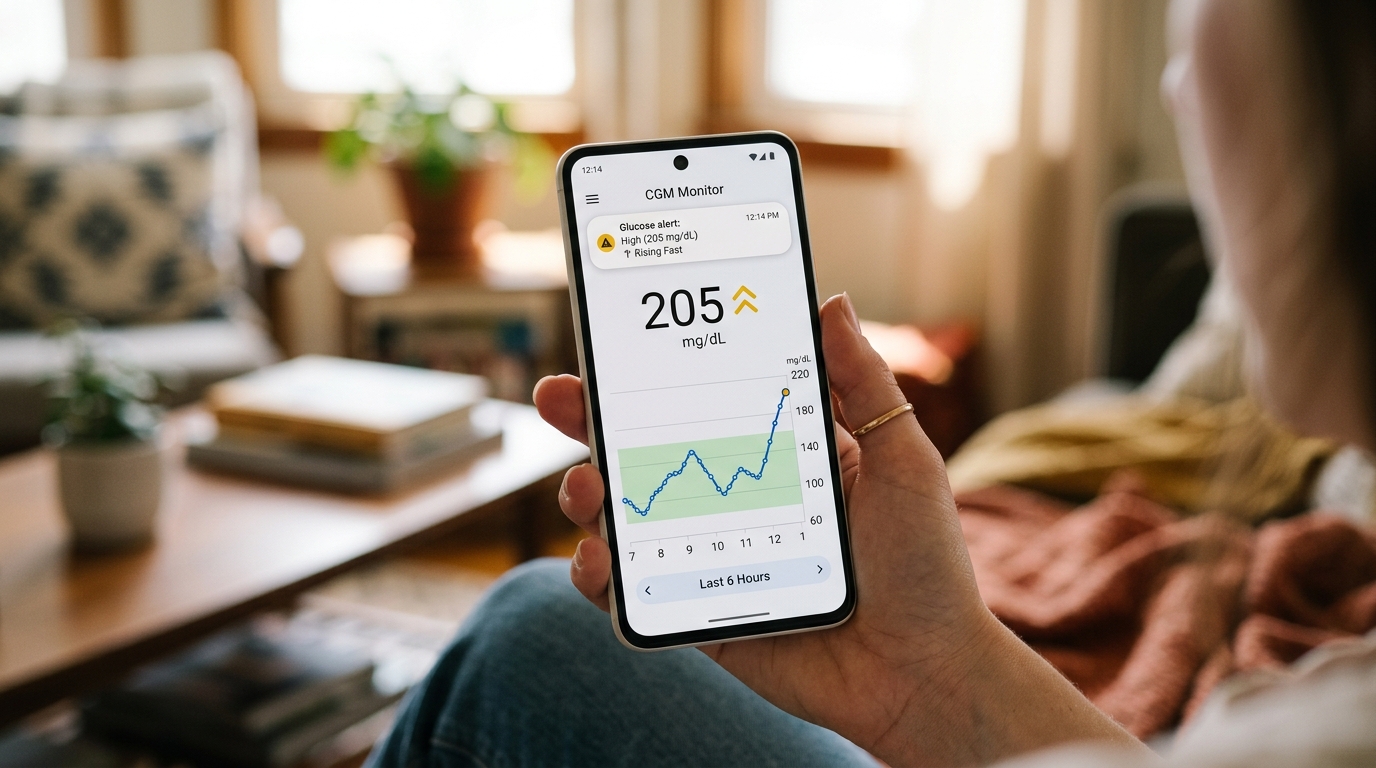
Traditional finger stick testing only gives a snapshot of blood sugar at one moment. A CGM device, on the other hand, records glucose levels every few minutes, day and night. This means patterns that used to go unnoticed, like a spike an hour after breakfast or a dip during an afternoon nap, become visible right away. Many women say this constant feedback helps them understand exactly how different foods, activities, and even stress affect their numbers, which makes it easier to make small adjustments rather than guessing what might have caused a high reading later in the day.
Doctors and midwives also benefit from this steady stream of data. Instead of relying on a handful of readings from a logbook, your care team can look at trends over days or weeks and offer advice that is based on your actual patterns rather than isolated numbers. This tends to lead to more personalized guidance, since your doctor can see exactly when and why your levels move outside the target range instead of working from limited information.
At iCAN CGM, we often explain to new mothers that the biggest shift with continuous monitoring is not just convenience, it is confidence. Knowing what your body is doing in real time, rather than wondering until the next test, changes how people approach meals, walks, and rest throughout pregnancy.
What to Expect When Using a CGM During Pregnancy
Most sensors are worn for one to two weeks before being replaced, and applying a new one takes only a minute or two. The sensor sits just under the skin, usually on the back of the arm, and is generally described as painless once it is in place. Many devices send an alert if glucose drops too low or climbs too high, which can be reassuring for expectant mothers who are managing gestational diabetes for the first time and are unsure what "too high" or "too low" actually feels like in their own body.
It is worth talking to your obstetrician or a certified diabetes educator before starting CGM, since they can help you set target ranges that are appropriate for pregnancy, which are often stricter than the ranges used outside of pregnancy. Pregnancy target ranges typically ask for tighter control than general adult diabetes guidelines, since even mild elevations can affect the baby over time.
Managing Diet and Activity Alongside CGM
CGM data is only as useful as the actions you take with it, and pregnancy is a good time to build simple, sustainable habits rather than strict or extreme changes. Many women find that spacing carbohydrates evenly across meals, rather than eating a large portion at once, helps prevent the sharp spikes that CGM readings often reveal after big meals. A short walk after eating, even just ten to fifteen minutes around the house or garden, can also noticeably lower the glucose spike that follows a meal, and this is something you can literally watch happen on your CGM graph.
Working closely with a dietitian who understands gestational diabetes can help translate CGM data into practical meal planning, since seeing a number on a screen is only useful once you understand what changes might bring it down.
Life After Delivery
For most women, gestational diabetes resolves once the baby is born, as the hormonal changes driving insulin resistance disappear along with the placenta. However, doctors usually recommend a follow up glucose test around six to twelve weeks postpartum, since gestational diabetes does raise the long term risk of developing type 2 diabetes later in life. Continuing healthy habits built during pregnancy, staying active, eating balanced meals, and keeping an eye on weight, can meaningfully lower that future risk.
Bringing It All Together
Gestational diabetes does not have to define your pregnancy experience. With the right monitoring tools and support from your healthcare team, most women go on to have healthy pregnancies and healthy babies. CGM technology has made it far simpler to catch problems early, adjust meals and activity with confidence, and walk into each appointment with real data instead of guesswork. If you are navigating a gestational diabetes diagnosis and wondering whether CGM might be right for your pregnancy, the team at iCAN CGM is happy to walk you through how the technology works and help you find a device that fits comfortably into this stage of your life.