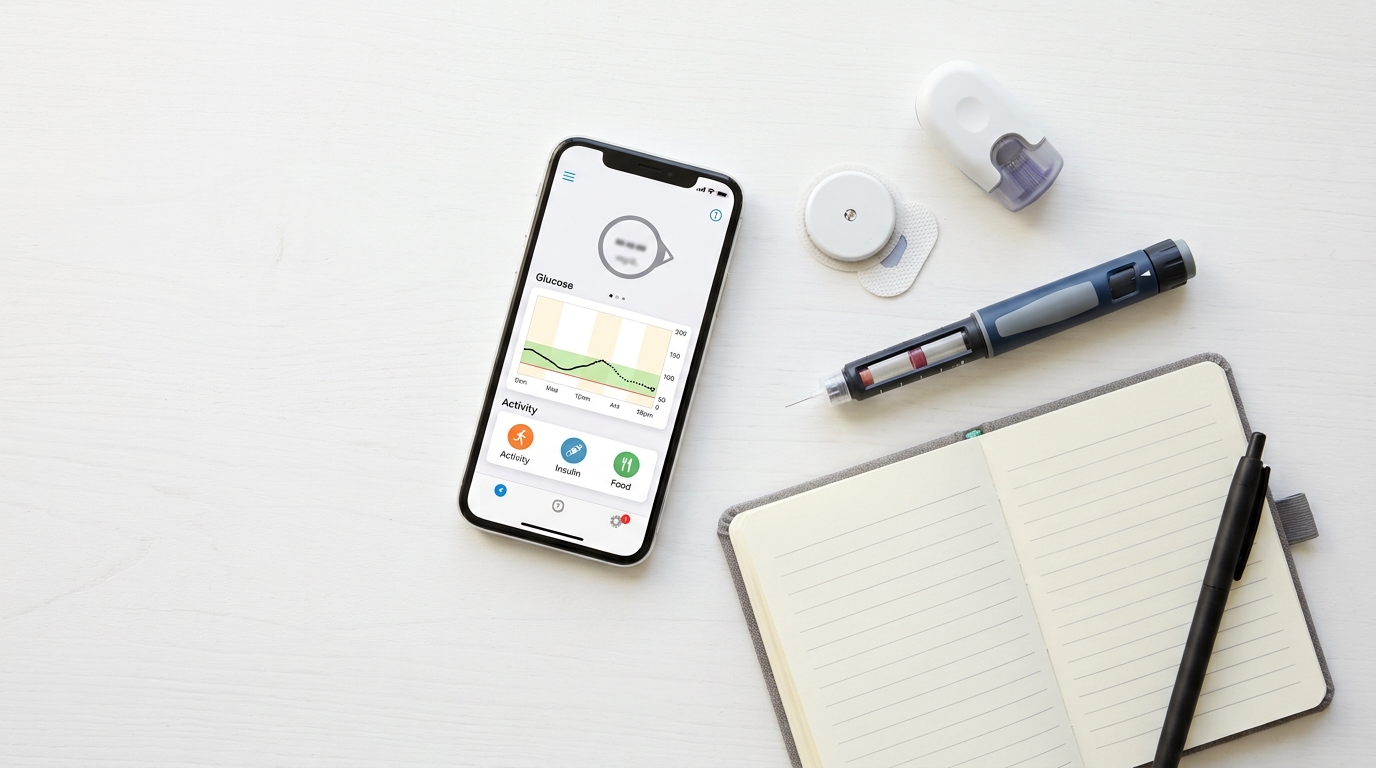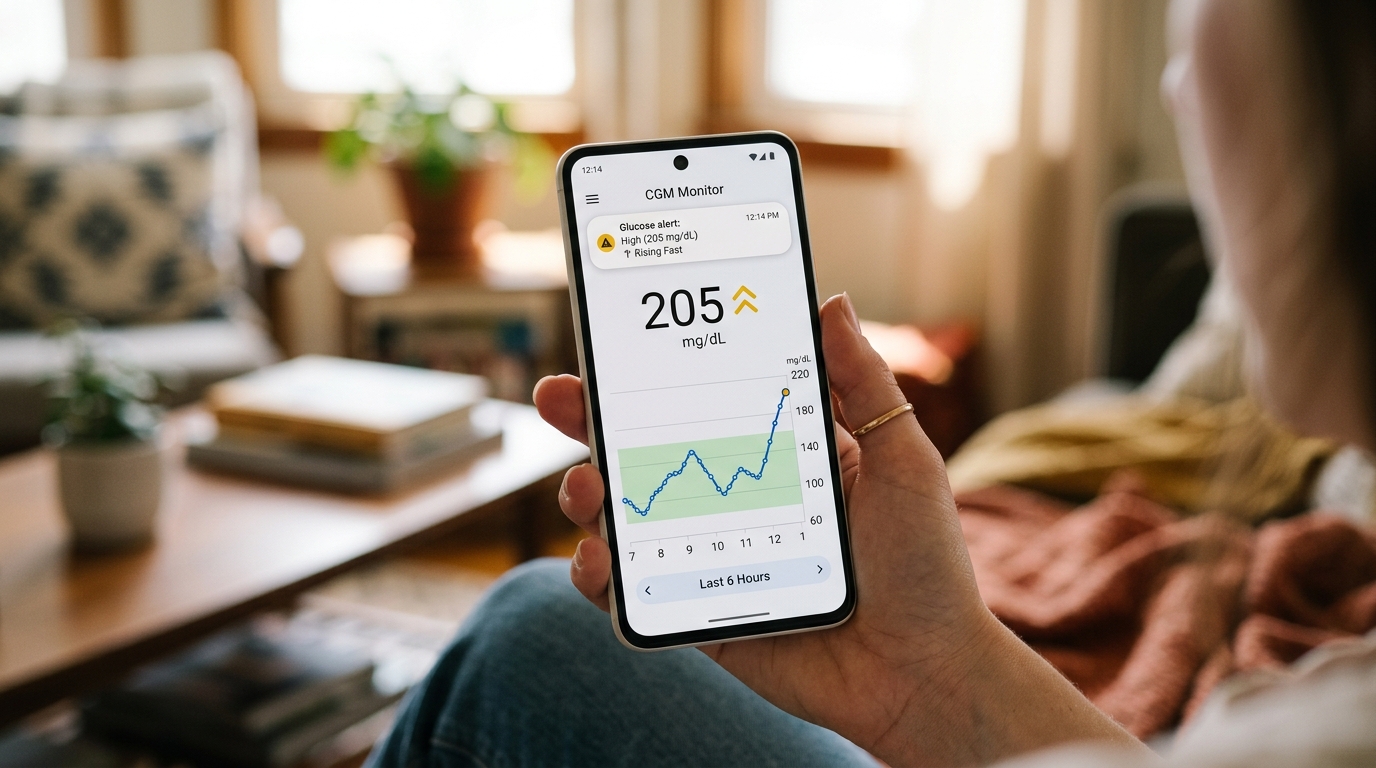
For most of the last century, diabetes management has been reactive. A patient measures their blood sugar when they feel unwell. They respond to a low with a snack. They respond to a high with medication. They wait three months for the next HbA1c to see how the last quarter went. This pattern kept many people stable, but it also kept them a step behind their own body. Continuous glucose monitors have started to change that mindset, and the iCan CGM has put this shift within reach for thousands of users across Pakistan.
What Reactive Management Looks Like
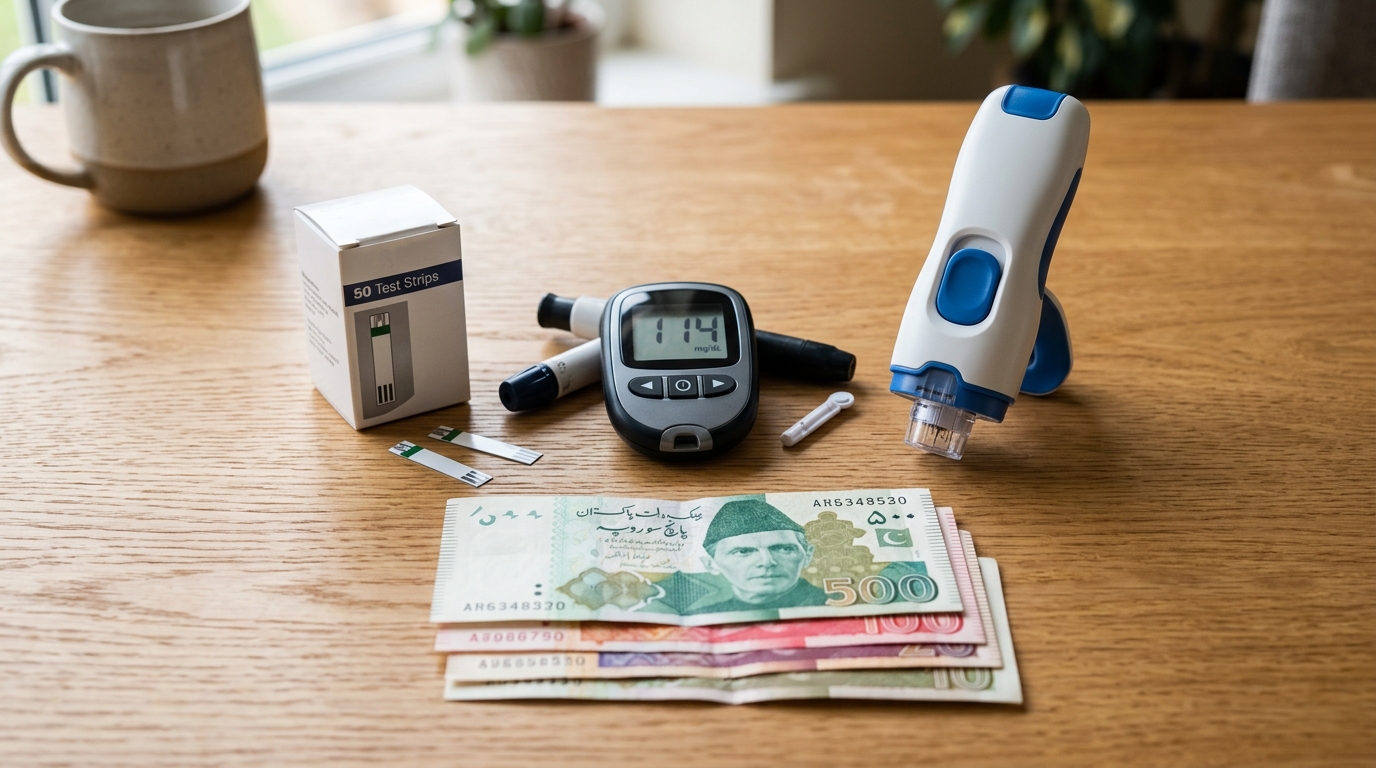
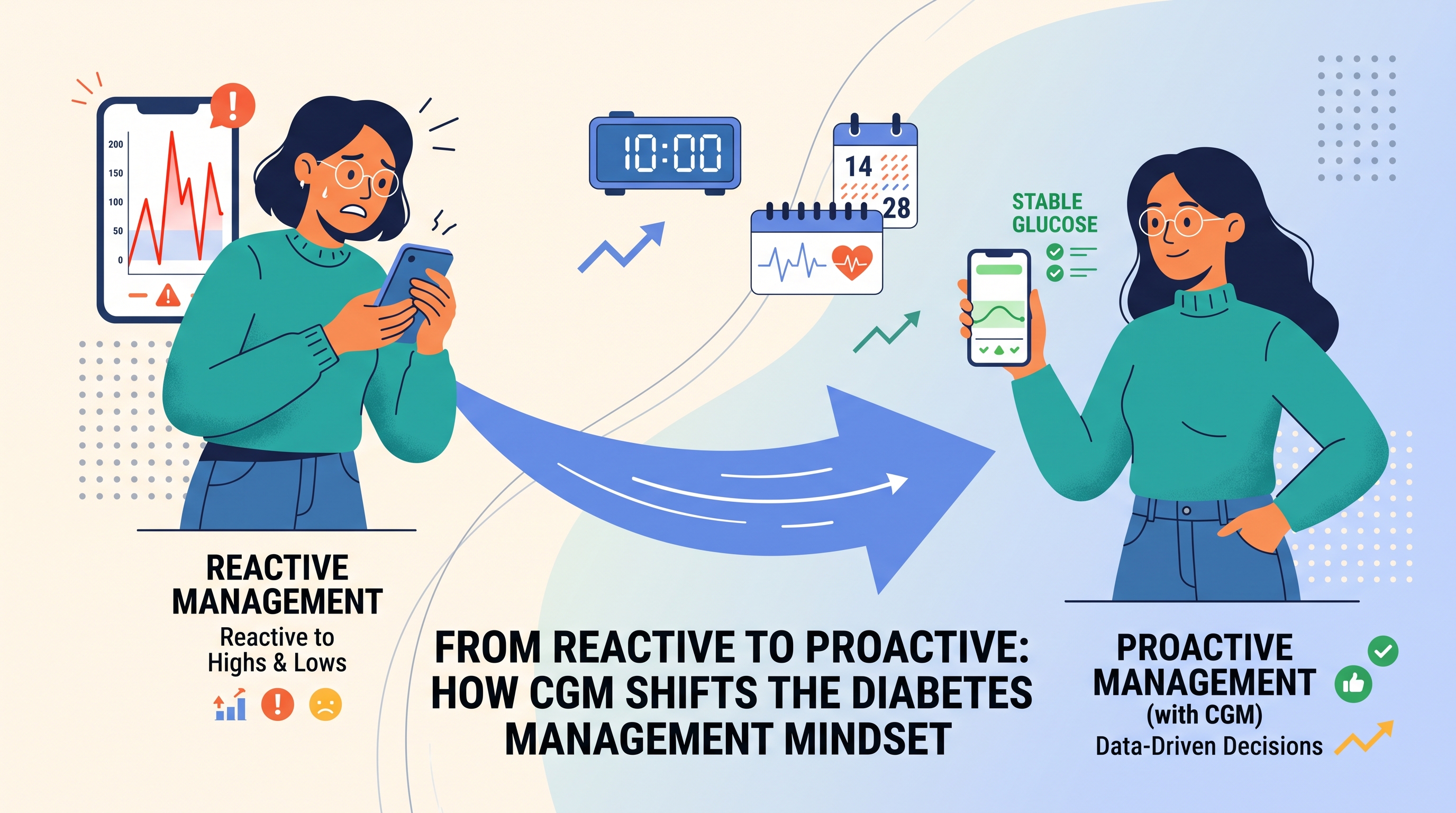
In the traditional model, patients only check their glucose when they have a reason to. A finger prick before breakfast, another before dinner, and maybe one more when they feel dizzy. If everything looks normal, they carry on with their day. If something is off, they respond.
The problem with this approach is that most of the day goes unmeasured. A meal that spikes glucose to 220 mg/dL might not be caught if the patient does not test at the peak. An overnight low might come and go while the patient sleeps. Small daily patterns build into long term problems, but the patient only sees the summary in a lab report months later.
This model works, but it treats diabetes like a series of emergencies to respond to rather than a system to understand.
What Proactive Management Looks Like
Proactive management starts with visibility. When you can see your glucose every few minutes on your iCan CGM, you stop waiting for problems to arrive. You spot patterns as they form. You notice that Sunday lunches always send you higher. You realize that your stress meetings on Wednesday afternoons push your glucose up even without food. You see that a walk after dinner keeps you steady all night.
This information changes decisions before they happen. Instead of correcting a spike after it appears, you adjust the meal that would have caused it. Instead of treating a low, you prevent it by eating something small before the drop begins. The role of the patient changes from responder to planner.
The Power of Seeing the Line
There is something powerful about watching a line on a screen respond to your choices. A meal that used to feel healthy might reveal itself as a hidden trigger. A habit that felt harmless might turn out to be the reason for tired afternoons. Users often describe the first two weeks with the iCan CGM as a period of discovery rather than diagnosis.
Once the visibility is there, the motivation to make changes follows naturally. Nobody has to be told to eat differently when they can see the impact of their food in real time.
Fewer Emergencies, More Confidence
The most immediate benefit of proactive management is that emergencies become rare. Severe lows, unexpected highs, and the panic that comes with them start to disappear from daily life. Users describe feeling safer, especially at night, because they know their sensor is watching even when they are asleep.
With fewer emergencies comes greater confidence. Patients return to activities they had avoided. They travel more freely. They eat out with friends without dreading the aftermath. Diabetes stops feeling like a constant threat and starts feeling like a condition they can manage on their own terms.
Smarter Conversations with Care Teams
Proactive management also changes what happens inside the clinic. Patients arrive at appointments with real data instead of vague impressions. Doctors adjust treatment plans based on two week trends rather than three month averages. Medication changes become faster and more precise, and side effects can be caught early.
This kind of relationship between patient and doctor is what modern care looks like, and the iCan CGM is one of the tools making it accessible.
The Emotional Shift
Perhaps the biggest change is emotional. Reactive management often carries a background hum of anxiety. Every meal, every workout, every long day at work brings a small worry about how the body will respond. Proactive management dissolves that anxiety over time. When you know what your glucose is doing, you stop worrying about what it might be doing.
Users often describe this shift in the simplest terms. They feel calmer. They sleep better. They eat with fewer second thoughts. The device does not solve every problem, but it removes the weight of uncertainty from daily life.
Building the New Habit
Moving from reactive to proactive takes a few weeks of adjustment. In the first days, users check their iCan CGM often, sometimes too often. Over time, checking becomes natural, and the app becomes a background reference rather than a source of constant attention. The habit settles into a rhythm that supports the day instead of interrupting it.
The point is not to become obsessed with numbers. The point is to know your body well enough that you no longer have to fear it.
A Different Way to Live with Diabetes
For patients who grew up managing diabetes the old way, the shift can feel unfamiliar at first. For newer patients, it is quickly becoming the default. Either way, the iCan CGM makes proactive management practical for real life. It gives people the information they need to make better choices, one meal, one walk, and one night of sleep at a time. The result is not just better numbers on a lab report. It is a better daily experience of living with a condition that used to feel like it was in charge.