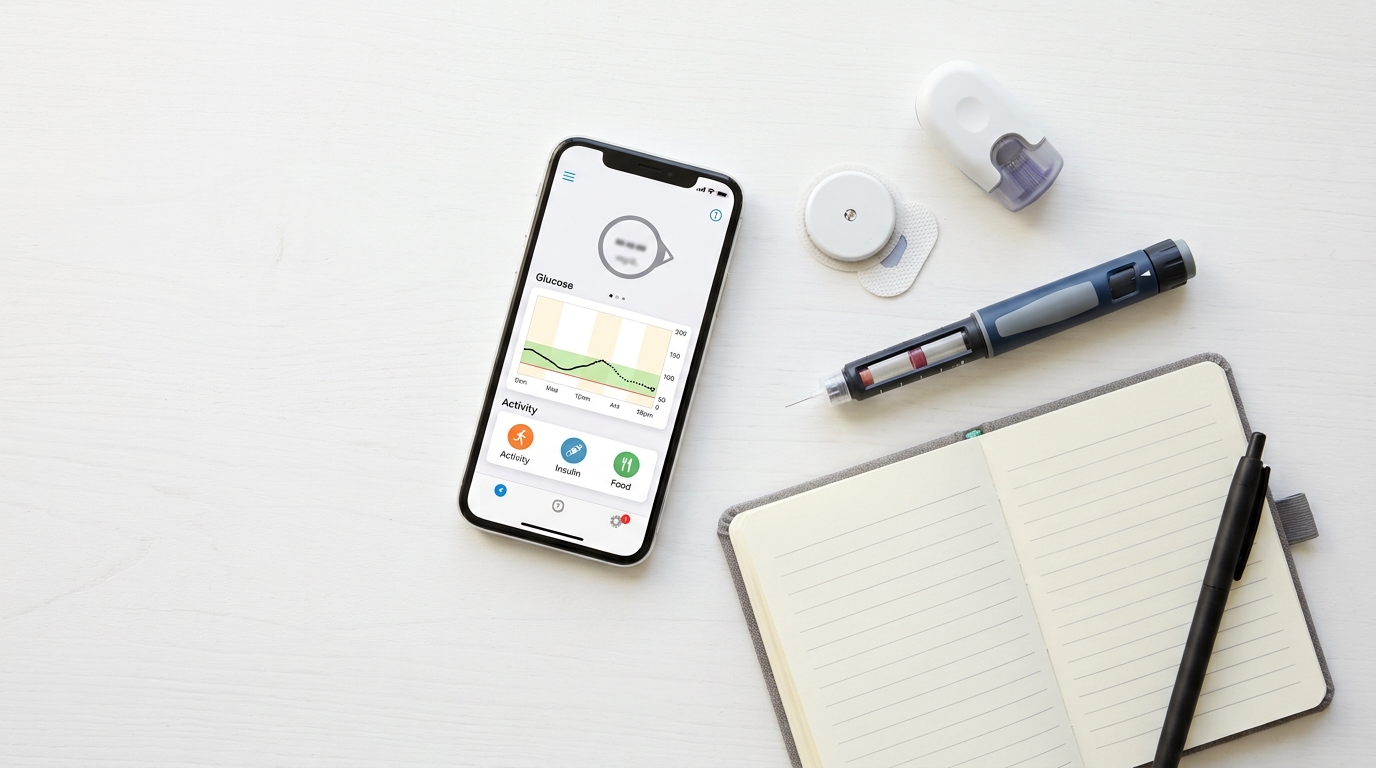
The way Pakistani endocrinologists approach diabetes care is shifting. For decades, treatment planning was built around HbA1c results taken every three months, occasional fasting labs, and patient self reporting of symptoms. That approach worked, but it left large gaps between measurements and missed the daily patterns that shape long term outcomes. Continuous glucose monitors like the iCan CGM have started to close those gaps, and more endocrinologists across the country are now recommending them as part of modern diabetes care.
Why HbA1c Alone Is No Longer Enough
HbA1c is a valuable number. It gives a three month average of blood glucose and correlates with long term risk of complications. What it does not show is how much time a patient spends outside their target range, how sharp the spikes are after meals, or whether they are experiencing overnight lows. Two patients can have the exact same HbA1c and lead very different lives, one with steady readings and another with wild swings.
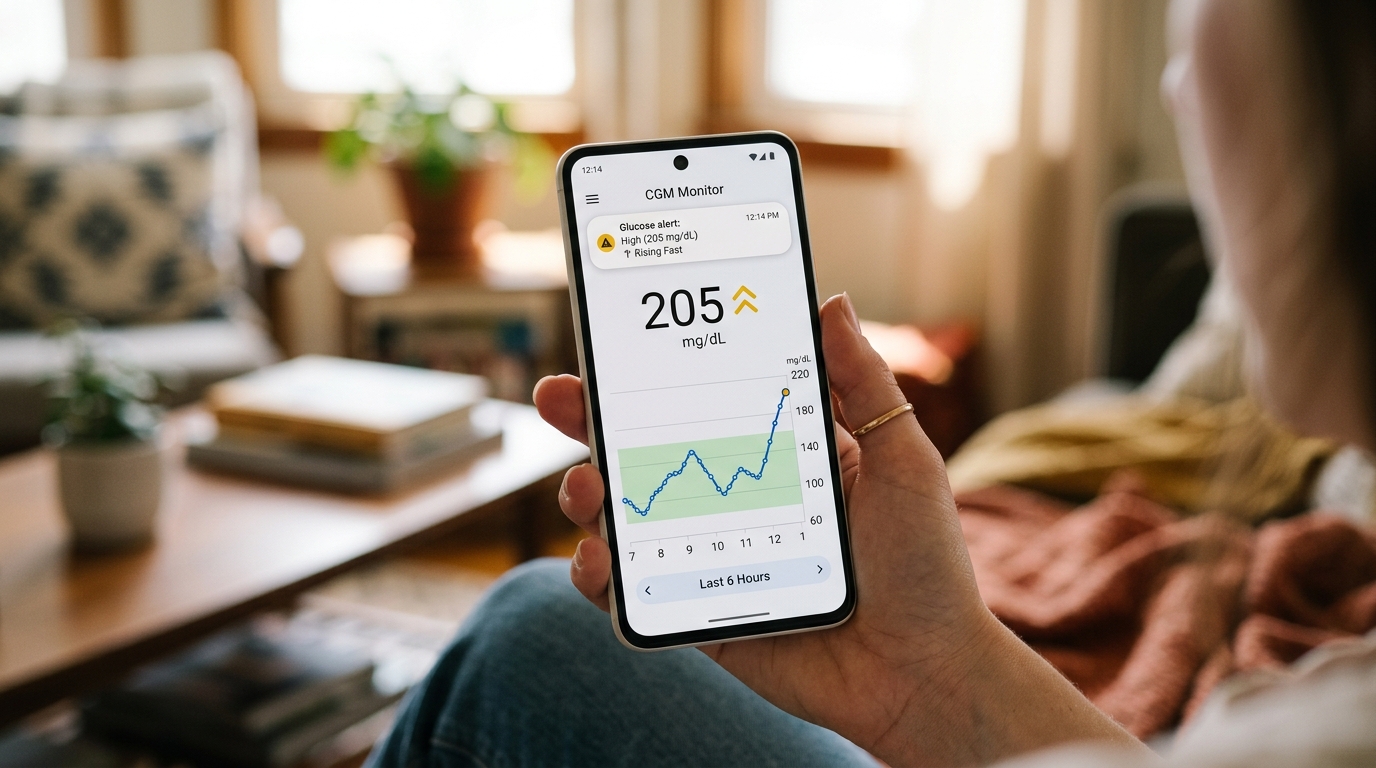
Endocrinologists want a fuller picture, and CGM data provides it. The iCan CGM tracks glucose every few minutes, generating thousands of data points across a two week period. Patterns that were invisible before are now clear on a single screen.
Time in Range as the New Standard
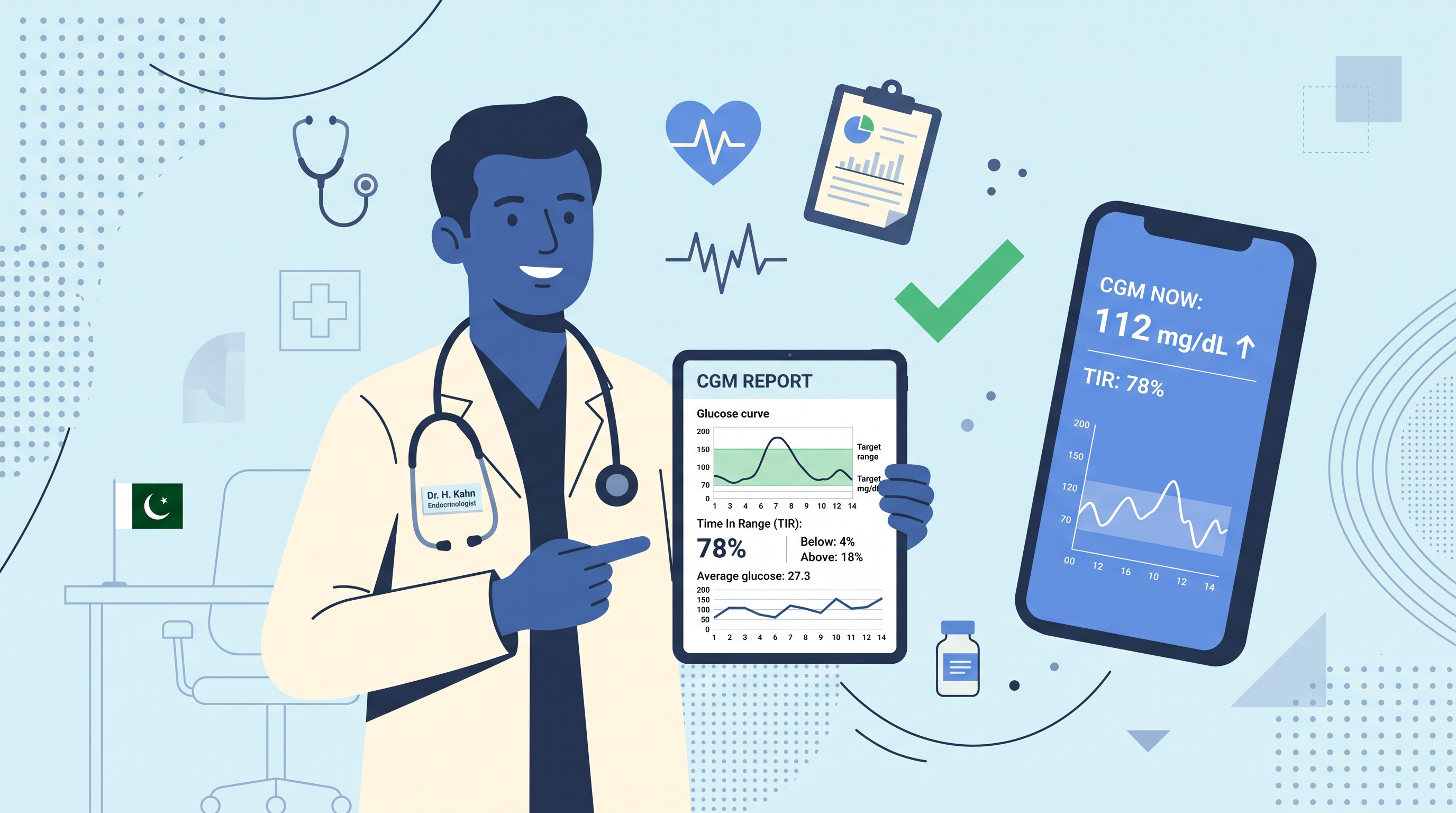
Time in range is quickly becoming a standard metric in Pakistani endocrinology clinics. It measures the percentage of the day a patient spends inside their target glucose zone, usually 70 to 180 mg/dL for people with diabetes. A time in range of 70 percent or higher is a strong indicator that daily management is on track. When time in range drops, doctors can pinpoint whether the issue is meals, timing, medication, or lifestyle rather than guessing from a single lab value.
This metric has changed how doctors adjust treatment plans. Instead of waiting three months for the next HbA1c, they can see a pattern within two weeks, make a change, and check the impact in the next visit.
Better Conversations Between Doctor and Patient
Pakistani doctors often work with patients who are managing diabetes alongside busy work lives, family responsibilities, and cultural food traditions. A CGM report gives both sides something specific to talk about. The doctor can point to a spike after Sunday lunch, ask what the patient ate, and connect the pattern to a practical suggestion.
Patients also come to appointments better prepared. Instead of trying to remember symptoms from the last three months, they can pull up their iCan CGM data and answer questions with real information. This changes the tone of the consultation from vague to focused.
Catching Overnight Lows Early
One of the most important reasons endocrinologists recommend CGM is the ability to catch overnight low glucose events. Many patients on insulin or certain oral medications drop into unsafe glucose zones during sleep without ever feeling symptoms. A CGM captures these events and alerts the patient in time. Over months, this data can guide medication changes that prevent nighttime hypoglycemia altogether.
Supporting Prediabetes Management
Endocrinologists are also using CGM data with prediabetes patients, where early intervention can prevent progression to full type 2 diabetes. When a patient sees a spike after a specific food, they are far more likely to change the habit than if a doctor simply told them to eat less rice. The iCan CGM gives prediabetes patients a two week window to understand their own triggers and make informed changes.
Reducing Fear and Guilt Around Food
Diabetes management often carries fear, guilt, and frustration around food choices. A CGM changes this dynamic by turning food into information rather than a source of shame. Doctors report that patients using CGM data become more engaged in their own care because they see the direct impact of their choices. Small wins add up, and the sense of control grows.
Growing Adoption Across Pakistani Clinics
Endocrinologists in Karachi, Lahore, Islamabad, and other cities are increasingly recommending CGM as part of standard care, not just for insulin dependent patients but also for those with type 2 diabetes managed on oral medication and for prediabetes cases. The iCan CGM has made this shift easier because it is accessible, priced within reach, and simple enough for patients to use without extensive training.
A Move Toward Modern Care
For patients, the message from endocrinologists is becoming clearer every year. CGM data leads to better decisions, faster adjustments, and safer outcomes. If your doctor has recommended the iCan CGM or any similar device, it is a sign that your care is moving toward the modern standard, and the results tend to show up quickly in both numbers and daily quality of life.