How Diabetes Management Technology Is Evolving Across Pakistan
Diabetes management in Pakistan has undergone a quiet but significant transformation over the past several years. What was once a field dominated almost entirely by finger-prick testing and paper logbooks has steadily given way to a broader range of connected tools, offering patients and doctors far richer insight into how the condition behaves day to day. This shift toward more advanced diabetes management technology is reshaping not just how patients monitor their glucose, but how they understand and respond to their condition as a whole.
This article looks at the key technologies driving this change in Pakistan, the practical benefits they offer, and how devices such as the iCan CGM i3 fit into this broader shift.
The Traditional Landscape of Diabetes Management in Pakistan
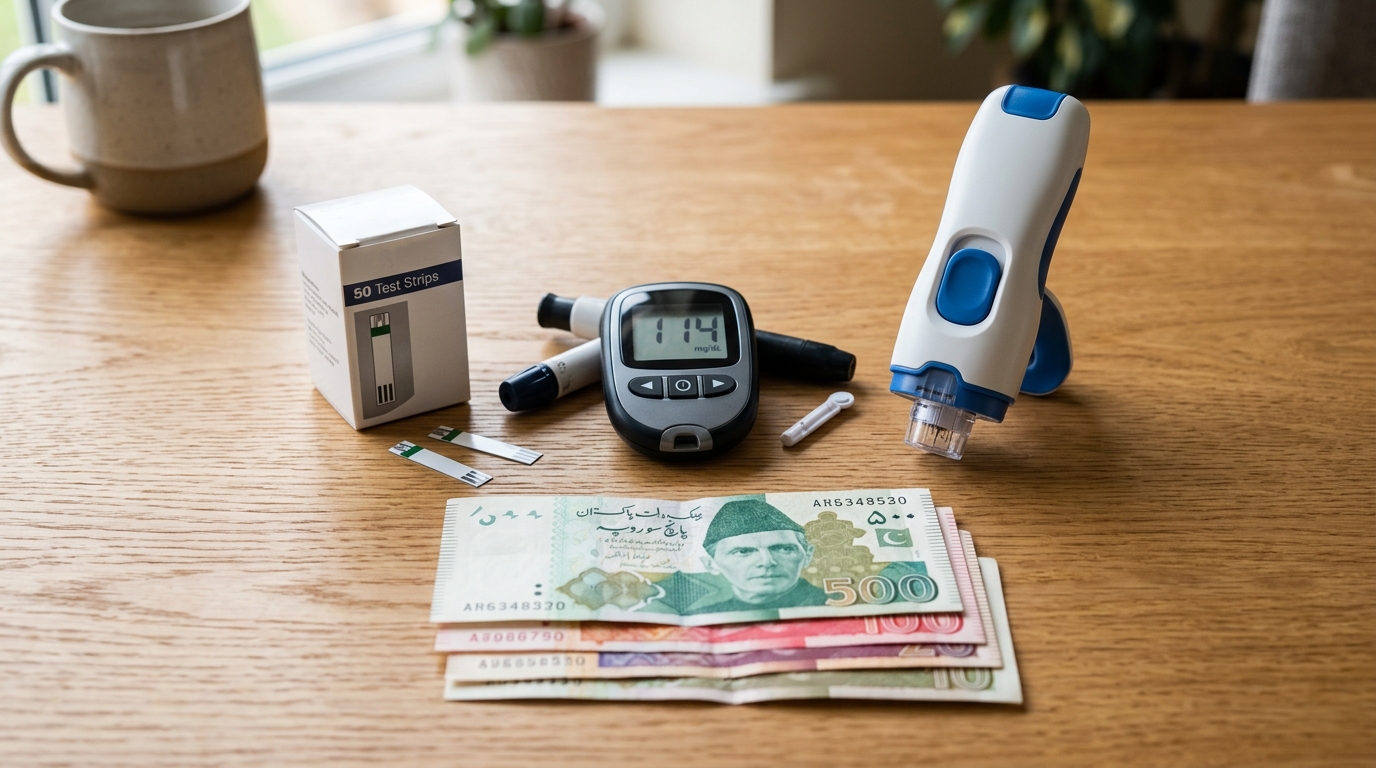
For decades, diabetes management technology in Pakistan centered almost entirely around basic glucometers, paper-based logbooks, and periodic doctor visits, often spaced weeks or months apart.
Reliance on Manual Testing and Recordkeeping
Patients were typically responsible for manually recording their glucose readings in a notebook or, at best, a simple spreadsheet, bringing this information to their next appointment for review. This process was prone to gaps, missed entries, and readings that failed to capture the full picture of daily glucose behavior.
Limited Data for Doctor Consultations
With only a handful of manually recorded readings available at each visit, doctors often had to make treatment decisions based on incomplete information, unable to see detailed patterns or trends between appointments.
The Shift Toward Connected Diabetes Management Technology
In recent years, a new generation of diabetes management technology has begun reaching Pakistani patients, centered around continuous data collection and digital connectivity rather than isolated, manually recorded readings.
Continuous Glucose Monitoring Systems
At the center of this shift is continuous glucose monitoring, which automatically tracks glucose levels throughout the day and night without requiring repeated finger pricks. This technology alone has fundamentally changed how much information patients and doctors have access to, moving from a handful of daily data points to hundreds of automatic readings over a two-week sensor cycle.
Mobile Apps and Digital Reporting
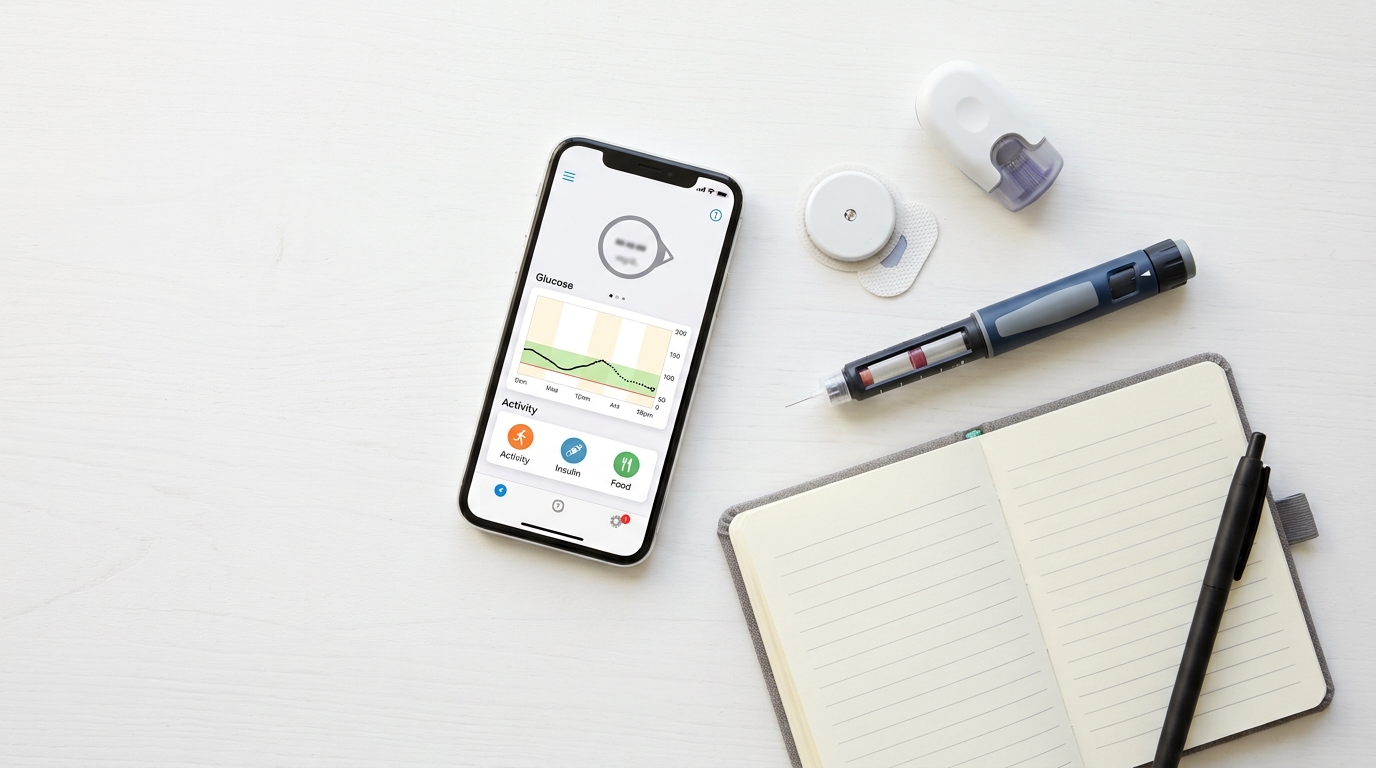
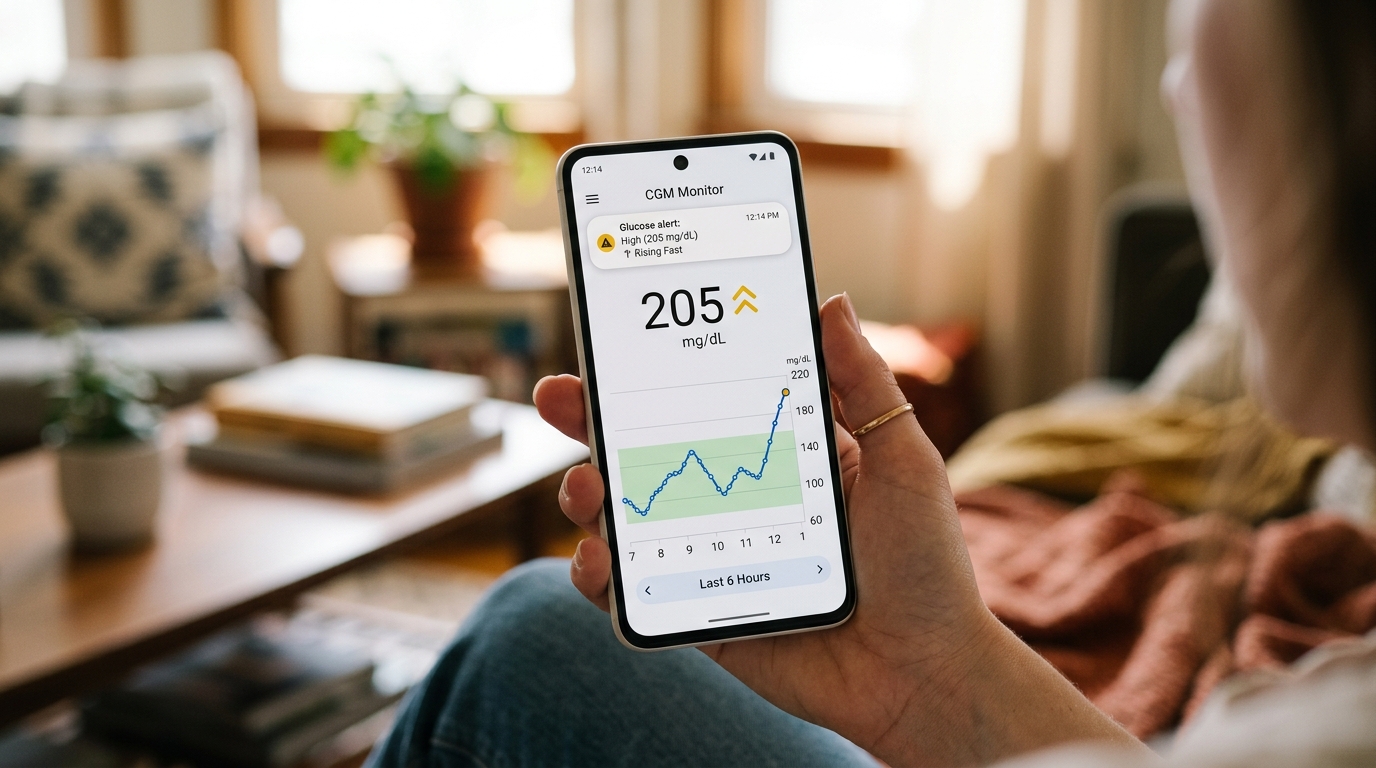
Paired directly with continuous glucose monitors, mobile apps have become a core part of modern diabetes management technology, replacing paper logbooks with digital graphs, trend arrows, and exportable reports that can be shared instantly with a doctor.
Real-Time Alerts and Remote Monitoring
Beyond simple data collection, modern systems now include real-time alert features, notifying patients the moment their glucose crosses a concerning threshold, along with the ability to share this data remotely with family members or caregivers.
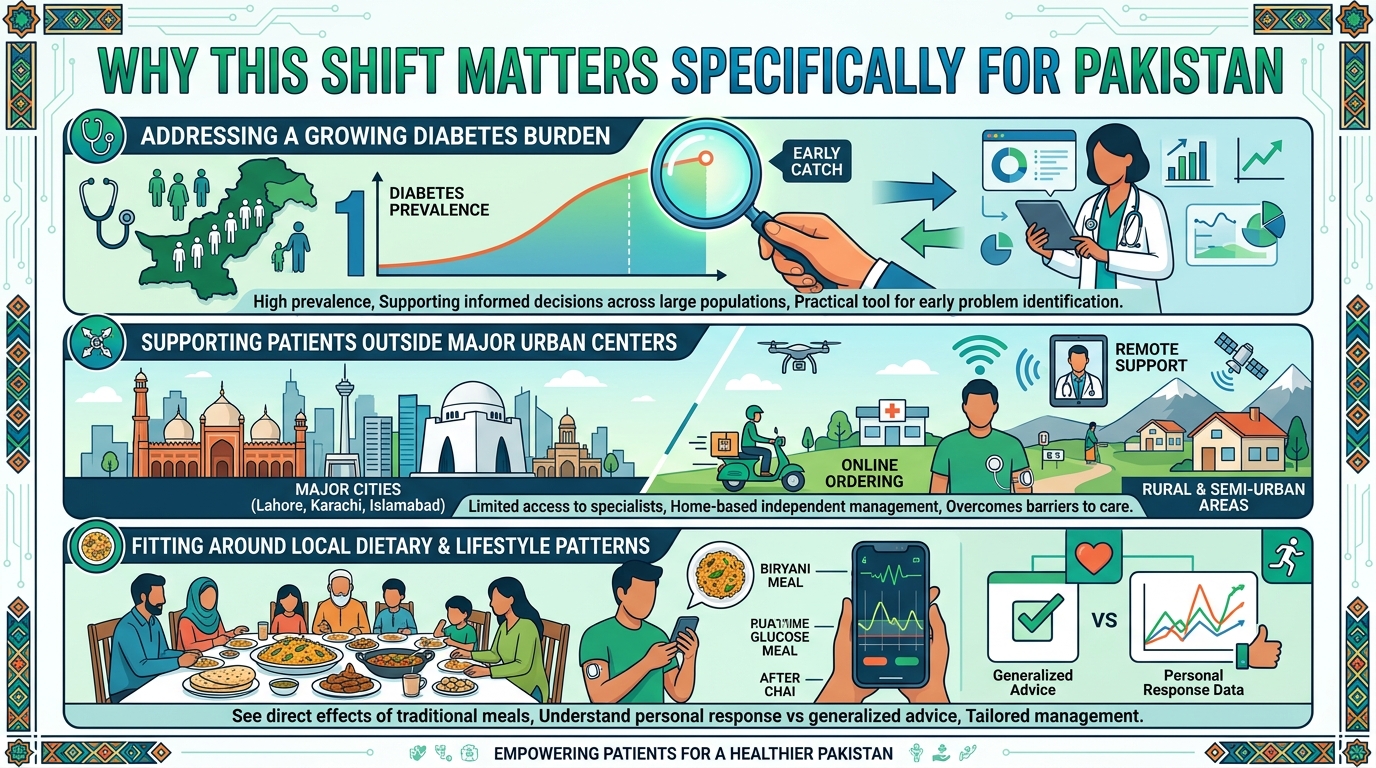
Why This Shift Matters Specifically for Pakistan
Pakistan's particular healthcare landscape makes the arrival of more advanced diabetes management technology especially significant, given both the scale of the diabetes burden and existing gaps in healthcare access.
Addressing a Growing Diabetes Burden
With diabetes prevalence among the highest in the world, Pakistan faces a genuine public health challenge that better tools alone cannot solve, but can meaningfully support. More accessible diabetes management technology offers a practical way to catch problems earlier and support more informed treatment decisions across a large patient population.
Supporting Patients Outside Major Urban Centers
Patients living outside major cities such as Lahore, Karachi, and Islamabad often have more limited access to specialist diabetes clinics. Technology that can be used independently at home, ordered online, and supported remotely helps extend quality diabetes management to patients who might otherwise face significant barriers to specialist care.
Fitting Around Local Dietary and Lifestyle Patterns
Modern diabetes management technology, particularly continuous glucose monitoring, allows patients to see directly how traditional Pakistani meals and daily routines affect their glucose levels, rather than relying on generalized dietary advice that may not reflect their personal response to specific foods.
Key Technologies Shaping Diabetes Management Today
Several specific technological advances stand out as particularly influential in how diabetes is managed across Pakistan today.
Wearable Sensors With Extended Wear Time
Modern sensors, including the iCan CGM i3, are designed to remain in place for approximately 14 days, offering extended, uninterrupted data collection compared to older technology that required far more frequent replacement.
Cloud-Based Data Storage and Reporting
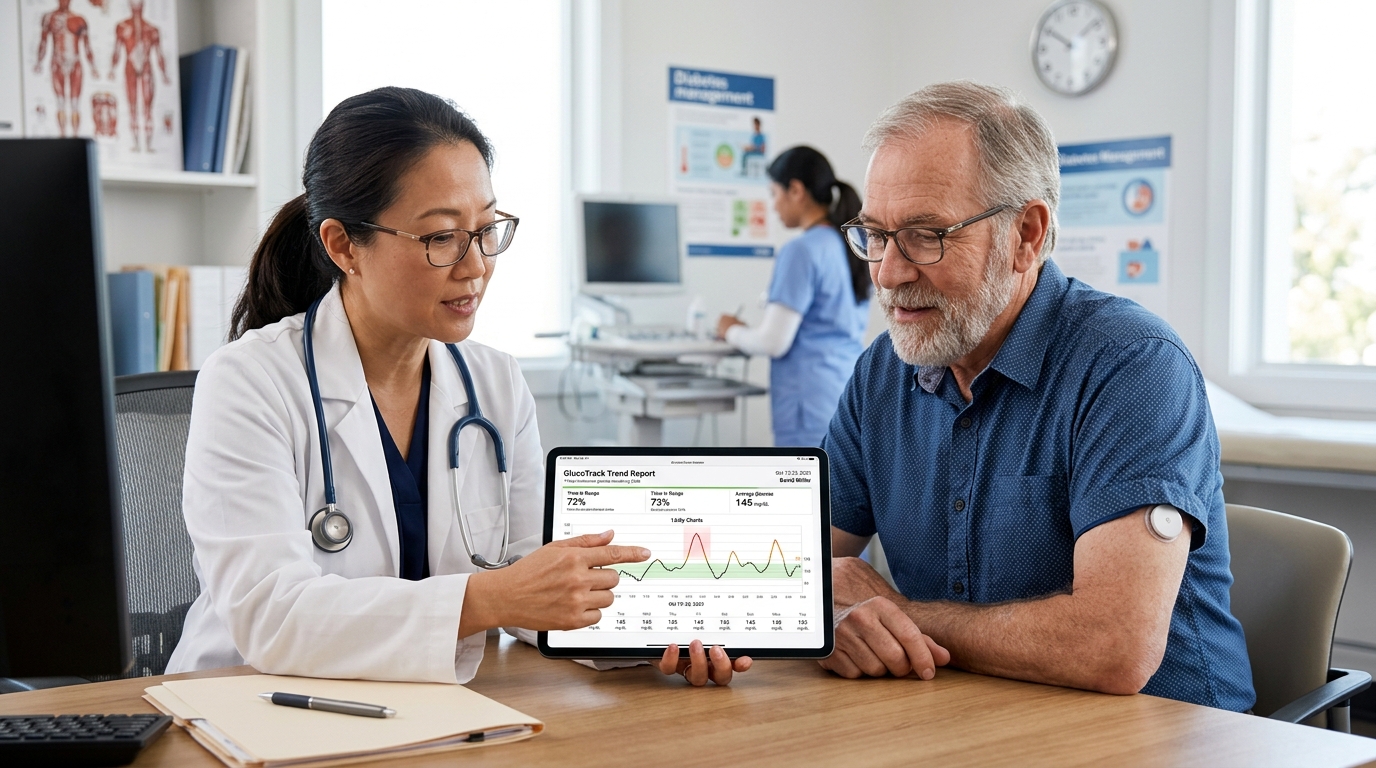
Many systems now store glucose data securely in the cloud, allowing patients to access their full history at any time and share detailed reports with their doctor ahead of appointments, rather than relying solely on data available during the visit itself.
Integration With Broader Health Tracking
Some diabetes management technology is beginning to integrate with broader health tracking tools, offering a more holistic view that connects glucose data with activity levels, sleep patterns, and other relevant health metrics.
How Doctors in Pakistan Are Adapting to New Technology
As diabetes management technology becomes more sophisticated, endocrinologists and general practitioners across Pakistan are adjusting how they approach patient care as a result.
Reviewing Detailed Reports Instead of Isolated Readings
Doctors increasingly review comprehensive reports showing time in range, average glucose, and pattern trends over weeks, rather than relying on a handful of readings recalled or recorded manually by the patient.
Making More Personalized Treatment Adjustments
With richer data available, treatment plans can be tailored far more precisely to how an individual patient's glucose actually behaves, rather than following broader, generalized protocols that may not account for their specific patterns.
Encouraging Proactive Rather Than Reactive Care
Access to continuous data supports a shift toward proactive diabetes management, where potential issues are identified and addressed early, rather than treatment decisions being made only in reaction to problems that have already developed.
What This Means for Patients Considering New Technology
For patients and families in Pakistan weighing whether to adopt more advanced diabetes management technology, understanding the practical benefits helps clarify whether the shift makes sense for their situation.
Reduced Daily Burden
Modern technology significantly reduces the daily burden of diabetes management, eliminating the need for frequent finger pricks and manual recordkeeping that many patients have relied on for years.
Better Long-Term Outcomes
Access to more detailed, continuous data is closely associated with improved long-term glucose control, which in turn is linked to a reduced risk of diabetes-related complications over time.
Greater Peace of Mind
Beyond the medical benefits, many patients and families report a significant improvement in day-to-day peace of mind once they adopt more advanced monitoring technology, simply from no longer feeling uncertain about what their glucose levels might be doing at any given moment.
Getting Started With Modern Diabetes Management Technology
For Pakistani patients ready to explore more advanced tools, getting started is more accessible than many expect. The iCan CGM i3, available through icancgm.pk, offers a straightforward entry point into continuous glucose monitoring, supported by a detailed how to use guide and accessible local customer support.
Frequently Asked Questions
What is the biggest change in diabetes management technology in recent years?
The shift from occasional finger-prick testing to continuous glucose monitoring has fundamentally changed how much information patients and doctors have access to for managing diabetes effectively.
Is modern diabetes management technology accessible to patients outside major Pakistani cities?
Yes, technology that can be ordered online and used independently at home, such as the iCan CGM i3, helps extend quality monitoring to patients outside major urban centers.
How does modern technology help doctors make better treatment decisions?
Detailed reports showing continuous glucose trends give doctors far more comprehensive information than a handful of manually recorded readings, supporting more personalized treatment adjustments.
Does adopting new diabetes management technology require replacing my current doctor's treatment plan?
No, modern technology is generally used alongside a doctor's existing treatment plan, providing better data to support and refine ongoing care rather than replacing medical guidance.
Where can Pakistani patients access modern diabetes management technology?
The iCan CGM i3 is available directly through icancgm.pk, offering local delivery, support, and setup guidance for patients across Pakistan.