Pakistan is facing one of the fastest growing diabetes burdens in the world. What used to be seen mostly as a disease of older adults or people with a strong family history has become a widespread health concern affecting people of all ages, in cities and villages alike. Understanding how big this problem actually is, along with the risks that come with poor glucose control, helps explain why consistent, informed monitoring matters more today than ever before.
How Big Is the Problem, Really
Pakistan consistently ranks among the countries with the highest diabetes prevalence anywhere in the world. International health organizations, including the International Diabetes Federation, have placed Pakistan near the very top of global rankings for adult diabetes prevalence, with estimates suggesting that somewhere between one in four and one in three adults in the country is living with diabetes or prediabetes. That puts enormous pressure not just on individuals and families, but on a healthcare system that's already stretched thin.
What makes this especially concerning is the direction things are heading. Prevalence has climbed sharply over the past two decades, driven by rapid urbanization, changing diets, less physical activity, and a strong genetic tendency within South Asian populations. Unlike many countries where diabetes mostly shows up later in life, a large share of new cases in Pakistan is being diagnosed in younger and middle aged adults, which means people are living with the disease, and its potential complications, for a much longer stretch of their lives.
Why Rates Are So High in Pakistan
A few overlapping factors explain Pakistan's unusually high diabetes burden.
South Asian populations, including Pakistanis, carry a well documented genetic tendency toward insulin resistance, which means diabetes can show up at a lower body weight and younger age than in many other populations.
Diets have shifted over the years to include more refined carbohydrates, sugary drinks, and processed foods, while portion sizes in many urban households have grown alongside them.
Urbanization has also made daily life more sedentary for a lot of people, with more desk jobs, more reliance on vehicles instead of walking, and less structured exercise built into the day.
Awareness remains limited in many areas too, and a large share of people with diabetes in Pakistan go undiagnosed for years, often only finding out after complications have already started.
On top of all this, regular screening, ongoing monitoring, and access to specialist care aren't consistently available or affordable everywhere, particularly outside the major cities.
The Real Risks of Poorly Managed Diabetes
Diabetes on its own is manageable, but diabetes that isn't monitored or managed well carries serious, sometimes life threatening risks.
People with diabetes face a noticeably higher risk of heart attack and stroke, and heart disease remains one of the leading causes of death among people with diabetes in Pakistan.
Chronic high blood sugar slowly damages the kidneys' ability to filter waste, and diabetic kidney disease is one of the most common reasons people end up needing dialysis.
Diabetic retinopathy, caused by damage to the small blood vessels in the retina, is a leading cause of preventable blindness in adults, and it often develops quietly, without symptoms, well before vision problems appear.
Nerve damage, known as neuropathy, can build up over time from high glucose, especially in the feet and hands, leading to pain, numbness, and a higher chance of unnoticed injuries.
Reduced feeling combined with poor circulation can also turn a small foot injury into a serious infection, and in severe cases that go unmanaged, it can lead to amputation.
Both dangerously high blood sugar, which can lead to diabetic ketoacidosis, and dangerously low blood sugar can trigger medical emergencies, including loss of consciousness, if they aren't caught and treated quickly.
What ties nearly all of these complications together is that they build up gradually and quietly, over months and years of glucose levels running higher or more erratically than a person realizes, mainly because infrequent testing simply doesn't capture the full pattern.
Why Monitoring, Not Just Diagnosis, Is the Real Challenge
Getting diagnosed with diabetes is only the first step. The bigger, ongoing challenge is staying on top of it consistently over years and decades. This is where a lot of people in Pakistan run into practical, everyday obstacles.
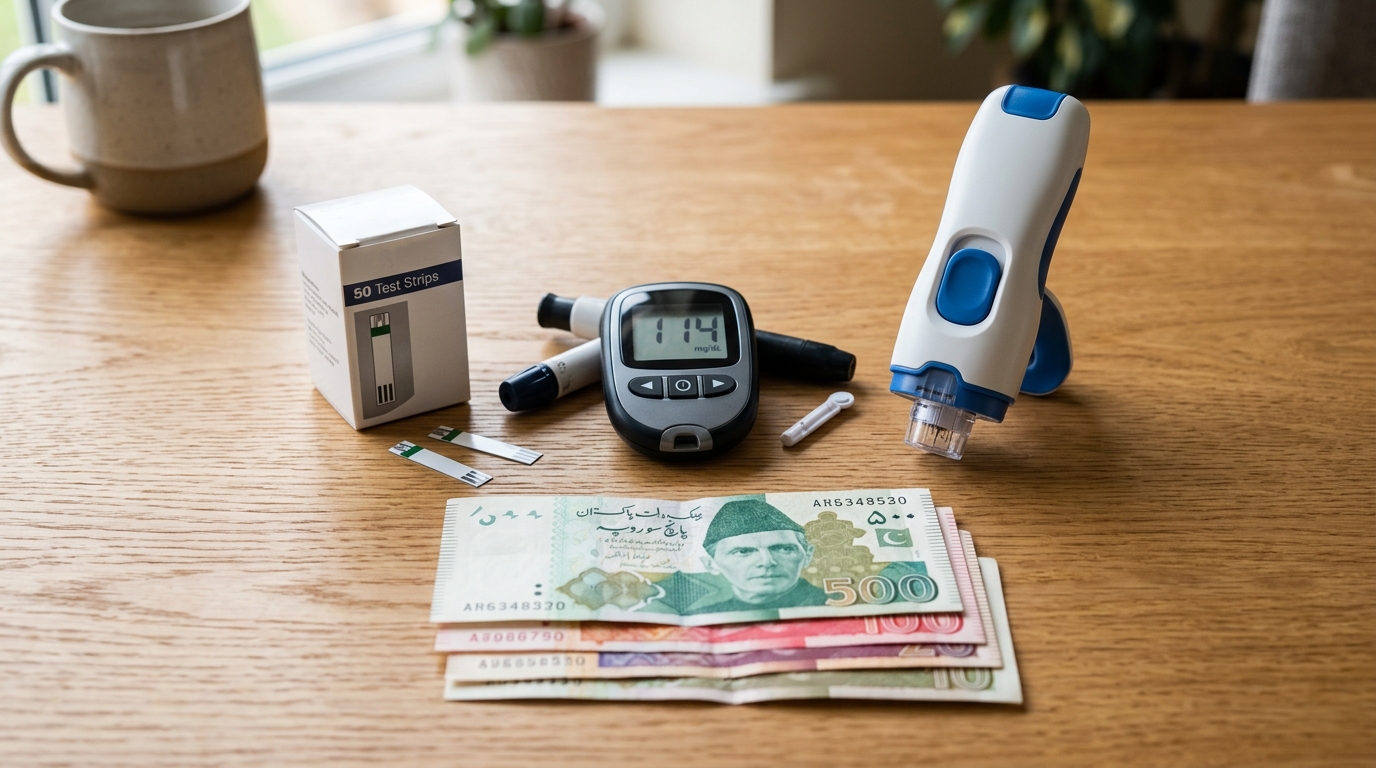
The pain and hassle of frequent finger pricking discourages many people from testing as often as their doctor recommends, which leaves big gaps in their understanding of their own glucose patterns.
The recurring cost of test strips and lancets builds up significantly over months and years, especially for people managing diabetes without insurance, which is still common across much of the country.
Limited access to specialists means many people go long stretches between doctor visits, relying entirely on their own home testing to catch problems in between appointments.
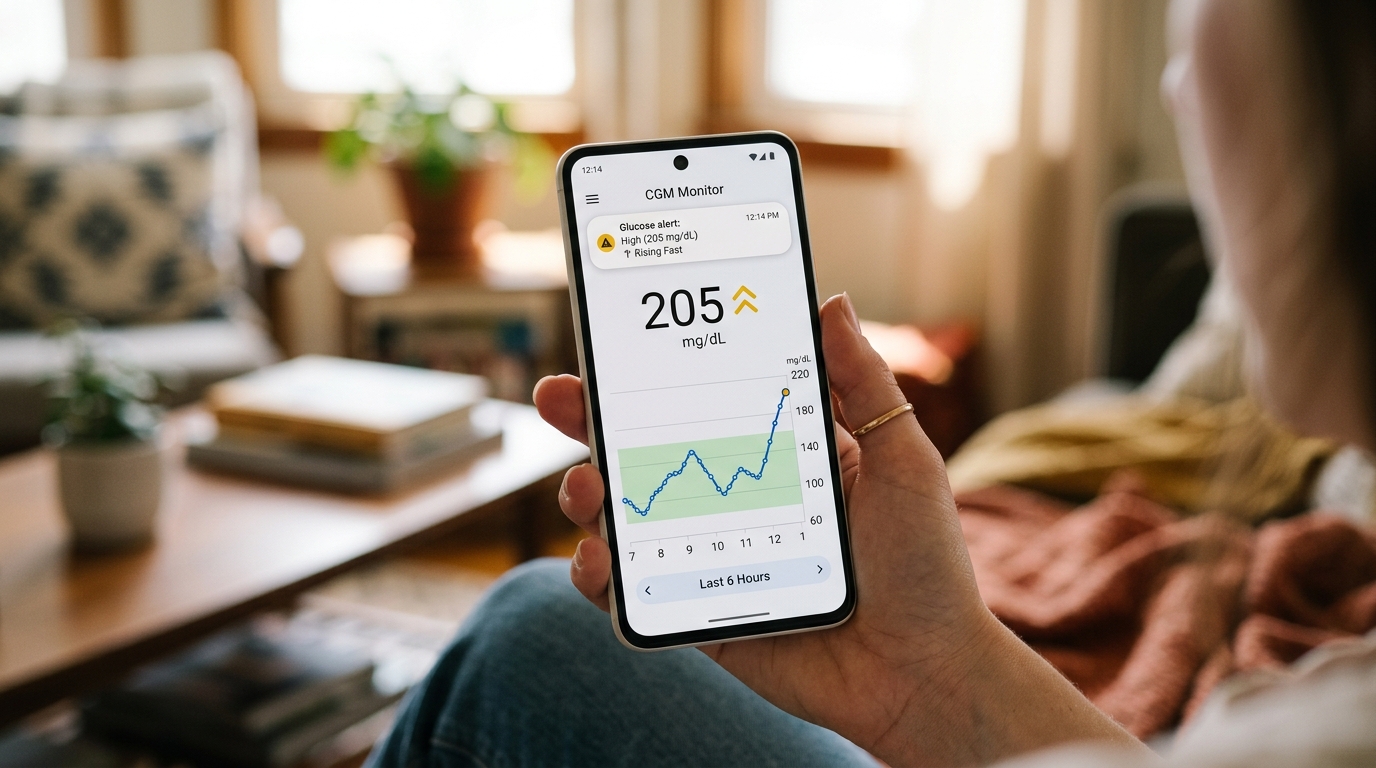
Low awareness of silent complications, like nighttime hypoglycemia or spikes after meals, means many people assume their diabetes is under control simply because they feel fine, without realizing dangerous patterns may be happening when they're not testing.
How Continuous Monitoring Changes the Picture
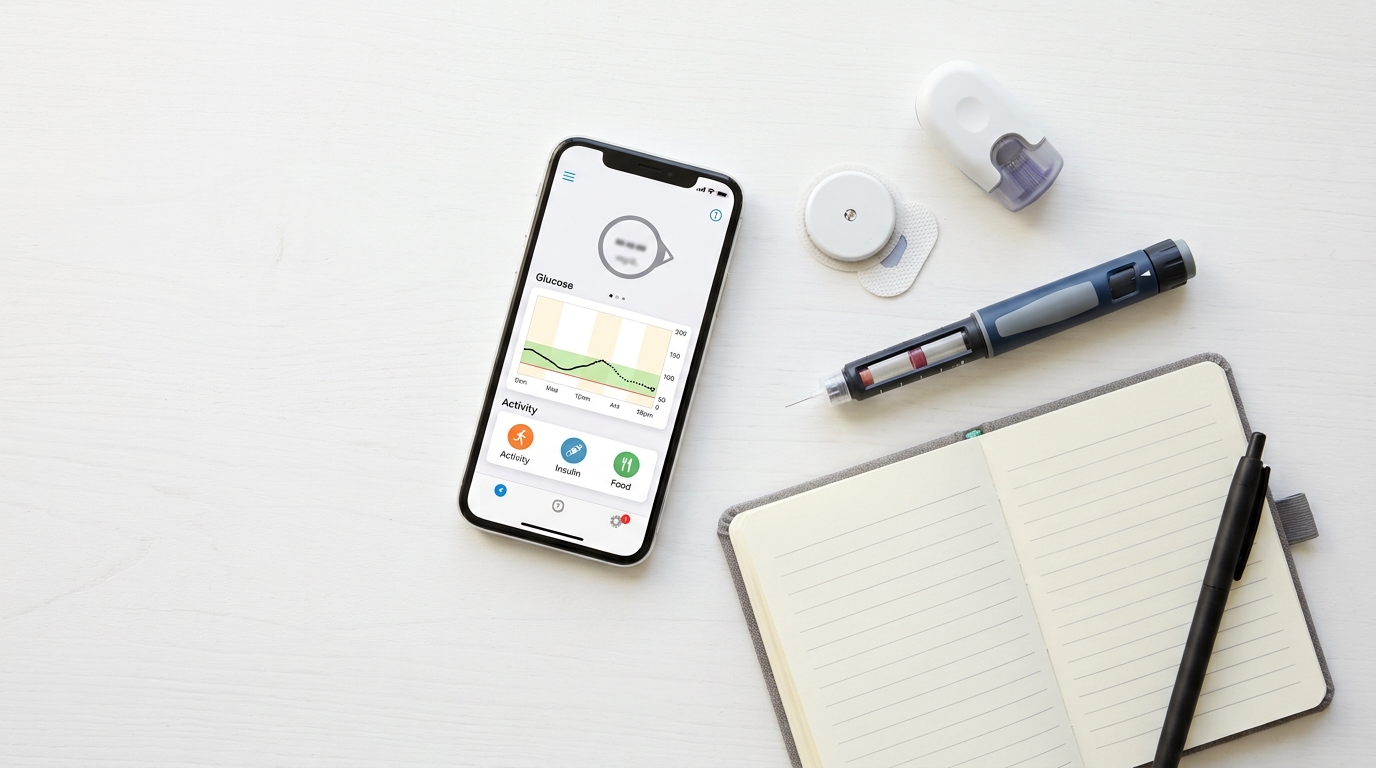
This is exactly where continuous glucose monitoring offers a real shift for people managing diabetes in Pakistan. A device like the iCan i3 tackles several of these barriers directly.
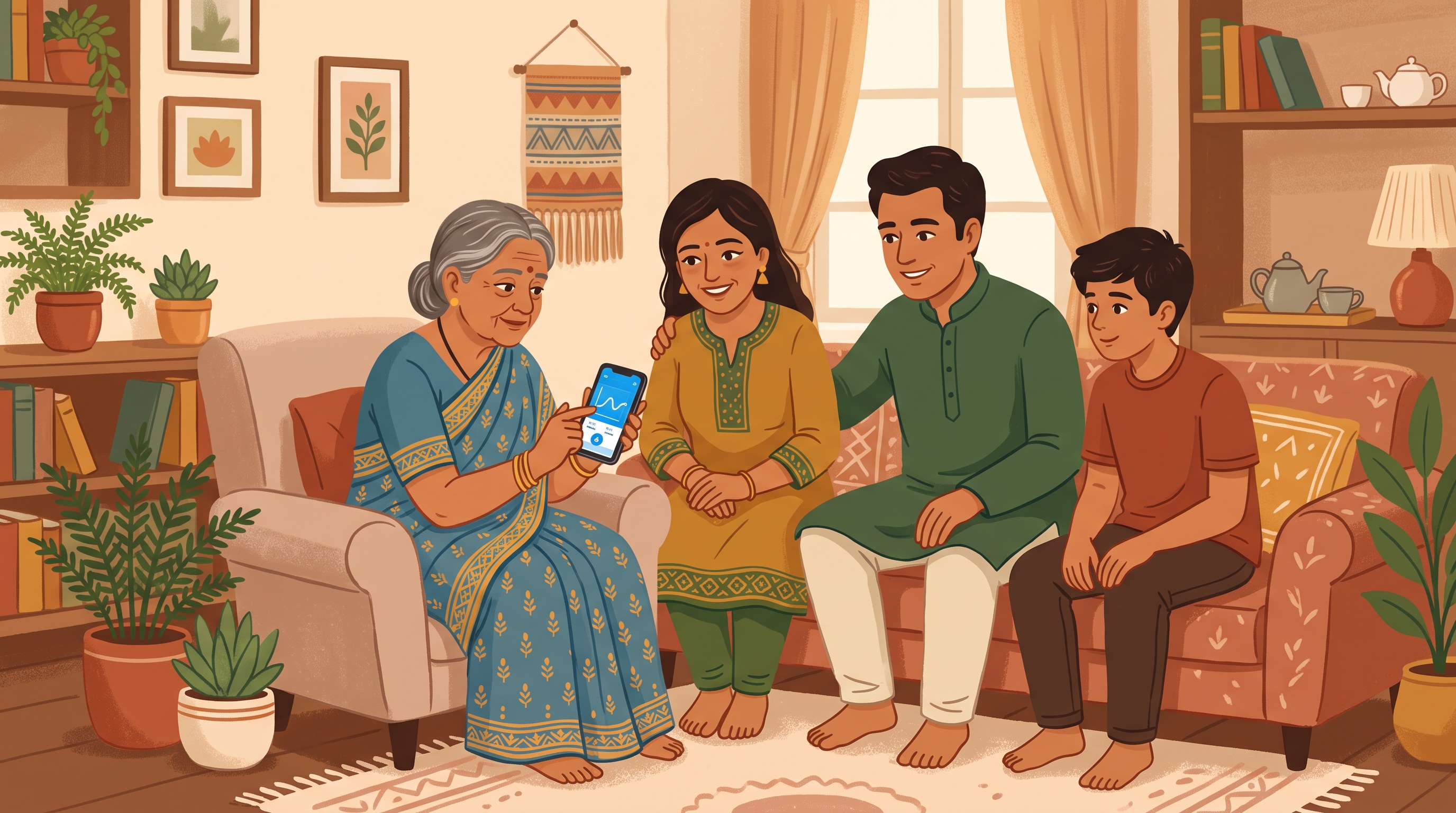
It removes the pain and daily hassle of repeated finger pricking, since one sensor gives continuous readings for up to fifteen days. It cuts down the ongoing cost of test strips, since a single sensor replaces dozens of individual finger pricks. It reveals silent problems, like nighttime lows or spikes after meals, that infrequent testing would otherwise miss entirely, giving people a genuinely full picture of their glucose patterns, often for the first time. It's built to be accessible without requiring insurance, which matters a lot given how much of Pakistan's population covers diabetes related costs out of pocket. And it lets family members remotely check on a loved one's glucose through a companion app, which is especially valuable in a country where extended families often play a central role in caring for elderly relatives or children living with diabetes.
What Individuals Can Do Right Now
While bigger changes in screening infrastructure and public health policy take time, individuals and families don't have to wait around to take meaningful action. Getting screened if you have risk factors, family history, high blood pressure, obesity, or a sedentary lifestyle, is a simple first step that costs very little and can catch prediabetes before it progresses further. For those already diagnosed, moving beyond occasional, infrequent testing toward fuller, continuous glucose data is one of the most practical ways to understand your own risk in real time, rather than waiting for a complication to reveal a problem that had been building for months or years. Small, steady changes in how people monitor their glucose, paired with support from family and healthcare providers, can genuinely shift long term outcomes, even in a country facing as large a diabetes burden as Pakistan.
The Role of Awareness and Early Action
Beyond access to devices and technology, one of the strongest tools against Pakistan's diabetes burden is simple awareness, both of risk factors and of the value of regular monitoring. Many people put off screening until symptoms become impossible to ignore, by which point the disease may have already been present quietly for years. Encouraging routine screening, especially for people with a family history of diabetes, high blood pressure, or obesity, can shift diagnosis earlier, when lifestyle changes and monitoring have the best chance of preventing complications altogether.
Family involvement plays an especially large role in Pakistan compared to many other places, given how much weight extended family support carries here. Encouraging older relatives to get screened, helping a family member learn to use a glucose monitoring device, or simply knowing the warning signs of a severe high or low can genuinely change outcomes, not just for the person living with diabetes, but for the whole household managing it alongside them.
Final Thoughts
Pakistan's diabetes crisis is significant, and it isn't slowing down on its own. But the risks tied to diabetes, heart disease, kidney damage, vision loss, and dangerous highs or lows, are, for the most part, preventable with consistent, informed monitoring and timely action.
Technology like continuous glucose monitoring is helping close the gap between getting diagnosed and actually staying in control day to day, giving individuals and families in Pakistan a clearer, fuller understanding of their glucose patterns than traditional testing alone has ever offered. In a country facing one of the highest diabetes burdens in the world, that kind of clarity matters more than ever.