Continuous Glucose Monitor Pakistan: A Complete Guide to Real-Time Glucose Tracking
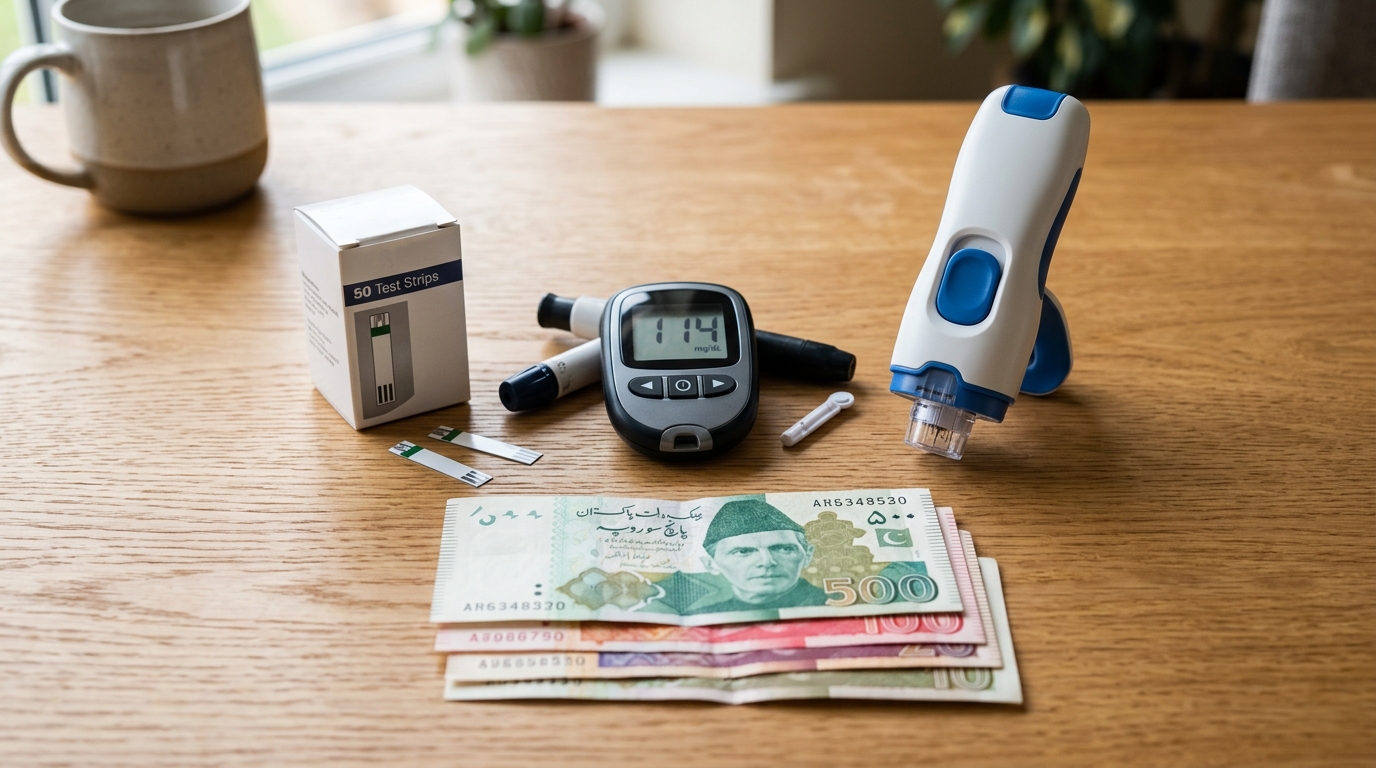
Diabetes has become one of the fastest growing health concerns in Pakistan, with millions of adults living with type 1 or type 2 diabetes and many more remaining undiagnosed. For years, the standard approach to managing blood sugar involved finger pricking, test strips, and a handful of readings scattered throughout the day. This method, while functional, only ever gave patients a snapshot of their glucose levels rather than the full picture. Today, a continuous glucose monitor in Pakistan is changing that story entirely, allowing patients and their doctors to see glucose trends in real time, 24 hours a day, without repeated needle pricks.
This guide walks through what continuous glucose monitoring actually is, why it matters specifically for people living in Pakistan, how the technology works, and how you can get started with a reliable device such as the iCan CGM i3.
What Is a Continuous Glucose Monitor
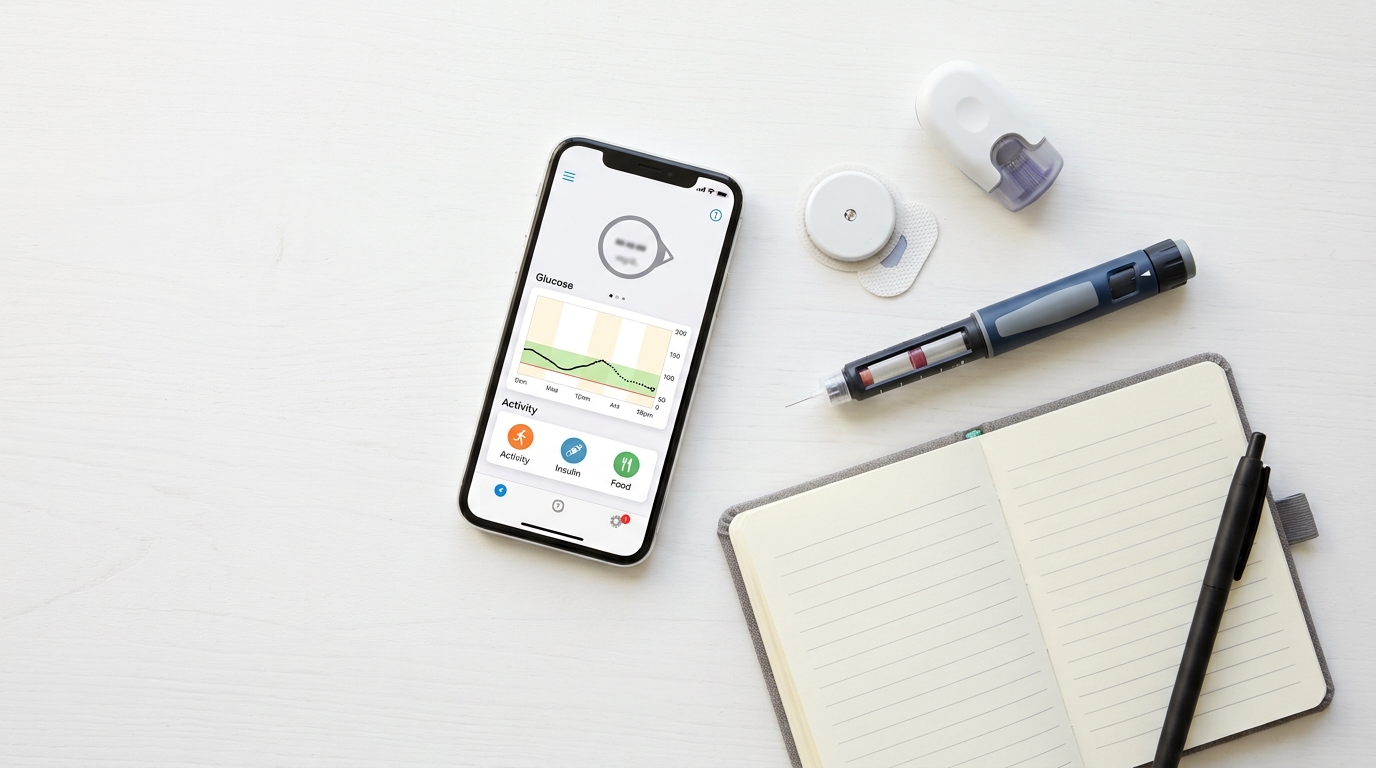
A continuous glucose monitor, often shortened to CGM, is a small wearable sensor that tracks glucose levels in the interstitial fluid just beneath the skin. Unlike a traditional glucometer, which requires a fresh drop of blood every time you want a reading, a CGM sensor stays on the body for an extended period, usually around 14 days, and sends readings to a connected app every few minutes. This means a person wearing a continuous glucose monitor in Pakistan can check their glucose trend at any moment simply by glancing at their phone, without any additional pain or inconvenience.
The sensor itself consists of a thin filament that sits just under the skin and a small transmitter that communicates wirelessly with a mobile application. Devices like the iCan CGM i3 are designed to be discreet, waterproof, and comfortable enough to wear during daily activities, exercise, and even sleep.
How the Technology Works
The science behind continuous glucose monitoring is based on measuring glucose concentration in the fluid that surrounds the body's cells rather than glucose in the bloodstream directly. This fluid closely mirrors blood glucose levels with only a short delay of a few minutes. The sensor's filament contains an enzyme that reacts with glucose molecules, generating a small electrical signal. That signal is processed and converted into a glucose reading, which is then transmitted to the paired app.
Because readings are captured automatically every few minutes, the device builds a continuous graph showing how glucose levels rise and fall throughout the day. This is a significant shift from the old method of measuring glucose only two or three times a day, which often missed important spikes or drops that happen between test times.
Why Continuous Glucose Monitoring Matters in Pakistan
Pakistan has one of the highest rates of diabetes in the world, driven by a combination of genetic predisposition, dietary patterns rich in refined carbohydrates, and increasingly sedentary urban lifestyles. Traditional Pakistani meals, from parathas and biryani to sweet chai consumed multiple times a day, can cause significant glucose spikes that are easy to miss with occasional finger-prick testing.
A continuous glucose monitor in Pakistan gives patients the ability to see exactly how their favourite meals affect their blood sugar, rather than relying on general dietary guidelines that may not reflect their personal response. This is especially valuable in a country where food culture is deeply tied to family gatherings, celebrations, and daily routines that are difficult to change entirely.
Rising Diabetes Rates and the Need for Better Tools
Public health data consistently shows that a large percentage of Pakistan's adult population either has diabetes or is at high risk of developing it. Many patients only discover their condition after complications have already begun, such as vision problems, nerve damage, or cardiovascular issues. Continuous glucose monitoring offers an early warning system, showing patterns of elevated glucose long before those complications set in, and giving both patients and doctors the information needed to intervene sooner rather than later.
Managing Diabetes Around Pakistani Lifestyle and Diet
One of the most practical benefits of using a glucose monitoring device in Pakistan is understanding the direct relationship between specific foods and blood sugar response. A person might discover that a plate of daal and rice keeps their glucose stable throughout the afternoon, while a single samosa with chutney sends their levels sharply upward. Because the iCan CGM i3 provides continuous data rather than isolated readings, users can experiment with meal timing, portion sizes, and food combinations to find what genuinely works for their body, rather than following generic advice that may not apply to them.
How a Continuous Glucose Monitor Improves Daily Life
Living with diabetes involves a constant mental load of decisions, from what to eat to when to exercise to how much insulin or medication to take. A continuous glucose monitor removes much of the guesswork by providing real-time visibility into how the body is responding at any given moment.
Reducing the Burden of Finger Pricking
For many people, the physical discomfort of pricking a finger multiple times a day is one of the most difficult parts of diabetes management. Over months and years, this can lead to sore fingertips, calloused skin, and simple reluctance to test as often as recommended. A continuous glucose monitor eliminates this barrier almost entirely, since a single sensor application lasts around two weeks and delivers hundreds of automatic readings without a single additional prick.
Catching Highs and Lows Before They Become Dangerous
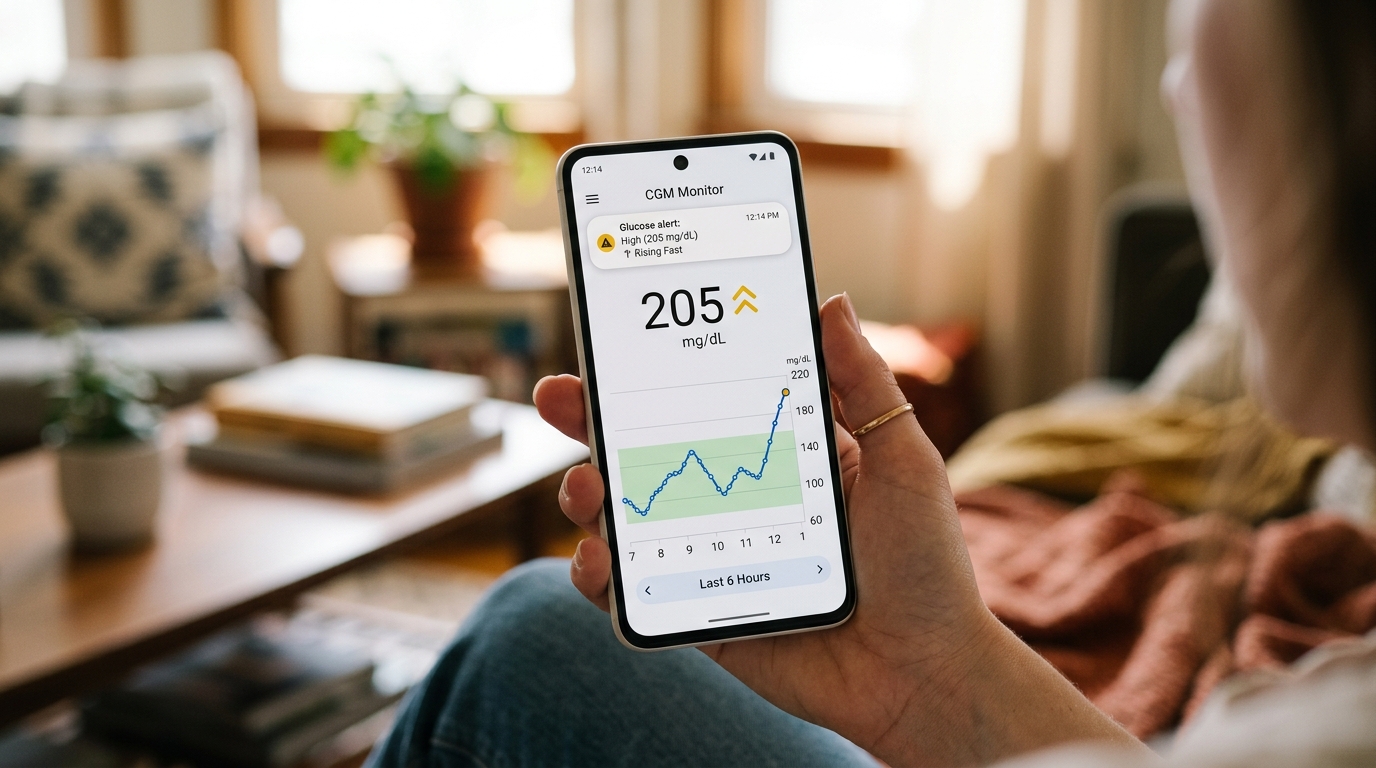
One of the most valuable features of continuous glucose monitoring is the ability to set custom alerts for when glucose levels move too high or too low. Instead of discovering a dangerous low blood sugar episode after symptoms appear, a person wearing a CGM can receive an alert on their phone the moment their glucose starts trending in the wrong direction. This is particularly important overnight, when many low blood sugar events go unnoticed until they become severe. Devices like the iCan CGM i3 allow users to customize these thresholds directly within the app, tailoring alerts to their personal target range as advised by their doctor.
Supporting Better Conversations With Doctors
When a patient visits their endocrinologist with only a handful of finger-prick readings from the past week, the doctor is working with a very incomplete picture. A continuous glucose monitor generates detailed reports showing time in range, average glucose, and patterns across days and weeks. This allows doctors in Pakistan to make far more informed adjustments to medication, insulin dosing, or lifestyle recommendations, based on real data rather than guesswork.
Choosing the Right CGM Device in Pakistan
With CGM technology becoming more accessible, it is worth understanding what to look for when selecting a glucose monitoring device in Pakistan. Not all sensors are built the same, and factors such as wear time, water resistance, app usability, and local availability all play a role in choosing the right option.
Wear Time and Comfort
Most modern CGM sensors, including the iCan CGM i3, are designed to be worn for around 14 days continuously. This means fewer sensor changes and less overall cost compared to older technology that required more frequent replacements. Comfort also matters significantly, since the sensor will be on the body around the clock, during sleep, exercise, and daily chores. A well-designed sensor should be low profile enough that it does not catch on clothing or cause irritation over the wear period.
App Compatibility and Data Sharing
A good continuous glucose monitor should pair with an intuitive mobile app that clearly displays trend graphs, alerts, and historical data. For families managing diabetes in a loved one, whether a child or an elderly parent, the ability to share real-time data with a caregiver's phone adds an important layer of safety. When exploring options, it is worth checking how easy the app is to set up and whether it supports the kind of detailed reporting that a doctor would find useful during consultations.
Local Availability and Support
One practical concern for anyone considering a continuous glucose monitor in Pakistan is ensuring the device is genuinely available locally, with reliable customer support and a straightforward ordering process. Buying through an established local supplier such as icancgm.pk ensures the product is authentic, comes with proper instructions in a locally relevant context, and that support is available if any questions arise during setup or use.
Getting Started With the iCan CGM i3
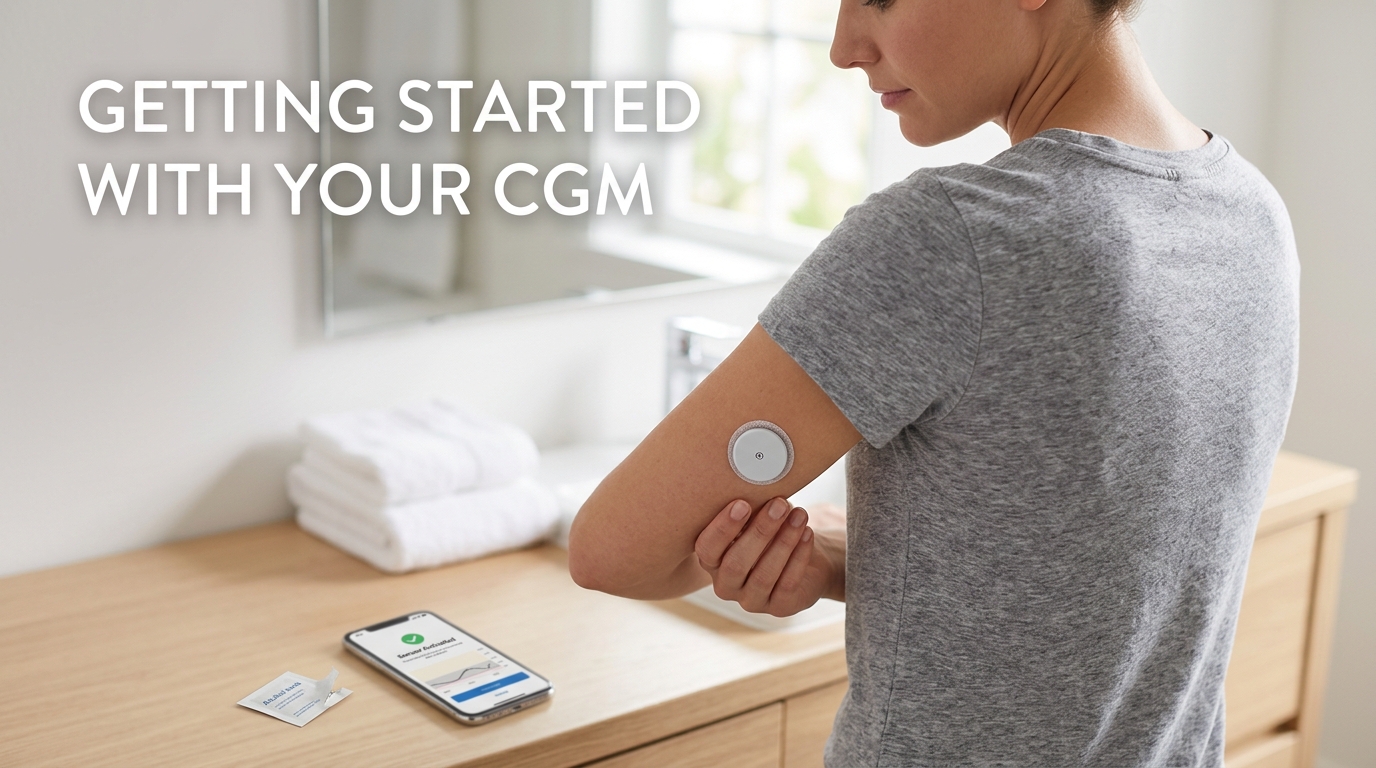
For anyone new to continuous glucose monitoring, the process of getting started is far simpler than most people expect. The iCan CGM i3 is designed with first-time users in mind, offering a straightforward application process and a companion app that walks through setup step by step.
Applying the Sensor Correctly
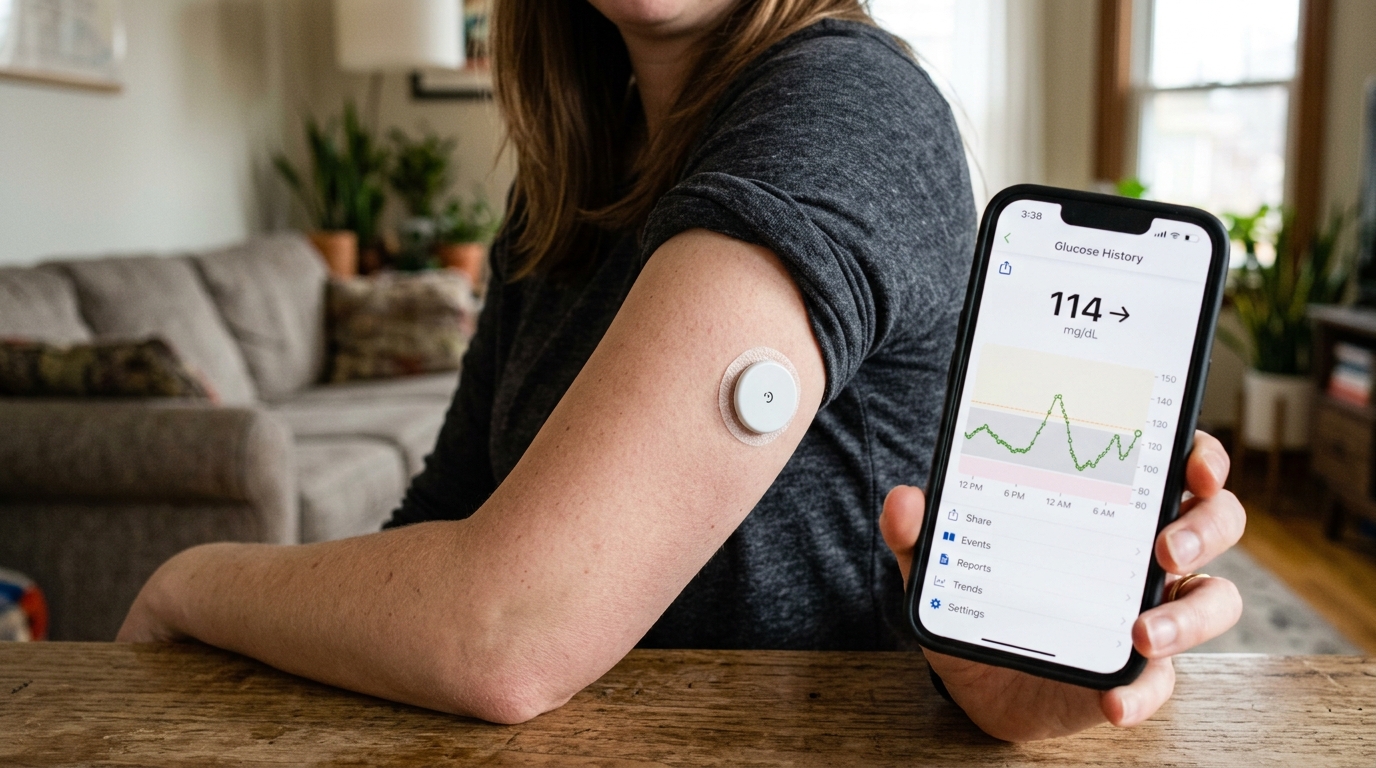
The sensor is typically applied to the back of the upper arm, an area with relatively stable interstitial fluid and minimal movement during daily activity. Cleaning the skin beforehand and choosing a spot away from muscle strain or clothing friction can significantly extend how well the sensor performs. For a detailed breakdown of ideal placement, our guide on CGM sensor placement covers the best and worst spots on the body in more depth.
Syncing With the App
Once applied, the sensor is paired with the iCan CGM app via Bluetooth, and after a short warm-up period, it begins delivering continuous readings. From there, users can view live graphs, set personalized alert thresholds, and review historical trends whenever needed. New users are encouraged to review the how to use guide available on the iCan CGM Pakistan website, which walks through the entire setup process in detail.
What to Expect in the First Few Days
The first few days of wearing a continuous glucose monitor are often described by users as eye opening. Many people discover glucose patterns they never suspected, from post-meal spikes to gradual overnight drifts. It is common for the first day's readings to require a short calibration period as the sensor adjusts, but from there the data becomes remarkably consistent and reliable.
Addressing Common Concerns About CGM Use in Pakistan
Despite growing awareness, several misconceptions still surround continuous glucose monitoring in Pakistan. Some people assume the sensors are painful to apply, while others worry about cost or whether the technology is only meant for type 1 diabetics on insulin therapy. In reality, continuous glucose monitors are increasingly used by people with type 2 diabetes, prediabetes, and even those simply interested in understanding their metabolic health more closely.
Is It Painful to Wear
The application process involves a quick, virtually painless insertion using an automatic applicator, and most users report feeling little more than a light pinch. Once in place, the sensor is generally unnoticeable during normal daily activity.
Is It Suitable for Non-Insulin Users
Continuous glucose monitors are not exclusive to those on insulin. People managing type 2 diabetes through diet, oral medication, or lifestyle changes often find the visibility into daily glucose patterns just as valuable, since it helps reinforce which habits are working and which need adjustment.
What About Cost and Insurance
Cost remains a common question for anyone considering a continuous glucose monitor in Pakistan, particularly around whether local insurance providers offer any coverage. This topic deserves its own detailed discussion, which we cover separately in our article on insurance coverage for CGM in Pakistan, including what to expect when budgeting for ongoing sensor use.
The Future of Glucose Monitoring in Pakistan
As awareness grows and more endocrinologists across Pakistan begin recommending continuous glucose monitoring as part of standard diabetes care, access to devices like the iCan CGM i3 is likely to keep expanding. What was once considered a niche or expensive technology reserved for specialist clinics is steadily becoming a mainstream tool for everyday diabetes management, much the way home blood pressure monitors became commonplace over the past two decades.
For patients and families managing diabetes, the shift toward continuous, real-time data represents a meaningful step forward, moving away from reactive management based on occasional snapshots and toward a proactive, informed approach to long-term health.
Frequently Asked Questions
How long does a single CGM sensor last in Pakistan's climate?
Most sensors, including the iCan CGM i3, are rated for around 14 days of continuous wear and are designed to remain water resistant through daily showers, sweating, and Pakistan's warmer climate conditions, though extreme heat and excessive moisture exposure can occasionally affect adhesive longevity.
Do I need a prescription to buy a continuous glucose monitor in Pakistan?
In most cases, a continuous glucose monitor can be purchased directly through a supplier such as icancgm.pk without requiring a prescription, though it is always advisable to discuss glucose targets and alert settings with your doctor.
Can a continuous glucose monitor replace my regular glucometer completely?
Many users transition fully to CGM technology, though some doctors recommend occasional finger-prick checks for calibration confirmation, particularly during the first few sensors.
Is continuous glucose monitoring useful for prediabetes, not just diagnosed diabetes?
Yes, many people without a formal diabetes diagnosis use CGM technology to understand how their body responds to different foods and to catch early warning signs of insulin resistance before it progresses further.
Where can I buy a reliable CGM device in Pakistan?
The iCan CGM i3 is available directly through icancgm.pk, which also offers bundle options, setup guidance, and ongoing customer support for new users.