The rise of continuous glucose monitors has changed how people manage their metabolic health, but it has also created plenty of misunderstanding. New users often arrive with fears and assumptions that are not based on how the device actually works. This guide walks through the most common myths about CGMs like the iCan CGM and separates the outdated ideas from the current reality.
Myth 1: CGMs Are Only for People with Diabetes
The most common myth is that a CGM is only useful if you have diabetes. In reality, CGMs are increasingly used by athletes, people with prediabetes, and general wellness users who want to understand how food and lifestyle affect their glucose. The data helps anyone make better decisions, whether they are managing a diagnosed condition or trying to prevent one.
Myth 2: The Sensor Insertion Hurts
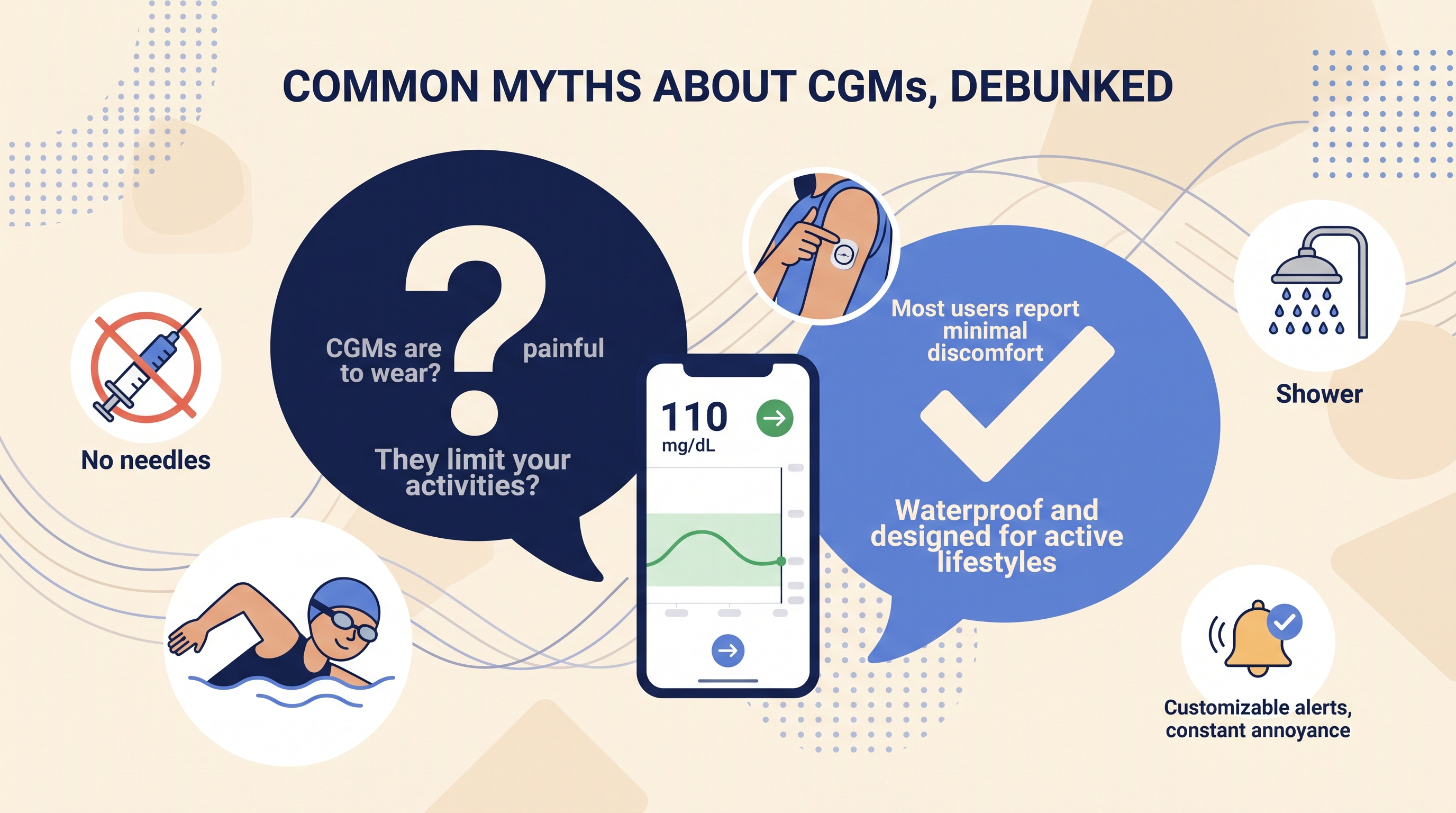
The idea that CGM insertion is painful stops many people from trying one. In practice, the applicator uses a thin flexible filament, and most users describe the insertion as a light pinch or barely notice it at all. Once the sensor is in place, you cannot feel it during daily activities, sleep, or exercise. Compared to finger pricks done multiple times a day, the CGM experience is much easier.
Myth 3: You Still Need Finger Pricks Every Day
Older CGMs required calibration through finger pricks. Modern devices like the iCan CGM are factory calibrated, which means the sensor works out of the box without needing daily blood tests. Finger pricks are usually only recommended when you feel symptoms that do not match your CGM reading, or when your doctor asks you to confirm a specific value.
Myth 4: CGMs Are Not Accurate Enough to Trust
CGMs have come a long way in accuracy over the last decade. Modern sensors track interstitial fluid glucose closely enough that clinical care teams around the world use CGM data to guide treatment decisions. Small differences from finger stick readings do exist, mostly because the sensor measures glucose in the fluid between cells rather than directly in the blood, but the overall trends and patterns are highly reliable.
Myth 5: You Cannot Shower or Swim with a CGM
The iCan CGM is water resistant and designed for daily activities including showering, swimming, and light water exposure. Long hot showers or extended pool sessions can weaken the adhesive over time, but the sensor itself continues working. Using an overpatch helps if you spend a lot of time in water.
Myth 6: The Sensor Falls Off Easily
Sensor failure is often blamed on the device when the real issue is skin preparation. If the skin is clean, dry, and free of lotion at the time of application, most sensors stay on for the full wear period. Bumps, gym equipment, and rough clothing can dislodge a sensor, but proper placement and an overpatch usually solve the problem.
Myth 7: CGMs Are Too Expensive to Consider
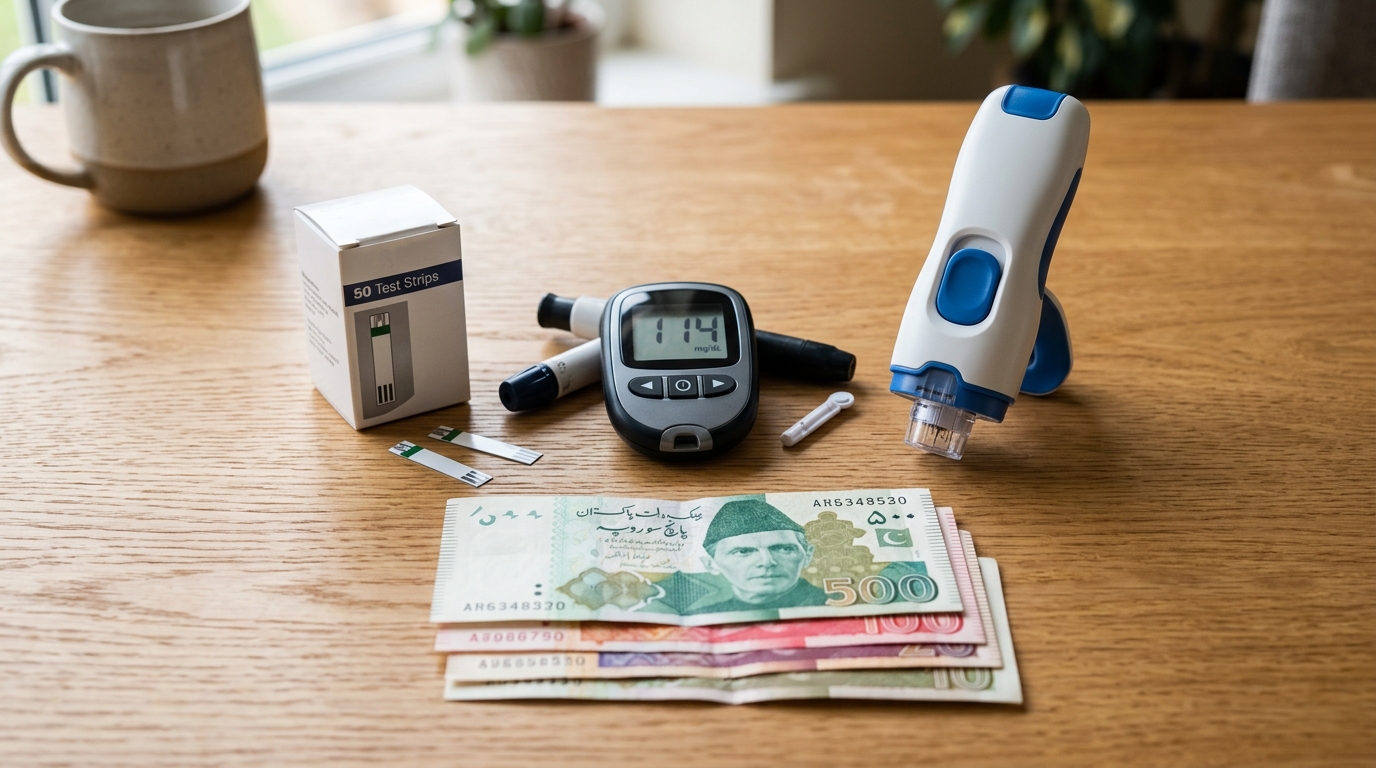
The cost of continuous glucose monitoring has dropped significantly. When people compare the price of a sensor against the cost of frequent lab tests, medication changes, and long term complications from poor glucose control, the CGM often works out as the more affordable choice. The iCan CGM is priced competitively in the Pakistani market, and monthly costs are more manageable than most new users expect.
Myth 8: The Alerts Will Ruin Your Sleep
Poorly configured alerts can wake you at odd hours, but well tuned settings only fire when action is needed. Most users adjust their overnight thresholds slightly wider than their daytime range and find that alerts happen only a few times per month, not every night.
Myth 9: CGMs Interfere with MRIs and X Rays
Some medical imaging procedures do require you to remove the sensor, especially MRI scans. However, most X rays, CT scans, and routine imaging do not affect the sensor. Your doctor or radiology team can guide you before any procedure, and the iCan CGM website lists guidance for common scenarios.
Myth 10: CGMs Give You Constant Anxiety About Numbers
The opposite is often true. New users may feel overwhelmed in the first two weeks, but most report that seeing their patterns gives them a sense of control rather than anxiety. The data ends the guessing, and once you learn your personal patterns, the CGM becomes a background tool rather than a source of stress.
The Reality Behind the Myths
Most CGM myths come from older technology, outdated experiences, or general fear of medical devices. The current generation of sensors, including the iCan CGM, is designed to fit into daily life without disrupting it. The best way to move past these myths is to try a sensor for two weeks and let the experience speak for itself.