
Anyone who has used a continuous glucose monitor for a while has probably had a moment where the number on the screen did not quite match how they were feeling. Maybe you feel a bit shaky and the app says your glucose is fine, or maybe you feel completely normal but the reading shows a number that seems too high or too low. This is one of the most common questions new CGM users ask, and it is worth understanding why it happens and what to actually do about it.
This article walks through the main reasons a CGM reading might seem off, how to tell the difference between a temporary blip and something worth acting on, and the steps to take when you are not sure whether to trust the number on your screen.
Understanding the Difference Between Blood and Interstitial Fluid
One of the most important things to understand about any CGM, including the iCan CGM, is that it does not measure glucose directly in your blood. Instead, it measures glucose in the interstitial fluid, which is the thin layer of fluid surrounding the cells just under your skin. Glucose moves from your bloodstream into this fluid, but there is a small delay in that process, usually somewhere between five and fifteen minutes.
This delay means that during periods when your glucose is changing quickly, such as right after a meal or right after taking insulin, your CGM reading might lag slightly behind what a finger prick blood test would show. This is not a flaw in the device. It is simply how interstitial fluid monitoring works, and it applies to every CGM on the market, not just one particular brand.
Once your glucose levels are relatively stable, this lag becomes far less noticeable, and the readings tend to align closely with blood glucose numbers. So if your reading looks a little off right after eating or dosing, waiting fifteen to twenty minutes and checking again often shows the numbers coming back into alignment.
Common Reasons a Reading Might Look Off
There are a handful of everyday situations that can affect CGM accuracy temporarily, and knowing about them ahead of time makes it much easier to stay calm when a reading looks unusual.
Pressure on the sensor is one of the most common causes. If you have been lying on the arm where your sensor is placed, or if clothing has been pressing tightly against it for a while, you might see a temporary dip in readings sometimes called a compression low. This usually resolves on its own within thirty minutes once the pressure is relieved.
Dehydration can also affect readings, since it changes the balance of fluid in the body, including the interstitial fluid the sensor is measuring. Drinking water and rechecking after a short while often brings the numbers back to where they should be.
The warm up period right after applying a new sensor is another time when readings can be less reliable. During the first hour after application, the sensor is still calibrating itself, and numbers from this window should generally be treated with a bit of caution until the warm up period is complete.
Extreme temperatures, whether very hot or very cold, can occasionally affect sensor performance as well. If you have just come in from very cold weather or stepped out of a hot shower, giving the sensor a few minutes to adjust before trusting the reading is a reasonable approach.
How to Confirm a Reading You Are Unsure About
If a number on your CGM does not match how you feel, or seems unusually high or low compared to your recent pattern, the most reliable way to check is a standard finger prick blood glucose test. This is true for every CGM brand, not just the iCan CGM, and it is a normal part of using continuous glucose monitoring responsibly.
A finger prick gives you a direct blood glucose reading at that exact moment, without the slight delay that comes with interstitial fluid measurement. If your CGM shows a low glucose alert but you feel completely normal, a quick finger prick check can confirm whether you are actually low or whether the sensor reading needs a moment to catch up. The same goes for high readings that seem unexpected.
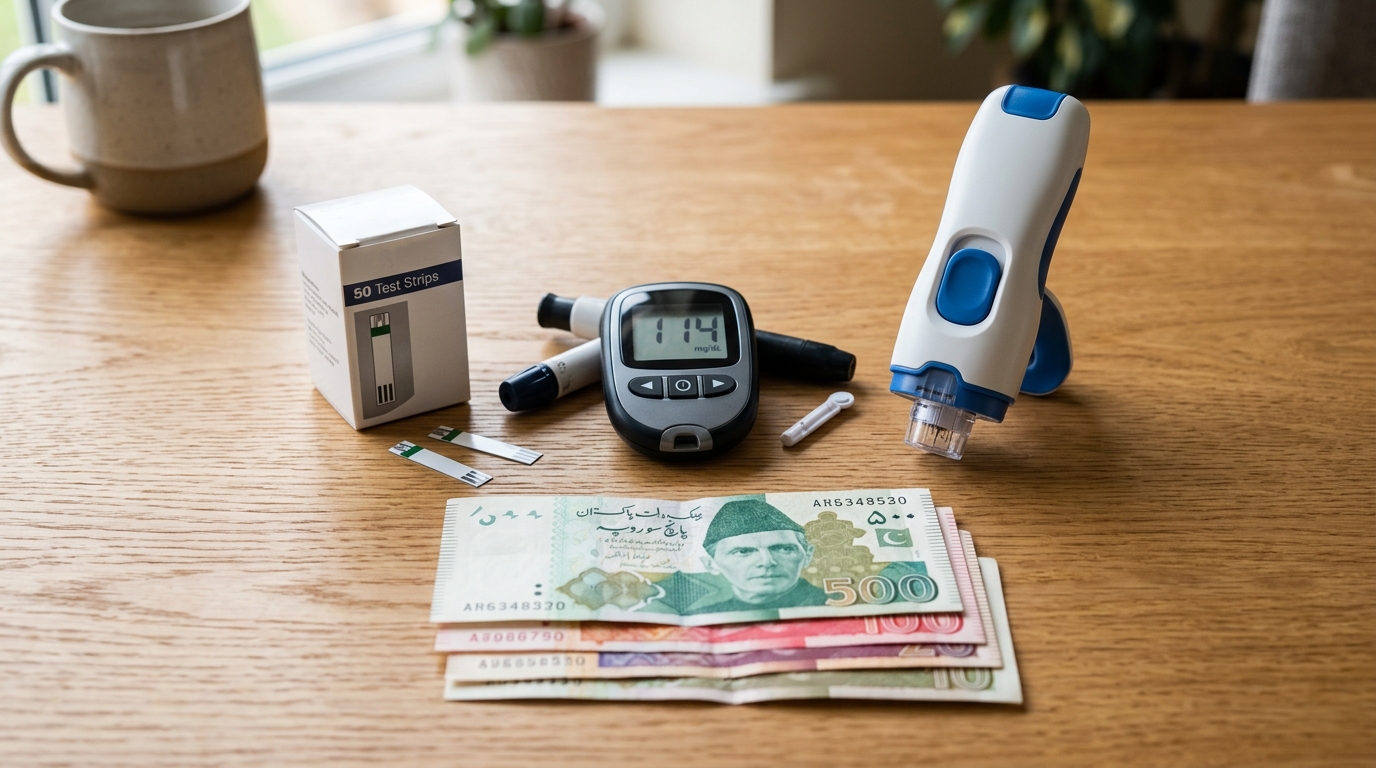
It is worth keeping a small glucose meter and a few test strips on hand even while using a CGM, specifically for these situations. Most people who use CGMs long term describe this as an occasional backup check rather than something they need to do constantly.
When to Consider Calibration or Sensor Replacement
If you find that your CGM readings consistently run higher or lower than your finger prick checks by a noticeable margin over several hours, rather than just a single unusual moment, this can be a sign that the sensor itself needs attention. Consistent, ongoing discrepancy is different from a single confusing reading during a meal or a workout.
In these cases, checking the sensor placement is a good first step. If the adhesive has partially lifted, or if the sensor was applied to an area with a lot of scar tissue or a nearby vein, this can affect how consistently it reads. If the placement looks fine but the gap between CGM readings and finger prick readings remains large over time, reaching out to iCan CGM support for guidance on whether the sensor needs to be replaced is the right next step.
Trends Matter More Than a Single Number
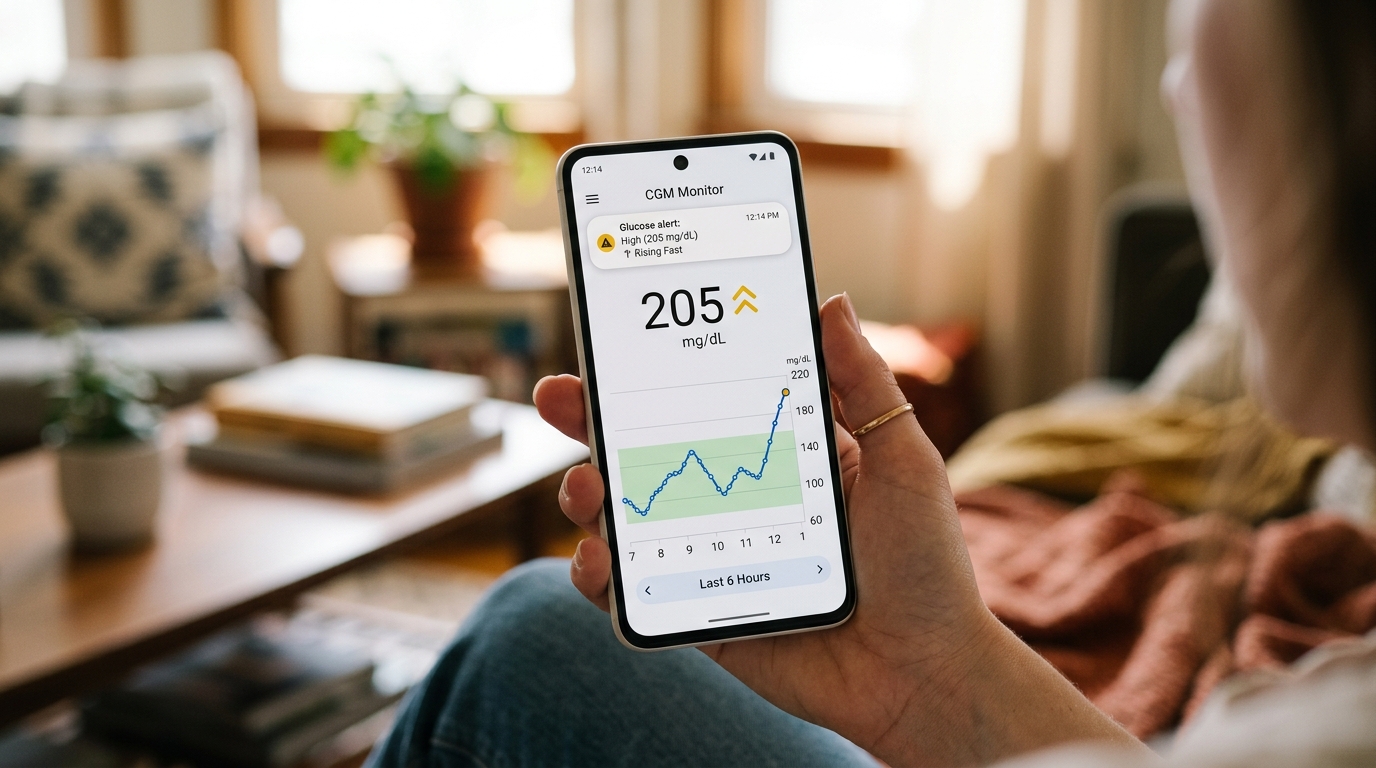
One of the biggest adjustments people make when switching from finger pricking to a CGM is learning to pay attention to the trend arrow rather than just the number itself. A single glucose reading is a snapshot in time, but the trend arrow tells you the direction things are heading, whether your glucose is rising quickly, falling quickly, or holding steady.
If you see a reading that looks slightly off but the trend arrow shows things are stable, this is generally more reassuring than a reading that looks normal but the trend shows a sharp change happening. Learning to read both pieces of information together, rather than fixating on one number, gives a much clearer picture of what is actually going on with your glucose levels throughout the day.
What Not to Do
It is worth mentioning a few things to avoid when a reading seems off. Do not make a major treatment decision, such as a large insulin dose or eating a significant amount of fast acting carbohydrate, based on a single unusual reading without confirming it first, especially if it does not match how you feel physically. This is standard advice for any glucose monitoring method, not something specific to one device.
Also avoid repeatedly pressing or squeezing the sensor site to see if that changes the reading, since this can actually cause the compression effect described earlier and create the very problem you are trying to rule out.
Staying Confident With Your CGM
Continuous glucose monitoring has changed the way many people manage diabetes, replacing multiple daily finger pricks with real time data delivered straight to a phone. That said, no device is expected to be perfect in every single moment, and understanding the normal reasons a reading might look slightly off helps you use the technology with more confidence rather than second guessing it constantly.
Most of the time, an odd looking reading resolves itself within a short window, especially once you understand what caused it. Pressure, timing after a meal, hydration, or the sensor's warm up period explain the vast majority of these moments. Knowing when to simply wait a few minutes and when to reach for a finger prick test is really the core skill that makes living with a CGM feel manageable day to day.
Getting Help When You Need It
If you have gone through these steps and something still does not add up, or if you are noticing a pattern of unreliable readings over more than one sensor, reaching out to the iCan CGM support team through WhatsApp is the fastest way to get a clear answer. Sharing details like when the sensor was applied, what the readings looked like, and how they compared to a finger prick check helps the support team understand exactly what is happening and guide you toward a solution.
Getting used to a CGM takes a little time, and learning how to interpret its readings alongside your own body's signals is part of that process. With a bit of practice, most users find they trust their CGM more with each passing week, and moments of doubt become far less frequent