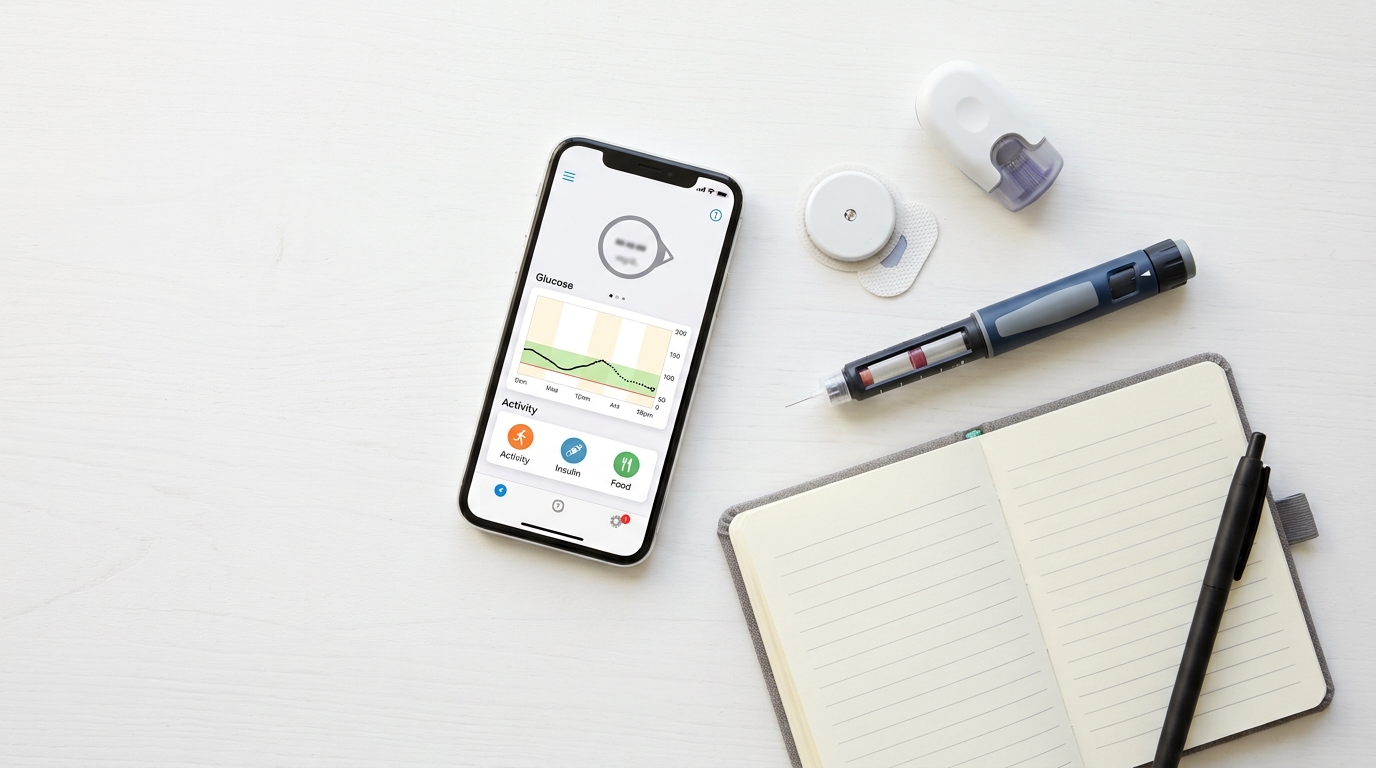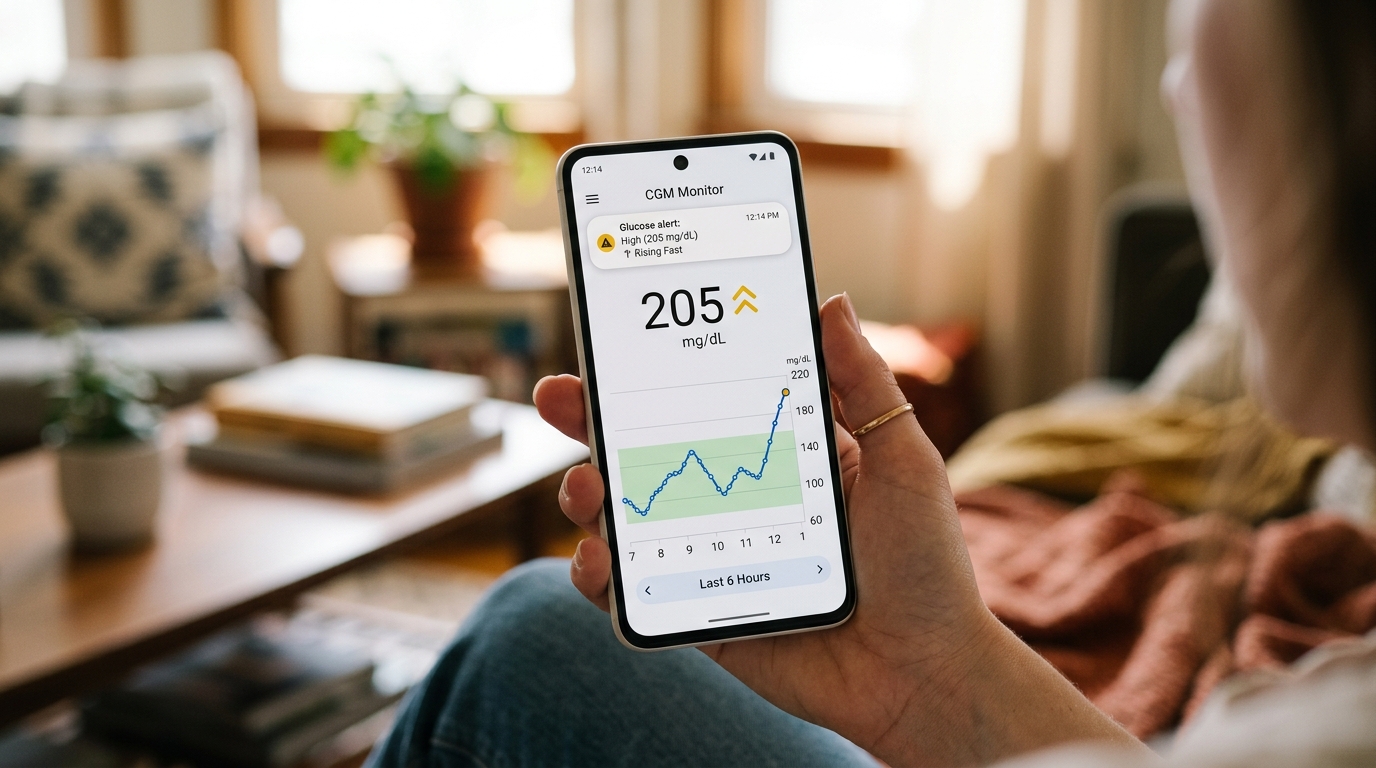
Continuous glucose monitors are often associated with type 1 diabetes and insulin therapy, and it is true that people managing multiple daily insulin doses have long relied on this technology to fine tune their treatment. But a growing number of people with type 2 diabetes who do not use insulin at all, managing their condition instead through oral medication, diet, and lifestyle changes, are discovering that a CGM offers real, practical value for them as well.
This article looks at why CGM technology is not just for insulin users, what specific benefits it offers people with type 2 diabetes managing their condition through other means, and how a device like the iCan CGM fits into that picture.
Rethinking Who a CGM Is For
For a long time, glucose monitoring technology was built around the needs of insulin users, since dosing decisions require closer, more frequent glucose information. This history has left many people with type 2 diabetes assuming that a CGM simply is not relevant to their situation if they are not adjusting insulin doses throughout the day.
In reality, the core value of a CGM has less to do with insulin dosing specifically and more to do with visibility into how your body responds to the things you do every day, meals, activity, stress, sleep, and more. That kind of visibility is valuable for anyone managing type 2 diabetes, regardless of which medications, if any, they are taking.
Understanding How Different Foods Actually Affect You
One of the most immediately useful aspects of wearing a CGM for someone with type 2 diabetes is seeing, in real terms, how specific foods and meals affect glucose levels. General dietary advice for diabetes tends to be broad, suggesting limiting refined carbohydrates or choosing lower glycemic index foods, but the exact effect of any specific meal varies from person to person based on factors like portion size, food combinations, timing, and individual metabolism.
With a CGM, you can eat a meal and then watch, over the following hour or two, exactly how your glucose responds. This turns abstract dietary guidance into something concrete and personal. Maybe a certain type of rice causes a sharper rise than expected, while a similar portion of a different grain barely moves the needle. Maybe eating vegetables before the main course of a meal noticeably softens the glucose spike that follows. These are the kinds of specific, personal insights that general nutrition advice cannot provide, but continuous glucose data reveals clearly.
Seeing the Bigger Picture Beyond a Single HbA1c Number
Type 2 diabetes management has traditionally leaned heavily on HbA1c testing, typically done every three months, to track overall progress. While this number remains useful, it only tells part of the story, since it reflects an average without showing the pattern behind it. Two people with the same HbA1c reading might have very different day to day glucose experiences, one with smooth and steady levels throughout the day, and another swinging between higher highs and lower lows that happen to average out to a similar number.
A CGM fills in this gap by showing the actual pattern behind the average, including how much time is spent in a healthy target range, how often and how severely glucose rises after meals, and whether any unexpected lows are happening, something that can occur even in people not using insulin, particularly those on certain oral medications like sulfonylureas.
Supporting Lifestyle Changes With Real Feedback
For many people with type 2 diabetes, lifestyle changes like improved diet, regular exercise, and weight management form a central part of their treatment plan. Making these changes is often challenging, and one of the difficulties is that the benefits are not always immediately visible day to day. A CGM changes this by providing much faster feedback than an occasional lab test.
Someone who starts walking after dinner, for example, can actually see the effect on their post meal glucose trend that same evening, rather than waiting months to see whether the change made a meaningful difference. This kind of immediate, visible feedback can be genuinely motivating, helping turn abstract health goals into something you can track and see progress on almost daily.
Catching Patterns Medication Alone Might Miss
Even for people managing type 2 diabetes successfully with oral medication, glucose patterns can shift over time due to factors like weight changes, illness, stress, aging, or changes in activity level. A CGM makes these shifts visible earlier than they might otherwise be noticed, since gradual changes in overnight glucose, post meal spikes, or general daily patterns show up clearly in the data over weeks, well before they might show up as a meaningful change in an HbA1c result months later.
This earlier visibility gives both the person managing their diabetes and their doctor a chance to make adjustments sooner, whether that means a change in diet, an addition to medication, or simply closer monitoring during a particular period of life.
Practical Day to Day Convenience
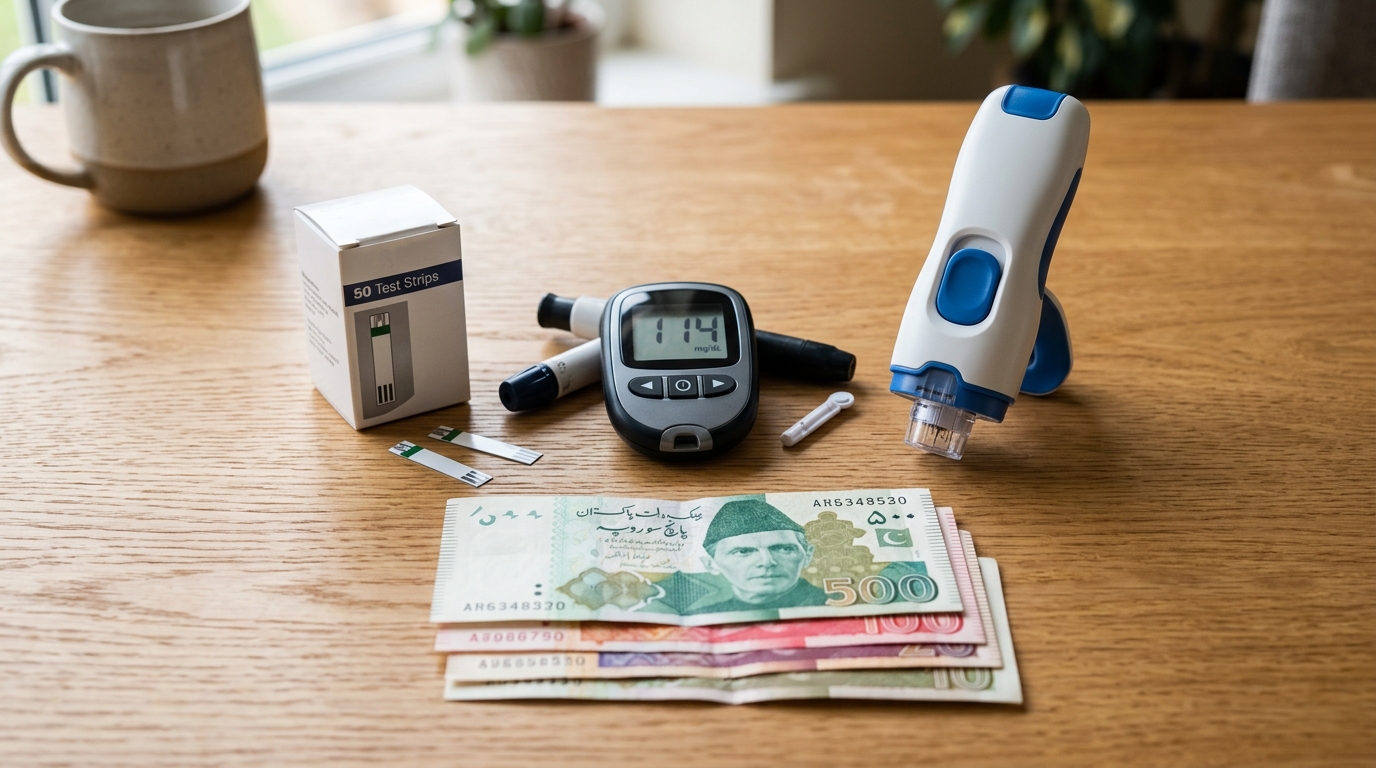
Beyond the deeper insights into glucose patterns, there is also a simpler, more practical benefit to using a CGM instead of finger pricking, even for someone who only checks their glucose occasionally rather than several times a day. The iCan CGM provides automatic readings every few minutes without the need for scanning or a finger prick, meaning glucose information is available any time you think to check, without the friction of finding a testing kit, cleaning a finger, and waiting for a result.
For people with type 2 diabetes who may only have checked their glucose a couple of times a week using traditional methods, simply out of the inconvenience involved, a CGM often leads to checking far more often, purely because it is so much easier to do. This increase in how often someone actually looks at their glucose, even without any change in medication, often leads to better overall awareness and, over time, better outcomes.
Is a CGM Necessary for Everyone With Type 2 Diabetes
It is worth being honest that a CGM is not strictly necessary for every single person managing type 2 diabetes, particularly those with well controlled, stable glucose levels who are already comfortable with their current management approach. The decision to use a CGM is a personal one, often best made in conversation with a doctor who understands your specific situation, medication, and goals.
That said, for anyone curious about how their daily choices actually affect their glucose, anyone looking to make meaningful lifestyle changes with better feedback, or anyone who has found finger pricking inconvenient enough that they simply do not check as often as they should, a CGM like the iCan CGM offers a genuinely useful tool, regardless of whether insulin is part of the daily routine.
Getting Started
If you are managing type 2 diabetes without insulin and are considering trying a CGM, it can help to think of it less as a device reserved for more intensive insulin management, and more as a tool for building a clearer, more personal understanding of how your body responds to daily life. Many people find that even a few weeks of continuous data reveals patterns and insights that years of occasional finger pricking never showed them.
If you have questions about whether the iCan CGM fits your specific situation, reaching out to the support team through WhatsApp is a straightforward way to get more information, and speaking with your doctor about incorporating a CGM into your existing type 2 diabetes management plan is always a sensible first step.