.
Watching your child manage diabetes is not easy, and every parent wants to make the process as gentle and stress free as possible. Continuous glucose monitoring has become one of the most helpful tools for families dealing with type 1 diabetes in children, replacing many of the finger pricks that used to be part of daily life. If your child has recently been prescribed a CGM, or if you are considering one, here is what is genuinely useful to know, based on the questions we hear most often from parents who reach out to iCAN CGM.
What a CGM Actually Does for Kids
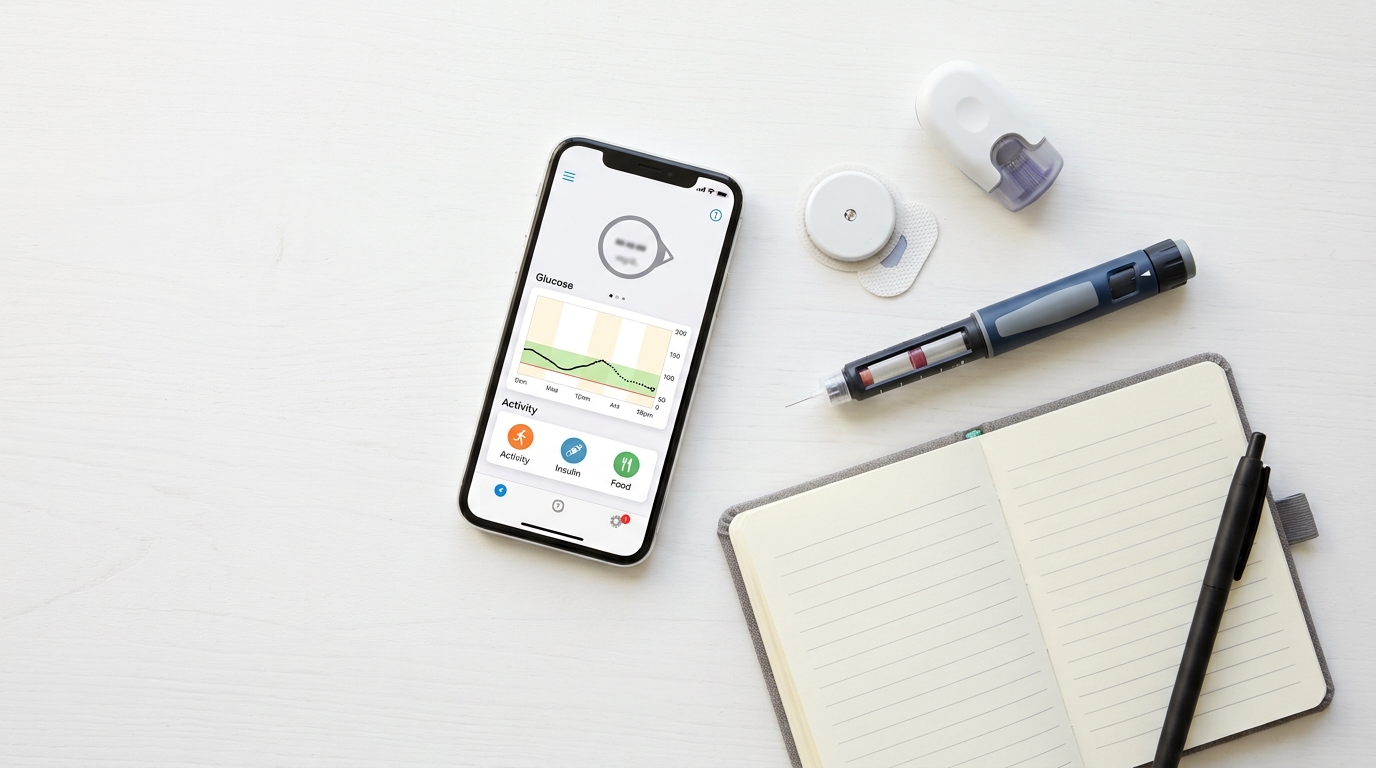
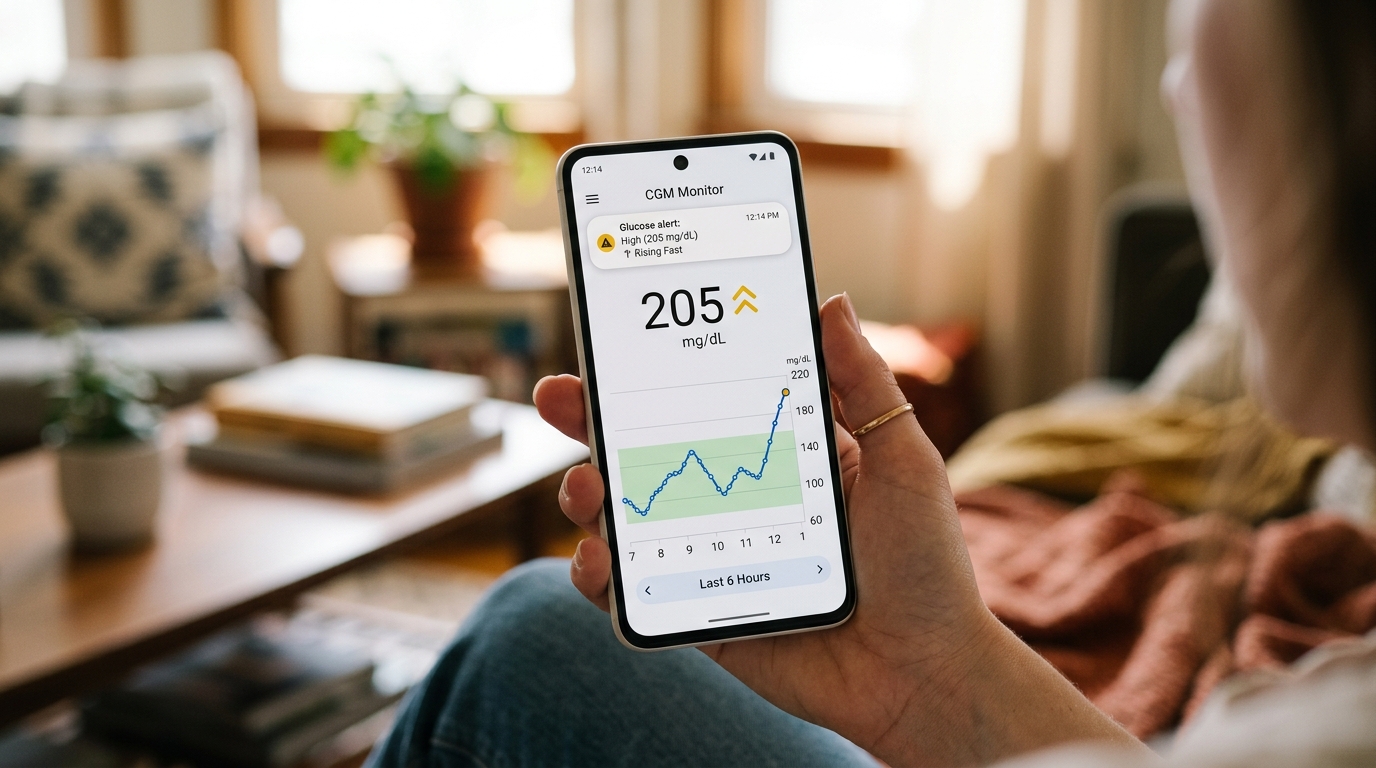
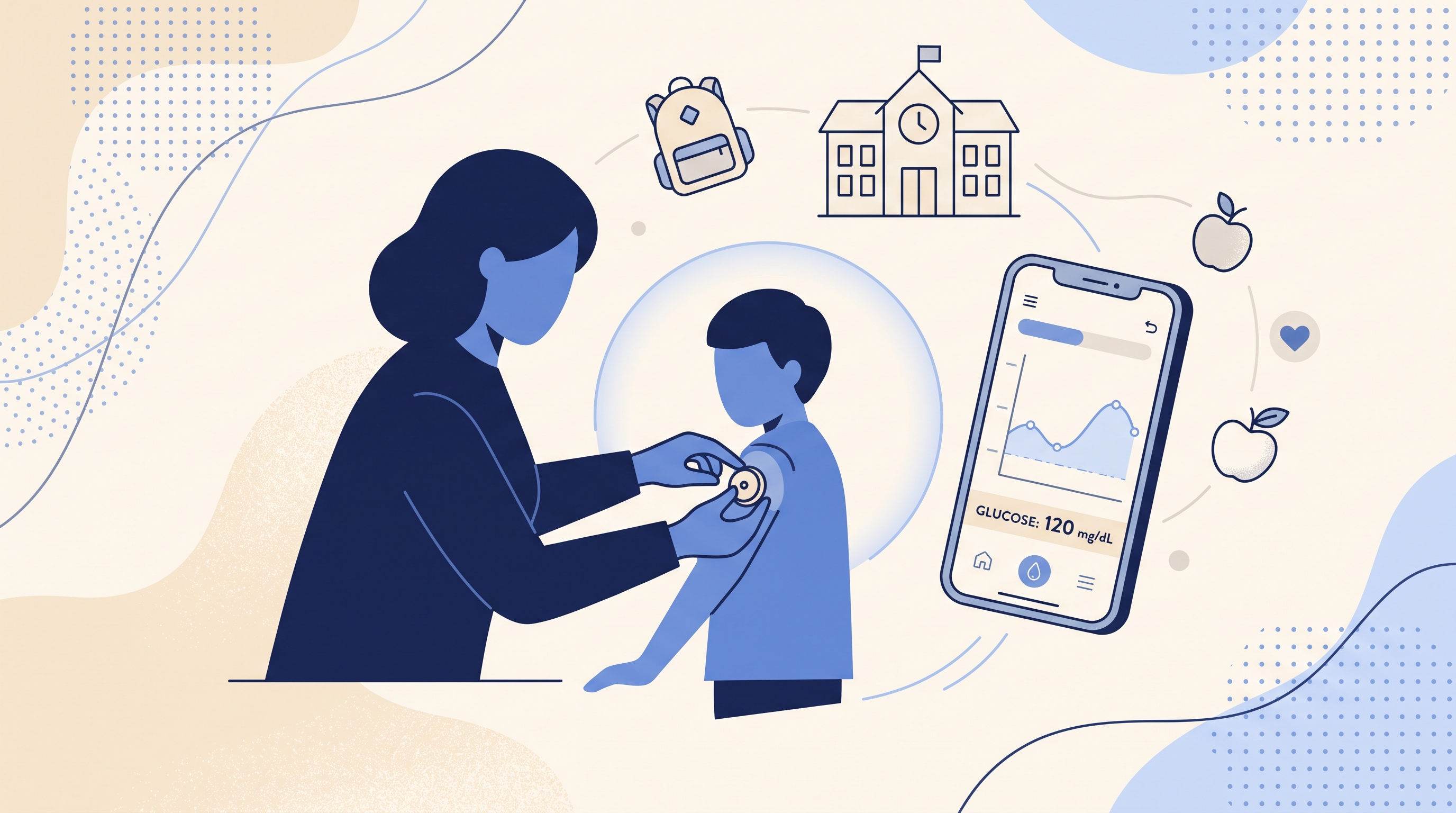
A CGM is a small sensor, usually worn on the back of the arm or the abdomen, that measures glucose levels in the fluid just under the skin. It sends readings to a receiver or a smartphone app every few minutes, giving parents and children a constant picture of where blood sugar stands. Instead of testing four or five times a day and hoping nothing dangerous happens in between, families can see trends unfold in real time and step in before a low or high becomes serious.
For young children who cannot always describe how they feel, this is especially valuable. A toddler might not be able to say "I feel shaky" or "my head hurts," but a CGM alert can flag a dropping glucose level before symptoms even appear. This is often the single biggest relief parents describe when they first switch from finger sticks to continuous monitoring.
Helping School and Daily Life Run More Smoothly
One of the biggest relief points for parents is how much easier school days become. Many CGM systems allow remote monitoring, meaning a parent at work can check their child's glucose from their phone without needing to call the school nurse every hour. Alerts can be set to notify parents, teachers, or caregivers if levels move outside a safe range, which takes some of the constant worry out of sending a child with diabetes off to school, sports practice, or a sleepover at a friend's house.
This also changes how schools themselves handle diabetes care. Teachers who once needed detailed instructions on when to test a child's blood sugar can now simply glance at a shared app or wait for an alert, which reduces the burden on school staff while still keeping the child safe throughout the day.
Talking to Your Child About Their CGM
Children often adapt to wearing a sensor faster than parents expect, but it still helps to explain what it does in simple terms. Framing it as a helper that "watches sugar levels" rather than something scary or medical tends to work well for younger kids. Letting a child choose a fun sticker or patch to decorate around the sensor site can also make the whole experience feel less clinical and more like something that belongs to them.
For older children and teenagers, involving them in decisions about where the sensor goes and how alerts are set can build a sense of ownership over their own care, which often leads to better long term habits. Teenagers in particular respond well to being trusted with some control over their own management, rather than feeling like diabetes care is something done to them rather than with them.
Managing the Emotional Side of Diabetes in Children
Beyond the numbers, there is an emotional weight that comes with a child managing a chronic condition. Some children feel singled out or different from their classmates, especially in the early months after diagnosis. Parents can help by connecting with other families managing pediatric diabetes, either through local support groups or online communities, since knowing other children are living full, active lives with diabetes can be reassuring for both kids and parents.
It also helps to celebrate the small wins. A steady glucose trend line during a school day, a smooth sports practice, or simply a child feeling confident enough to check their own CGM app are all worth acknowledging, since diabetes management can otherwise start to feel like an endless list of things to worry about.
A Few Practical Tips for Parents
Skin sensitivity is common, so rotating sensor placement sites and using recommended adhesive patches can prevent irritation over time. It also helps to keep a backup sensor on hand, since active kids sometimes bump or catch the device during play, swimming, or rough sports. Most importantly, staying in close contact with your child's endocrinologist during the first few weeks of CGM use will help fine tune alert thresholds so they match your child's actual patterns rather than generic settings that may not suit a growing, active child.
Parents should also keep an eye on how the sensor holds up in hot weather, which is a common concern for families in Pakistan during summer months. Excessive sweating can occasionally loosen adhesive patches, so having extra adhesive covers on hand during warmer seasons is a simple but helpful precaution.
Choosing the Right CGM for Your Child
Not every CGM device is designed the same way, and some are better suited to younger children while others work well for teenagers who want more independence in managing their own data. At iCAN CGM, we help parents compare available options based on sensor wear time, app compatibility, alert customization, and overall comfort, so families can choose a device that genuinely fits their child's daily routine rather than settling for whatever is most commonly recommended.
The Bigger Picture
CGM technology has genuinely changed what it means to raise a child with diabetes. Fewer finger pricks, fewer overnight scares, and more real time information add up to a lifestyle that feels far less restrictive than it once did. With the right support, children with diabetes can keep up with school, sports, and everyday childhood while parents gain a bit more peace of mind. If you are considering CGM for your child, the team at iCAN CGM is always available to answer questions and help you find a solution that suits your family's needs.