
The Real Benefits of Continuous Glucose Monitoring for People in Pakistan
For decades, managing diabetes meant living around a handful of scattered glucose readings each day, with long unmonitored gaps in between. Continuous glucose monitoring has changed that reality by offering a constant stream of information that reveals not just where glucose levels stand right now, but where they are heading. As more people in Pakistan gain access to this technology, it is worth looking closely at what continuous glucose monitoring actually changes in day-to-day life, beyond the technical explanation of how the devices work.
Beyond Numbers: What Continuous Glucose Monitoring Actually Changes
The biggest shift that continuous glucose monitoring brings is a change in relationship with the condition itself. Instead of diabetes management feeling like a series of disconnected tests, continuous glucose monitoring turns it into an ongoing conversation between a person and their own body. Trends become visible, cause and effect become clearer, and decisions that used to be based on guesswork become based on real, immediate data. This shift in understanding tends to matter just as much as the clinical benefits, since people who understand their condition more clearly are generally better equipped to manage it consistently over the long term.
Better Glycemic Control Without Constant Fingersticks
One of the most immediate benefits of continuous glucose monitoring is a significant reduction in the physical burden of daily testing. Traditional fingerstick testing, especially for people who need to check several times a day, can become genuinely painful and disruptive over months and years of repeated use. Continuous glucose monitoring removes most of this burden by automatically tracking glucose levels through a sensor, freeing people from the discomfort of constant pricking while still delivering, and often exceeding, the amount of useful information that frequent fingerstick testing would provide.
This reduction in testing burden often leads indirectly to better glycemic control, simply because people are far more likely to actually check their glucose regularly when doing so requires no discomfort at all, compared to a method that involves pain with every single reading.
Spotting Patterns Traditional Testing Misses
Because continuous glucose monitoring records data every few minutes around the clock, it captures patterns that occasional fingerstick testing almost always misses. Post-meal spikes that occur an hour or two after eating, gradual overnight drift, and the specific effect of a particular food or activity all become visible for the first time to many users. This pattern recognition allows people, often working together with their doctor, to make far more targeted adjustments to diet, medication timing, or activity levels than would be possible with a handful of isolated daily readings.
Reducing the Risk of Hypoglycemia and Hyperglycemia
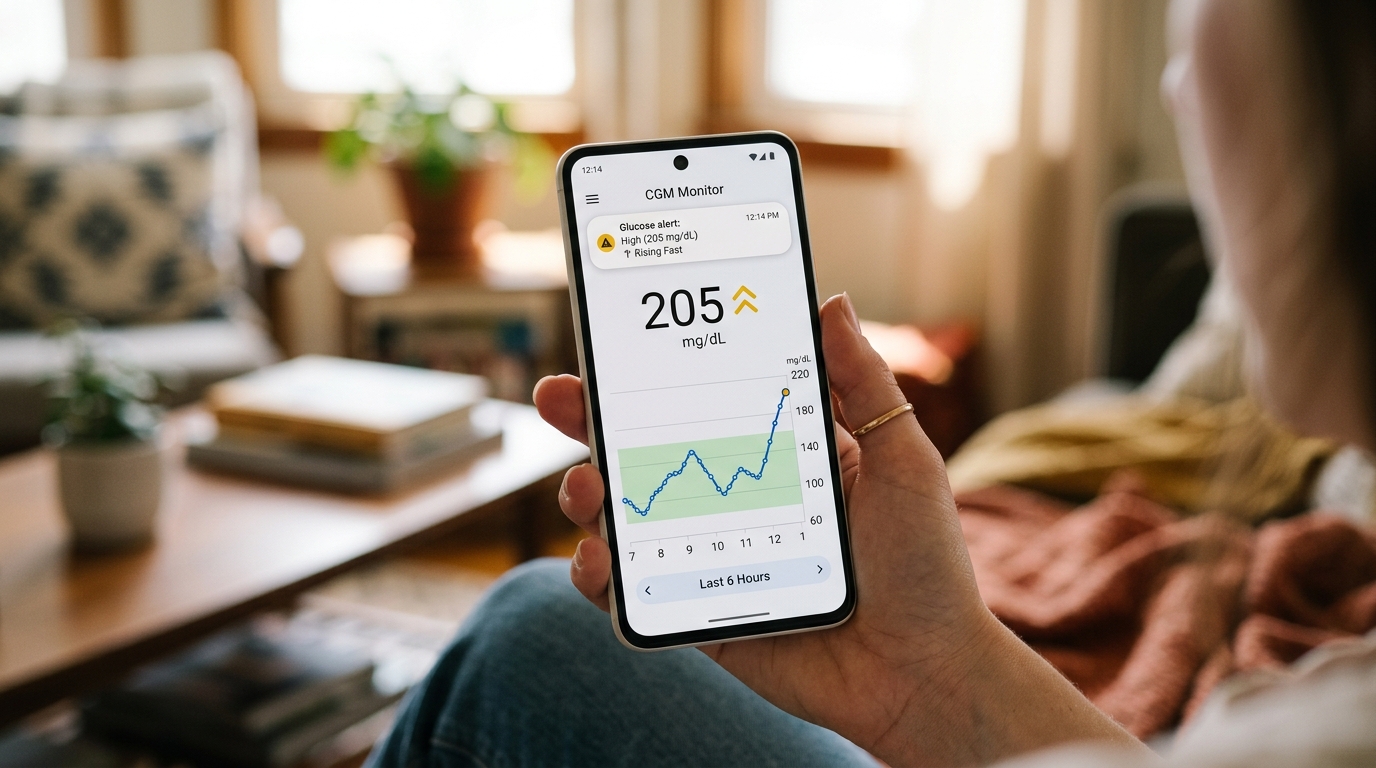
Perhaps the most clinically important benefit of continuous glucose monitoring is its ability to warn users before a dangerous glucose event occurs, rather than only confirming one after the fact. Customizable alerts built into most continuous glucose monitoring systems can notify a person when glucose is trending toward a low or high threshold, giving them time to intervene before the situation becomes an emergency. This is particularly valuable overnight, when hypoglycemia often goes unnoticed with traditional testing methods simply because the person is asleep and not testing at all during those hours.
Benefits for Specific Groups
Benefits for Pregnant Women
Pregnant women managing gestational or pre-existing diabetes face a narrower safe range for glucose levels than the general population, since both highs and lows can affect the pregnancy. Continuous glucose monitoring gives expecting mothers the ability to maintain tighter control with far less physical discomfort than repeated fingerstick testing throughout the day, which matters during a period already filled with frequent medical appointments and physical demands.
Benefits for Athletes and Active Individuals
Physically active individuals, including athletes managing diabetes, benefit from continuous glucose monitoring by being able to see exactly how exercise affects their glucose levels in real time. This allows for more precise adjustments to food intake or insulin dosing around training sessions, reducing the risk of exercise-induced hypoglycemia while still allowing for an active, sport-focused lifestyle.
Benefits for the Elderly
Older adults managing diabetes, particularly those who may have reduced sensitivity to the warning symptoms of low blood sugar, gain considerable safety benefits from continuous glucose monitoring. The automatic alerts can serve as an early warning system that does not rely on the person recognizing symptoms themselves, and the ability to share data remotely with a family member or caregiver adds an additional layer of safety for elderly users living independently.
Emotional and Lifestyle Benefits
Beyond the clinical advantages, many users report meaningful emotional benefits from continuous glucose monitoring, including reduced anxiety around unpredictable glucose swings and a greater sense of control over their own health. Knowing that an alert will sound if glucose drops too low, rather than having to wonder and hope between infrequent tests, allows many people to sleep more soundly, travel with more confidence, and participate in social situations, including meals out, without the same level of underlying worry that often accompanies less informed diabetes management.
Long-Term Health and Cost Benefits
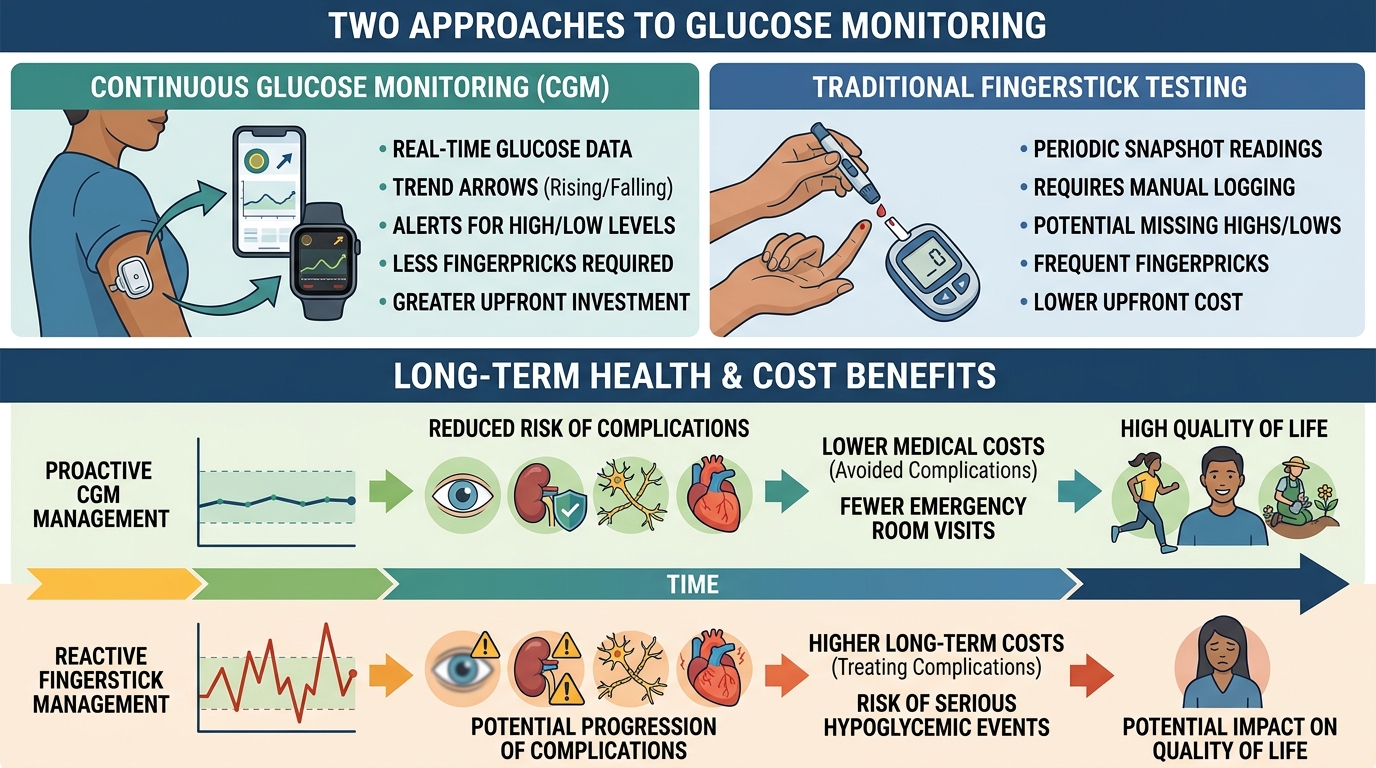
While continuous glucose monitoring typically requires a greater upfront investment than basic fingerstick testing, many users find that the long-term picture favors continuous monitoring once the full cost of complications is considered. Better glycemic control achieved through continuous glucose monitoring is associated with a reduced risk of long-term diabetes complications, including issues affecting the eyes, kidneys, nerves, and cardiovascular system. Avoiding even a single serious hypoglycemic episode requiring emergency care, or slowing the progression of a long-term complication, can represent significant savings over time, both financially and in terms of overall quality of life.
Getting Started With Continuous Glucose Monitoring Through iCanCGM
For anyone in Pakistan considering making the switch to continuous glucose monitoring, iCanCGM offers a straightforward starting point. Through icancgm.pk, customers can explore available devices, understand which option best fits their specific type of diabetes and lifestyle, and place an order with confidence that the product is genuine and properly handled through delivery. New users are also encouraged to read the site's detailed guide on the continuous glucose monitor in Pakistan and the practical walkthrough of CGM sensor placement, both of which help set expectations before the first sensor is ever applied.
FAQs
Does continuous glucose monitoring completely eliminate the need for fingerstick testing? For most users it dramatically reduces fingerstick testing, though some devices still recommend occasional confirmation testing in specific situations, such as when a reading does not match how the person feels.
How quickly do people typically see benefits after starting continuous glucose monitoring? Many users notice patterns and gain useful insight within the first one to two weeks of consistent use, as the data begins to reveal how specific meals, activities, and routines affect their glucose levels.
Is continuous glucose monitoring suitable for people with type 2 diabetes who are not on insulin? Yes, many people with type 2 diabetes managed through diet or oral medication also benefit from continuous glucose monitoring, particularly for identifying which foods and habits cause the largest glucose spikes.
Can continuous glucose monitoring data be shared with a doctor? Yes, most continuous glucose monitoring systems allow data to be exported or shared directly with a healthcare provider, making appointments more productive and treatment adjustments more precise.
Are the benefits of continuous glucose monitoring worth the additional cost compared to traditional testing? Many users in Pakistan find the combination of reduced testing discomfort, better pattern recognition, and lower risk of dangerous glucose events makes continuous glucose monitoring a worthwhile investment, though the right choice ultimately depends on individual medical needs and budget.